




Blog
How do herbal extract labels differ from whole-herb powder labels?

Compare an herbal extract label with a whole-herb powder label by recording the exact plant identity, plant part, preparation description, disclosed amount, and serving basis. Keep any extraction ratio or standardization statement separate from the ingredient mass. Similar plant names do not establish identical preparations, and a larger printed number does not supply a complete strength comparison.
This guide explains a practical review of herbs and botanical products. It covers powders, extracts, ratios, marker statements, blends, physical formats, prices, and questions for manufacturers. It does not select a botanical treatment, recommend an amount, or promise equivalent effects between preparations.
Identify the plant and part first
Copy the full common or scientific plant wording supplied by the label and the plant part where identified. A root, leaf, flower, fruit, or another preparation should remain attached to the exact ingredient description. A familiar common name alone may leave important details unresolved.
Keep the complete product identity beside the ingredient record: brand, formula, format, flavor where relevant, and selected size. A brand can offer several related preparations under similar names. Match the label to the item being considered rather than borrowing details from a neighboring version.
If a retailer summary and manufacturer resource use different wording, ask how they relate to the selected product. Preserve the original statements so the question can be answered precisely. Do not silently replace an unclear term with a remembered description from another formula.
What distinguishes an extract description?
The NIH Office of Dietary Supplements’ botanical background information explains that extraction uses a liquid to obtain desired botanical constituents. Read the actual preparation wording on the selected product rather than identifying an extract solely from capsule, bottle, or powder appearance.
An extract can be supplied in a physical format that is also used for other preparations. Keep preparation type and finished-product format in separate fields. A capsule or powder description does not by itself establish whether the ingredient is an extract or another botanical preparation.
Record any process detail supplied and mark missing information as undisclosed. If a solvent, ratio, or other characteristic is essential to your comparison, ask for relevant product-specific information rather than inferring it from a front-label adjective.
| Comparison field | Whole-herb or plant powder review | Extract review |
|---|---|---|
| Plant identity | Exact disclosed name | Exact disclosed name |
| Plant part | Part wording where supplied | Part wording where supplied |
| Preparation | Actual powder description | Actual extract description |
| Amount | Disclosed mass and serving basis | Disclosed extract mass and serving basis |
| Additional statement | Any relevant component detail | Ratio or marker statement where supplied |
| Finished format | Capsule, powder, liquid, or other form | Capsule, powder, liquid, or other form |
How should whole-herb powder wording be read?
Record the exact description rather than assuming that every product with a plant name contains the same material. If the label says powder, preserve any plant-part and preparation detail that accompanies it. If it uses another description, do not rewrite it to make the comparison simpler.
Keep the disclosed ingredient amount separate from the mass of a finished blend. A capsule or flavored powder can include additional ingredients. Total serving weight should not automatically become the amount of one selected botanical.
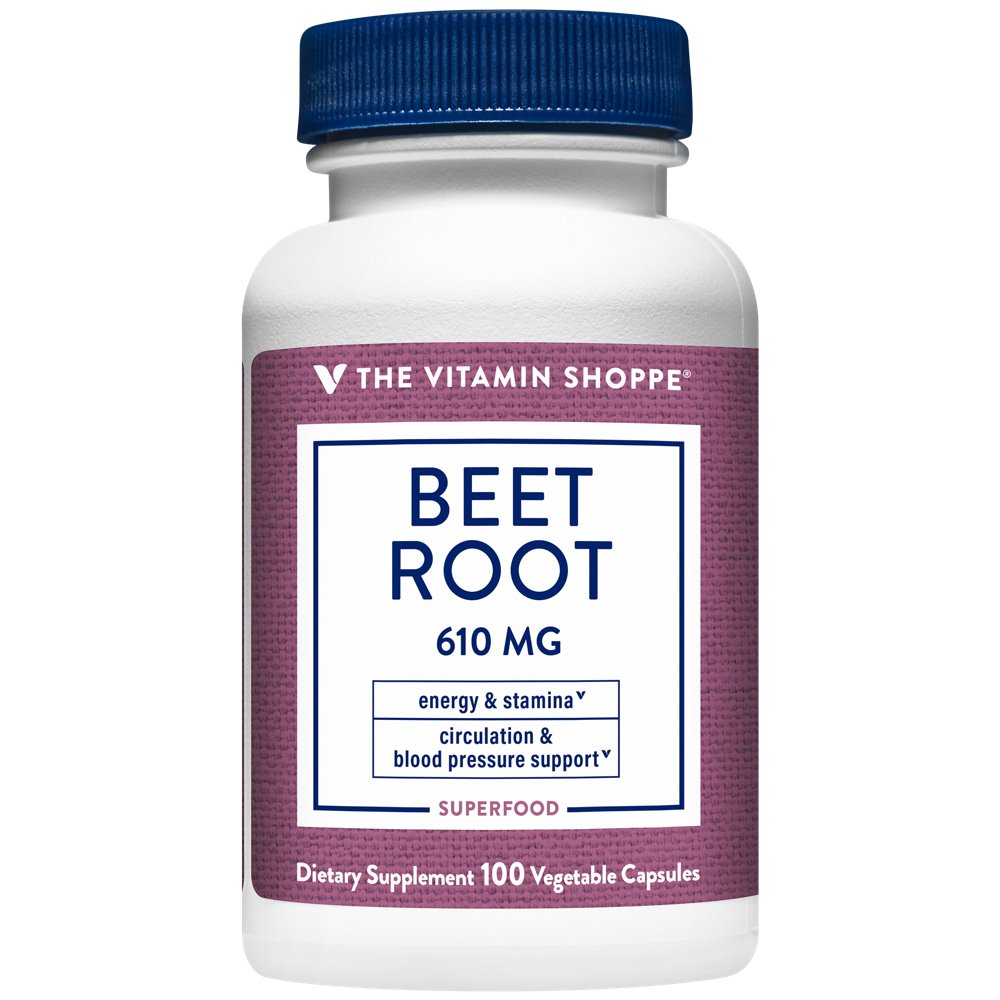
The root-product example pictured below illustrates why identity and preparation need separate checks. Its title identifies a root ingredient, but the exact panel should establish the preparation and quantities. The image is not a claim that every root product is a whole-herb powder.
What does an extraction ratio describe?
Read the manufacturer’s exact ratio wording and its defined basis. The NIH background explains botanical-to-extract ratios as descriptions involving starting botanical material and finished extract. Keep the ratio separate from the amount of extract in a labeled serving.
Do not assume that every ratio uses an identical method or resolves every composition question. Ask how the ratio is defined for the exact product if the statement is unclear. Preserve qualifications rather than turning a short ratio into a universal comparison of effects.
For a hypothetical arithmetic exercise, an explicitly defined 5:1 starting-material-to-extract ratio attached to 100 mg of extract would correspond to 500 mg of starting material on that defined basis. This does not establish that the preparations are interchangeable or describe an amount appropriate for an individual.
Keep extract mass, equivalents, and markers separate
A label can disclose extract mass, a stated botanical equivalent, and a marker-related quantity or percentage. Those fields describe different information. Record each with its unit, basis, and wording rather than choosing whichever number looks largest.
A percentage calculation is meaningful only when you know what quantity the percentage applies to and what is being measured. If the basis is unclear, request clarification. Do not multiply a percentage by the whole finished-product mass without evidence that it applies to that mass.
The following invented example is a reading exercise, not an actual specification or suggested portion. It shows how several statements can appear in one record without being treated as the same quantity.
| Hypothetical field | Invented statement | What to preserve |
|---|---|---|
| Extract amount | 100 mg per labeled serving | Extract identity and portion basis |
| Defined ratio | 5:1 as explicitly described | Manufacturer’s definition and qualification |
| Starting-material equivalent | 500 mg on that defined basis | Separate equivalent field |
| Marker statement | A stated percentage with its defined basis | Exact subject and measurement wording |
Keep original statements beside any arithmetic. A calculated equivalent does not independently measure the contents, establish identical composition, or supply missing evidence about results. It is a description based on the disclosed inputs.
What does standardized wording establish?
Copy the exact statement and identify what characteristic the manufacturer says is standardized. The NIH botanical reference notes that the term alone does not necessarily establish high quality. A useful comparison asks what is specified and what supporting information applies to the actual product.
If a marker is named, preserve its identity, percentage or amount, and basis. A technical-sounding phrase should not automatically become proof of every aspect of consistency, identity, or personal suitability. Keep the claim and its evidence separately identified.
Ask whether a statement concerns the raw ingredient, finished formula, or another subject. A document about one should not silently be expanded to every claim about the others. The relevant scope matters as much as the presence of a document.
Compare mixed formulas carefully
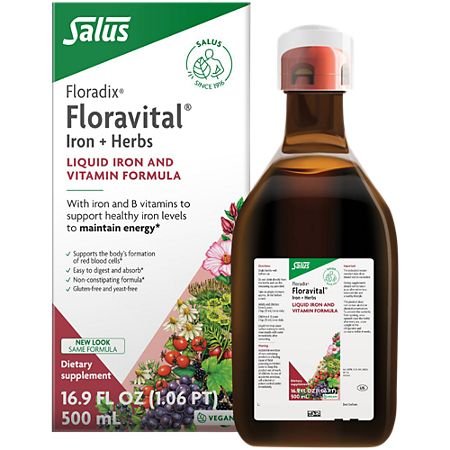
A product can combine several botanicals or include vitamins, minerals, carrier ingredients, flavorings, or other components. Record the full list rather than reducing the purchase to the plant emphasized on the front.
If a blend supplies only a total, keep individual quantities undisclosed unless the manufacturer provides them. Do not divide the mass equally among the list or assign the entire total to one component. A clear limitation is more useful than an invented specification.
Combination products should not automatically be treated as equivalents to simpler preparations. Even a matching amount for one ingredient leaves differences in the rest of the formula. Keep those differences beside price and format information.
Read serving size before comparing quantities
The disclosed amount belongs to the stated portion. For a capsule, that may involve several pieces. For a liquid or powder, it may involve a specified measured amount. Preserve the full basis before comparing numbers across formats.
Keep physical count, net weight or volume, and labeled servings in separate fields. A larger bottle or tub does not establish a larger ingredient amount per serving. Use confirmed label information instead of estimating from package dimensions.
Do not change directions to make two products appear numerically equivalent or cheaper. A purchasing calculation should describe the supplied information. Personal decisions about botanical use require relevant context beyond a retail worksheet.
What should I check about supporting claims?
Identify the exact statement you want to investigate and the source offered in support. A study about one extract, plant part, or formula should not automatically be applied to every product carrying a related common name.
Check the actual preparation, quantity basis, population, and outcome addressed by cited research. Similar terminology can be a reason to investigate further without establishing a direct match. Preserve the scope rather than expanding a narrow finding into a promise.
For a personal question involving medicines, conditions, or an individual routine, retain the full label and preparation details when seeking qualified advice. A technical label term is not a substitute for that assessment.
Compare costs on a clearly named basis
Record the selected package price and confirmed labeled servings, then calculate cost per labeled serving. Keep preparation differences visible. An extract serving and a whole-herb powder serving should not be described as identical merely because their prices or masses match.
If you use a quantity-based cost, state exactly which quantity is in the denominator: disclosed extract mass, named powder mass, or another supported field. A ratio or stated equivalent should not be mixed with another product’s different basis without explaining the distinction.
The following invented prices demonstrate package arithmetic only. They are not current offers, actual specifications, or suggested amounts. The table does not rank preparation types or predict effects.
| Hypothetical package | Item price | Labeled servings | Cost per labeled serving |
|---|---|---|---|
| Powder product A | $18 | 30 | $0.60 |
| Extract product B | $24 | 60 | $0.40 |
| Combination C | $21 | 30 | $0.70 |
| Extract product B with $6 allocated delivery | $30 total | 60 | $0.50 |
Include applicable checkout charges consistently. Record coupon, subscription, and multi-buy conditions. A promotional first price is not automatically a permanent recurring cost, and a bundle requires confirmed included products before its labeled servings are combined.
Resolve missing information before ordering
Ask a focused question with the exact product link, selected size, and relevant label wording. Request the plant identity or part, preparation description, ratio definition, marker basis, or individual amount as appropriate.
If the title and panel disagree, describe the conflict and ask which information applies to offered stock. Avoid combining the largest number from one version with the lower price of another. Every comparison column should describe one confirmed formula.
Save the response with its source and date. Review the selected option before checkout. After delivery, compare product identity, preparation wording, count or net contents, panel, and package condition with the information that supported the purchase.
Review practical storage information
Read the actual directions for the selected format and any after-opening instructions. Ask about available date information for offered stock when it affects a larger purchase. A lower unit price does not answer whether an unfamiliar liquid, powder, or capsule package fits your preparation and storage plans.
Frequently asked questions about extract and powder labels
Does a capsule identify the preparation type?
Physical format and botanical preparation are separate fields. Read the actual ingredient description to establish whether the selected formula identifies a powder, extract, or another preparation.
Is a ratio the same as extract mass?
Keep the ratio and mass separately recorded. Read how the manufacturer defines the ratio and preserve its basis. A short ratio should not replace the disclosed amount in a labeled serving.
Does a botanical equivalent establish identical effects?
A stated equivalent describes a defined comparison basis. It does not by itself establish identical composition, personal suitability, or outcomes between preparations. Keep supporting evidence and its scope separate.
Can standardized wording replace supporting information?
Identify what characteristic is specified and which evidence applies. The term alone does not supply every detail about identity, consistency, or the finished formula.
Can I divide a blend total equally?
A combined mass does not establish equal component shares. Record individual amounts only where disclosed and preserve missing information rather than inventing a complete formula.
What is the most useful comparison record?
Keep exact product identity, plant and part, preparation, disclosed amount and unit, serving basis, ratio and marker wording, full formula, sources, dates, price conditions, and unanswered questions together.