




Blog
How do probiotic and prebiotic labels differ?

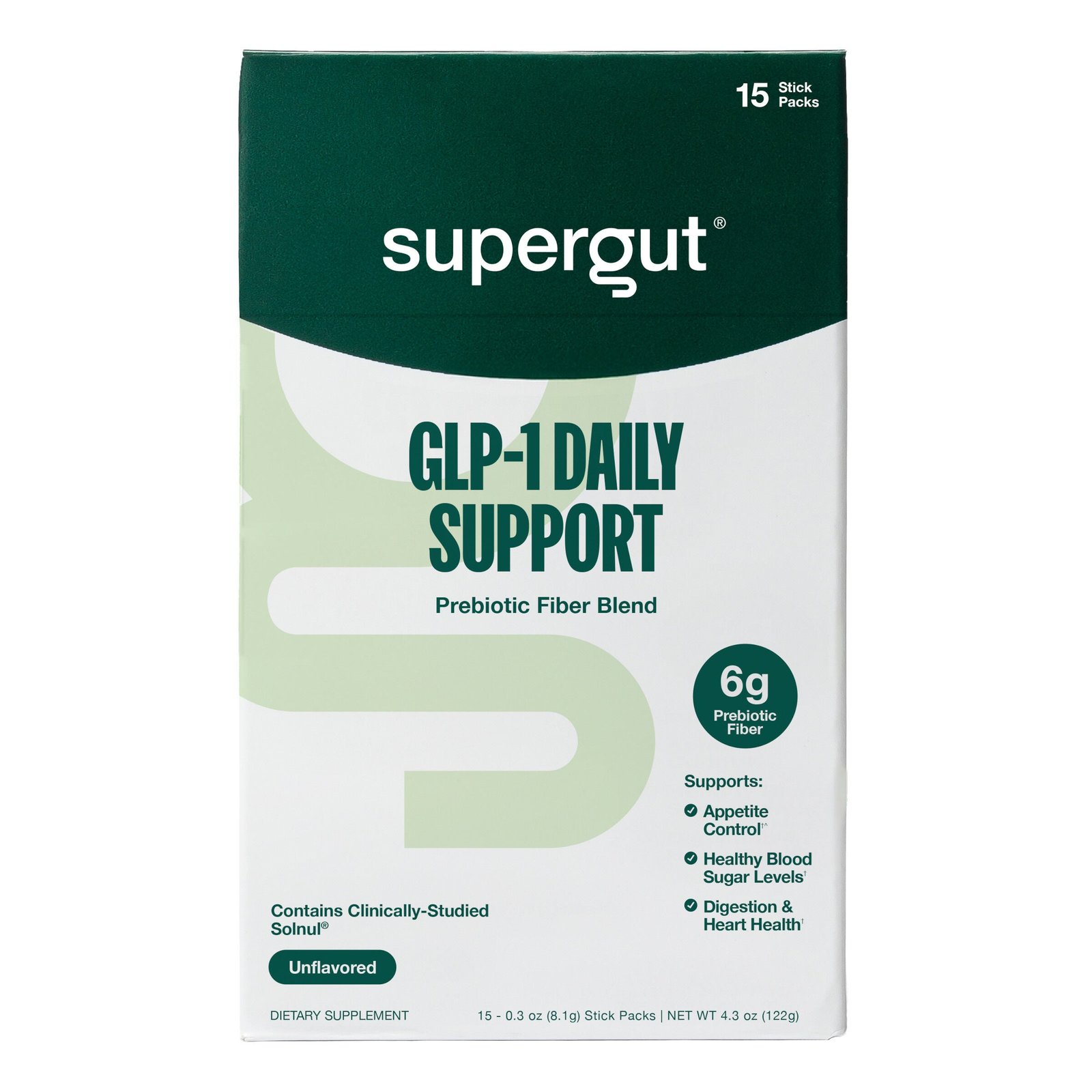
Probiotic and prebiotic labels describe different kinds of ingredients, so compare their actual disclosures rather than treating the similar names as interchangeable. For a probiotic, look for microorganism identities and the stated quantity basis. For a prebiotic product, identify the named ingredient, disclosed amount, serving information, and complete formula. A product can also combine components that need separate review.
This guide explains how to investigate digestive-health products using a practical label worksheet. It covers terminology, units, blend statements, preparation, storage, prices, and questions to ask when information is missing. It does not choose a product or amount for an individual health condition.
What is the basic distinction?
The National Center for Complementary and Integrative Health describes probiotics as live microorganisms and distinguishes prebiotics as nondigestible components that support the growth or activity of desirable microorganisms. Those categories lead to different label-reading questions.
Keep the distinction tied to the actual ingredient statement. A front phrase about digestive support can appear on several kinds of formulas without identifying the complete contents. Read the panel and full ingredient information before assigning a product to a particular comparison field.
A category description is a starting point for terminology, not a personal suitability conclusion. If your question concerns a condition, medicines, or an individual routine, retain the full product information when seeking qualified guidance rather than deciding from the similar-sounding names alone.
Identify the exact selected formula
Record brand, complete product name, format, flavor where relevant, and selected package size. Related products can have different ingredients and quantities even when they share artwork or a broad purpose. Keep each panel attached to the exact version it describes.
Compare the product title, front photograph, and detailed panel. If they appear inconsistent, ask which information applies to the offered item. A short summary may highlight selected ingredients while leaving the full formula to another resource.
Save the source and date checked. A remembered label or older product image may not describe the selected current version. Revisit the information if you change a flavor, format, or size while browsing.
| Comparison question | Probiotic label review | Prebiotic label review |
|---|---|---|
| What is identified? | Complete microorganism wording and strain designations where supplied | Exact named ingredient or blend |
| What quantity is stated? | CFU and other disclosed quantity information on its basis | Disclosed mass or other stated amount on its basis |
| What portion applies? | Labeled serving size | Labeled serving size |
| What else is included? | Full finished-formula ingredients | Full finished-formula ingredients |
| What handling applies? | Product-specific directions and storage | Product-specific directions and storage |
| What remains unknown? | Missing identities or quantity detail | Missing component or blend quantities |
What should I copy from a probiotic panel?
Record the complete microorganism names and any strain designations, preserving letters, numbers, and punctuation. A headline count of strains does not replace the actual list. Keep an unreadable or missing designation marked unconfirmed rather than adding a familiar code from another product.
Copy the CFU statement with its serving basis and any time-related wording. If the number is combined across several components, record that limitation. A total does not automatically establish each organism’s separate contribution.
Keep quantity and identity as separate fields. A large number does not fill a gap in strain disclosure, and a detailed name does not supply an undisclosed quantity. Both can be useful without one substituting for the other.
What should I copy from a prebiotic panel?
Record the exact ingredient or blend wording and its disclosed amount. If a product describes a fiber ingredient, preserve the actual statement rather than replacing it with a generic label. Read which quantity belongs to the ingredient, a broader blend, or the finished serving.
Keep total powder mass separate from an individually disclosed component amount. A flavored powder can contain several ingredients. Converting grams to milligrams changes a unit expression; it does not turn the whole formula into one selected ingredient.
If quantities are disclosed only as a blend total, avoid assigning equal shares or the whole total to a single component. Ask the manufacturer whether individual amounts are available when that information matters to your comparison.
Why should CFU and grams remain separate?
They describe different kinds of information. A count expressed in CFU should not be added to a mass figure or converted into grams using a guessed relationship. Keep the quantity type, ingredient identity, unit, and portion basis together.
For a mixed formula, a single serving can contain several separately described components. A useful record gives each its own row. Avoid creating a combined strength score by adding unrelated numbers from different units.
The following hypothetical record illustrates how separate fields prevent confusion. It is not an actual product specification or a recommended portion, and it does not describe the photographed product.
| Hypothetical field | Invented disclosure | What the entry describes |
|---|---|---|
| Probiotic component | Two billion CFU per labeled serving | Stated microorganism quantity on its basis |
| Named prebiotic component | 3 g per labeled serving | Stated component mass on its basis |
| Finished powder portion | 6 g | Total portion mass |
| Package servings | 30 | Labeled portions represented by the package |
The hypothetical 3 g component is not automatically the full 6 g powder portion, and the CFU figure should remain a separate quantity field. The table’s purpose is to preserve meanings rather than make unlike measurements look comparable.
How should a combination product be reviewed?
Read the complete formula and identify which components are described as probiotic, prebiotic, or something else. A product can also include vitamins, minerals, greens, flavor ingredients, or other additions that deserve their own review.
Do not assume that a combined formula contains the same ingredients or quantities as separate products with related names. Keep its actual disclosed components and blend limitations visible. Similar marketing purposes do not establish formula equivalence.
If the combination makes a specific claim, identify the supporting information and its scope. Evidence concerning one ingredient or another formula should not automatically become proof of every claim about the finished product.
Read serving size before comparing packages
A per-serving amount belongs to the full labeled portion. For a capsule or chewable, that portion may contain multiple physical pieces. For a powder, it may use a specified measured mass or supplied measure. Record the actual basis before copying the quantity.
Keep physical count, net weight, and labeled servings separate. A larger package can represent a different number of portions depending on the formula and stated serving. Use confirmed information rather than inferring portions from package appearance.
Do not change directions to make products appear equivalent or cheaper. A purchasing worksheet should describe the supplied label accurately. A personal decision about an appropriate amount requires different context from a unit-cost calculation.
Compare preparation and storage independently
Read the exact directions for each selected formula. A powder can involve measuring and mixing, while capsules or chewables use their own handling instructions. Evaluate the actual steps in your intended setting rather than assuming that one broad category is always more convenient.
Review storage and any after-opening information for the finished product. Keep those statements attached to the exact version and preserve any relevant qualification. A rule from another formula should not be used to fill a missing instruction.
If a practical requirement is unclear, ask a focused question before choosing a large quantity. A clearly specified option can be easier to evaluate than a cheaper listing with unresolved preparation or handling information.
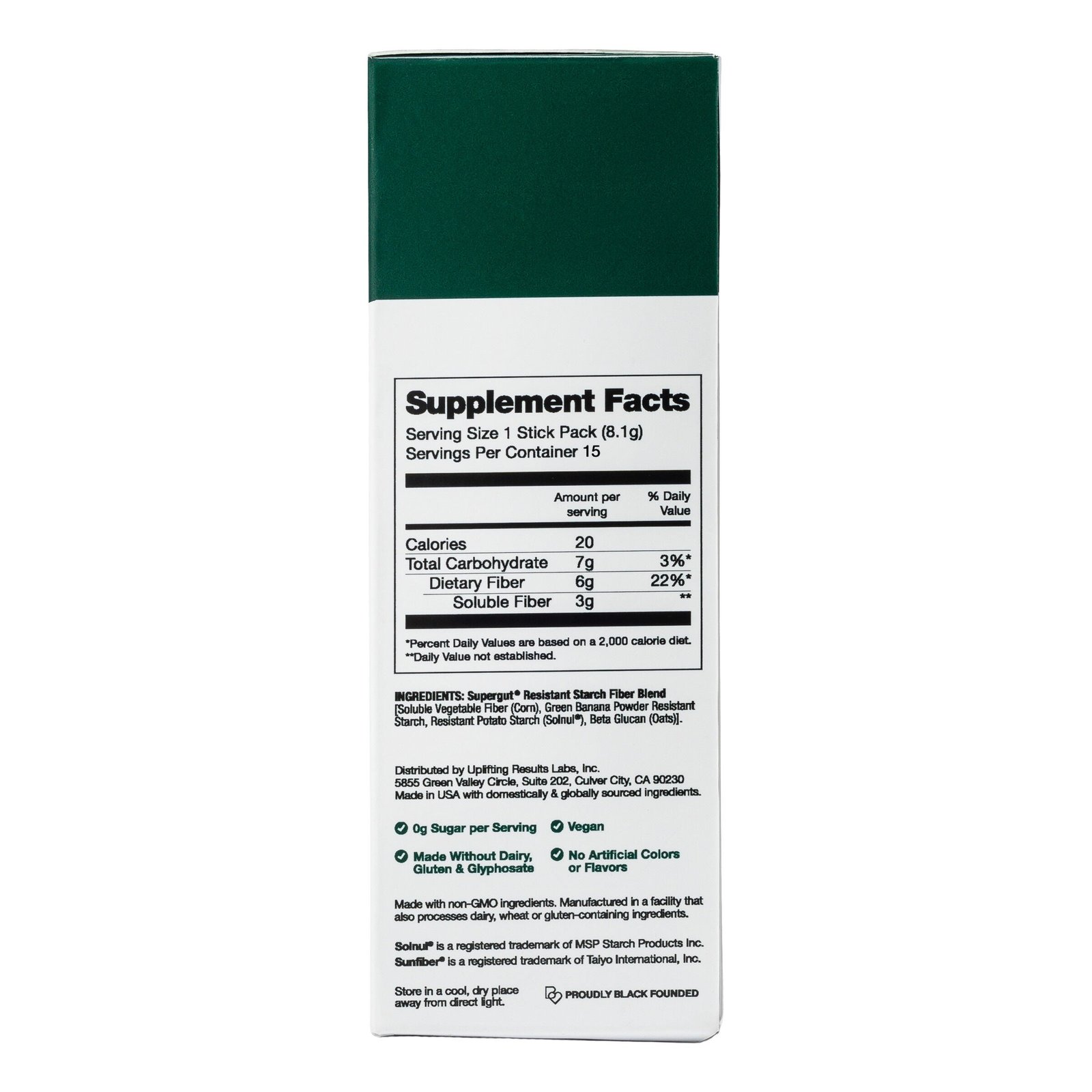
Keep claims and research questions specific
Copy the exact claim you want to investigate and identify what supporting information is offered. A general statement about digestion may not answer a question about the selected microorganism, ingredient, quantity, or finished combination.
When reviewing research, check the actual product or ingredient, relevant quantity basis, population, and outcome. Similar terminology should not be used to extend a narrow finding into a promise about every item carrying a related category name.
For individual suitability questions, use the complete product details with appropriate qualified guidance. A label comparison can identify facts and gaps, but it should not recommend a regimen solely from a claim, review score, or large printed number.
How should costs be compared?
Begin with candidates that meet your essential requirements. Record the selected price and confirmed labeled servings, then calculate cost per labeled serving. Keep formula differences beside the result rather than implying that every serving is interchangeable.
The following invented figures demonstrate price arithmetic only. They are not current offers, actual specifications, or suggested amounts to use. The table does not rank ingredient categories or establish effects.
| Hypothetical package | Item price | Labeled servings | Cost per labeled serving |
|---|---|---|---|
| Probiotic A | $24 | 30 | $0.80 |
| Prebiotic B | $18 | 30 | $0.60 |
| Combination C | $36 | 60 | $0.60 |
| Prebiotic B with $6 allocated delivery | $24 total | 30 | $0.80 |
Include applicable checkout charges consistently and retain the full order total. Record subscription, coupon, and multi-buy conditions. A promotional first price is not automatically the permanent cost of a recurring arrangement.
Consider the initial commitment as well as unit price. A larger package may be less expensive per serving while involving more money upfront or unfamiliar preparation. Read storage information and ask about available date details for offered stock where those affect your quantity choice.
Ask for the exact missing information
Include the product link, selected version, and the specific field you cannot confirm. Ask for a full microorganism list, a named ingredient amount, a blend explanation, a readable serving line, or matching current directions as appropriate.
If title, image, and description conflict, describe the disagreement directly. Ask which information applies to the offered item rather than choosing the detail that creates the most attractive comparison. Keep all inputs attached to one confirmed product.
Save the answer with its source and date. Revisit the record if you change variants. A manufacturer response about one version should not automatically be applied to a different formula simply because the brand name matches.
Review the actual order and package
Before checkout, confirm the selected formula, format, size, labeled servings, directions, and payable total. Update the comparison if a promotion or size changes the order basis. A previously correct calculation may no longer describe the selected option.
After delivery, compare the product identity, panel, ingredient statement, count, and package condition with your saved information. Retain relevant identifiers while resolving a question. A precise discrepancy is easier for the seller to investigate than a broad statement that the package looks different.
Keep original values and source wording beside calculations. This makes it easier to identify whether a problem arose from a copied unit, a different version, or an actual mismatch. Accurate notes can remain compact while still preserving the decision’s basis.
Frequently asked questions about probiotic and prebiotic labels
Are probiotic and prebiotic the same label category?
They describe different kinds of components. Read the actual ingredient statement and keep microorganism identities, CFU information, named ingredient masses, and full formula details separately identified.
Can CFU be compared directly with grams?
Do not treat those measurements as interchangeable. Keep the quantity type and unit attached to the relevant ingredient and serving basis. A guessed conversion would hide the meaning of the original disclosure.
Does a combination contain the same ingredients as separate products?
Check the exact finished formula. Similar names or purposes do not establish matching components or quantities. Preserve blend limitations and ask for missing information where necessary.
Is the biggest printed number the best comparison tool?
Use the actual identities, quantities, units, serving basis, and evidence relevant to your question. One headline number cannot supply a complete formula or personal suitability assessment.
Can a general claim choose a product for a condition?
A retail comparison does not provide the individual context needed for that decision. Retain complete labels and seek appropriate guidance when the question involves personal health circumstances.
What should a useful worksheet contain?
Keep exact product identity, component names, disclosed quantities and units, serving basis, full formula, directions, sources, dates, labeled servings, price conditions, and unanswered questions together. Preserve the original wording beside any calculations.