




Blog
Does this probiotic need refrigeration?

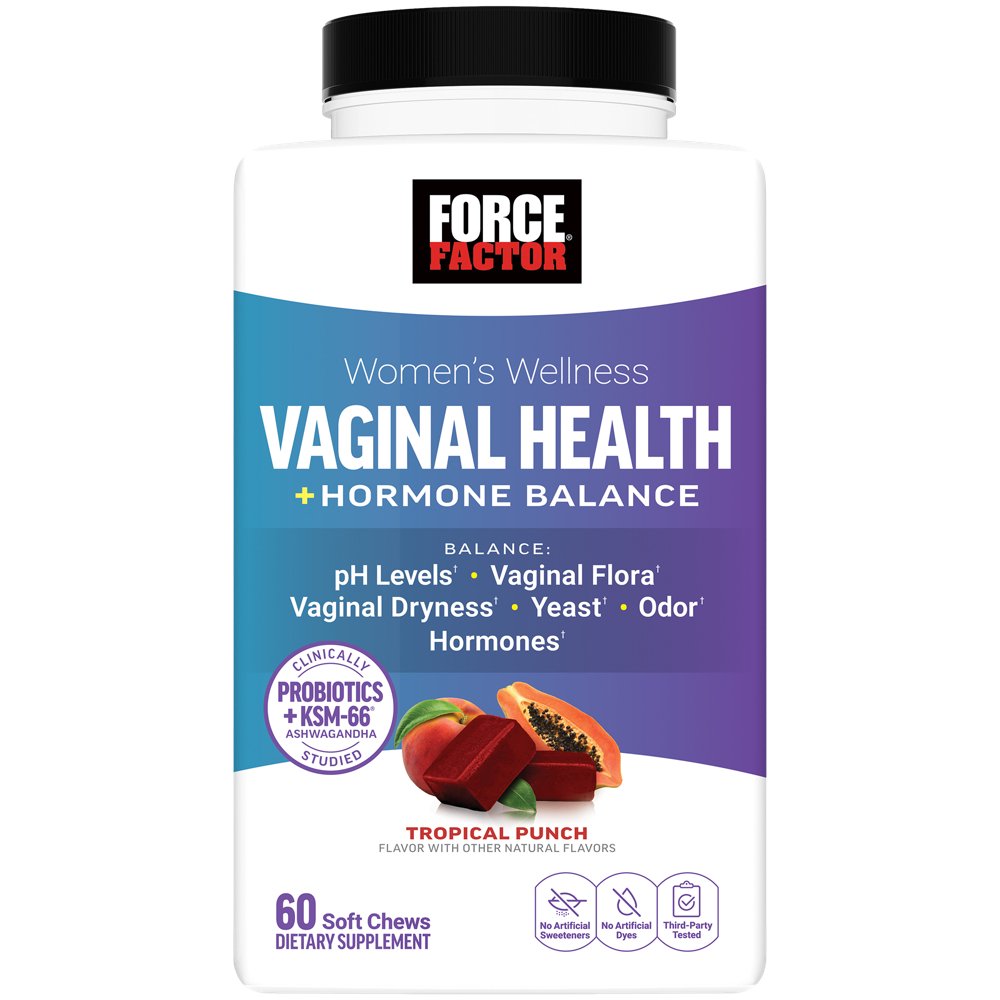
Check whether a probiotic needs refrigeration by reading the storage directions for the exact formula and package. Keep unopened storage, after-opening instructions, and any transport-related clarification separate. A general probiotic category name, a familiar brand, or another product’s instructions cannot establish the requirements of the item you intend to order.
This guide explains how to investigate storage information for digestive-health products. It covers current labels, manufacturer questions, package dates, delivery planning, practical storage space, and records to keep. It does not supply a universal temperature limit or determine the condition of an individual package without relevant information.
Start with the exact current directions
Find the storage statement on the package or matching manufacturer resource. Record it exactly, including any qualification about opening, temperature, moisture, or the container. A short retailer summary may omit part of the instruction, so obtain the complete statement where necessary.
The NIH Office of Dietary Supplements’ probiotic reference notes that storage requirements differ, with some products requiring refrigeration and others allowing room-temperature storage. The practical conclusion is to check the selected product rather than applying one rule to the entire category.
Record brand, complete product line, format, flavor where relevant, and size. Related formulas can have different directions. Keep every label and manufacturer answer attached to the exact version it describes instead of transferring instructions from a remembered purchase.
Separate unopened and after-opening information
Read whether the directions distinguish the sealed package from the opened product. If both stages are described, retain both statements. A condition for one stage should not automatically be rewritten as the instruction for every stage.
If the label addresses only one stage and another matters to your plans, ask the manufacturer for clarification. Include the exact product identity and quote the storage wording you can see. A precise question is easier to answer than asking whether probiotics in general belong in a refrigerator.
Keep the timing of opening in your own practical record if relevant. That record can help organize questions about an actual package, but it should not create a new use period or replace any date or instruction supplied by the manufacturer.
| Stage or question | Information to obtain | What to keep separate |
|---|---|---|
| Unopened package | Exact stated storage conditions | Instructions applying only after opening |
| Opened package | Any specific after-opening directions | Assumptions from another formula |
| Transport | Relevant product-specific clarification | Ordinary home-storage wording |
| Package date | Actual supplied date information | An old photograph or another lot |
| Container | Instructions concerning the supplied package | An improvised storage arrangement |
What does shelf-stable wording tell me to check?
Copy the exact phrase and look for its surrounding directions. A headline such as shelf stable should be read with the manufacturer’s complete storage information, rather than expanded into an unrestricted statement about every possible environment.
If a specific temperature range or condition is supplied, preserve it with the correct unit and stage. If the listing uses only broad wording, ask the manufacturer what the statement means for the exact product and setting you are investigating.
Do not turn a retailer’s short phrase into a transport guarantee. Home storage, time in transit, and an unusual exposure can raise different questions. Keep those questions explicit so the answer addresses the situation that actually matters.
How should I interpret room-temperature wording?
Use the manufacturer’s actual explanation rather than assigning a universal numerical range from memory. Different products and labels can supply different detail. If a range is given, keep the unit, limits, and any qualification visible in the record.
Consider where the product would actually be stored. A location described casually as indoors may still involve conditions you want clarified. Ask a specific question about the intended setting instead of assuming that a broad label phrase answers it automatically.
Avoid creating new instructions such as freezing or repackaging based solely on the idea that colder must be better. The useful purchasing task is to establish and follow the product-specific directions, not to invent an alternative handling method.
Check format without assuming it settles storage
Record whether the product is a capsule, chewable, gummy, powder, liquid, or another format. This helps identify the exact item and its handling steps, but format alone should not replace the written directions.
A combination product can contain probiotics alongside other ingredients. Read the storage information for the complete finished formula rather than borrowing a rule for one component or another product using a similar format.
If a brand sells several versions, confirm that the resource you found applies to the selected one. A package size, flavor, or formula change can make an apparently relevant page less useful unless the connection is established.
Keep CFU timing and storage wording together
When a label gives a CFU statement with a time-related qualification, retain that wording alongside the relevant storage directions. Do not omit conditions while copying a headline number into a comparison table.
Keep quantities, dates, and instructions as separate fields. A quantity claim does not by itself supply a complete handling rule, and a storage phrase does not disclose the individual microorganisms or their shares in a blend.
If the relationship between statements is unclear, ask the manufacturer to explain the exact formula. A general response about probiotic quality may leave the specific timing-and-storage question unanswered. Preserve that uncertainty instead of resolving it through assumption.
What should I ask before delivery?
Identify whether the product has a stated requirement that affects your order planning. Ask the seller what relevant handling information can be confirmed for the offered item, and ask the manufacturer about product-specific questions that the seller cannot resolve.
Keep a home-storage instruction separate from a claim about transport. If you are asking about a particular journey or exposure, describe the actual circumstances and request a relevant answer. Avoid treating a generic phrase as a guarantee for every route or duration.
Do not invent shipping practices on the seller’s behalf. A shopping guide cannot promise temperature-controlled transport, special packing, or a replacement policy unless those terms are actually confirmed for the order. Record the real answer and applicable order information.
What if the package arrives with an unclear handling history?
Document the exact product identity, package condition, available dates, and the relevant question. Contact the seller and manufacturer as appropriate with those details. A specific description is easier to investigate than a general statement that the package felt different from expected.
Do not estimate a CFU count or declare the contents acceptable solely from appearance, package temperature at one moment, or a remembered rule for another formula. The question requires relevant product-specific information and, where needed, appropriate qualified advice.
Keep the package identifiers available while resolving the issue. A lot reference, size, version, and order details can help distinguish the item from related products. Preserve the actual directions and any response rather than replacing them with an improvised rule.
| Unresolved situation | Focused question | Useful information to retain |
|---|---|---|
| Directions are incomplete | What are the complete instructions for this version? | Exact product and visible wording |
| Opening stage is unclear | Do different instructions apply after opening? | Manufacturer clarification |
| Transport question | What product-specific information applies to this situation? | Actual circumstances and response |
| Package mismatch | Does this label match the item ordered? | Photos, identity, and order reference |
| Unclear date | What date information applies to offered stock? | Confirmed package details |
How do dates affect a larger purchase?
Ask about available date information for offered stock when it affects the quantity you intend to buy. A date in an old retailer image or review does not establish the date on a future order. Keep that limit visible in the comparison.
Read the actual wording associated with a date. Package date information, a report issue date, and the date of a manufacturer answer can describe different events. Avoid combining them into a single expiry field without checking their meaning.
A larger package may reduce unit cost while increasing the initial commitment. Consider the exact storage requirements, available space, familiarity with the format, and date information alongside the price. A lower ratio does not settle those practical questions.
Compare practical storage fit before cost
Confirm that you can meet the relevant product-specific directions in the intended setting. This can be an essential requirement rather than a minor preference. A format that does not fit the available storage arrangement may need a different purchasing decision.
Keep convenience separate from claims about effects. A product can be easier to store or carry in a particular setting without that preference proving superior ingredients or outcomes. Record the actual reason for choosing an option.
If an essential instruction remains unclear, keep the product unconfirmed in the shortlist while investigating. A clearly specified alternative can be easier to evaluate than a cheaper listing with unresolved handling information.
How should prices be compared once requirements are clear?
Record the selected package price and confirmed labeled servings. Divide price by servings for a basic purchasing metric. Keep formula, organism identity, quantity basis, and storage requirements alongside the result rather than calling every serving equivalent.
The following figures are hypothetical budgeting examples. They are not current offers, actual product specifications, or recommended portions. They show how initial expense and serving cost can differ between packages.
| Hypothetical package | Item price | Labeled servings | Cost per labeled serving |
|---|---|---|---|
| A | $24 | 30 | $0.80 |
| B | $36 | 60 | $0.60 |
| C | $21 | 30 | $0.70 |
| B with $6 allocated delivery | $42 total | 60 | $0.70 |
Include applicable checkout charges consistently. Record coupon, subscription, and multi-buy conditions. A promotional first price should not be described as permanent recurring cost, and a bundle requires confirmed included products before its servings are combined.
If delivery requirements influence the actual available order options, compare the confirmed options rather than inventing a shipping method or charge. Keep the payable total and real terms visible alongside the item-only ratio.
Keep a useful storage record
Retain the exact product identity, label source, date checked, unopened directions, after-opening instructions, and any relevant manufacturer clarification. Add package date information separately and preserve unanswered questions.
Copy wording accurately rather than paraphrasing it into a broader promise. If a temperature range appears, retain the unit and context. If an answer describes only one version, keep that scope attached to it.
Review the selected option and actual package again when ordering or receiving a replacement. Related products can look similar, and a prior answer should not automatically be applied to a different formula. Update the record when the relevant information changes.
Frequently asked questions about probiotic refrigeration
Do all probiotics need refrigeration?
Use the exact product’s directions. Storage requirements differ, so a blanket rule for the whole category is not a reliable substitute for the matching current label and relevant manufacturer information.
Does shelf-stable mean every environment is acceptable?
Read the complete statement and surrounding directions. Preserve any conditions and ask about the specific setting that matters to your purchase rather than expanding a short phrase into an unrestricted guarantee.
Can I use another formula’s temperature instructions?
Keep instructions attached to the exact product and version. A similar format or brand name does not establish identical requirements. Request clarification if the selected item lacks the necessary information.
Does a CFU number provide storage directions?
Quantity and handling are separate fields. Record the CFU statement with its timing qualification and read the actual storage information independently. Ask how the statements relate when the wording is unclear.
What should I do with an uncertain delivery history?
Document the relevant facts and ask the seller or manufacturer for product-specific clarification. Avoid estimating the contents from appearance or applying a remembered rule from another item.
What is the best final check before ordering?
Confirm the exact formula, current directions, relevant opening-stage information, available dates, actual order options, labeled servings, and payable total. Resolve essential unanswered handling questions before relying on the comparison.