




Blog
What does the serving size on a multivitamin label mean?

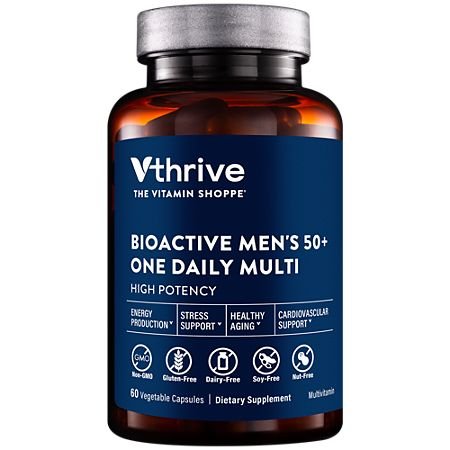
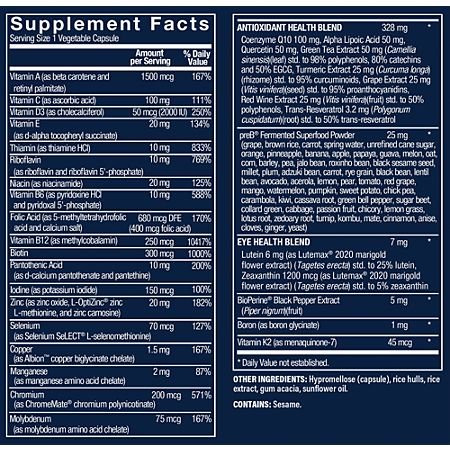
The serving size on a multivitamin label identifies the portion used to describe the quantities in the Supplement Facts panel. Read that line before comparing any nutrient amount or price. If the serving contains multiple capsules, tablets, or gummies, the panel’s per-serving figures belong to that full portion rather than automatically to one physical piece.
This guide explains how to interpret serving information while comparing multivitamins. It covers the difference between pieces and servings, how to trace a nutrient number to its basis, what package arithmetic can establish, and when to request clarification. It does not determine an individual’s nutrient requirements or recommend changing a product’s directions.
Where should I look first?
Find the heading Supplement Facts and the line identifying serving size. Read the unit as well as the number: capsules, tablets, gummies, packets, and measured liquid portions describe different formats. Then find the servings-per-container information and the package’s total contents.
The FDA dietary supplement labeling guide provides background on the information shown on supplement labels. For a purchasing comparison, the practical task is to keep each amount attached to the serving basis actually printed on the selected product.
Use a complete, readable panel. A promotional image may show only selected nutrients, and a retailer thumbnail may crop out the serving line. If the basis is missing, the number below it cannot support a confident comparison. Request a clearer image instead of guessing the omitted portion.
Does a serving mean one capsule?
Only when the exact label establishes that relationship. A bottle’s physical unit count and its labeled serving count are different fields. Read both rather than assuming that the larger number represents the number of labeled portions supplied.
Consider a hypothetical bottle containing 90 units with three units in a labeled serving. Simple arithmetic gives 30 labeled servings. Another bottle containing 60 units with two units in a labeled serving also represents 30 labeled servings. These invented counts illustrate package arithmetic, not directions for any pictured product.
Do not transfer a serving size from another formula. Products within one brand can differ in format, ingredient quantities, and directions. A remembered serving from an older purchase is not a reliable specification for a newly selected version.
| Label field | What it describes | What to avoid assuming |
|---|---|---|
| Physical unit count | Pieces stated for the package | Every piece is a full labeled serving |
| Serving size | Portion used by the panel | It is identical across products |
| Servings per container | Labeled portions represented by the package | It equals the largest number on the front |
| Amount per serving | Quantity on the stated portion basis | It describes one piece regardless of serving size |
| Directions | Manufacturer’s use information | A comparison calculation replaces these directions |
How do nutrient amounts relate to the serving line?
Read the column heading together with the serving-size line. If the panel reports an amount per serving, copy that wording into your notes. A nutrient number detached from its basis can make two products look equivalent when their portions or formulas differ.
Record the nutrient name, amount, unit, and any relevant form information. Keep the percentage Daily Value in a separate field if shown. Do not replace the amount with the percentage, and do not treat either figure as a personalized recommendation based only on the label.
If you are comparing several nutrients, create one row per nutrient. Avoid adding unrelated nutrient amounts into a single score. The number of rows or the sum of printed values does not establish whether a formula is suitable for an individual shopper.
Can I calculate an amount per piece?
Where the label clearly discloses an amount per serving and a count of pieces in that serving, division can produce an arithmetic average per piece. Keep the original value beside the calculation, identify the result as a calculated average, and preserve the unit.
That calculation does not measure an individual capsule or establish how a product should be used. It also cannot reveal the separate amount of an ingredient inside an undisclosed blend. Dividing a blend total changes the basis of the total; it does not disclose each component’s share.
For comparing purchases, a per-piece metric is useful only when it answers a clear question. It can explain why a physical unit price differs from a serving price, but it should not be presented as proof that one piece from each product is nutritionally interchangeable.
What if a label shows more than one column?
Read the heading above each column and note the portion it describes. Do not combine a value from one column with the serving basis of another. If a panel presents more than one basis, record which one you used for every comparison.
A column may be useful for explaining a particular preparation or portion, but its presence does not authorize a shopper to invent new directions. Keep label interpretation separate from a personal decision about supplement use. Where directions are unclear, ask for clarification rather than selecting whichever column creates an appealing number.
Check that the complete heading is visible in the image. A cropped photograph can leave several numbers without their explanatory labels. If you cannot identify which portion a column represents, treat the relevant quantity as unconfirmed until you obtain a readable panel.
Is serving size the same as package size?
No. Package size describes the contents of the container, while serving size identifies the portion used on the panel. A package can be described by a count, mass, or volume, depending on format. Those measurements should not be silently substituted for labeled servings.
For a liquid, record the package volume and the stated serving volume using their actual units. For a powder, record net weight and the portion basis. For solid pieces, record the physical count. Use the product’s own labeled serving information rather than trying to impose one format’s measurement on another.
Keep rounding or approximate counts visible if the label uses them. A calculation based on package contents can help identify a discrepancy, but it should not replace a stated serving count without investigation. If numbers do not agree, ask which information applies to the selected version.
How does serving size affect price comparisons?
Calculate cost per labeled serving by dividing the confirmed package price by the confirmed labeled serving count. Separately, you can calculate a physical unit price. Label these metrics clearly because they answer different questions and can rank packages differently.
The following figures are hypothetical examples. They are not current prices, actual product specifications, or personal use instructions. They illustrate why a lower price per piece does not necessarily produce a lower price per labeled serving.
| Hypothetical package | Price | Physical pieces | Pieces per labeled serving | Cost per labeled serving |
|---|---|---|---|---|
| A | $18 | 90 | 3 | $0.60 |
| B | $16 | 60 | 2 | About $0.53 |
| C | $21 | 120 | 4 | $0.70 |
Each invented package represents 30 labeled servings, despite different physical counts. The price comparison still does not establish equal formulas or equal nutrient quantities. Check the actual contents before treating a lower serving price as a reason to choose one item.
Include delivery and other applicable checkout charges consistently. If one price depends on a subscription, coupon, or multi-buy arrangement, record the condition. Compare the order you intend to place, not a conditional promotional figure for one option and an unconditional delivered total for another.
What should I do with a mismatch between title and panel?
Identify the precise disagreement. It may involve the package count, serving size, servings per container, or formula version. Include the selected product link and package option when asking the seller or manufacturer which information applies to the item being offered.
Do not resolve the problem by choosing the count that gives the lowest apparent price. A mismatch can indicate an old image, a different size, or incomplete listing information. Until clarified, it is a limit on the comparison rather than an opportunity to select a preferred interpretation.
Keep the answer with your notes and the date checked. If the selected option changes, revisit the supporting panel. The information for one size or version should not automatically be carried forward into a different purchase.
How should a useful comparison record look?
Keep the exact product identity, source link, date checked, package count, serving size, labeled servings, and selected nutrient amounts together. Add a field for unresolved questions. This makes the comparison easier to review and prevents quantities from different formulas being mixed accidentally.
Retain the original label values even if you calculate a common comparison basis. Write down the calculation rather than keeping only its final number. If a result looks surprising, you can then trace it back to the input and check whether the unit or serving basis was copied correctly.
A short, accurate comparison of two products is more useful than a large table with guessed values. Resolve the information needed for your actual decision first. There is no benefit in filling every cell when some of the underlying facts remain unknown.
| Unclear detail | Useful question | Why it matters |
|---|---|---|
| Serving line is cropped | Can you provide the complete current panel? | Establishes the amount basis |
| Counts disagree | Which count applies to the selected package? | Supports reliable price arithmetic |
| Several columns are visible | What portion does each column describe? | Prevents using the wrong figure |
| Formula version is unclear | Does this panel match the item being sold? | Prevents transferring unrelated quantities |
| Blend amount is shown | Are individual ingredient quantities disclosed? | Identifies the limits of a component comparison |
What should I verify after delivery?
Compare the exact product, format, package count, and label with the order information you saved. Read the actual directions and storage information before use. If the supplied panel differs from the one that supported the purchase, document the discrepancy and ask the seller for clarification.
Do not assume that a difference is merely cosmetic when it affects ingredient quantities or the serving basis. Conversely, do not infer a formula change solely from a different color or layout without checking the content. Describe the specific difference so that it can be investigated accurately.
Keep the relevant package information available while resolving a question. A product name, package size, and lot identifier where available can help distinguish related versions. Avoid discarding the information needed to identify the item before a mismatch is addressed.
Frequently asked questions about multivitamin serving size
Does the number on the front mean servings?
Read what the number describes. It may identify capsules, tablets, gummies, packets, or another package quantity. The labeled serving count is a separate field and should be confirmed before calculating a cost per serving.
Is a per-serving amount always a per-tablet amount?
Only when the exact label’s serving basis establishes that relationship. If a serving contains multiple pieces, the per-serving figure describes that stated portion. Keep the basis attached to the quantity instead of relabeling it automatically.
Can I compare two bottles by piece count alone?
Piece count can compare physical units, but it does not establish equal labeled servings or equal formula quantities. Read the serving information and nutrient amounts before drawing a conclusion about purchase value.
Does a serving calculation tell me what I personally need?
No. Label interpretation and price arithmetic do not determine individual nutrient requirements. Keep personal suitability questions separate and seek appropriate advice when deciding whether a supplement or combination is suitable for your circumstances.
What if the arithmetic does not match the listed servings?
Check for a copied number, unit, approximate statement, or different product version. If the discrepancy remains, ask which information applies to the selected package. Preserve the uncertainty rather than presenting a calculated guess as confirmed.
What is the most useful habit when comparing labels?
Read the serving line before every nutrient comparison. Keep the original amount, unit, and basis together in your notes. This simple practice prevents many errors involving package counts, per-piece averages, and price-per-serving calculations.