




Blog
How do I compare vitamin bottle sizes by number of servings?

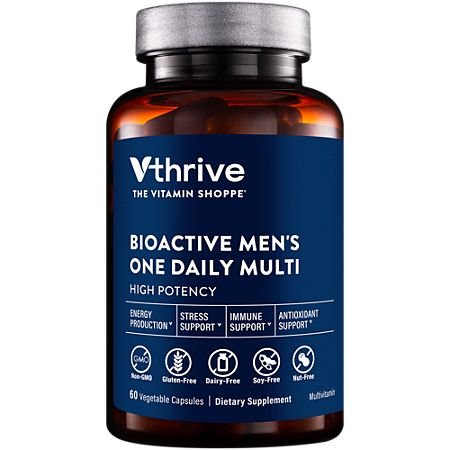
Compare vitamin bottle sizes by the number of labeled servings, not simply by the largest count printed on the front. A bottle containing more capsules or tablets may use a larger labeled serving. Read the exact formula, serving size, servings per container, and price together before deciding whether a larger package represents useful value.
This guide explains a practical way to compare multivitamin packages and other vitamin bottles. It covers physical counts, serving arithmetic, delivered cost, discounts, storage planning, and unclear listings. The worked figures are hypothetical shopping examples. They are not current offers, personal use instructions, or recommendations for a particular supplement amount.
Identify the exact bottle before comparing its size
Write down the brand, full product name, formula version, format, and package count. A small and large bottle may look like a simple quantity choice, but related products can have different formulas or directions. Confirm the match instead of relying on a familiar brand name or similar artwork.
Check whether the selected size matches the title and photographs. Some listings display several sizes or use a representative image. The photograph alone may not establish which bottle is included in the order. Use the selected option and its confirmed product information.
If you are comparing a different brand, treat formula differences as a separate part of the decision. Equal labeled serving counts do not establish equal nutrient lists or quantities. A price table should describe those limits rather than implying that every serving is interchangeable.
What counts as a physical unit?
A physical count may refer to capsules, tablets, caplets, gummies, softgels, packets, or another stated form. Record the exact unit. A count of 120 capsules and a count of 120 gummies describe equal numbers of pieces, but they do not establish equal portions or formulas.
Keep physical count separate from labeled servings in your comparison sheet. This prevents a large front-label number from being used accidentally as the denominator in a serving-cost calculation. It also makes it easier to identify which information is missing.
For a liquid or powder, package size can instead be stated by volume or mass. Do not treat ounces of powder, fluid ounces, and piece counts as interchangeable. Each format needs its own confirmed serving information before a meaningful package comparison can be made.
| Information | What to record | Why it matters |
|---|---|---|
| Product identity | Full name and formula version | Confirms whether sizes are actually comparable |
| Format | Capsule, tablet, gummy, liquid, or other form | Identifies the physical measurement |
| Package quantity | Count, net mass, or volume as stated | Describes total contents |
| Labeled serving | Exact portion and unit | Defines the basis for serving arithmetic |
| Labeled servings | Confirmed count for the selected package | Supports a price-per-serving calculation |
| Price conditions | Currency, offer terms, and order costs | Keeps the comparison consistent |
How do I calculate labeled servings from a piece count?
Where the information is clear, divide the physical count by the number of pieces in the stated serving. Compare the result with the label’s servings-per-container statement. This arithmetic can help check consistency, but it should not override a conflict without investigation.
For example, an invented 120-piece bottle with four pieces in a labeled serving represents 30 labeled servings. An invented 90-piece bottle with three pieces in a labeled serving also represents 30 labeled servings. The larger physical count does not produce more labeled portions in this example.
Use the manufacturer’s stated portion for interpretation rather than changing directions to make the package appear to last longer. A purchasing calculation describes disclosed information; it does not establish an appropriate amount for an individual or replace product directions.
What if the numbers do not divide neatly?
Check whether you copied the package count and serving size correctly. Look for a different version, a rounded statement, or an incomplete image. A mismatch is a reason to request clarification, not a reason to select whichever number gives the lowest apparent cost.
Record any qualification such as about where it appears on the package. Do not turn an approximate statement into an exact specification. If you calculate an estimate, label it as an estimate and keep the original values available for review.
For powders and liquids, a calculation from total contents may involve additional measurement assumptions. Prefer the confirmed label count where available, and ask about an inconsistency that affects your purchase. Do not estimate servings from the apparent dimensions of a scoop or bottle photograph.
How do I calculate cost per labeled serving?
Divide the selected package price by its confirmed labeled serving count. Use the same currency and purchasing conditions for every candidate. Keep the actual bottle price beside the calculated result so that both the initial expense and unit cost remain visible.
The table below uses invented package specifications and prices. It illustrates the difference between the number of pieces and the number of labeled servings. These figures do not describe the pictured product and are not directions about supplement use.
| Hypothetical bottle | Physical pieces | Pieces per labeled serving | Labeled servings | Item price | Cost per labeled serving |
|---|---|---|---|---|---|
| A | 60 | 2 | 30 | $18 | $0.60 |
| B | 120 | 4 | 30 | $21 | $0.70 |
| C | 90 | 1 | 90 | $36 | $0.40 |
Bottle C has the lowest calculated serving price in this invented example, but the table does not establish equivalent nutrient quantities or suitability. A one-piece serving is not automatically equivalent to a multi-piece serving from another formula. Compare the actual labels before choosing on price.
Avoid calculating a single cost per nutrient by adding unrelated quantities together. Different vitamins and minerals do not form an interchangeable combined mass score. If you investigate the cost of a particular disclosed nutrient, keep that narrow calculation separate from the overall formula comparison.
How should delivery and checkout costs be included?
Compare the order you actually intend to place. If a bottle is purchased alone, delivery can materially change its effective cost. Add applicable charges consistently rather than comparing one item-only price with another delivered total.
Suppose a hypothetical bottle costs $24 and provides 60 labeled servings. Its item-only cost is $0.40 per labeled serving. If $6 delivery applies to that single-item order, the $30 total corresponds to $0.50 per labeled serving. This is a budgeting illustration, not a live price.
Where several items share delivery, explain any allocation you use. An allocated share is a comparison assumption rather than a fixed product charge. Also compare the full order total: adding products solely to reach a delivery threshold can reduce a fee while increasing the money spent overall.
Does a larger bottle always save money?
A larger bottle can have a lower unit cost, but check the actual figures. The package may differ in formula, promotional conditions, or labeled serving size. A larger physical count alone does not establish a lower price per comparable serving.
Consider the initial outlay and whether the exact product is familiar. A smaller first purchase may suit a budget or reduce commitment to an unfamiliar format, even if its calculated unit price is higher. This is a personal purchasing tradeoff rather than proof that smaller packages are always better.
Review storage directions and available date information before buying a large quantity. Do not assume a shelf life from another brand or an old customer photograph. Ask what can be confirmed for the stock being offered if that information affects your choice.
How do discounts and subscriptions change the comparison?
Record the conditions attached to every promotional price. A coupon may require eligibility or a minimum order. A multi-buy offer may involve particular sizes. A subscription may have an initial reduction and different recurring conditions. These are different arrangements and should be compared transparently.
Do not present an introductory price as the permanent cost of a recurring purchase. Review the relevant terms before treating that arrangement as your chosen comparison basis. If you want a one-time purchase, compare one-time prices rather than allowing a subscription headline to distort the table.
For a bundle, confirm exactly which bottles, sizes, and quantities are included. An illustrative group photograph is not a complete contents list. Calculate the combined labeled servings only after the individual package information has been established.
| Offer type | What to confirm | Mistake to avoid |
|---|---|---|
| Larger bottle | Exact formula and labeled servings | More pieces always means more servings |
| Multi-buy | Included sizes, quantities, and price | Every pictured item is included |
| Coupon | Eligibility and qualifying conditions | The headline price applies to every buyer |
| Subscription | Initial and recurring conditions | The first price is permanent |
| Shared delivery | Full order and any allocation method | An assumed share is a fixed bottle fee |
What if two bottles use different serving sizes?
Preserve the difference in your table. Calculate each product’s own cost per labeled serving, then examine the formula and quantities separately. Do not call the serving-price result a comparison of equivalent nutrient amounts unless the labels genuinely support that narrower conclusion.
If you calculate a common basis for a particular nutrient, use only disclosed information and show the units. Keep the original serving values beside the calculation. This helps prevent a mathematically precise result from hiding an unsupported assumption about the formula.
A useful comparison can remain incomplete when disclosure differs. Mark an unavailable amount as undisclosed rather than inventing a value to fill the table. Clear limits are more helpful than a complete-looking ranking built from guesses.
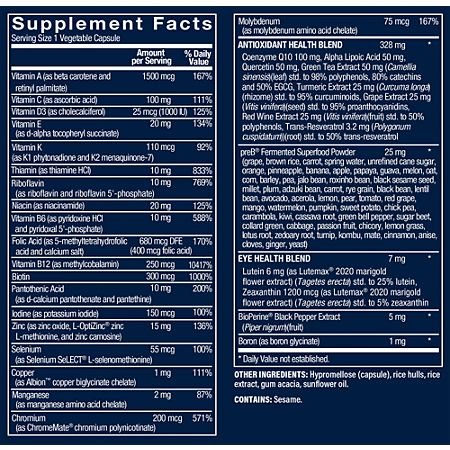
What questions should I ask about an unclear listing?
Ask for the specific missing detail with the exact product link and selected size. That might be a readable panel, the physical count, labeled servings, or confirmation that two bottle sizes share the same formula. A focused request is easier to resolve than asking generally which bottle is best.
Describe conflicts precisely. If the title and photograph show different counts, mention both and ask which applies to the offered item. Do not combine the larger count from one source with the lower price from another to construct a package that may not exist.
Save the response with the date and product identity. Recheck the selected option before checkout, especially if you changed sizes while browsing. When the order arrives, compare the actual package and label with the information that supported the purchase.
Frequently asked questions about vitamin bottle sizes
Does a 120-count bottle always contain more servings than a 60-count bottle?
No. Read the labeled serving size for each exact product. Different numbers of pieces per serving can change the relationship between physical count and labeled servings. Formula differences also remain relevant after the arithmetic is complete.
Is cost per capsule the same as cost per serving?
Only when the label’s serving basis establishes that relationship. Otherwise they are distinct metrics. Label each clearly and do not use a low physical unit price to imply an equally low serving price without checking.
Can I estimate servings from the bottle’s size?
Do not use its appearance as a substitute for disclosed contents. Packaging dimensions and a photograph do not establish physical count, serving size, or nutrient quantities. Use the actual label or request confirmation.
Should I always choose the cheapest unit cost?
Establish that the formula and package meet your requirements first. Then consider unit cost alongside the initial expense, order charges, format, storage plans, and available information. One number does not describe every aspect of a useful purchase.
What if two sources show different counts?
Ask which count applies to the selected product and offered stock. Preserve the uncertainty until clarified. Choosing the more attractive number without confirmation can undermine every calculation based on it.
What is the simplest reliable comparison record?
Keep the exact product, package count, serving size, labeled servings, price conditions, and unresolved questions in one place. Retain the original inputs alongside calculations. This makes the comparison easier to check before ordering and after delivery.