




Blog
How do multivitamin gummies and tablets compare by nutrients?

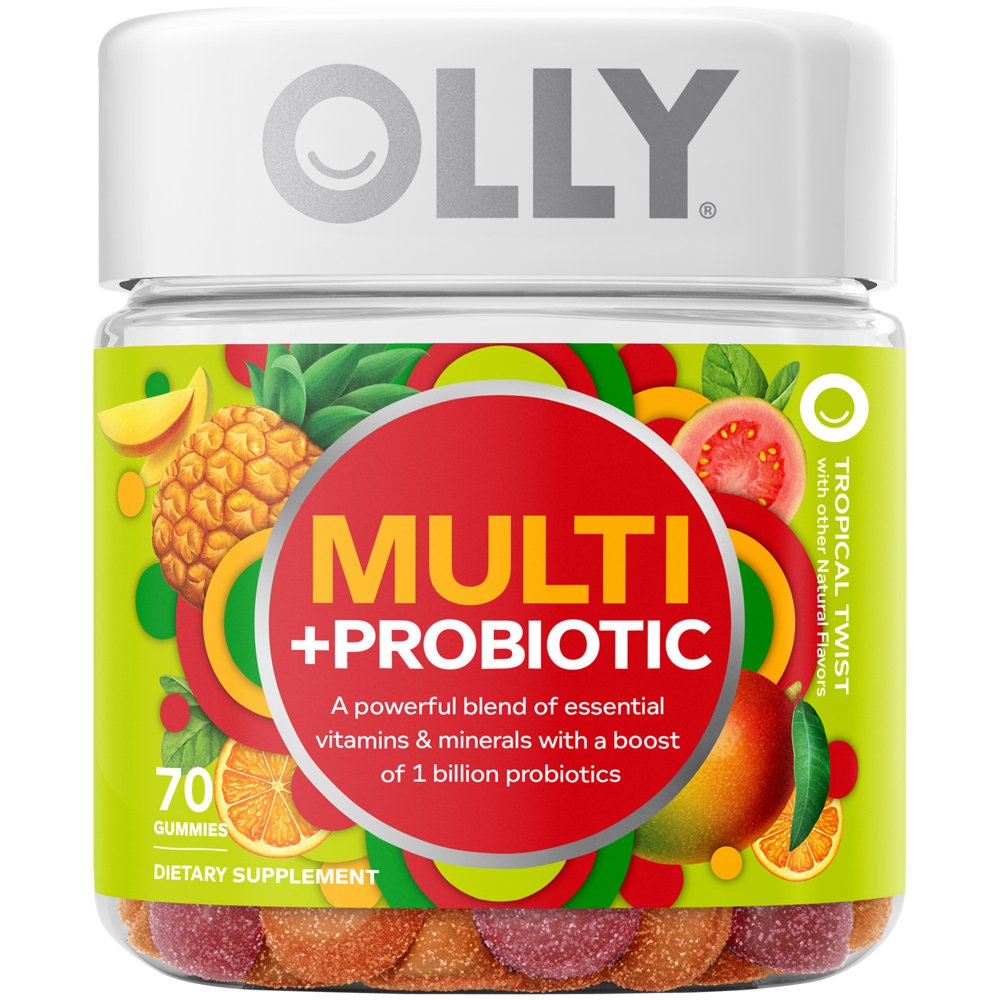
Compare multivitamin gummies and tablets by their exact nutrient lists, disclosed amounts, serving sizes, and other ingredients. Format alone does not tell you whether two products provide the same formula. A gummy and a tablet with related branding can differ in what they contain, how many units make up a labeled serving, and the number of servings in the package.
This guide explains a practical comparison method for multivitamins. It covers nutrient tables, missing information, flavor and ingredient preferences, package quantities, price, and common questions. It helps organize a purchase decision without recommending a personal nutrient intake or assuming that one format is best for everyone.
Start with the same purchasing question
Define what you want to compare before opening several product pages. You might be checking whether a specific nutrient is included, comparing package value, looking for an ingredient statement that meets your requirements, or considering a different format. These are distinct questions, and one attractive feature should not silently answer all of them.
Choose products intended for the same broad comparison where possible. Do not compare a children’s gummy with an adult tablet and treat the difference as evidence about gummies in general. Likewise, a combination gummy with additional ingredients should not automatically represent every product in that format.
Record the exact brand, product line, version, flavor, and package count. Keep these details attached to every label you use. A familiar brand name or similar color scheme does not establish that a different version has the same nutrient list.
What do the labels actually include?
Make one row for each nutrient you are investigating and one column for each product. Copy the stated amount and unit on the label’s serving basis. Add a separate field for the percentage Daily Value where shown rather than replacing the amount with the percentage.
Mark a nutrient as not listed when it is absent from the panel you are reviewing. Do not automatically rewrite that as a laboratory-confirmed zero amount. A shopper’s comparison should accurately describe what the label discloses, with any uncertainty preserved.
If a particular nutrient is essential to your purchasing question but the panel is unreadable or incomplete, request a clear current label. Do not use a short front-label claim as a substitute for a full comparison. A headline may mention selected nutrients without describing the whole formula.
| Comparison field | Gummy product | Tablet or caplet product |
|---|---|---|
| Exact identity | Full formula, flavor, and package count | Full formula and package count |
| Serving size | Stated number of gummies | Stated number of tablets or caplets |
| Nutrient amount | Number and unit per labeled serving | Number and unit per labeled serving |
| Percentage information | Percentage shown on the panel, where available | Percentage shown on the panel, where available |
| Other ingredients | Complete statement for the selected variant | Complete statement for the selected variant |
| Package value | Price and confirmed labeled servings | Price and confirmed labeled servings |
Why does serving size matter so much?
Read the serving-size line before comparing a nutrient number. A labeled serving can contain more than one gummy or tablet. The amount shown for that serving does not automatically describe one physical piece. Copying the amount without its basis can make two formulas appear more similar or different than the labels actually show.
Keep physical unit count separate from labeled serving count. A bottle containing more pieces can still provide fewer labeled servings if its stated serving includes more units. Use the confirmed serving count for a cost-per-serving calculation rather than choosing whichever package count is largest.
Do not change product directions merely to make a comparison match. If you calculate a per-piece average from disclosed information, identify it as arithmetic and retain the original serving values. A purchasing worksheet should describe the labels, not become an instruction about what amount to use.
How should I handle nutrient units?
Keep every number attached to its unit. Milligrams and micrograms are different measurements: one milligram equals one thousand micrograms. A larger printed number can represent less mass when the units differ. Convert only when the meaning and basis of each figure are clear.
Some label expressions require more context than a simple mass conversion. Preserve the original wording rather than guessing how to compare an unfamiliar unit or equivalent. If the specific nutrient comparison depends on that distinction, consult authoritative nutrient information or ask a qualified professional.
Do not create a total score by adding unrelated quantities. Different nutrients are not interchangeable points, and a sum of their printed numbers does not provide a meaningful ranking of the products. Compare each relevant nutrient on its own disclosed basis.
What about a nutrient that appears in only one formula?
First confirm that you have complete labels for both products. A cropped image or a short retailer description can make an ingredient appear absent when the actual panel has not been reviewed. Use the matching current label for the selected version before recording the difference.
Then describe the difference precisely: one panel lists the nutrient and the other does not list it. Do not generalize from two examples to every gummy or tablet. Formulas can differ within the same format, brand, or product family.
If inclusion of that nutrient matters to a personal requirement, investigate the individual question rather than assuming that the longer list is automatically preferable. A retail comparison can establish disclosed differences, but it cannot determine a person’s needs from ingredient count alone.
Which other ingredients should I compare?
Read the full ingredient statement for each product. For a gummy, flavoring, sweetening, color, and texture-related ingredients may be part of your purchasing question. For a tablet or caplet, coatings and other formulation ingredients may matter. Investigate the actual formula rather than assuming a format supplies the answer.
Keep different claims separate. A particular flavor does not identify every sweetening ingredient. A dietary statement about one component does not automatically establish a certification for the finished product. If a claim matters to you, check its exact wording and supporting information for the selected item.
When the question concerns allergens or another personal suitability requirement, missing information should remain unresolved until it is clarified. Do not infer suitability from a product’s appearance, a familiar flavor, or the absence of a warning in a small thumbnail. Request a complete label where necessary.
Does taste tell me anything about nutrient content?
Taste preference is a separate purchasing consideration from nutrient quantity. A pleasant flavor does not establish a particular formula, and an unappealing review does not prove a label is inaccurate. Keep subjective comments in a different part of your comparison from disclosed specifications.
Reviews can help you identify questions about flavor or texture, but check whether the reviewer used the same version. A different flavor, package, or older formula may not describe the product you are considering. Specific descriptions are generally easier to evaluate than a star rating without context.
Consider whether you have tried the exact product before buying a larger quantity. A smaller initial purchase can reduce the commitment to an unfamiliar flavor, even if its cost per labeled serving is higher. That is a budgeting preference rather than a rule that smaller packages are always better.
How do tablets and caplets fit the comparison?
Use the manufacturer’s own format description rather than treating every solid product as identical. A product may be described as a tablet, caplet, capsule, or another form. Record the actual format alongside its directions and formula when deciding whether it meets your requirements.
Do not infer ingredient amounts from physical size. A large tablet does not prove that it contains more of the nutrient you are investigating, just as a larger gummy does not establish a larger nutrient quantity. The panel provides the disclosed amounts on a stated basis.
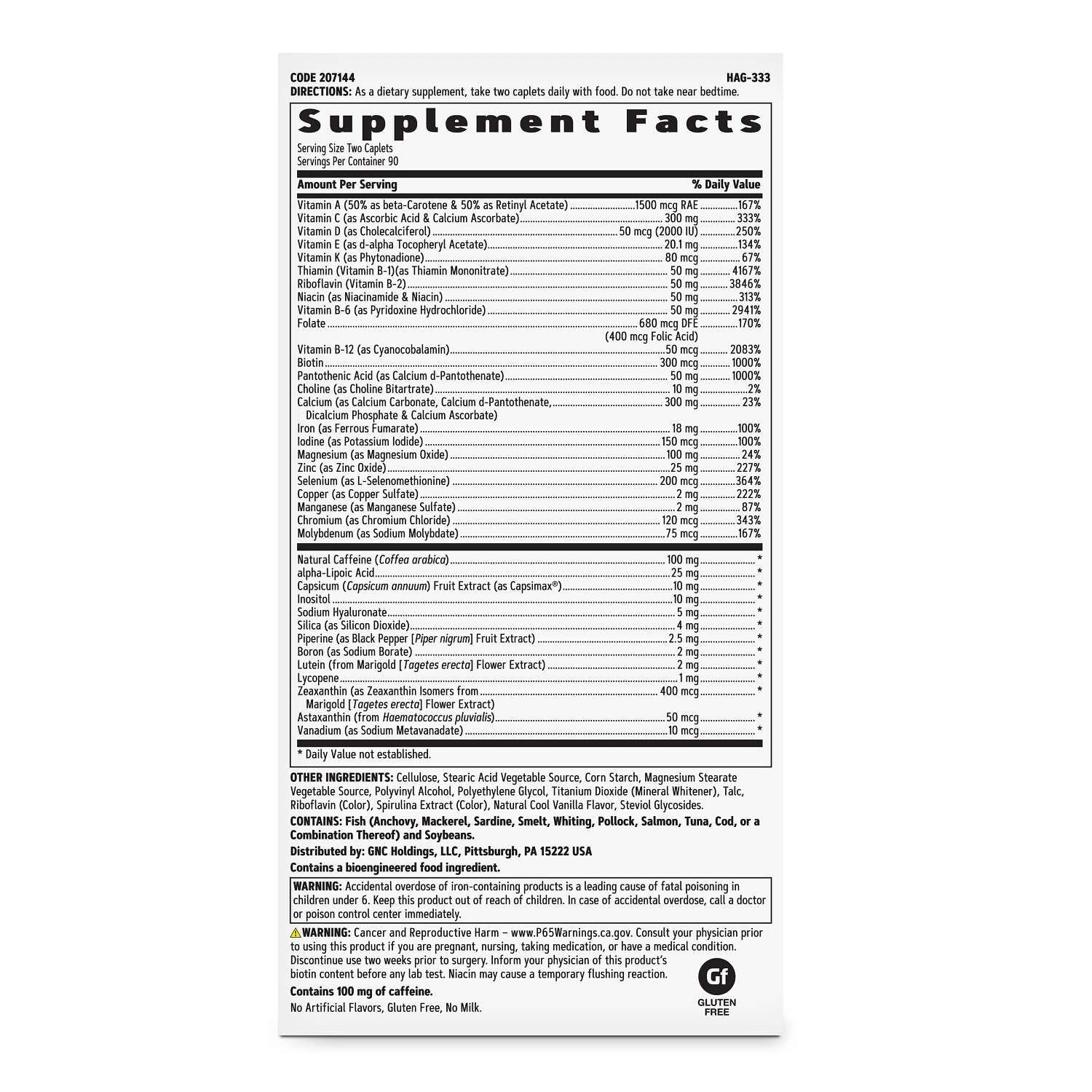
The package panel below illustrates a caplet-format product. It is not presented as a matched equivalent to the gummy pictured earlier. Compare their actual versions, complete ingredients, and labeled servings before making any numerical judgment.
What does a fair price comparison look like?
Divide the confirmed package price by the labeled serving count. Use the same currency and purchasing conditions for both options. This gives a cost-per-labeled-serving comparison, but it does not imply that the servings provide identical nutrients or quantities.
The table below uses invented prices and counts. These are arithmetic examples, not current offers or specifications for the pictured products. They show why a lower bottle price does not always mean a lower cost per labeled serving.
| Hypothetical option | Item price | Labeled servings | Cost per labeled serving |
|---|---|---|---|
| Gummy example A | $18 | 30 | $0.60 |
| Tablet example B | $24 | 60 | $0.40 |
| Gummy example C | $20 | 40 | $0.50 |
| Example B with $6 allocated delivery | $30 total | 60 | $0.50 |
Do not use this type of table to declare an entire format cheaper. It compares the specific inputs shown. Actual package sizes, formulas, order charges, and promotions can change the result. Establish the relevant product differences before using price to choose between candidates.
If a discount requires a subscription or multi-buy order, record those conditions. A first-order price should not be treated as a permanent recurring price. Include applicable checkout charges consistently and compare the actual order you intend to place.
What if labels or product pages disagree?
Identify the precise conflict. It might involve package count, serving size, flavor, nutrient amount, or formula version. Include the selected product link and relevant photographs when asking which information applies to the offered item.
Do not resolve a conflict by copying the preferred figure from each source. That can create an attractive specification that no single product actually claims. Keep the comparison incomplete until the missing information is confirmed or choose a clearer alternative.
Save the answer with the product identity and date checked. Revisit the comparison if you change the selected version or package size. When the order arrives, compare the actual label with the information that supported the purchase and contact the seller about a mismatch.
| Unclear point | Useful question | What to avoid assuming |
|---|---|---|
| Serving size differs across sources | Which serving basis applies to this exact version? | All versions use the same portion |
| Panel is cropped | Can you provide the complete current label? | A missing row proves a confirmed zero amount |
| Package count conflicts | What count is included in the selected order? | The largest pictured bottle is the item selected |
| Additional ingredient is unclear | What does the complete ingredient statement say? | Format alone establishes its presence or absence |
| Promotional price is conditional | What are the conditions and payable total? | Every buyer receives the same price |
Frequently asked questions about gummy and tablet comparisons
Do gummies always contain fewer nutrients?
Do not generalize from format alone. Compare the complete labels of the exact products. A specific gummy and tablet can differ, but that difference does not establish the contents of every other formula in either category.
Does one gummy equal one tablet?
Not as a general comparison unit. Read each product’s labeled serving and disclosed quantities. Physical pieces do not automatically represent equal nutrient amounts or equivalent formulas, even when the packages have related names.
Is the larger percentage automatically better?
Avoid ranking a formula solely by its largest printed percentage. Record the nutrient amount, unit, and serving basis accurately. Individual suitability requires more context than a comparison of headline numbers on retail packages.
Can I use flavor reviews to compare nutrient quantities?
No. Reviews can describe subjective preferences, while nutrient quantities should come from the exact current label or relevant confirmed product information. Keep those two types of evidence separate in your notes.
What if I cannot read the panel clearly?
Request a readable current panel for the selected version. Do not guess the number or unit from a blurry image. Mark the relevant field unconfirmed until you have information that can support an accurate comparison.
What should I check immediately before ordering?
Confirm the exact formula, flavor, format, package count, labeled servings, relevant ingredients, and payable total. Make sure the selected option matches the label you reviewed. Keep the information needed to check the delivered package against your order.