




Blog
What ingredients are included in a daily vitamin pack?

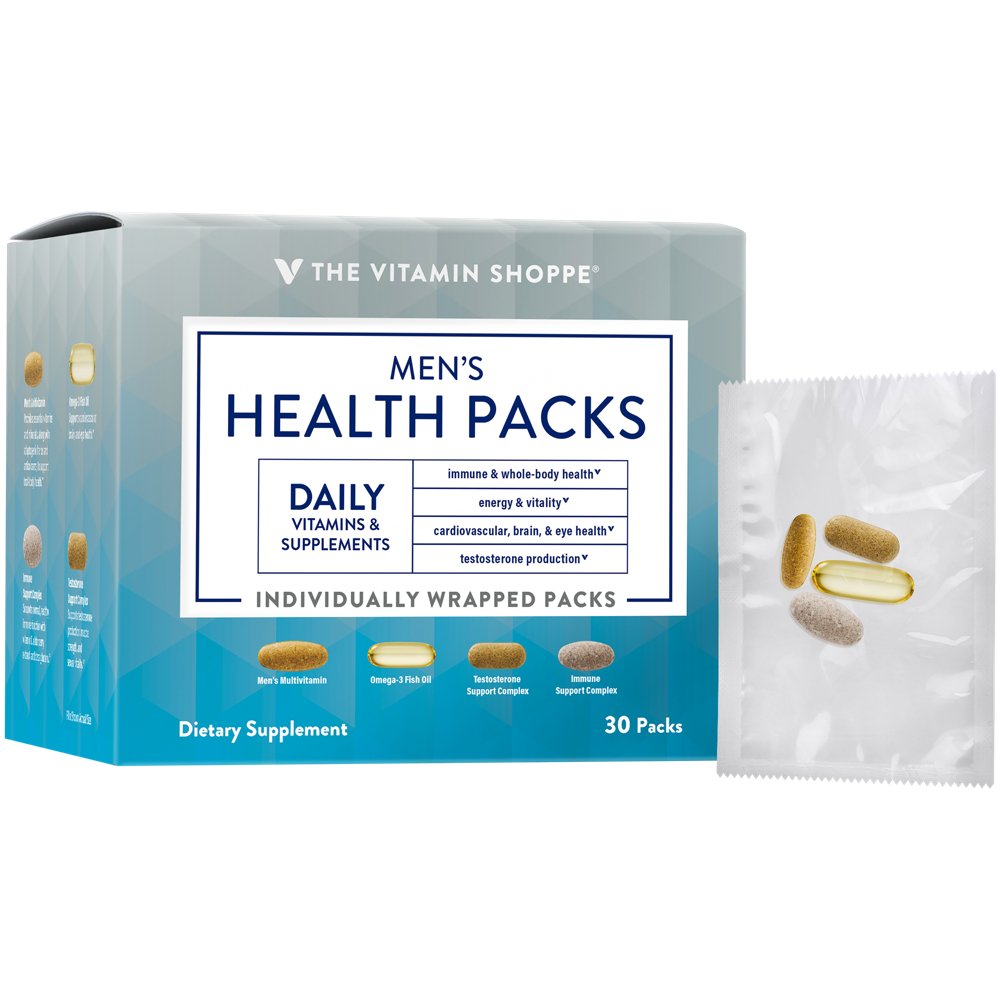
A daily vitamin pack should be evaluated by its exact contents, not by the word daily or the number of pieces visible in a photograph. Identify every included component, read the relevant Supplement Facts information, and confirm what the manufacturer defines as a serving. A packet may be a convenient package format, but packaging alone does not establish a complete or personally suitable formula.
This guide explains how to investigate vitamin packs while browsing multivitamins. It covers contents lists, component labels, nutrient overlap, packet counts, preparation, price, and questions to ask when information is incomplete. It is a purchasing guide, not an instruction to take every product in a pack or a determination of individual nutrient needs.
What kind of pack is being offered?
First distinguish a packet containing several tablets or capsules from a stick pack of powder and from a bundle of separate bottles. These formats may all appear in searches involving packs, but they involve different contents and preparation. Read the product title and description rather than identifying the format from the word pack alone.
Record the brand, complete product line, selected version, package count, and format. If a range has several versions, confirm which one is selected. Similar names or artwork do not establish that all versions contain the same components or amounts.
Check whether the package photograph matches the title. If a listing describes individual daily packets while the image appears to show a different format, request clarification. Do not turn a general product-family image into a confirmed inventory of what your order includes.
What is actually inside each packet?
Look for an explicit contents list. A photograph of differently colored tablets or capsules does not reliably identify each component. Record the name and physical count of every included component as described by the manufacturer, along with any component-specific label or quantity information.
Do not assume that every pack contains a multivitamin plus the same additional products. The exact formula can vary. A phrase describing general wellness or a particular routine does not establish which vitamins, minerals, oils, botanicals, or other ingredients are included.
Separate confirmed contents from unanswered questions. If the product page names several components but omits a readable panel, note what remains unknown. The goal is to know what the package actually supplies before comparing price or deciding whether the format fits your requirements.
| Information to establish | Where to look | What a photograph alone cannot confirm |
|---|---|---|
| Format | Full title and product description | Whether it is a pill packet, powder stick, or bottle bundle |
| Component identity | Explicit contents list | Ingredient identity from color or shape |
| Component count | Manufacturer’s stated packet contents | Whether every pictured piece is included |
| Nutrient quantities | Relevant Supplement Facts information | Amounts from the appearance of a tablet |
| Package quantity | Selected box count and serving information | That an illustrative arrangement shows the order quantity |
Is one packet the same as one labeled serving?
Read the serving information rather than assuming a relationship. A product may organize directions or label panels around a packet, a component, or another stated basis. Confirm what each quantity describes before recording or comparing it.
If the label describes separate components, keep their serving bases visible. An amount shown for one component should not automatically be interpreted as the total for the whole packet. Likewise, a packet total should not be copied into a record as the amount in each individual tablet or capsule.
Check the packet count alongside the labeled servings per container. If the numbers or directions appear inconsistent, ask which information applies to the selected product. Do not resolve a mismatch by choosing whichever count creates a lower cost per serving.
How should I read several component panels?
Create a separate row for each component and record the amount basis before copying nutrient quantities. This prevents information from one panel being attributed to another. Keep the original wording and units available so you can trace each figure back to its source.
If you are investigating a particular nutrient, note whether it appears in more than one component. A combined calculation is only meaningful when the relevant amounts and serving bases are clear. Do not add unlike units or totals from different preparation assumptions without resolving those differences.
The NIH Office of Dietary Supplements’ multivitamin information explains that formulas vary and discusses interactions and the possibility of excessive intake when nutrient sources are combined. A packet format does not remove the need to consider the full contents and a person’s other products when seeking suitability advice.
For a personal question about overlapping nutrients or medicines, bring the complete labels to a qualified professional. A shopping worksheet can organize the information, but it cannot establish whether a particular combination is appropriate for an individual.
What should I record about additional ingredients?
Look beyond the vitamin and mineral headings. Record other disclosed ingredients and any blend descriptions that matter to your comparison. If individual component quantities are not provided, keep that limitation visible instead of dividing a blend total equally or assigning it entirely to one ingredient.
Review other ingredients for each relevant component where the information is supplied. Capsule materials, coatings, flavor ingredients, and other formulation details may matter to a particular purchasing requirement. A statement about one component should not automatically be extended to every piece in the packet.
Check any dietary or allergen statement against the exact finished product. Do not infer a complete certification from a single ingredient description or the appearance of the packaging. If an essential requirement remains unclear, ask for specific product information before relying on the claim.
Does the number of components show how good the pack is?
A larger component count does not by itself establish suitability, ingredient quality, or value. It may simply describe a different formula or physical arrangement. Compare what each component contains and whether the information answers your requirements.
Do not score a packet by adding unrelated nutrient quantities together. Milligrams of one ingredient and micrograms of another do not form a meaningful combined total. Even a count of listed ingredients leaves out their quantities, forms, and relevance to the question you are investigating.
A practical shortlist can favor clear disclosure and a manageable format without making claims about health outcomes. If you cannot identify the contents of one pack, that uncertainty belongs in the comparison. More pieces should not compensate for missing information.
How are powder stick packs different?
A powder stick pack is a different format from a packet containing tablets or capsules. It can require mixing and may have flavor ingredients or other components specific to that formula. Read the directions and complete label before treating it as an alternative to a daily pill packet.
The stick-pack example below illustrates why format and formula should be checked separately. It is not presented as nutritionally equivalent to the packet product pictured earlier. Compare the exact disclosed ingredients and serving basis of each item rather than treating portable packaging as a complete specification.
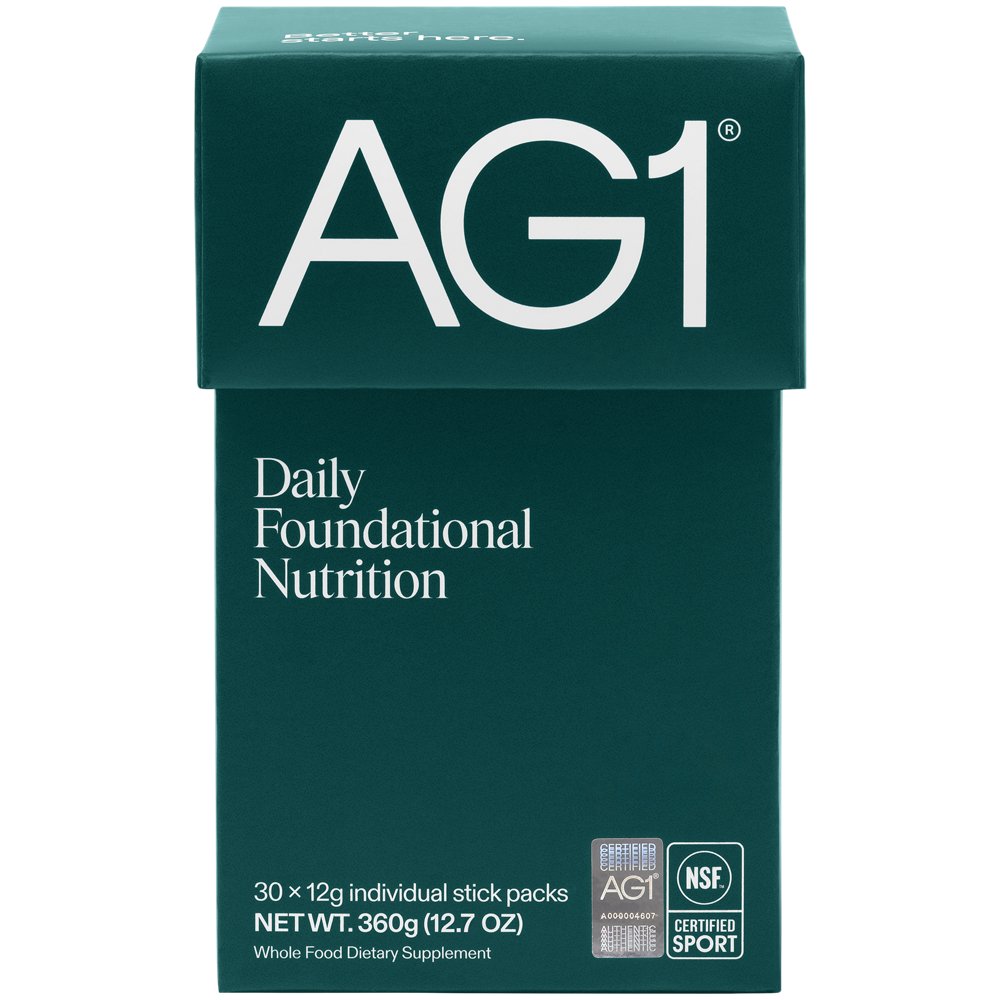
Think about where you expect to prepare the product and what equipment is available. Mixing water, a suitable container, measuring steps, opening several pieces, and carrying packaging are practical considerations. Convenience can influence a purchase without proving a nutritional advantage.
What does a fair cost comparison include?
Start with the confirmed package price and labeled serving count. If you also calculate cost per packet, label it separately and confirm what one packet contains. These figures may coincide for a particular product, but do not assume they do before checking.
The following prices and counts are invented examples for arithmetic only. They are not current Sprinkles Menu offers or specifications for the pictured products. The table shows why package price alone can give an incomplete view of cost.
| Hypothetical package | Item price | Confirmed labeled servings | Cost per labeled serving |
|---|---|---|---|
| Pack A | $30 | 30 | $1.00 |
| Pack B | $24 | 20 | $1.20 |
| Pack C | $42 | 60 | $0.70 |
| Pack A with $9 allocated delivery | $39 total | 30 | $1.30 |
The lower number does not prove an equivalent formula or a better purchase. One pack might include different components or quantities. Compare cost after establishing what is included, then keep formula differences visible rather than presenting the table as a universal ranking.
Include applicable order charges consistently. Record coupon, subscription, or multi-buy conditions when they affect the price. A first-order reduction should not be described as the permanent cost of a recurring purchase, and a bundle calculation should use the actual confirmed contents.
How should I compare a packet with separate bottles?
Begin by identifying the exact components in the packet and the exact standalone products under consideration. Similar names do not prove identical formulas or quantities. If you cannot establish a meaningful match, describe the alternatives without claiming a direct equivalent-price calculation.
For a budgeting scenario, list the quantities of each separate product that would need to be purchased and the actual payable total. Separate bottle sizes may leave different amounts unused at a particular point in time. Keep any usage assumptions explicit rather than presenting them as verified directions.
Consider the practical tradeoff as well as the price. A prearranged packet and several separate containers involve different storage and handling. Neither arrangement is automatically preferable for everyone, and convenience should not be used as evidence that a combination is personally appropriate.
What should I check about storage and package condition?
Read the manufacturer’s directions for the exact product, including storage information. Do not assume that an individual packet makes the contents suitable for every temperature or storage setting. The outer package may contain information not repeated in full on each packet.
If you plan a larger order, investigate date information for the stock being offered where it matters to your decision. A photograph of another box or an old review does not establish the date on your order. Ask a specific question rather than estimating from the product category.
When the order arrives, compare the product identity, packet count, label information, and package condition with your order. Keep enough outer packaging information to identify the item if there is a discrepancy. Contact the seller about a mismatch rather than assuming it is merely a design change.
| Before-order question | Why it helps | Useful detail to include in a request |
|---|---|---|
| What is inside each packet? | Establishes the actual formula arrangement | Exact product and version |
| Which panel describes each component? | Clarifies nutrient quantities | Missing or unreadable panel name |
| What is the serving basis? | Supports accurate comparison | Conflicting count or wording |
| Which statement covers the whole product? | Clarifies scope of a dietary claim | Exact claim text |
| Which stock information is available? | Supports quantity and storage planning | Selected package size and order quantity |
Frequently asked questions about daily vitamin-pack contents
Does daily mean the pack contains everything I need?
Do not treat that word as a personalized nutritional assessment. Check the exact ingredients and quantities, and consider individual suitability with qualified advice where appropriate. A product name describes its marketing and format, not a complete evaluation of a person’s diet or circumstances.
Can I identify the tablets by their colors?
Use the explicit contents list and relevant labels rather than appearance. Color and shape do not provide a reliable ingredient specification. If the components cannot be identified from the information supplied, ask the manufacturer for the exact packet contents.
Are all packets from one brand the same formula?
Do not assume that. Record the complete version and check the matching label. Brands can offer related products with different ingredients, formats, and package quantities. A description from one version should not be transferred to another without confirmation.
Does more included product always mean better value?
More components or a larger package can mean a different purchase rather than a better one. Identify the actual contents, labeled servings, price, and requirements first. Keep missing quantities and formula differences visible when assessing the cost.
Can I compare a powder stick directly with a pill packet?
You can compare their disclosed purchasing details, but note the differences in formula, serving basis, and preparation. Do not call them equivalent solely because both are portable packs. Each product’s own complete information should support the comparison.
What is the most useful final check?
Confirm the selected version, complete component list, relevant labels, serving count, package quantity, and payable total. Resolve any essential unanswered question before relying on the listing. Save the information needed to compare the delivered package with what you intended to order.