




Blog
How should beginners compare protein powder flavors before buying a large tub?

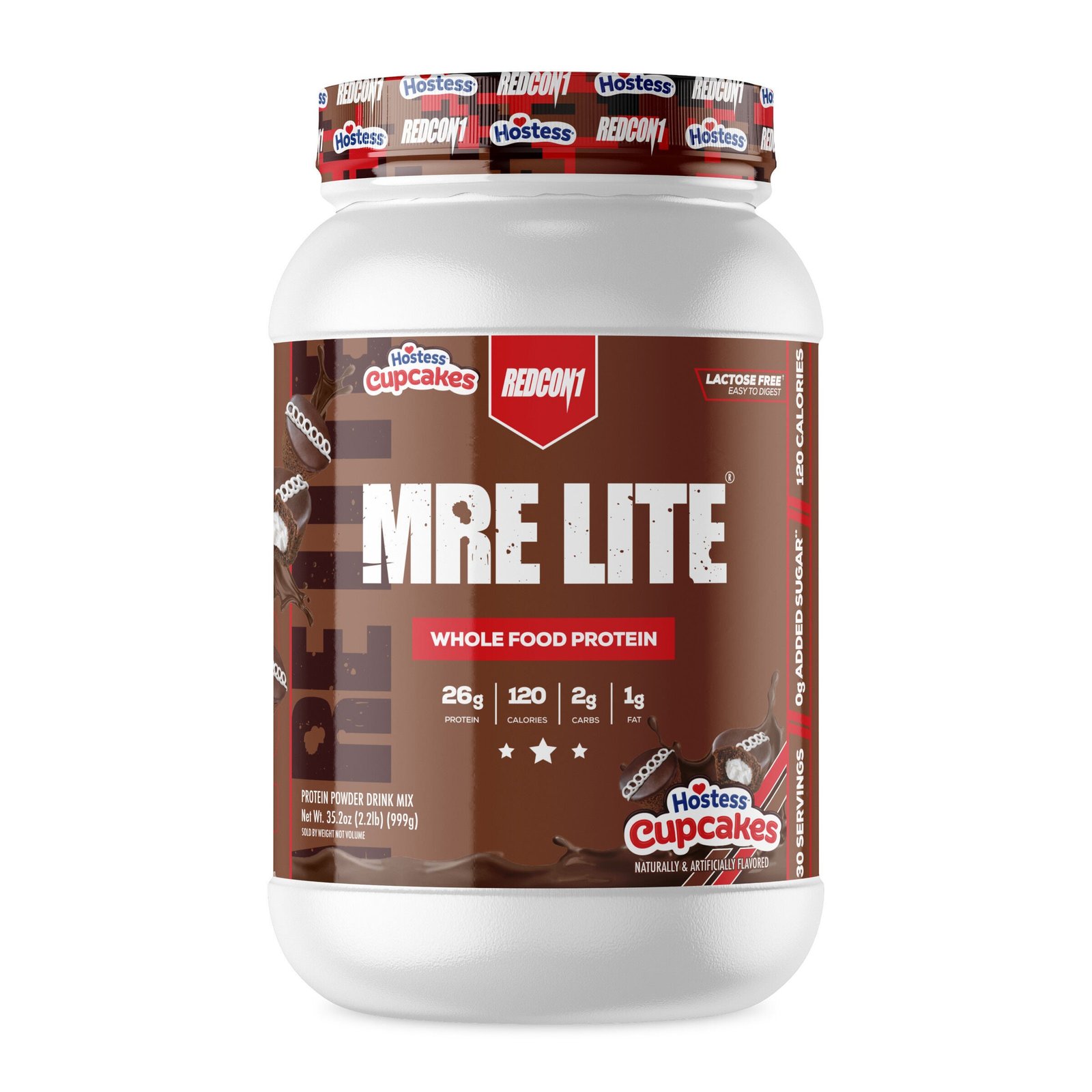
Before buying a large tub of protein powder in an unfamiliar flavor, decide how you intend to prepare it, check the exact ingredients, and look for the smallest suitable purchase you can actually verify. A flavor that sounds appealing on a label may be less convenient if you only enjoy it blended with several extra ingredients. Your best comparison is the one that reflects the drink or recipe you will repeatedly make.
There is no universal best protein-powder flavor for beginners. Some shoppers want a simple shake, some want an ingredient for oats or smoothies, and others want a dessert-inspired option. This guide gives you a practical way to compare those choices without pretending that a product photograph, a review score, or a flavor name can predict your personal experience.
Start with your usual preparation
Write down the preparation you expect to use most often. For a shaker drink, record the liquid you plan to use and whether you expect to drink it chilled. For a smoothie, record the other ingredients. For a recipe, decide whether you want the powder to contribute a noticeable flavor or stay in the background.
That short description becomes your comparison baseline. If you imagine using one powder with water but another with yogurt, fruit, and milk, you are comparing two finished recipes as well as two flavors. That may be a perfectly reasonable choice, but keep the distinction visible when considering convenience, price, and ingredients.
A useful baseline might read: “One labeled portion, mixed according to the package directions, using my usual beverage and shaker.” It does not need to be a complicated tasting procedure. It just needs to describe a preparation you can repeat so that differences you notice have some meaning.
| Intended use | Question to answer first | What to compare |
|---|---|---|
| Simple shaker drink | Will I enjoy this with my usual mixing liquid? | Flavor preference and preparation directions |
| Fruit smoothie | Do I want the powder flavor to stand out? | Compatibility with the ingredients I normally use |
| Oats or another recipe | Is the flavor central to the recipe? | Recipe suitability and serving calculations |
| Occasional variety | How many portions will I realistically use? | Available pack size and storage commitment |
What can a flavor name tell you?
A name such as vanilla, chocolate, blueberry cobbler, or cupcakes identifies the flavor the product is marketed to resemble. It does not establish how strongly you will perceive that flavor, how sweet you will find it, or whether you will enjoy its aftertaste. Those judgments depend on the actual product and your preferences.
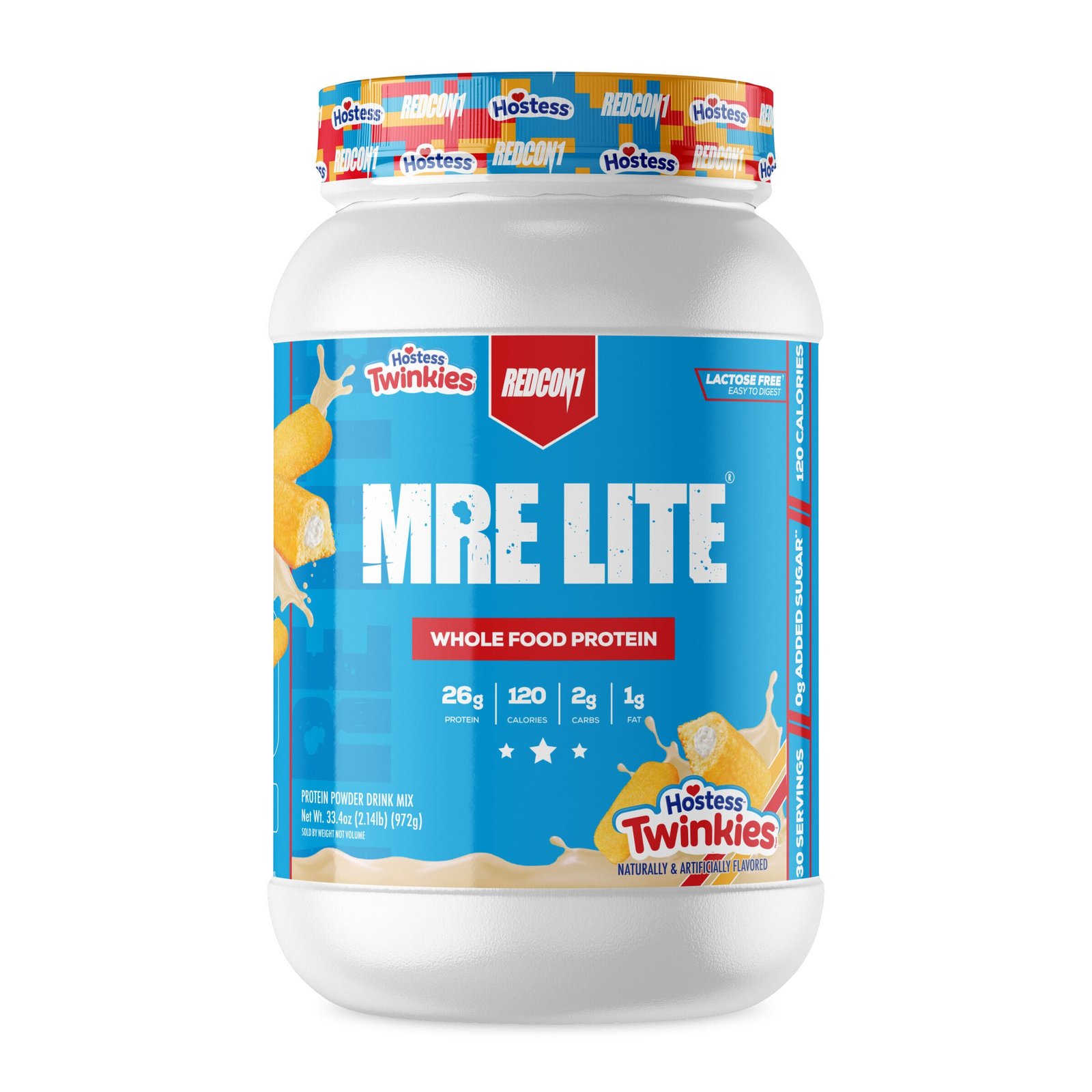
Sprinkles Menu has catalog examples with dessert-inspired names, including REDCON1 MRE LITE Hostess Cupcakes and Hostess Twinkies. These are examples of named powder variants, not a claim that the powders reproduce the taste or texture of the foods mentioned in their names. Examine each listing and current package before deciding what to expect.
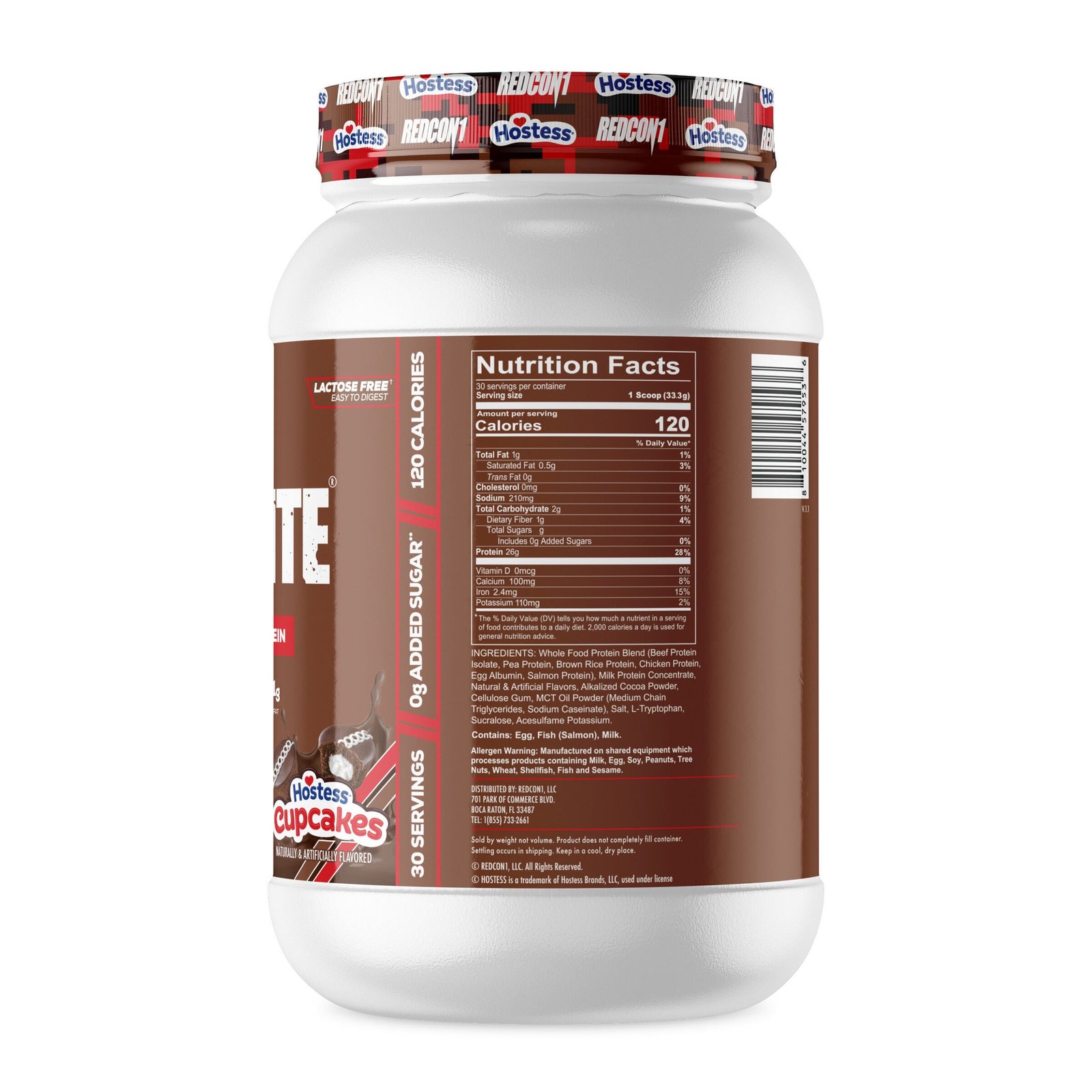
The front photograph is useful for matching the brand, product line, and flavor. The back photograph answers different questions about ingredients, serving size, and nutrition. Use both views instead of treating the flavor artwork as a complete description of what you are buying.
Separate flavor preference from ingredient preference
Before comparing taste descriptions, remove products that do not meet your ingredient requirements. The best-sounding flavor is not useful if its current label lists an ingredient you need to avoid. Check the exact variant rather than assuming all flavors in a product range use the same ingredient list.
Sweetness preferences deserve their own line in your notes. If you want to avoid particular sweetening ingredients, inspect the full list; do not infer their absence from an added-sugars figure. Likewise, unflavored and unsweetened should not be treated as interchangeable descriptions without checking the package.
If an allergy or another individual health requirement determines suitability, use current manufacturer information and appropriate professional guidance. This article can help organize a shopping comparison, but a general flavor recommendation cannot resolve an individual medical question. Keep that suitability decision separate from a reviewer’s opinion about taste.
How much should you rely on customer reviews?
Look for reviews that describe the exact flavor, preparation, and product version. “Too sweet in water” is more informative for someone planning a water-based shake than “great product.” A review that identifies its mixing liquid and method gives you context for interpreting the opinion, even though your experience may differ.
Do not convert a few enthusiastic comments into a guarantee. Reviewers may use different portions, liquids, temperatures, and equipment. A negative comment about a different flavor does not automatically describe the one in your cart, either. Treat reviews as questions to investigate rather than substitutes for your own preferences.
Make a short list of useful observations: whether the reviewer identifies the variant, describes a repeatable preparation, and explains what they liked or disliked. Ignore claims that cannot be connected to the product or that promise personal outcomes from choosing a particular flavor.
| Review detail | Why it helps | What it cannot establish |
|---|---|---|
| Exact flavor name | Connects the opinion to a variant | Your own preference |
| Mixing liquid | Shows the preparation context | Results with every other liquid |
| Portion and liquid amount | Helps interpret concentration | A universal ideal preparation |
| Description of sweetness or aftertaste | Identifies something to consider | A measurable result for every shopper |
| Current product version | Reduces confusion between formulas | That the next batch is identical |
Compare smaller purchases before committing to a large tub
If a suitable sample, single serving, or smaller package is available, it may give you a lower-commitment way to try an unfamiliar flavor. Verify that the smaller option is actually offered for the same product and flavor. This page does not promise that samples or small tubs are available for every listing.
The smallest package is not always the cheapest per serving. Its value may instead be the amount you avoid committing to before you know whether you enjoy the product. Compare both the cost of trying it and the cost per serving, then decide which matters more at this stage.
Do not assume an opened food or supplement can be returned because the flavor is not to your taste. Read the applicable published terms or ask for clarification before purchasing. A return expectation should come from the actual seller’s terms, rather than from another store’s policy or a general shopping guide.
A simple comparison you can repeat
If you have two suitable powders to try, follow each package’s preparation directions and record exactly what you did. Begin with the preparation you expect to use regularly. If the instructions differ, note those differences rather than silently using the same volume for everything and assuming the comparison is equivalent.
Describe your experience in ordinary language. You might note “pleasant with my usual beverage,” “too strong at this concentration,” or “works better in my smoothie than alone.” These observations are more useful to your future purchase than a score with no explanation.
If you adjust a recipe, change one thing at a time and write down the new amount. Otherwise, you may not know whether a change you preferred came from the powder, the liquid, a smaller portion, or another ingredient. The aim is a preparation you would willingly repeat, not a complicated experiment.
| Comparison note | First preparation | Optional second preparation |
|---|---|---|
| Exact product and flavor | Record from package | Keep the variant clear |
| Powder amount | Record measured amount | Note any change |
| Mixing liquid and volume | Record actual preparation | Change only what you intend to compare |
| Method | Shaker, blender, or recipe | Record method changes |
| Personal impression | Describe in your own words | Explain why you prefer one version |
| Repeatability | Would you make it this way again? | Is the extra preparation worthwhile? |
Consider the whole recipe’s cost and effort
A flavor may seem economical until you count the ingredients and time you use to make it enjoyable. If one powder suits a quick shake and another needs a blended recipe you rarely prepare, that difference matters even when the tubs have similar prices. Compare the routine you are likely to follow.
For a hypothetical example, imagine two powders costing the same per labeled serving. One fits the beverage you already buy. The other only appeals to you with several additional ingredients purchased specifically for the recipe. That does not make either choice wrong, but it changes the cost and convenience comparison.
Keep the powder price and recipe additions on separate lines. This lets you see whether a larger tub saves enough to justify the commitment and whether your preferred preparation is practical on busy days. Use actual checkout prices when shopping rather than treating an example in a guide as a current offer.
Read serving count alongside package size
A large-looking container does not necessarily provide more servings than another tub. Compare the labeled number of servings and the gram weight of each serving. Container shape and front-label graphics are poor substitutes for those figures when estimating how long a purchase might last.
Use your own realistic preparation frequency to assess the commitment. In a purely arithmetic example, 30 servings used three times a week represents ten weeks of portions. That calculation is not a recommendation about frequency, and it does not establish the product’s storage life. Follow the actual package instructions and date information.
If you buy several flavors at once, think about the total number of open containers you will have. Variety can be appealing, but a collection of large tubs also requires space and a practical plan for use. Check the package dimensions where available instead of judging cupboard fit from a photograph.
Choosing between familiar and adventurous flavors
A familiar flavor name may make it easier to imagine how you would use a powder, but familiarity does not guarantee enjoyment. An adventurous flavor can be worth trying if you are comfortable with the purchase size and have checked its ingredients. The decision is about your tolerance for an uncertain taste experience.
Make two shortlists if that helps: options that fit a routine recipe, and options you would like to try for variety. Compare package sizes and verified availability within each list. You do not need to buy a large tub from both groups simply because the flavor descriptions are interesting.
Avoid ranking flavors as objectively best for beginners. A useful recommendation explains the conditions behind it, such as a known preference or intended recipe. Without those details, a popularity claim says little about which product will be a practical purchase for you.
Questions to ask before ordering
If a listing leaves you uncertain, ask for the exact information that would change your decision. Useful questions include whether a smaller size exists for the named flavor, where to find a readable ingredient panel, and which preparation directions apply to the current version.
Keep requests specific to the item. “Please confirm the ingredient panel for this flavor and tub size” is easier to answer than “Is this good?” A seller may be able to clarify the label or package, but cannot guarantee how you will perceive sweetness or whether the flavor will become your favorite.
Frequently asked questions about choosing a protein-powder flavor
Is vanilla always the safest first flavor choice?
No flavor guarantees that you will like a powder. Vanilla may fit recipes you already enjoy, but the exact formula, sweetening ingredients, and preparation still matter. Start with your own preferences and the smallest suitable option you can verify rather than relying on a universal ranking.
Does a dessert flavor necessarily contain more added sugar?
Do not infer the amount from the name. Read the exact flavor’s nutrition panel and ingredients. A dessert-inspired name describes the marketed flavor, while the sugar declaration answers a different question. Compare those pieces of information separately before deciding.
Should I judge a powder using water or milk?
Use the preparation you realistically intend to repeat, within the package directions. If you want to compare more than one liquid, record each preparation separately. Neither method predicts how the powder will taste in every other drink or recipe.
Is a larger tub better value for an unfamiliar flavor?
It may have a lower price per serving, but it also commits you to more portions. Compare the arithmetic with the uncertainty about whether you will use it. A smaller verified option can sometimes be a more practical first purchase despite its higher unit price.
Can I compare reviews of different flavors in the same range?
You can use them to identify questions, but keep each opinion tied to its flavor. A review of chocolate does not establish the taste of vanilla or a limited-edition variant. Favor descriptions that identify the exact item and preparation.
What if I like a powder only in a complicated smoothie?
Include that recipe’s ingredients, preparation effort, and cost in your decision. If you enjoy making it regularly, it may suit you well. If you rarely use a blender, consider whether the flavor fits the routine you actually have.
How should I keep notes for my next purchase?
Record the exact flavor, package size, preparation, and a short description of your experience. Add the product version or label photograph if available. Those notes give you a more reliable starting point next time than remembering only that a tub looked familiar.
Make the final choice from a practical shortlist
Confirm the exact variant, readable ingredients, package size, and current price before ordering. Then choose a flavor you can imagine using in a preparation you already enjoy. For the next step, see the protein-powder price comparison guide and the guide to protein per serving. A useful first purchase gives you clear information for the next one, whether you repeat the flavor or decide to try something different.