




Blog
Whey concentrate vs whey isolate: what should I compare on the label?

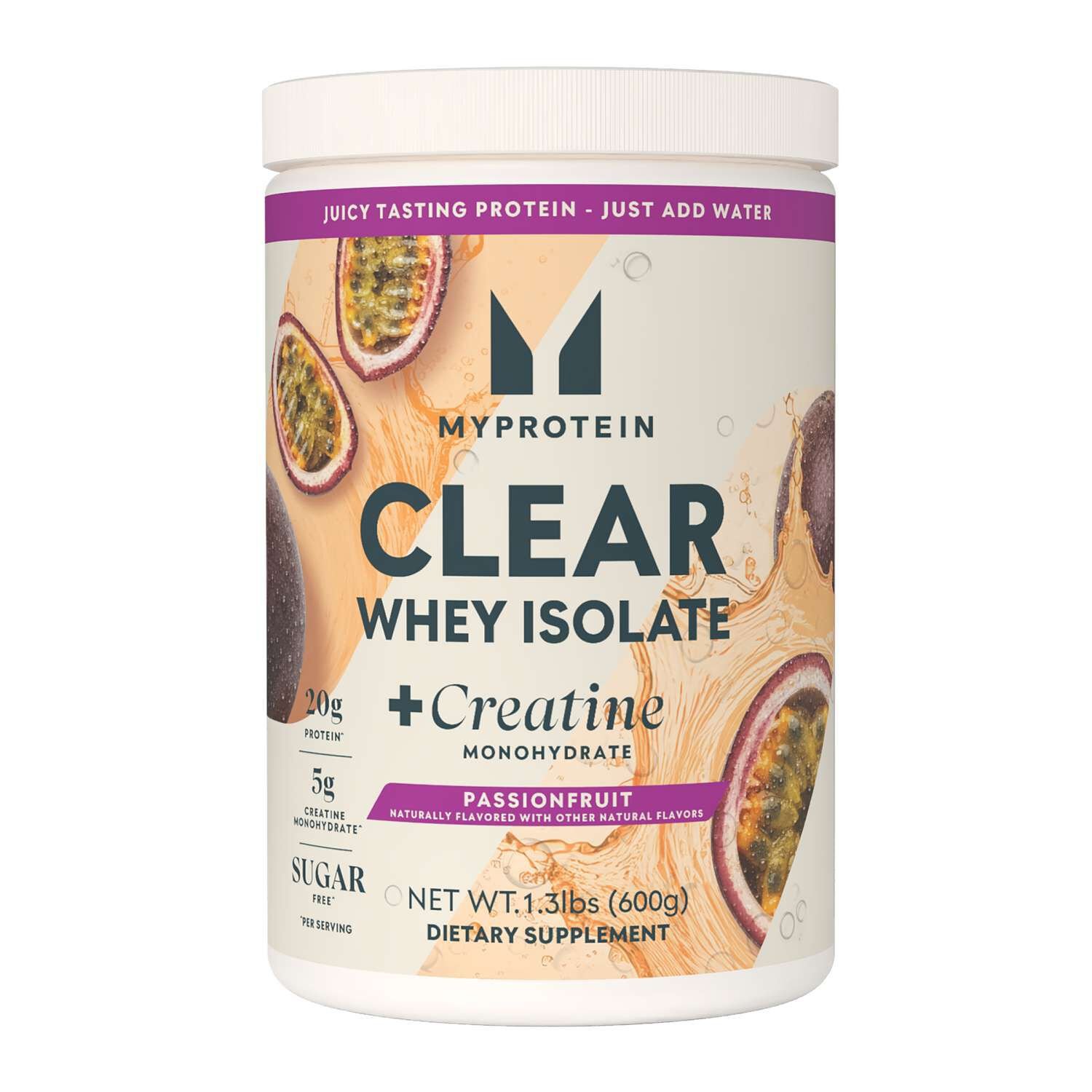
Whey concentrate and whey isolate are ingredient categories, not complete descriptions of every finished protein product. The useful shopping comparison starts with the exact ingredient names, then moves to serving size, protein grams, other ingredients, allergen information and current price. A prominent isolate claim does not tell you everything else in the tub, and a concentrate ingredient does not identify one universal retail formula.
Both categories are derived from whey. The American Dairy Products Institute describes whey protein concentrate as an ingredient with at least 25% protein, while its isolate definition specifies at least 90% protein on a dry-matter basis. These ingredient definitions should not be mistaken for guaranteed percentages in a flavored retail product containing other ingredients. Read the finished product’s own panel for its stated composition.
Understand what the ingredient names actually identify
The words concentrate and isolate describe the whey ingredient used in a formula. A retail powder might name one category, combine several protein ingredients or include other components. Before comparing products, copy the complete ingredient information instead of reducing the formula to the largest front-label word.
A bulk ingredient specification and a finished flavored powder answer different questions. The ingredient can be one component of a recipe that also includes flavorings and other ingredients. Its specification does not mean that every gram of the finished serving has the same composition as the original ingredient.
Use the ADPI resources for whey protein concentrate and whey protein isolate as ingredient background. For a purchase decision, keep returning to the exact current retail label rather than assigning a general ingredient percentage to an entire tub.
| Question | Ingredient category can help identify | Finished product still needs to disclose |
|---|---|---|
| Which whey ingredient is named? | Concentrate, isolate or another stated form | Complete formula |
| How much protein is in a serving? | Not determined by the category word alone | Labeled protein amount and serving basis |
| What else is present? | Not established by the whey name | Other ingredients and relevant statements |
| What does the purchase contain? | Not established by the ingredient category | Net weight, package count and selected option |
Read the full protein ingredient list
Look for every named protein source rather than stopping after the first familiar term. If a product uses a blend, record it as a blend. Do not describe it as a single-ingredient isolate merely because isolate appears prominently in the title or on the front of the container.
Keep any disclosed blend amounts and individual quantities in separate fields. If the label does not identify a proportion for each ingredient, do not invent one. A precise-looking percentage copied from another product is less useful than an honest note that the proportion is not disclosed in the available information.
If the full panel is missing, request it for the exact flavor and size. A description of another flavor or an earlier package should not be used to complete the formula by assumption. The comparison needs a consistent identity before the numerical differences become meaningful.
Compare protein grams with serving weight
Record the labeled protein amount beside the weight of one serving. Two scoops that look similar can represent different portions, and two products with the same portion weight can list different protein quantities. Keep the numbers attached to their units rather than comparing a package headline with a nutrition-panel entry.
For a hypothetical 30-gram serving listing 24 grams of protein, the ratio is 24 divided by 30, or 80% by that simple calculation. This describes the relationship between two labeled figures in the example. It should not be presented as a laboratory analysis or used to overwrite the manufacturer’s own product information.
If the product’s panel describes a prepared serving made with another ingredient, identify that basis. Do not compare protein attributed to a prepared drink with a dry-powder figure without showing the preparation difference. Keep the additional ingredient separate if you are trying to understand the powder itself.
| Hypothetical labeled portion | Serving weight | Protein listed | What the row establishes |
|---|---|---|---|
| Product A | 30 g | 24 g | Quantities for this defined portion |
| Product B | 35 g | 25 g | A different portion and listed amount |
| Product C | 40 g | 24 g | Same listed protein as A in more powder |
These rows do not establish which product is best for an individual. They demonstrate why the portion definition belongs beside the protein number. Taste preferences, complete formulas and personal suitability remain separate questions.
Do not confuse an ingredient specification with a tub claim
If an isolate ingredient is described using a dry-basis specification, that technical basis does not automatically become the protein percentage of a finished flavored powder. The package may contain several ingredients and use its own labeled serving measurements. Keep the technical definition and retail composition in separate notes.
Likewise, do not assume all concentrates have one fixed protein percentage. The category covers ingredients with different specifications. A statement about one concentrate grade should not be copied onto a retail product whose own ingredient specification has not been supplied.
When the distinction matters, ask the manufacturer what documentation supports the exact statement you are comparing. Be precise about whether you want the named ingredient specification or the finished product’s information. They are related references, but they are not interchangeable documents.
Check milk-related information directly
Whey’s ingredient category should not be used as a shortcut for a milk-free claim. The FDA’s food-allergen labeling guidance for consumers identifies whey in its milk-allergen examples. Read the selected product’s ingredient and allergen information rather than treating the word isolate as a dairy-free statement.
If an avoidance requirement is important, obtain a readable current label and any manufacturer clarification needed for the exact product. A short title or an incomplete gallery image is not enough to resolve every ingredient question. Do not interpret missing text in a website summary as confirmation of absence.
This article does not determine what is appropriate for a particular allergy, intolerance or medical condition. Keep individual suitability questions with the appropriate healthcare professional and use the exact product information for that discussion. A shopping comparison should not promise tolerance or personal safety from an ingredient-category name.
Keep flavor and other ingredients visible
Compare the exact selected flavors, including sweeteners, flavoring ingredients and other listed components. A chocolate option and an unflavored option should not automatically share one ingredient row in your worksheet. Even within a brand, use the information for the version being purchased.
The absence of an added flavor does not prove a powder has only one ingredient or no taste. Similarly, a familiar flavor name does not identify its sweetening ingredients. Read the list rather than converting a preference about taste into an unsupported formula claim.
If you are trying a new product, consider the size of the purchase commitment alongside the unit cost. A larger package may offer a lower calculated serving price while requiring more money and storage. Keep that practical tradeoff visible rather than allowing an ingredient headline to settle the entire decision.
How do you compare prices fairly?
Divide the selected package price by the stated number of servings for that exact option. Then keep protein grams per serving beside the result. A lower portion price does not establish the same protein quantity or the same formula, especially when serving sizes differ.
For hypothetical Product A at $36 for 30 servings, the cost is $1.20 per serving. Product B at $40 for 40 servings costs $1.00 per serving. If the listed protein amounts differ, calculate a separate price per listed gram if that metric helps answer your purchasing question.
| Hypothetical product | Package price | Servings | Cost per serving |
|---|---|---|---|
| Product A | $36 | 30 | $1.20 |
| Product B | $40 | 40 | $1.00 |
| Product C | $45 | 30 | $1.50 |
Use actual checkout charges for a delivered-price comparison. Do not compare one retailer’s product subtotal with another retailer’s full delivered total. Where shared basket charges need an allocation, label the method as your estimate rather than presenting it as an official product price.
Powders and prepared drinks need separate comparison bases
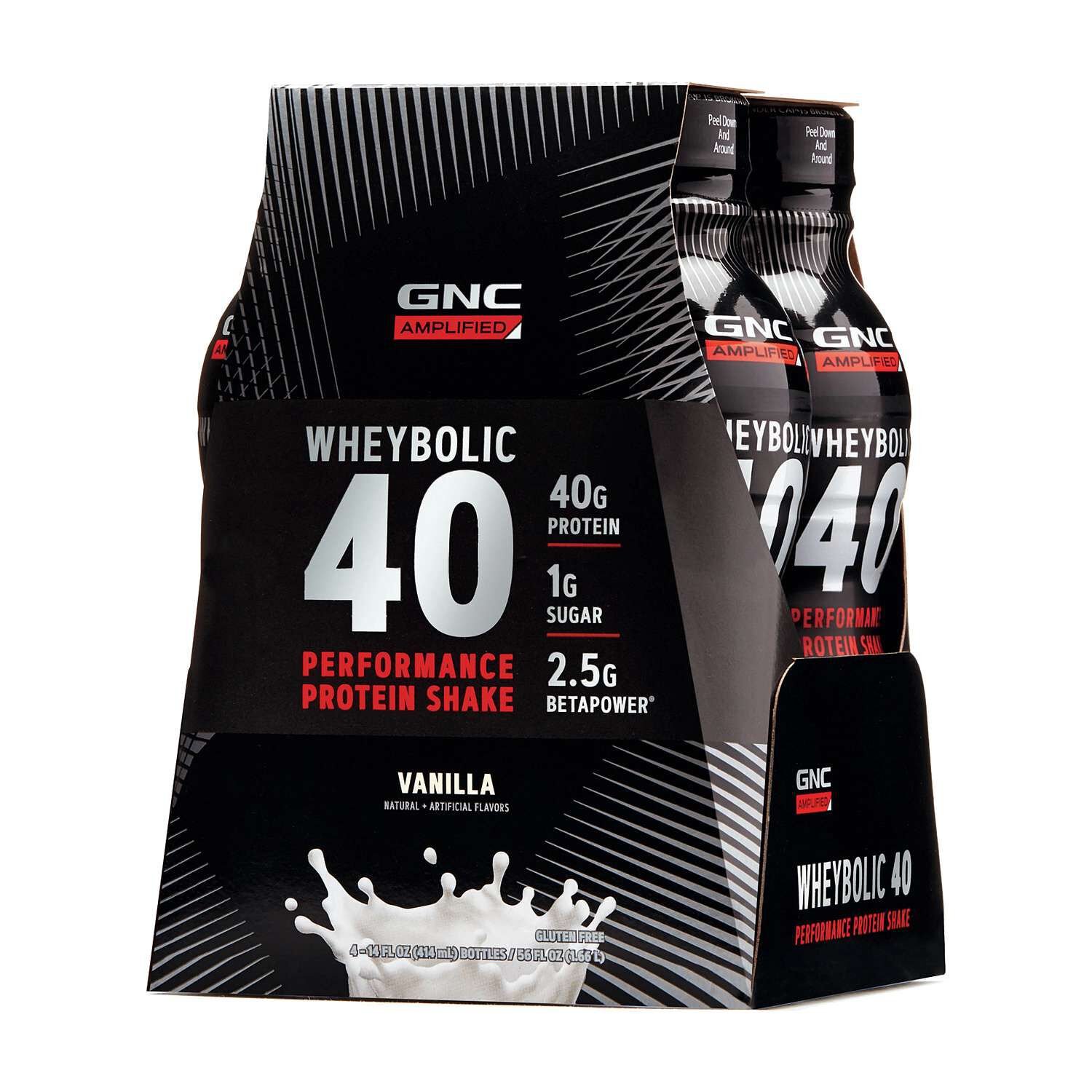
A powder tub contains a quantity of dry product with preparation instructions. A prepared drink listing can describe one bottle or a case. A shared whey ingredient or flavor theme does not make those purchase quantities directly interchangeable.
For powders, record serving weight, stated servings and preparation requirements. For drinks, record bottle volume, bottle count and the relationship between servings and a full container. Use each finished product’s own label rather than transferring a formula across formats.
If you calculate the cost of a prepared powder drink, keep any purchased mixer or other required ingredient separate. A powder-only figure and a ready-to-drink bottle price answer different cost questions until you state the preparation assumptions clearly.
How should you ask about an unclear blend?
Identify the exact statement you need clarified. A useful message is: “This listing mentions whey isolate, but I cannot read the complete protein ingredient list. Please provide the current panel for the selected flavor and package.” That request asks for a checkable source instead of encouraging a general description of the brand.
If your question concerns proportions, ask whether the manufacturer discloses them for that finished formula. Do not assume that every retailer has access to an ingredient supplier’s specification or that a missing percentage can be reconstructed from the order of words in a title. Keep the answer within the scope of the information actually provided.
Save the response with the product link, selected option and date of the clarification. If the answer refers to another package revision, ask whether it applies to the current item. If a requested detail remains undisclosed, retain that limitation in the comparison rather than replacing it with an estimate from another product.
This approach also helps distinguish a factual disagreement from a missing reference. A formula can be described too briefly without the description establishing a different composition. Obtaining the full panel is usually the more useful next step than arguing from a front-label photograph alone.
A comparison worksheet for concentrate and isolate products
Make a separate row for every selected product. Keep undisclosed details marked unknown instead of estimating them from marketing language. The worksheet should help identify the next question to ask, not create an appearance of certainty where the information is incomplete.
| Field | Product A | Product B |
|---|---|---|
| Complete identity | Formula, flavor and size | Formula, flavor and size |
| Finished format | Powder or prepared drink | Powder or prepared drink |
| Named protein ingredients | Copy full list | Copy full list |
| Blend proportions | Record if actually disclosed | Record if actually disclosed |
| Serving definition | Keep units and preparation basis | Keep units and preparation basis |
| Protein per serving | Exact labeled figure | Exact labeled figure |
| Other ingredients | Current selected panel | Current selected panel |
| Allergen information | Exact product statement | Exact product statement |
| Current total cost | Selected purchase and charges | Selected purchase and charges |
Review the worksheet against the cart before ordering. If you switched from one flavor or package size to another, the comparison may need updating. A correct calculation for the wrong selected product does not resolve the purchase you are actually making.
Questions shoppers often ask
Does isolate mean the entire powder is at least ninety percent protein?
Do not transfer a bulk ingredient definition to a finished flavored product without its own supporting information. Read the retail panel and complete formula. The ingredient specification and finished-product composition describe different stages of the product.
Is every whey concentrate the same percentage?
No single percentage should be assumed from the category word alone. Use the specification for the actual ingredient where available and the current finished-product panel for the purchase. Do not substitute a familiar concentrate grade for undisclosed information.
Does isolate establish that the product is milk free?
No. Check the exact product’s ingredient and allergen statements. The whey category should not be converted into a dairy-free or individual-tolerance promise. Obtain professional advice where a personal medical requirement is involved.
Can one brand’s flavor label describe its whole range?
Use the exact selected version. A flavor, format or package revision can require separate checking. Keep the full name and current panel with the comparison rather than copying one set of ingredients across every option.
Where can I compare current products?
Begin with the protein powder department, without assuming that every ingredient type discussed in this guide is currently stocked. Read about serving-cost calculations and protein label checks. Ask through the contact page when the exact formula or readable panel needs clarification.