




Blog
Marine vs bovine collagen: what source information should I check?

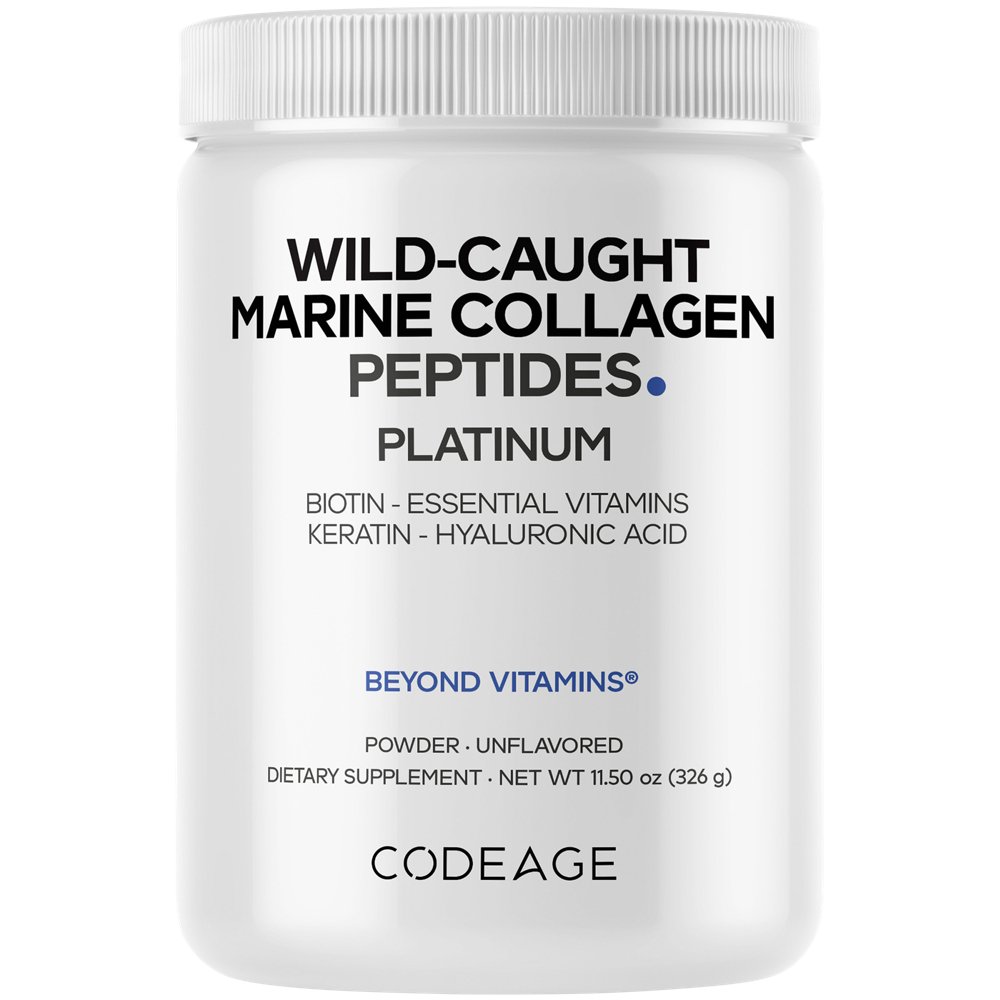
When comparing marine and bovine collagen, start with the precise source statement for the product you intend to order. Marine is a broad description; bovine identifies a cattle source. Neither word alone establishes the complete formula, every sourcing detail, a certification, or suitability for a particular dietary requirement. A useful comparison keeps these separate questions visible.
This guide explains how to investigate source information in collagen products, including species descriptions, mixed-source formulas, manufacturer documents, package labels, and price calculations. It focuses on making an informed purchase. It does not rank sources by promised health effects or recommend an individual supplement routine.
What does the source statement actually say?
Copy the exact wording from the current package or manufacturer information. A statement naming fish is more specific than an ocean-themed photograph. A statement naming bovine collagen is more useful for identifying a cattle source than an unexplained image of pasture. Packaging artwork should support identification, not replace the written specification.
For a marine product, check whether the manufacturer identifies the species or a broader fish description. Do not assume that every marine collagen product uses the same source. If a particular source matters to you, request information for the exact product and, where necessary, the batch being offered.
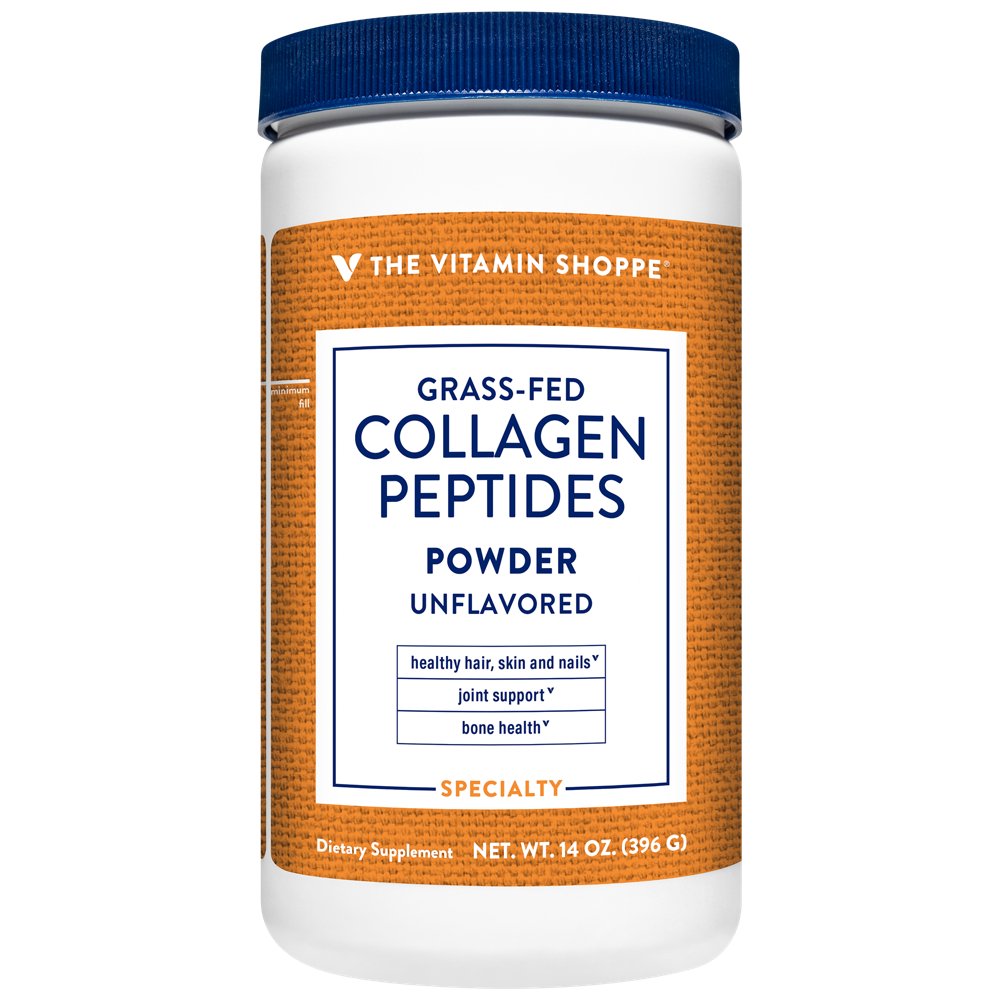
For a bovine product, distinguish the animal source from other claims, such as grass-fed, a country reference, or a particular processing description. Those claims address additional questions and need their own supporting information. Confirming one of them does not automatically confirm the others.
Why should I check the exact product and version?
A brand can sell marine collagen, bovine collagen, mixed-source collagen, and formulas that include additional ingredients under related names. Record the brand, full product line, flavor, package size, and format before searching for supporting information. This reduces the risk of applying a general brand statement to the wrong item.
Check whether a manufacturer page describes the same version as the retail listing. A different container size may share a formula, but you should not assume that it does. If the ingredient panel or source wording differs, request clarification instead of combining whichever details seem most favorable from each page.
Source information can also change. For example, Codeage’s manufacturer explanation of its marine collagen source notes that the exact fish source may change across future batches. This is a product-specific illustration of why a current source statement is more useful than an old assumption. It does not identify the source of every marine product sold by other brands.
| Information to establish | Evidence to look for | What it does not establish alone |
|---|---|---|
| Animal source | Exact ingredient or manufacturer source statement | Every detail of sourcing or processing |
| Fish species, where relevant | Current label or product-specific confirmation | That all future batches are identical |
| Product identity | Brand, line, flavor, size, and format | That another formula uses the same source |
| Additional source claim | Claim wording and supporting documentation | Unrelated certifications or performance results |
| Batch relevance | Lot-specific information when required | That an old photograph describes current stock |
How do mixed-source products change the comparison?
Do not reduce a mixed-source formula to whichever source appears first in its marketing. Read the complete ingredient statement and manufacturer description. If a product combines multiple collagen sources, record all the sources that are disclosed and note any quantities that remain unspecified.
A front label mentioning several collagen types should not be used to guess the source of each ingredient. Keep type designations, animal sources, and blend quantities in separate fields. If the manufacturer does not explain the relationship, ask for the relevant specification instead of constructing one from assumptions.
This matters when comparing a single-source product with a blend. The two can differ in more than the marine or bovine headline. Added vitamins, flavor ingredients, capsule materials, and other formula components may also affect the purchasing decision. Compare the finished products rather than treating the source word as a complete description.
What should I check about allergens?
Read the exact product’s ingredient and allergen information. The FDA’s consumer guidance on food labels identifies fish among major food allergens and explains the importance of reading labels. A marine product’s category name is not enough to establish whether it meets an individual’s allergy requirements.
Do not interpret the absence of a visible warning in a retailer thumbnail as confirmation that the product is suitable. The thumbnail may omit part of the panel or be too small to read. Request a complete current label and contact the manufacturer about any unresolved allergen or manufacturing question that matters to your purchase.
A bovine source statement also does not explain every ingredient in a finished formula. Check flavoring ingredients, other protein sources, and any additional components. For a personal allergy concern, seek appropriate professional guidance rather than relying on a shopping comparison to establish safety.
Does a source claim prove a dietary certification?
Keep a source description separate from a certification. If your requirement concerns a religious, dietary, or sourcing standard, look for the specific claim and its supporting documentation for the exact product. Do not infer certification from the animal source, brand reputation, or absence of a particular ingredient in a short description.
Check which organization or standard is named, what the documentation covers, and whether it applies to the finished product. A document concerning an ingredient supplier may not establish the same status for a flavored blend or capsule. If the scope is unclear, ask the manufacturer to explain it.
Likewise, a grass-fed statement should be examined as its own sourcing claim. Ask what ingredient the statement covers and what evidence supports it. It should not silently become a promise about every component, every stage of production, or a particular nutritional result.
How can I compare source documents sensibly?
Start with the package label and the manufacturer’s product-specific information. Record which document supports each fact and when you checked it. If a retailer description and manufacturer page disagree, identify the exact discrepancy. A focused question is more useful than asking generally whether the brand is trustworthy.
Distinguish a general sourcing policy from confirmation for a particular item. A company may describe its usual sourcing approach without promising that every product uses one ingredient supplier or country. Read qualifications such as typically, may vary, or selected products carefully and preserve them in your notes.
Where batch-specific evidence is important, ask whether it can be matched to the lot being sold. A test report or certificate should identify what was examined and what conclusion it supports. Avoid treating the existence of a document as proof of claims that the document never addresses.
| Document or statement | Useful question | Limit to keep visible |
|---|---|---|
| Current ingredient label | Which sources are named for this item? | May not describe every supplier detail |
| Manufacturer product page | Does this match the exact variant? | Online information may cover another version |
| General sourcing policy | Which products does the policy cover? | Brand-wide wording may contain exceptions |
| Certificate | What product and standard are identified? | Scope may concern an ingredient rather than the finished formula |
| Batch document | Does the identifier match offered stock? | One batch does not establish every future batch |
What does country information tell me?
Read country wording precisely. The place where a product is packaged or manufactured is a different question from the origin of its collagen ingredient or animal source. Do not treat these locations as interchangeable simply because only one country appears prominently in a listing.
If the distinction matters to you, ask separate questions: where is the finished product made, and what source-origin information is available for the collagen ingredient? The answer may be more detailed than the retailer’s summary, or some information may remain undisclosed. Record that limitation rather than filling it with a guess.
Country information should also not substitute for specific quality evidence. A location by itself does not establish ingredient identity, test results, or suitability for your requirements. Compare the actual documents and label details that address the question you are trying to resolve.
How should price enter a marine-versus-bovine comparison?
First establish whether the products meet your source and ingredient requirements. Then compare the selected packages using the same price basis. Record net weight, labeled servings, serving size, and any disclosed collagen quantity. These measurements answer different questions and should remain clearly labeled.
The examples below use hypothetical figures. They do not represent live prices or product specifications. The arithmetic illustrates how the price of a container, cost per labeled serving, and cost per disclosed collagen quantity can tell different stories.
| Hypothetical option | Package price | Labeled servings | Cost per labeled serving |
|---|---|---|---|
| Marine example A | $32 | 32 | $1.00 |
| Bovine example B | $27 | 30 | $0.90 |
| Mixed-source example C | $24 | 20 | $1.20 |
| Example B with $9 delivery allocated | $36 total | 30 | $1.20 |
The lowest number does not establish the best source or the most suitable formula. Serving sizes and ingredient quantities may differ. If you calculate cost per gram of disclosed collagen, use the collagen quantity actually stated for each product. Do not replace an undisclosed amount with the total powder weight.
Consider how much you intend to buy and whether the format suits your plans. A larger container may lower a unit cost while increasing the amount committed to an unfamiliar flavor. Include delivery and other applicable checkout costs consistently, and keep subscription conditions separate from one-time purchase prices.
Which questions should I ask before ordering?
Ask for the exact missing detail with the selected product link, flavor, and size. For a marine item, that might be a current fish-source statement. For a bovine item, it might be the scope of a sourcing claim. For a blend, it might be confirmation of every disclosed animal source.
If there are conflicting documents, describe the conflict rather than asking the seller to choose a general category label. Mention which page or photograph contains each statement and ask which information applies to the package being offered. Save the answer with the product details for reference.
Before checkout, confirm that your selected option has not changed while browsing. Review the product identity and order summary again. When the package arrives, compare its source, formula, size, and label with the information that supported your purchase, and contact the seller if something differs.
Frequently asked questions about marine and bovine collagen sources
Does marine always mean the same fish?
No single source should be assumed for every product described as marine. Check the exact manufacturer’s statement and current label. If species information is important to your requirements, request confirmation for the product and batch rather than borrowing the source description from another brand.
Does a bovine source statement mean grass-fed?
Treat those as separate claims. Bovine identifies a cattle source, while a grass-fed statement raises additional sourcing questions. Look for the exact wording and relevant supporting information instead of adding the claim to a product that does not make it.
Can I identify all sources from the collagen-type numbers?
Do not use type numbers alone to construct a source specification. Read the ingredient statement and manufacturer information for the actual formula. Where a mixed-source product leaves the relationship unclear, request an explanation rather than assuming a particular animal source for each number.
Is a country on the front enough to identify ingredient origin?
Not necessarily. Check what the country statement actually describes, such as manufacturing or packaging. If ingredient origin matters, ask that question separately. Preserve any distinction or uncertainty instead of turning one location statement into a complete supply-chain description.
Does a higher price prove a better source?
Price does not establish source identity or verify a sourcing claim. Compare the evidence and the exact formula first. A higher price can reflect package format, additional ingredients, brand positioning, or purchasing conditions rather than the specific source detail you care about.
What is the most useful source comparison record?
Keep the full product identity, exact source wording, date checked, document links, disclosed quantities, and unanswered questions together. This makes the comparison easier to review and reduces the chance of confusing two related products. Update the record if the selected variant or relevant label information changes.