




Blog
Collagen peptides vs whey protein: how do I compare the products?

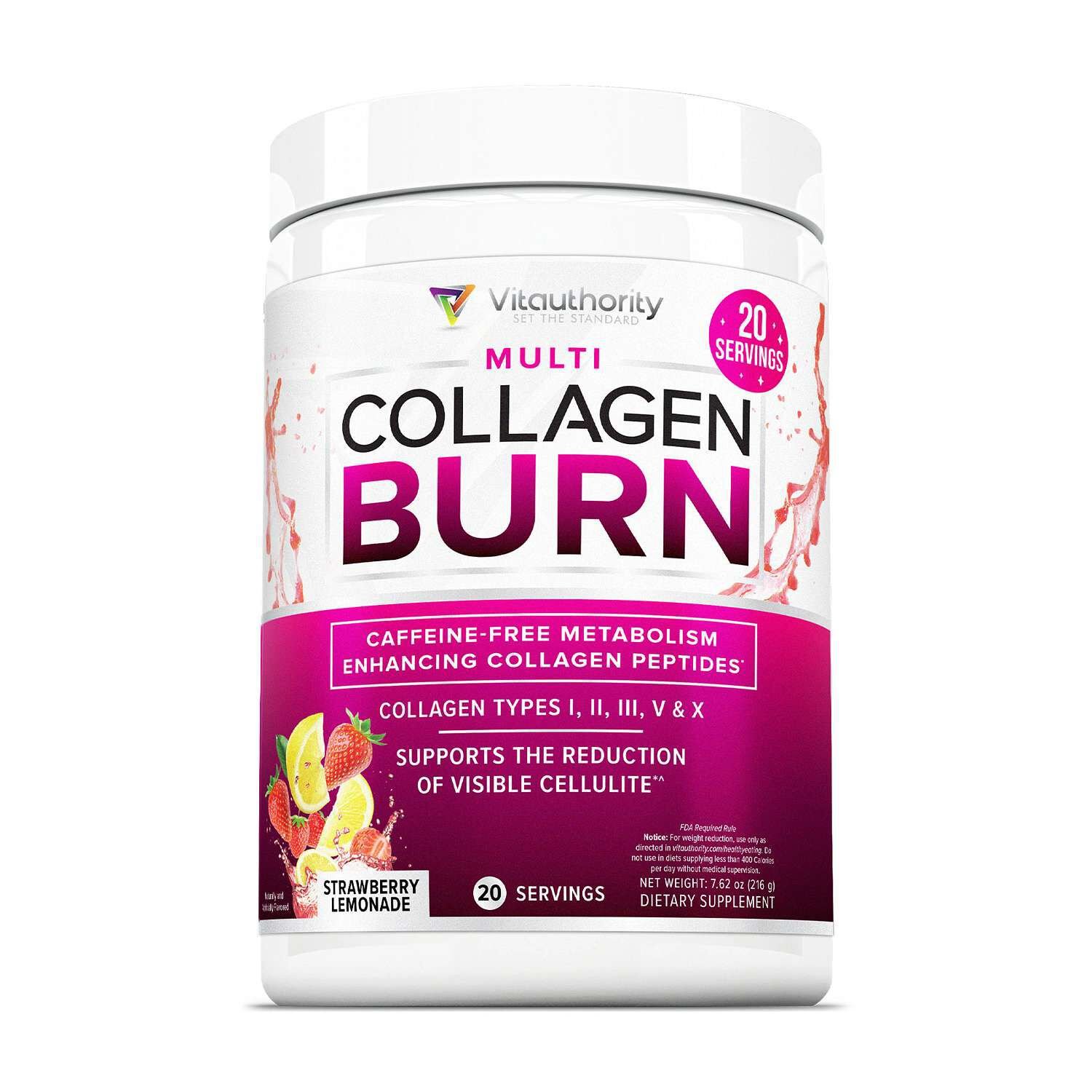
Collagen peptides and whey protein should be compared by their protein source, label information, intended purchasing purpose, and total cost. They are different ingredients, and a similar number of protein grams does not make two products nutritionally interchangeable. Before choosing a container, decide what question you are trying to answer and examine the exact product rather than comparing broad marketing categories.
This guide helps you evaluate collagen products alongside whey options. It covers source information, serving sizes, additional ingredients, flavor preferences, comparison calculations, and common questions. It does not prescribe a protein intake or promise that purchasing either product will produce a particular health or training result.
What is the basic difference between collagen and whey?
Whey is a milk protein. The NIH Office of Dietary Supplements identifies whey as providing all essential amino acids. That basic source distinction matters when someone is comparing protein products, but it does not establish the complete composition or suitability of every whey formula on the market.
For a collagen purchase, identify the source stated for the exact item. The label or manufacturer may describe a bovine, marine, or mixed-source product. Keep the source description separate from flavor, package size, and added ingredients. A product’s front name may not answer all of these questions.
The useful starting point is that protein products can have different compositions. Do not treat the single protein-grams figure as a complete comparison of amino-acid content. Where a product supplies an amino-acid profile, note its stated basis and whether it describes the exact formula you intend to buy.
What are you trying to compare?
A shopping comparison is easier when you define its purpose first. Are you checking a milk-derived product against a collagen product, comparing prices within one category, looking for an unflavored option, or investigating a source claim? Those questions require different evidence and should not be reduced to one universal winner.
If your question concerns a personal nutrition requirement, seek advice that considers your overall diet and circumstances. A retailer’s product comparison cannot establish an individual need. For the purchasing decision itself, you can still check package identity, readable labels, quantity, preparation instructions, and price without assuming a health outcome.
Separate requirements from preferences. A required source or ingredient restriction should be resolved before choosing between chocolate and vanilla or comparing discounts. A preference for a smaller package may remain flexible. Writing this distinction down helps you avoid spending time on products that cannot meet your essential conditions.
| Comparison question | Collagen product information | Whey product information |
|---|---|---|
| What is the ingredient source? | Exact stated collagen source or source mixture | Exact whey ingredient and complete formula |
| How much is in a serving? | Stated serving size and disclosed quantities | Stated serving size and disclosed quantities |
| What else is included? | Flavoring, sweetening, and combination ingredients | Flavoring, sweetening, and combination ingredients |
| What does preparation involve? | Directions for this specific format | Directions for this specific format |
| What is the purchase cost? | Payable total for the selected package | Payable total for the selected package |
Why do protein grams need context?
Protein grams are useful label information, but they are only one part of a comparison. Record the serving size associated with the number, the product source, and any additional ingredients. A number taken from one scoop should not be compared casually with a number for two scoops or an entire bottled drink.
Do not substitute powder weight for protein weight. A stated portion of powder can include ingredients beyond protein. Likewise, a container’s net weight describes its total contents rather than a confirmed quantity of one particular protein ingredient. Keep each measurement attached to the label wording that defines it.
If an amino-acid table is available, check whether it is expressed per serving, per quantity of protein, or per quantity of powder. These are different bases. Converting figures can sometimes help, but only when the necessary inputs are disclosed. Avoid filling missing quantities with estimates presented as facts.
Does research support treating the two as interchangeable?
Research questions are more specific than broad product slogans. In a 2023 randomized study, researchers compared whey, collagen, and placebo after resistance exercise in recreational athletes. The study found different responses for the measured muscle-protein outcomes over a five-hour recovery period. It did not establish that every commercial product or every person’s circumstances are equivalent.
That example supports a careful purchasing principle: do not assume that equal amounts of different proteins produce identical outcomes. It also illustrates why an acute laboratory measurement should not be turned into a promise about an individual shopper’s long-term results, appearance, joint comfort, or training progress.
When examining a claim, ask what was studied, which outcome was measured, and whether the research used the same ingredient or finished formula. A study about one protein source is not automatically evidence for every blend carrying that ingredient’s name. A citation is useful only when it supports the specific claim being made.
What should I check in a combination formula?
Some products combine their main protein ingredient with other ingredients. The package shown below is a collagen combination product, so its name should not be read as a specification for plain collagen peptides. Check the complete panel and distinguish marketing product names from verified ingredient quantities.
A whey product can also be a combination formula. The practical question is not whether the package looks like a standard protein tub, but which ingredients and amounts its current label actually discloses. Comparing a simple product with a blend may involve tradeoffs beyond the headline protein figure.
List additional ingredients in a separate column of your comparison. If quantities are not provided individually, mark that limitation. Do not assume that an undisclosed amount is absent, and do not assume it matches a similar product from the same brand. Ask for clarification where a missing detail matters to the purchase.
How do flavor and preparation affect the decision?
Consider whether you want a product for a particular beverage, recipe, or preparation setting. Review the exact directions rather than assuming that every powder behaves the same way. A flavored product may suit one recipe and conflict with another, while an unflavored designation does not guarantee that you will notice no taste.
Keep flavor preference separate from ingredient suitability. A product can sound appealing while containing an ingredient you intended to avoid. Check the complete ingredient statement for the selected variant before relying on reviews about sweetness, texture, or mixability. Another flavor’s photograph may not establish the formula you are considering.
Reviewers can offer useful questions to investigate, such as whether they used a shaker or mixed the powder into a recipe. Their experience does not guarantee yours. Differences in preparation, temperature, proportions, and product version can make a simple statement such as mixes well less informative than a detailed description.
If you are unfamiliar with the exact product, compare the cost of a smaller package with the commitment involved in a large container. The smallest item is not always cheapest per serving, but a lower initial outlay may fit your budget better. Decide which tradeoff matters before adding multiple containers to the order.
How should I calculate the cost?
Calculate cost per labeled serving using the payable package price and confirmed serving count. Where both products disclose protein grams on a comparable basis, you can also calculate cost per stated gram of protein. Label the result accurately: that arithmetic does not establish equivalent amino-acid composition or equivalent effects.
The following examples use invented figures for illustration. They are not live prices, available package specifications, or a recommendation for either category. Delivery is excluded from the first two rows and shown separately so the effect of order costs remains clear.
| Hypothetical item | Price and labeled servings | Stated protein per serving | Arithmetic comparison |
|---|---|---|---|
| Product A | $30 for 30 servings | 10 g | $1 per serving; $0.10 per stated protein gram |
| Product B | $36 for 24 servings | 20 g | $1.50 per serving; $0.075 per stated protein gram |
| Product A with $6 allocated delivery | $36 total for 30 servings | 10 g | $1.20 per serving; $0.12 per stated protein gram |
This example shows why a lower cost per serving can coexist with a higher cost per stated protein gram. Neither metric alone tells you which item meets your requirements. Use them after checking the source, formula, label clarity, flavor, and package quantity.
Use the same currency, purchasing conditions, and treatment of delivery for both options. A subscription price and a one-time price are different arrangements. If a discount has conditions, record them. Do not compare a promotional headline for one item against a complete delivered total for another without explaining the difference.
Which label details deserve a second look?
Check that the selected flavor and package size match the panel photograph. Brands can use related artwork across several products, and a retailer may display more than one image. If the title, front image, and panel disagree, investigate before using any of their numbers in a comparison.
Read source and allergen information for the exact product. Do not treat a broad category label as a substitute for the package statement. If you need to establish suitability for an allergy or a particular dietary requirement, missing or ambiguous information requires clarification rather than an assumption based on the front name.
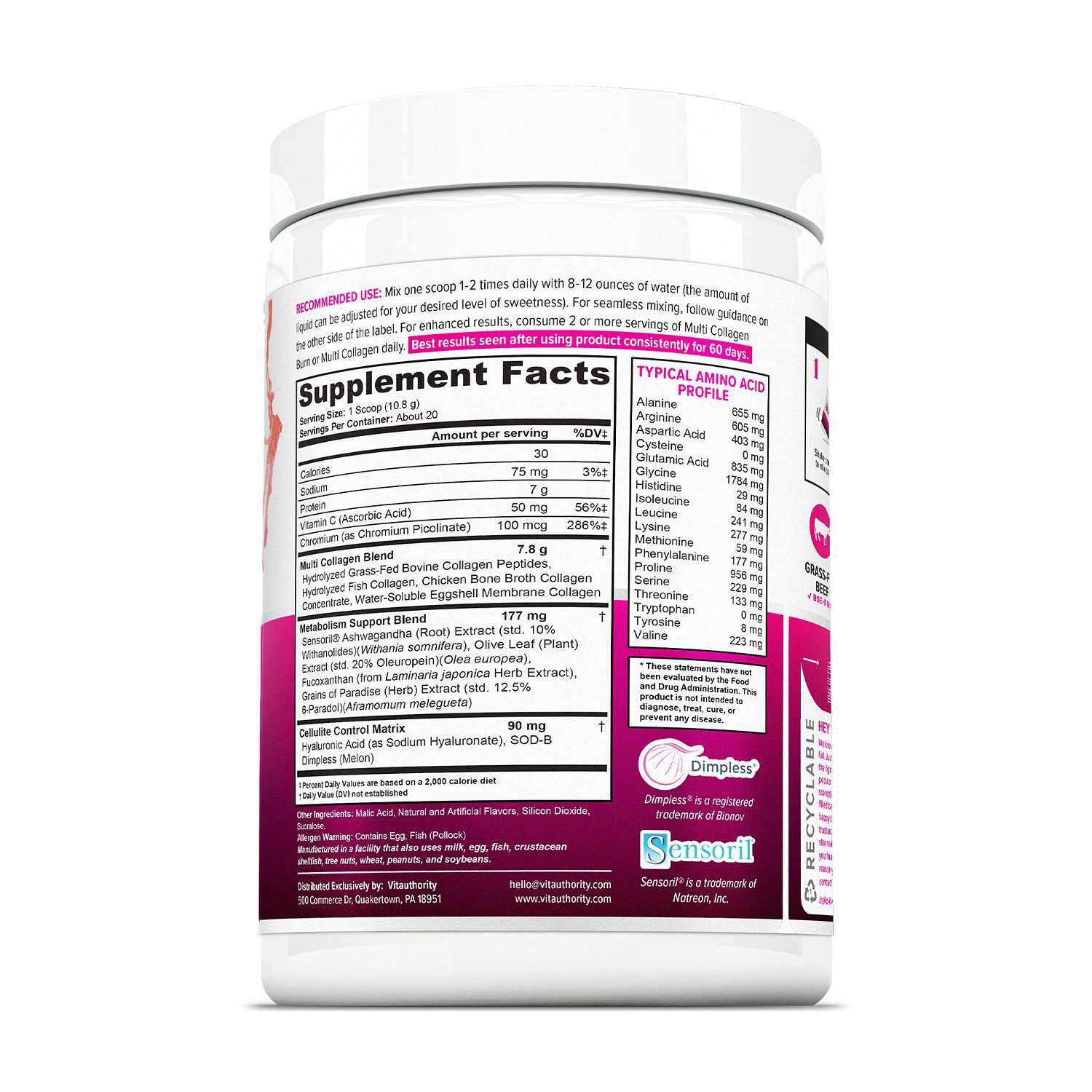
Check storage directions and any available date information before buying a quantity that will take time to use. A larger package is not automatically useful value if it does not fit your storage space or purchasing plans. Request details for the offered stock instead of borrowing a date from an unrelated product photograph.
What if I cannot find complete information?
Ask a specific question with the exact product link, selected flavor, and package size. For example, request a readable ingredient panel or ask which animal source is stated for that version. Specific questions make it easier to resolve the uncertainty without receiving a general promotional description.
| Missing or inconsistent information | Useful next step | What remains unconfirmed |
|---|---|---|
| Panel is unreadable | Request a clear current photograph | Exact ingredients and quantities |
| Source wording is vague | Ask for the precise source statement | Whether it meets your source requirement |
| Serving counts disagree | Ask which count applies to the selected size | Reliable cost per labeled serving |
| Formula and product name differ | Confirm the exact variant being sold | Whether the pictured formula matches the order |
| Claim cites research generally | Request the specific supporting source | Whether the evidence supports that claim |
Keep unanswered questions visible in your notes. A clear alternative may be more practical than a cheaper item whose essential specifications remain unknown. Do not create a combined description by taking the best details from several versions of a product.
Frequently asked questions about collagen peptides versus whey
Are equal protein grams enough to make the products equivalent?
No. Equal grams do not by themselves establish the same source, amino-acid composition, additional ingredients, or effects. Use the protein figure as one label measurement and retain the differences that matter to your comparison. Avoid describing a price calculation as proof of nutritional interchangeability.
Is whey a plant protein?
Whey is a milk protein, as described by the NIH Office of Dietary Supplements. Check the full formula and the exact package statements when evaluating a finished product. A flavored blend may include additional ingredients, and a broad protein label should not replace the ingredient panel.
Can I compare an unflavored collagen powder with a flavored whey powder?
You can compare their disclosed shopping details, but record the flavor and formulation difference. Consider what you plan to prepare and check both ingredient statements. If you want a closer comparison, look for options that match more of your essential requirements before comparing small price differences.
Does a more expensive container prove better quality?
Price alone does not verify quality, ingredient accuracy, or suitability. Examine the actual supporting information, readable labels, and any specific quality documentation. A higher price can reflect package size, format, brand positioning, or purchasing conditions rather than the particular feature you care about.
Should I change a serving to make two products match?
Do not change product directions merely to create a more attractive comparison. Record the labeled serving and, where appropriate, calculate clearly identified comparison metrics from disclosed quantities. A shopping calculation should not become a personal instruction about how much supplement to use.
What is the most useful final check before ordering?
Confirm the exact variant, source information, full formula, serving count, package size, and payable total. Make sure any essential question has been answered for the selected item. Then compare the actual package with your order when it arrives and raise any mismatch through the seller’s support process.