




Blog
Is buying groceries in bulk cheaper for a small household?

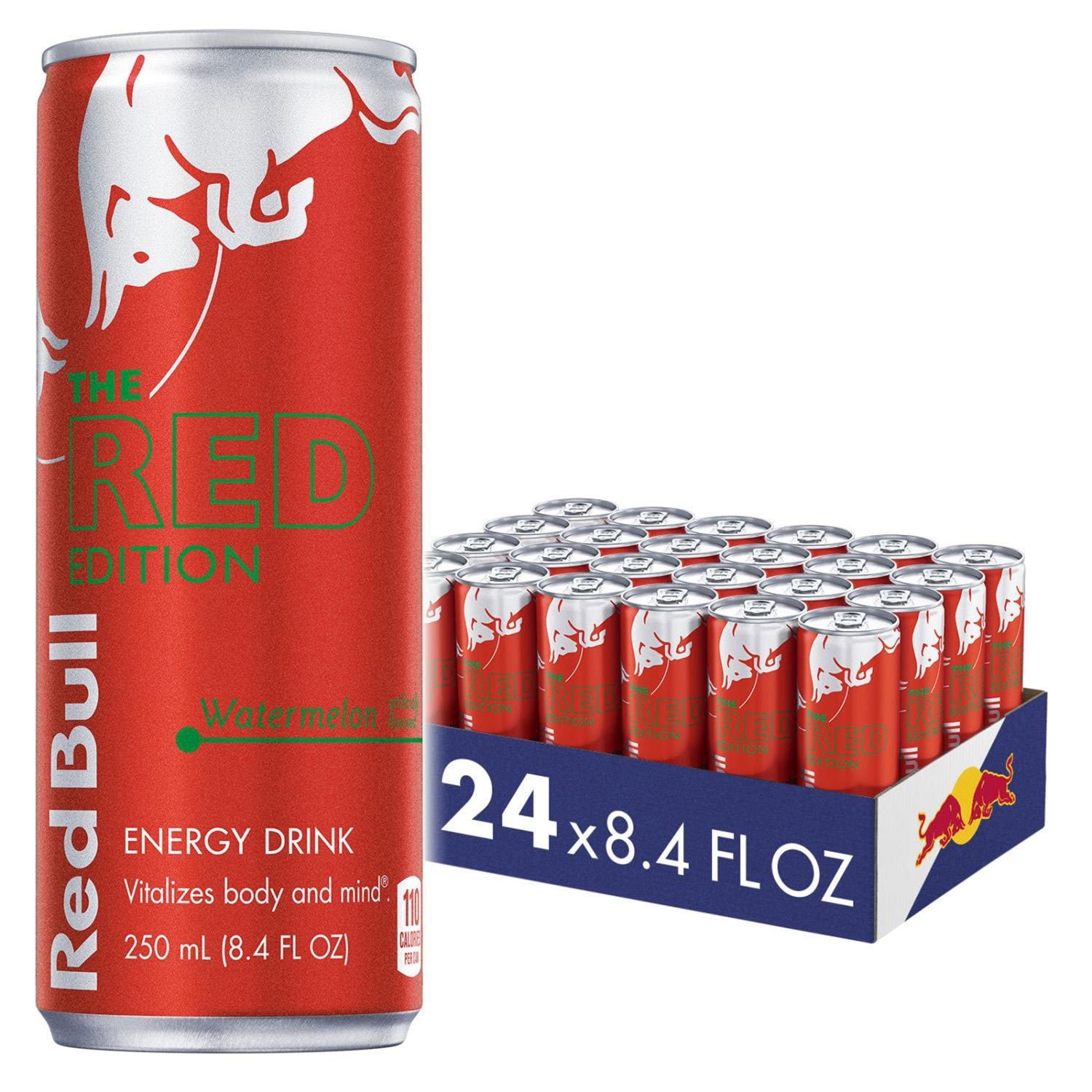
Buying groceries in bulk can be cheaper for a small household when the comparable unit price is lower, the quantity fits the budget and storage space, and the household expects to use enough of it. A larger package is not automatically a saving. Compare the actual offer with the smaller purchase you would otherwise make, including the costs and assumptions that matter to your situation.
This guide provides a planning method for groceries and pantry orders. It uses hypothetical examples to separate package unit price, total spending, and the cost of the quantity actually used. The examples are not store prices, predictions about waste, or instructions to disregard a product’s date or storage directions.
Start with the purchase you actually need
Write down the product, version, and quantity you would normally buy. That creates a meaningful reference for the bulk comparison. Comparing a large case with a single item you would never otherwise purchase can produce a theoretical discount that does not reduce the household’s real spending.
Keep formula and format differences visible. A mixed assortment may contain flavors the household does not want, and a different package may contain a different product size. Do not treat matching brand names as proof that the contents are equivalent. Confirm the actual selected items before comparing prices.
Also distinguish a planned repeat purchase from an unfamiliar trial. A large quantity of a well-used product presents a different planning question from a large quantity of a new flavor. A lower unit price does not establish that the household will like or use the product simply because more is available.
Calculate the comparable unit price
Divide the current selected price by its confirmed quantity. Use the same final unit for both offers, such as price per kilogram, liter, or genuinely comparable item. If individual packages differ in size, a per-package comparison alone can make the smaller one appear cheaper without comparing equal quantities.
For an invented example, a one-kilogram pack priced at 10 currency units costs 10 units per kilogram. A three-kilogram pack priced at 24 units costs 8 units per kilogram. The bulk offer has the lower item cost per purchased kilogram in this hypothetical comparison, provided the products are otherwise the intended alternatives.
Keep the total price beside the unit price. The bulk purchase still requires 24 units rather than 10 units at that moment. A correct unit saving does not erase the larger immediate commitment or establish that the additional quantity is needed. Both numbers belong in the decision.
| Hypothetical offer | Purchased quantity | Item price | Price per purchased kilogram | Immediate spending |
|---|---|---|---|---|
| Smaller pack | 1 kg | 10 units | 10 units/kg | 10 units |
| Bulk pack | 3 kg | 24 units | 8 units/kg | 24 units |
| Unclear multipack | Quantity unconfirmed | 18 units | Cannot verify | 18 units stated |
| Different formula | Verify its quantity | Verify its price | Calculate separately | Not automatically an equivalent substitute |
Estimate use without pretending it is guaranteed
Use the household’s actual purchasing pattern as a starting point. If a product is routinely bought, previous use can support a planning estimate. Keep that estimate separate from the package’s confirmed quantity and do not present it as a prediction that every part of a bulk purchase will be used.
Consider whether routines are likely to change during the period involved. Travel, fewer people at home, a change in preferences, or competing products can affect use. These are household assumptions to review, not defects in the product. A useful worksheet records them openly instead of hiding them behind the unit-price result.
Do not create a consumption target simply to justify the larger pack. The question is whether the purchase fits expected use, not whether the household can be persuaded to consume more to make a discount look worthwhile. A smaller offer can remain the more suitable purchase even with a higher package unit price.
Separate purchased quantity from used quantity
Package unit price divides cost by what is bought. A planning scenario for cost per used quantity divides the relevant cost by what the household expects to use. The second calculation can reveal how unused portions affect the apparent saving, but its denominator is an assumption that must remain visible.
Using the invented three-kilogram pack costing 24 units, full planned use gives 8 units per kilogram used. If only 2.4 kilograms are used in the scenario, the effective cost becomes 10 units per kilogram used. If only two kilograms are used, the result becomes 12 units per kilogram used.
These calculations do not establish that a product will be wasted, deteriorate on a particular schedule, or become unsuitable after a guessed period. They illustrate the financial effect of a smaller used quantity. Actual date, condition, and storage questions require the product’s own information.
| Hypothetical bulk-use scenario | Pack cost | Quantity used in the scenario | Cost per kilogram used | Comparison with 10 units/kg reference |
|---|---|---|---|---|
| All purchased quantity used | 24 units | 3 kg | 8 units/kg | Lower in this scenario |
| Four fifths used | 24 units | 2.4 kg | 10 units/kg | Equal in this scenario |
| Two thirds used | 24 units | 2 kg | 12 units/kg | Higher in this scenario |
| Use cannot be estimated | 24 units | Unknown | Not established | Keep the uncertainty visible |
Calculate a simple break-even use fraction
For matching quantity units and the same costs basis, divide the bulk package unit price by the smaller-pack unit price. In the invented example, 8 divided by 10 equals 0.8. The bulk scenario would need four fifths of its purchased quantity used to match the reference cost per used kilogram, using those assumptions.
This is a planning calculation rather than a product claim. It assumes the smaller reference purchase is used as intended and that no additional costs or differences change the comparison. State those assumptions. Delivery charges, a different formula, or a changed purchase pattern can alter the result.
Use the calculation to examine the decision, not to create a false guarantee. If the household cannot confidently estimate use, a smaller trial or a smaller package may reduce uncertainty. The worksheet should make that uncertainty visible rather than forcing every purchase into a neat saving percentage.
Check storage space before committing
Measure the actual available space and compare it with package dimensions when those dimensions matter. Total food weight or liquid volume does not establish the outer carton’s shape. A case may contain the expected quantity while still being awkward to fit in the available cupboard or shelf.
Read the product’s current storage directions. Do not assume that all dry foods, cans, powders, or bottled drinks share one condition or shelf life. Keep unopened directions separate from any instructions after opening or preparation, since the state of the product can change the relevant handling question.
If the necessary directions are missing, request them before depending on the storage plan. A bulk discount does not establish that a household’s intended location is suitable. The financial comparison is useful only alongside a practical plan supported by the actual product information.
Read date information without inventing a deadline
If date range matters, ask about the current selected stock rather than relying on a date visible in an old catalog photograph. Preserve the exact wording attached to the marking. A production code and a calendar-style date should not be treated as interchangeable without a manufacturer-supported interpretation.
This guide does not assign a universal remaining period or create a store-wide guarantee. A larger purchase may make date questions more relevant, but the answer still belongs to the exact product and current offer. Save any specific confirmation and the quantity or batch it covers.
Do not plan around ignoring a date or inventing an opened-product timetable. Use the actual directions and seek clarification where necessary. A cost calculation cannot determine package condition or settle whether an individual food is suitable for use.
Include delivery and other applicable costs
A bulk offer can have a lower item unit price while producing a different order total after confirmed charges. Compare item-only figures with item-only figures or clearly state the costs included in each combined total. Unknown charges should remain unknown rather than being set to zero for convenience.
For a hypothetical bulk pack costing 24 units with a confirmed 6-unit delivery charge, the combined amount is 30 units for the three-kilogram quantity. That equals 10 units per purchased kilogram for those included costs, before considering any different used-quantity scenario. This is not a store shipping quote.
For mixed orders, explain how any shared fee is allocated if you assign it to particular products. That assignment is a worksheet method, not necessarily an official item price. Keep the actual order total visible so that an allocation does not obscure what the household will pay.
Compare cash commitment and flexibility
A small household may prefer a smaller immediate purchase even when the unit price is higher. That choice can preserve budget flexibility or avoid committing storage to one product. A unit-price table should inform that choice rather than treating the largest package as the only rational outcome.
Also consider variety preferences. A large single-flavor case and a smaller assortment provide different contents. If a bulk bundle includes items the household would not otherwise buy, compare the useful subset carefully rather than treating every included item as an automatic saving.
Do not assign a personal value to extra items merely because a bundle calls them a bonus. Identify what is actually included and whether it replaces a planned purchase. A larger advertised total value does not establish an equivalent reduction in the household’s spending.
A practical small-household decision worksheet
| Question | Evidence or assumption to record | What it clarifies |
|---|---|---|
| What would we buy otherwise? | Actual smaller reference offer | Whether the comparison is relevant |
| Is the unit price lower? | Matched quantities and current prices | Purchased-quantity arithmetic |
| How much are we likely to use? | Explicit household estimate | Used-quantity scenario |
| Does it fit? | Actual space and package dimensions | Practical storage commitment |
| Are directions clear? | Current date and handling information | Product-specific questions |
| What will we pay now? | Confirmed applicable order total | Immediate cash commitment |
| Are the contents wanted? | Exact flavors, formulas, and counts | Whether extras replace real purchases |
Questions to ask about an unclear offer
Ask what the stated price actually buys, including the number of individual units and the size of each. If the title uses ambiguous pack wording, resolve that before dividing. A precise unit-price result cannot compensate for an unknown selling unit.
For a bundle, request the included names and quantities rather than assuming that a promotional image is a complete manifest. For current date or availability questions, identify the exact listing and requested quantity. Keep any answer within the scope actually confirmed.
Before ordering, update the worksheet if a selected option, promotion, fee, or household assumption changes. A useful comparison remains connected to the actual purchase. It should not become a permanent claim that bulk is cheaper simply because one earlier example produced a lower number.
Frequently asked questions
Is bulk always cheaper for one or two people?
No. Compare current unit prices, total commitment, applicable charges, expected use, and storage fit. Household size alone does not establish the answer. A small household that routinely uses a product can have a different result from another household trying an unfamiliar large assortment.
Can a lower unit price still lead to more spending?
Yes. A larger pack can cost more at the time of purchase and can include more quantity than the household needs. Keep total price beside unit price, and distinguish confirmed package quantity from any scenario about how much will actually be used.
How do I account for unused portions?
Use a separate, clearly labeled planning scenario based on expected used quantity. Divide the relevant cost by that estimate and preserve the assumption. Do not present the scenario as a prediction about waste or as a substitute for the product’s date, condition, and storage information.
Should I choose a larger pack just to reach a delivery threshold?
Use the actual applicable terms and compare the complete orders you would otherwise make. Additional products still have a cost and quantity commitment. A threshold does not automatically make an unwanted item a saving. Keep any uncertain fee or eligibility detail unresolved until confirmed.
What should I check immediately before ordering?
Confirm the selected contents, count, size, current price, applicable charges, availability, and any product-specific information needed for storage. Revisit the household use estimate if circumstances have changed. The best-supported comparison is the one whose inputs still match the purchase and the plan.