




Blog
How do I compare multipacks with single grocery items?

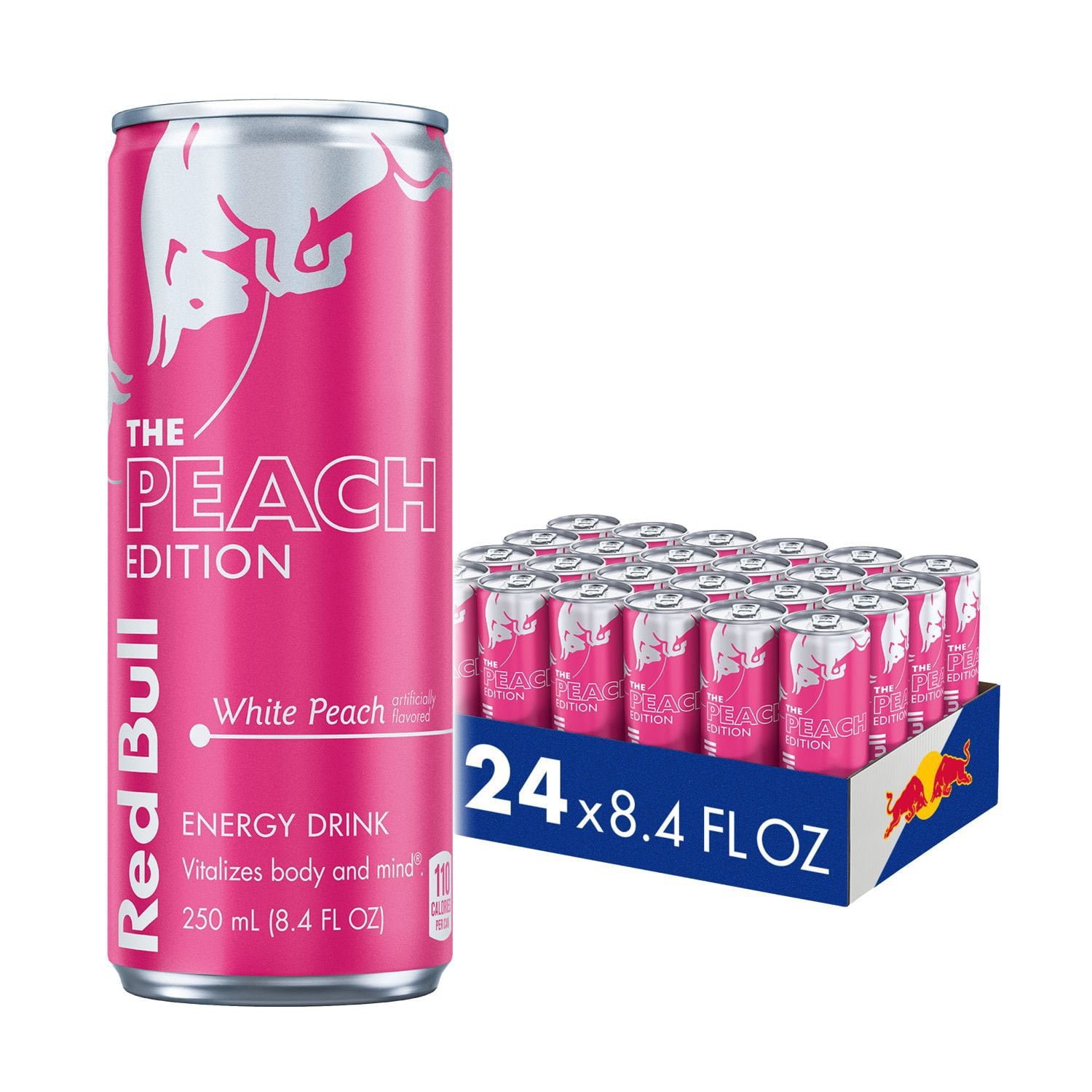
Compare a multipack with single grocery items by identifying exactly what each offer contains, matching individual sizes and formulas, and calculating the cost for the quantity you actually want. A multipack can have a lower price per item while requiring a larger total purchase. A single-item listing can be clearer for a small quantity, but its name still needs to establish the actual selling unit.
This guide explains a contents-first comparison for groceries and pantry purchases. It covers outer packs, inner units, mixed assortments, individual sizes, and hypothetical price calculations. The examples do not establish live store prices, custom splitting services, or a promise that every multipack is discounted.
Separate the outer pack from the inner item
Write down what one purchase adds to the order. Is it one bottle, one bag, one box containing several bags, or one case containing several boxes? A listing can contain several counts, and choosing the wrong level changes the calculation. Establish the selling unit before comparing totals.
For an invented example, one outer case might contain four boxes, each holding six individually wrapped items. That case would contain 24 inner items if the relationship is confirmed. The numbers four and six answer different questions; neither alone describes the complete case count.
Do not infer this hierarchy from photographs or abbreviated wording. If the title says pack but also includes single-unit language, ask what the selected price actually buys. A precise unit price based on an uncertain package level is still an uncertain comparison.
Confirm that the individual items match
Record the formula, flavor, size, and format of the inner item in each offer. Two packages can share a brand name while containing different versions. A regular product and a sugar-free product are not automatically equivalent alternatives simply because their containers look similar.
Check size as well as count. A six-pack of smaller bags is not the same food quantity as six larger bags. Price per bag describes an individual purchasing unit, but a weight-based comparison is needed when the bag sizes differ and the question concerns the same amount of food.
For beverages, keep container volume visible. A lower price per small can can coexist with a higher price per liter. Preserve both price bases rather than treating the smallest printed unit number as a complete answer about value.
| Packaging question | Multipack information needed | Single-item information needed |
|---|---|---|
| What is purchased? | Exact outer selling unit | Exact individual selling unit |
| How many inner items? | Confirmed count and package hierarchy | Confirm whether one means one item |
| What size is each? | Actual individual net quantity or volume | Matching item size |
| Which formula? | Full included version or versions | Exact selected version |
| Are contents mixed? | Names and allocation | Chosen flavor or item |
| What costs apply? | Current selected price and relevant charges | Current selected price and relevant charges |
Calculate price per matching item
For an invented offer, a six-pack priced at 15 currency units costs 2.5 units per item. If a matching single item costs 3 units, buying six singles would cost 18 units before other charges. The multipack is 3 units less for that exact six-item comparison, using those hypothetical inputs.
However, if you need only two items, the immediate alternatives are different. Two singles cost 6 units, while the multipack still costs 15 units and supplies six items. A lower unit price does not turn the extra four items into an immediate reduction in the amount paid.
Keep both the comparable-quantity calculation and the actual intended order visible. That prevents a valid six-item discount from being described as a saving for every smaller purchase. Whether the additional quantity is useful depends on the customer’s plan, storage, and product preferences.
Compare the intended quantity, not just the pack count
When a desired quantity does not divide evenly by the multipack size, calculate how many whole packs would be required if packs cannot be split. This is a purchasing scenario, not a claim that a store offers or refuses partial packs. Use the actual available selling units and terms.
For a hypothetical need of eight items, six-item packs would require two whole packs if only that format is available. That supplies twelve items. Compare the resulting total cost and extra quantity with eight matching singles rather than assuming that eight twelfths of the multipack price is an available purchase.
If the store explicitly offers split quantities, use the actual selected split offer. Do not invent that service from a unit-price calculation. An average price per inner item is useful accounting, but it does not establish that each inner item can be purchased separately at that amount.
| Hypothetical purchase goal | Six-pack at 15 units | Singles at 3 units each | What the comparison shows |
|---|---|---|---|
| Two items wanted | One whole pack costs 15 and supplies six | Two cost 6 | Lower unit price requires more total quantity |
| Six items wanted | One pack costs 15 | Six cost 18 | Multipack costs 3 less for matching count |
| Eight items wanted | Two whole packs cost 30 and supply twelve | Eight cost 24 | Extra pack quantity changes the immediate total |
| Twelve items wanted | Two packs cost 30 | Twelve cost 36 | Matching-count comparison favors the pack here |
| Split pack explicitly offered | Use the actual selected offer | Use actual single offer | Do not assume a split price from an average |
Add an equal-weight or equal-volume check
If inner items differ in size, calculate total quantity before comparing price. Multiply the confirmed item count by the size of each matching item. Use net food quantity or stated liquid volume rather than the outer package’s shipping weight.
For an invented example, six 200-gram bags contain 1.2 kilograms, while four 400-gram bags contain 1.6 kilograms. The first pack contains more individual bags but less total food by stated weight. A count-only comparison would miss that distinction even if the product names looked similar.
Normalize the price to the same unit, such as per kilogram or liter, and retain the count alongside it. Equal-volume arithmetic does not establish identical formulas, and equal-weight arithmetic does not establish identical ingredients. The comparison should preserve both quantity and product identity.
Mixed assortments need their own contents check
A variety pack can contain several flavors or versions. Confirm which products are included and how many of each. Do not assume equal allocation from a package image or divide the total evenly simply because the numbers work mathematically.
A mixed pack’s average cost per item can be calculated when the total count and price are confirmed. That average is not a separate retail price for each included flavor. It also does not establish how many units of a favorite flavor the customer will receive unless the allocation is stated.
If some included items would not otherwise be purchased, consider that in a separate planning scenario. Do not assign them the same personal value merely because the bundle includes them. The useful comparison asks whether the confirmed assortment replaces the actual single-item purchases being considered.
Keep ingredient and label checks attached to each version
A contents comparison should not silently merge formulas. If a mixed pack includes different versions, use the relevant current labels for those versions. One pictured ingredient panel may not establish every item in the assortment, particularly when the package contents themselves are unclear.
Read the complete ingredient list for specific ingredient preferences. A short description can highlight selected components without reproducing the entire formula. Keep any unresolved question visible rather than treating the absence of a name in marketing copy as proof of absence from the product.
Numerical nutrition comparisons also need matching serving bases. A larger inner item can contain more labeled servings, while a single item may not equal one serving. If you calculate cost per labeled serving, preserve the actual serving definition and avoid presenting it as price per purchasable item.
Include applicable order charges consistently
Compare item-only figures with item-only figures, or show which confirmed charges are included in each combined total. A delivery charge can affect a small single-item order differently from a larger multipack order, but the actual result depends on the applicable offer and destination.
Do not invent a shipping rate or assume a threshold applies without confirmation. Use the current order information and save the currency and review date. If a charge remains unknown, keep it separate instead of entering zero to complete the table.
For an order containing several products, state any method used to allocate a shared fee. That allocation is a comparison choice, not necessarily an official item price. Keep the actual total paid visible so the assigned per-item figures do not obscure the full purchase commitment.
Check practical use and storage
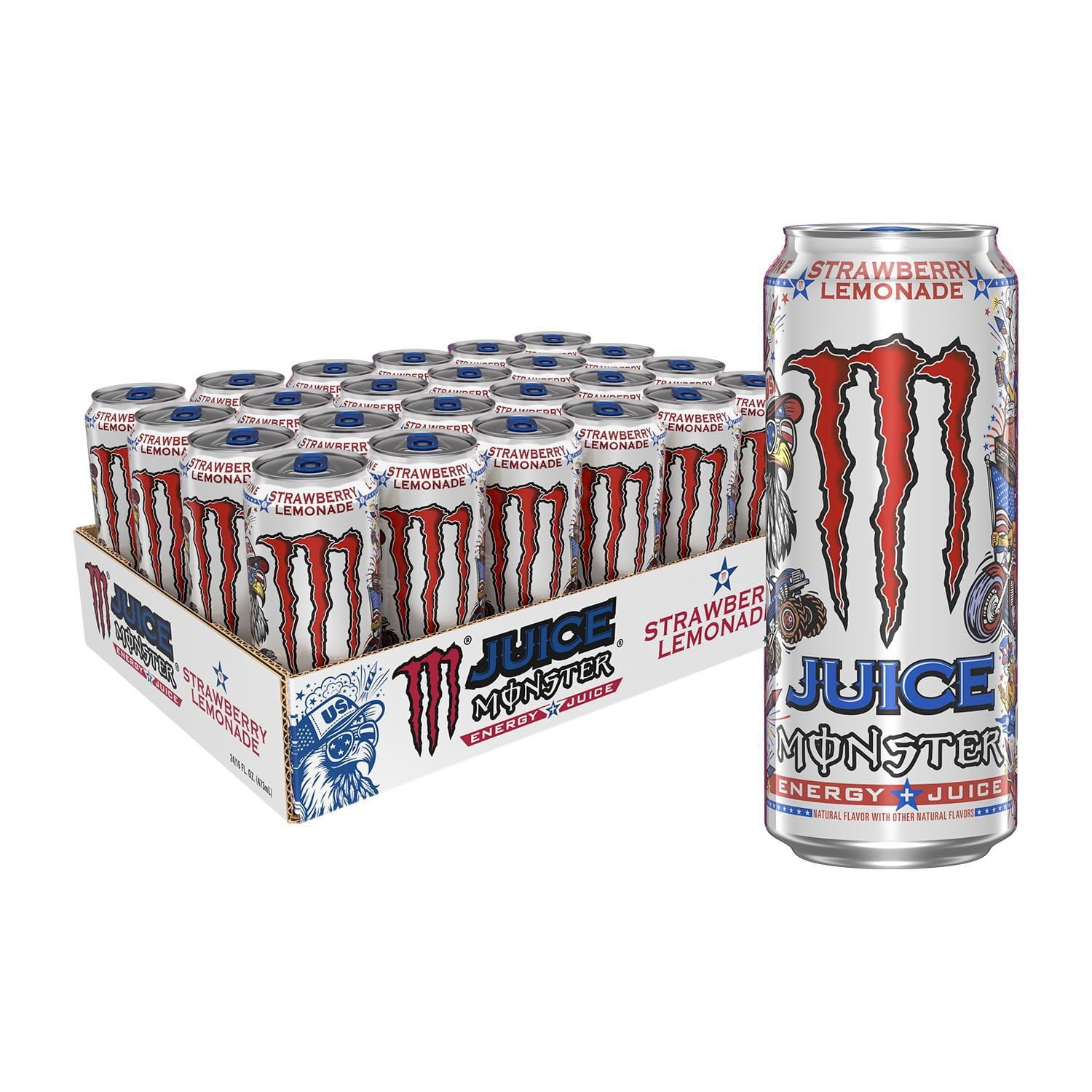
A multipack can reduce the frequency of purchasing while increasing the quantity stored at once. Compare that commitment with actual available space and the product’s directions. Total weight or liquid volume does not establish outer-carton dimensions, so obtain the physical measurements when fit matters.
Read the current date and storage information for the exact product. Do not assume a universal shelf life for every packaged food or beverage, and keep unopened directions separate from any after-opening or preparation instructions. A price comparison cannot establish whether a storage plan is appropriate.
For a small household, compare the confirmed pack quantity with a clearly stated estimate of likely use. That estimate is a planning assumption rather than a product fact. A lower unit price may still be less useful if the additional items do not replace purchases the household actually expects to make.
Do not assume custom splitting or substitutions
An inner-item average does not establish that the store will break a case. If a smaller quantity is important, look for an explicitly offered single or smaller pack and use its actual selected price. Ask about unavailable quantities instead of calculating an unofficial offer from a larger pack’s average.
Similarly, a substitution should remain a distinct option unless its contents and terms are confirmed. A different flavor, formula, or size can change both the product comparison and the unit arithmetic. Do not treat it as equivalent solely because the count is the same.
Keep the selected order information with the comparison. If an option changes, recalculate using that offer’s count and size. A correct calculation for the original pack should not be reused for a replacement whose contents have not been established.
A final single-versus-multipack worksheet
| Check | Evidence to save | What it clarifies |
|---|---|---|
| Selling unit | Single, box, case, or explicit split offer | What one purchase buys |
| Inner count | Confirmed package hierarchy | Correct denominator |
| Individual size | Net quantity or volume | Whether items are comparable |
| Formula | Full version and ingredient information | Whether the product match is real |
| Intended quantity | Actual need and whole packs required | Total spending and extra units |
| Price | Current amount, currency, included charges | Consistent cost basis |
| Assortment | Names and allocation | Whether wanted flavors are supplied |
| Practical fit | Space, directions, and use assumptions | Whether the larger commitment fits the plan |
Frequently asked questions
Is a multipack always cheaper than singles?
No. Compare the current selected offers on matched item sizes and quantities. Promotions and order charges can alter the result. Keep the total purchase commitment visible as well as the average item price, especially when the desired quantity is smaller than a whole pack.
Can I buy one inner item at the calculated average price?
Only use an actual offered selling unit and its stated price. Dividing a multipack total produces an average; it does not create a single-item offer or establish a case-splitting service. Look for the explicit smaller listing or ask about the available arrangement.
What if the pack contains different sizes?
Record each confirmed size and quantity separately. A simple average per item may hide different amounts of product. Use a weight or volume comparison where meaningful and keep the product identities visible rather than pretending every inner unit is interchangeable.
Should I compare a variety pack with one favorite flavor?
Confirm the actual allocation first. A lower average price does not establish the number of the preferred flavor or a separate price for it. Compare the confirmed contents with the single-item purchases you would otherwise make, preserving any planning assumptions about unwanted extras.
What should I check at checkout?
Confirm the selected selling unit, count, sizes, formula, contents, current price, applicable charges, and availability. Update the comparison when an option changes. The arithmetic remains useful only while its inputs describe the actual purchase being made.