




Blog
How do vitamin D2 and D3 product labels differ?

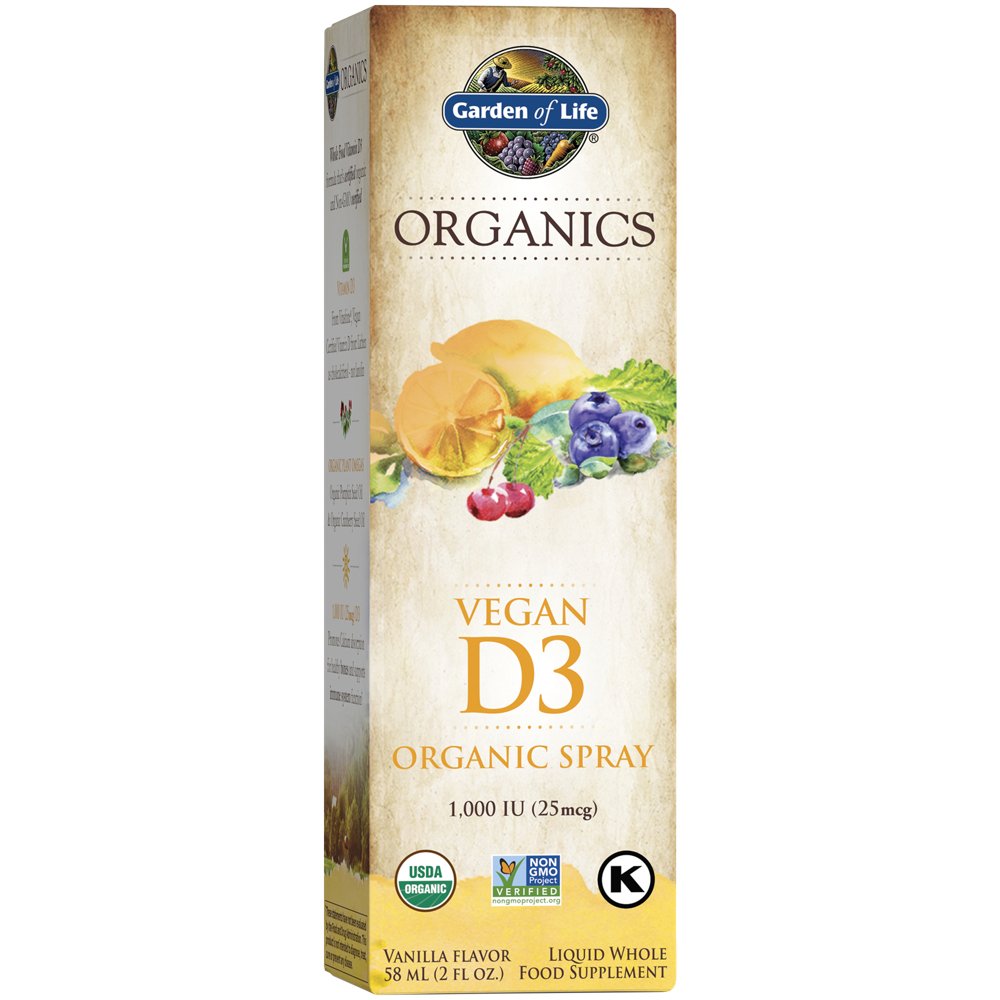
Vitamin D2 and D3 labels differ first in the form of vitamin D identified. Look for ergocalciferol for D2 and cholecalciferol for D3, then compare the amount, unit, serving size, format, and other ingredients. The form name is one part of the specification; it does not establish a product’s complete formula or the amount appropriate for an individual.
This guide explains how to compare vitamin products without confusing the form with strength, source, or package quantity. It covers label terminology, micrograms and IU, dietary statements, combination products, price, and questions to ask before ordering. It does not recommend a personal vitamin D dose or a treatment choice.
Which names should I look for?
The NIH Office of Dietary Supplements’ vitamin D fact sheet identifies D2 as ergocalciferol and D3 as cholecalciferol. Read the exact ingredient description on the selected product rather than identifying the form from bottle color, brand, or a general vitamin D category.
Record both the common form name and any longer ingredient wording. A front label may emphasize D3 while the Supplement Facts panel provides the more detailed description. If the retail title says only vitamin D, seek the matching panel before assuming which form is included.
Do not transfer a form description from another product in the same range. A manufacturer may sell several strengths, formats, and combinations. Similar packaging or a remembered older purchase does not establish the formula of the selected item.
What does the form name leave unanswered?
D2 or D3 does not by itself tell you the amount per serving, the number of servings, the source of the ingredient, or all other ingredients. Keep these as separate fields in your comparison. A short title can be accurate yet still omit information needed for your decision.
Likewise, a form name should not automatically become a dietary certification. If a particular source or finished-product standard matters, inspect its exact statement and supporting information. Ask a specific question when the product’s wording does not resolve the requirement.
The same distinction applies to format. A spray, softgel, tablet, capsule, or liquid can carry a form designation while differing in other respects. Identify both the chemical form and the physical format instead of treating either one as a complete specification.
| Label question | What to record | What it does not establish alone |
|---|---|---|
| Which form? | D2/ergocalciferol or D3/cholecalciferol as stated | Complete formula or personal suitability |
| How much? | Amount and unit per labeled serving | Number of servings in the package |
| What serving? | Exact portion used by the panel | A universal amount for every shopper |
| What format? | Spray, softgel, liquid, tablet, or capsule | Ingredient source or certification |
| What else? | Complete additional ingredient information | Equivalence with another product |
How do micrograms and IU affect the comparison?
Vitamin D quantities can be displayed in micrograms and International Units, abbreviated IU. The NIH fact sheet gives the relationship of one microgram of vitamin D to 40 IU. Keep the original label values and serving basis alongside any conversion rather than comparing the printed numbers without their units.
The conversion does not change the form. Converting a D2 amount from IU to micrograms does not turn it into D3, and matching units does not establish identical finished formulas. Treat unit conversion as a way to understand quantities, not as a conclusion about product interchangeability.
If two units are shown on a panel and the figures appear inconsistent, recheck the image and copied values. A blurry decimal, cropped unit, or different serving column can create confusion. Request clarification if the mismatch remains rather than choosing the number that looks more favorable.
Why must I read the serving size first?
The disclosed amount belongs to the stated serving. For a solid product, that serving may involve more than one physical piece. For a liquid or spray, it may refer to a specified measured portion. Read the exact basis before comparing amounts between formats.
Do not assume that one drop, one spray, one capsule, and one tablet describe equivalent portions. Their meanings depend on the product’s own label and directions. Avoid changing a preparation method or serving merely to produce a convenient numerical comparison.
Keep physical package size separate from nutrient amount. A large liquid bottle can have a different concentration or serving volume from a smaller one. A high capsule count can represent a different number of labeled servings. Compare the actual disclosed fields instead of package appearance.
What should I check about ingredient source?
Look for an explicit source statement for the exact product. Do not infer it solely from D2 or D3 wording, a plant-themed package, or a brand’s general identity. Where a dietary requirement matters, the relevant question concerns the selected finished product and its actual disclosed ingredients.
If a label or manufacturer page makes a vegan or other dietary claim, keep its wording and scope visible. A statement about one ingredient does not automatically describe capsule materials, flavor ingredients, or every other component. Ask what the claim covers if the explanation is incomplete.
Keep ingredient source separate from the country of manufacturing or packaging. A location statement may describe where the finished item is made rather than the origin of its vitamin D ingredient. Ask those questions independently if both matter to your purchase.
How do combination products change the comparison?
A product can include vitamin D alongside calcium, vitamin K, oils, or other ingredients. Check the full panel before treating it as equivalent to a simpler formula. Similar vitamin D amounts do not establish the same additional ingredients or directions.
Record each relevant ingredient independently with its amount and unit where disclosed. Do not add different nutrient quantities into one total and call the result overall strength. A combined printed mass is not a useful score for a multi-ingredient formula.
If your question is whether a combination suits your circumstances or other medicines and supplements, use the full labels when seeking qualified advice. A retail comparison can identify differences, but it should not determine an individual regimen from package information alone.
Can I decide between D2 and D3 from a product review?
Reviews can describe a customer’s experience with flavor, packaging, or convenience, but they do not establish what is appropriate for every shopper. Check whether the reviewer discusses the same form, strength, and version before using the comment to identify practical questions.
Do not treat a personal report of an outcome as verification of a product claim or as a reason to select a particular amount. The label provides the disclosed specification, and authoritative research addresses narrower questions than a general star rating.
A useful review may prompt you to ask about a measuring device or package format. Keep that practical observation separate from factual confirmation of ingredients, source, or nutrient quantities. Each type of information has a different role in a sound comparison.
What should a price comparison include?
First confirm that each candidate meets your essential purchasing requirements. Then record the selected price, labeled servings, and disclosed amount per serving. Use the same currency and purchasing conditions, including how you treat delivery and other checkout charges.
Cost per labeled serving describes each product’s own stated portion. It does not establish equivalent quantities or formulas. If you calculate cost per disclosed quantity of vitamin D, show the units and inputs clearly and avoid turning the arithmetic into a personal use recommendation.
The following invented figures illustrate package costs only. They are not live offers, product specifications, or suggested amounts to use. The examples intentionally leave formula differences outside the arithmetic rather than pretending that price settles them.
| Hypothetical option | Item price | Labeled servings | Cost per labeled serving |
|---|---|---|---|
| Product A | $12 | 60 | $0.20 |
| Product B | $18 | 90 | $0.20 |
| Product C | $15 | 50 | $0.30 |
| Product A with $6 allocated delivery | $18 total | 60 | $0.30 |
Compare subscription and one-time prices separately. If a promotion has conditions, record them. A large bottle may lower a unit price while increasing the initial commitment, so consider the exact format, storage instructions, and available date information alongside cost.
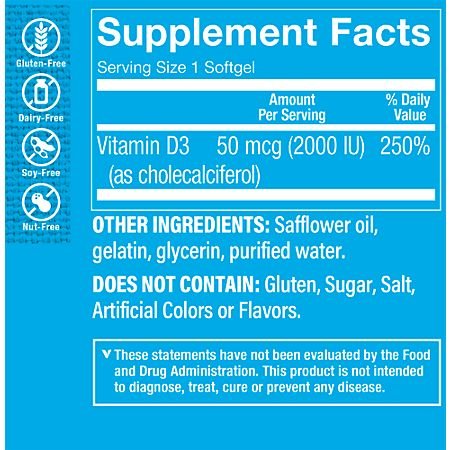
What if the store does not show the form I want?
Do not infer availability from a general educational guide. Check the actual selected listing and confirmed product details. This article explains comparison terminology; it does not establish that a specific D2 formula is currently stocked or that every illustrated product is a substitute for it.
If the form is unclear, ask for the full current label. If the desired form is not offered, do not relabel another product or treat a related formula as identical. A clearly identified alternative can still require a separate suitability decision.
Keep search results separate from confirmed purchase information. A preview snippet may omit a form or show an old description. The exact product page, matching label, and clarification for the offered item provide a firmer basis for the order.
Which questions help resolve an unclear label?
Send a focused request with the exact product link, selected size, and the statement you want clarified. Ask which form is used, what quantity the serving contains, or what source statement applies. Avoid asking only whether the product is good, since that does not identify the missing specification.
If the title and panel disagree, describe the conflict directly. A different form, strength, or serving basis can materially change the comparison. Do not combine the preferred detail from each source into a formula that neither source confirms.
Save the response with the product identity and date. Recheck the selected option before ordering, and compare the delivered package with that information. Contact the seller if the form, format, or quantity differs from the order rather than assuming the difference is cosmetic.
| Unresolved point | Useful question | Comparison limit until answered |
|---|---|---|
| Title says only vitamin D | Which form is identified on the current panel? | D2 or D3 remains unconfirmed |
| Units appear inconsistent | Can you provide a readable complete panel? | Quantity comparison is uncertain |
| Source claim is unclear | What does the exact claim cover? | Dietary requirement remains unresolved |
| Combination ingredients differ | What is included in this selected formula? | Products cannot be treated as identical |
| Several strengths share images | Which panel matches this option? | Amount and serving basis need confirmation |
Frequently asked questions about D2 and D3 labels
Which names identify D2 and D3?
Look for D2 or ergocalciferol and D3 or cholecalciferol as stated on the exact product. Read the full ingredient description and preserve it in your notes rather than identifying the form from appearance or brand alone.
Does matching the unit make the formulas identical?
No. Unit conversion helps compare disclosed quantities, but the form, source, additional ingredients, format, and directions can still differ. Keep those differences visible rather than treating an arithmetic match as proof of interchangeability.
Is one spray equivalent to one capsule?
Do not assume that. Check each product’s serving basis and disclosed quantity. The physical unit or measuring action does not provide a universal comparison across products or formats.
Do the images prove D2 is currently available?
No. The photographs illustrate D3 formats and label-reading points. Availability and the exact form of any purchase must be checked on the selected live listing or confirmed with the seller.
Can a product title replace the panel?
A title can identify a product but may omit important details. Use the matching current label to check form, amount, serving size, and other ingredients. Request clarification if the two sources conflict.
What is the best final comparison record?
Keep the exact product identity, form wording, amount and unit, serving basis, source statements, full formula, price conditions, and unanswered questions together. This supports a clearer purchase decision without turning the comparison into personal treatment advice.