




Blog
How do Red Bull and Monster can sizes compare as purchases?

Compare Red Bull and Monster can sizes as purchases by recording the exact can volume, number of cans, and total stated liquid quantity for each selected offer. Brand names alone do not establish one universal size. A larger can count can still represent less total drink when the individual cans are smaller.
This guide uses specifically identified energy-drink listings to explain quantity comparisons. It covers pack arithmetic, unit prices, label checks, and practical ordering questions. The examples compare purchasing units, not personal intake, health effects, or a recommendation to consume a complete container.
Identify the product line as well as the brand
Write the complete name, flavor, formula, and size from the selected listing. Red Bull and Monster each appear in different named versions, and a size comparison should not erase those differences. A regular formula and a zero-sugar formula can share a brand while remaining different products.
Use the actual selected offer rather than a broad brand search result. A search page can show several sizes, old images, or a default package that differs from the item you intend to buy. Keep the link to the exact listing alongside the quantity information so that later checks refer to the same purchase.
Also distinguish a single can from a retail case. The can volume describes each individual container. The case count describes how many of those containers are offered together. Neither field should be silently substituted for the other when calculating a price or comparing storage requirements.
Three reviewed listings illustrate the size differences
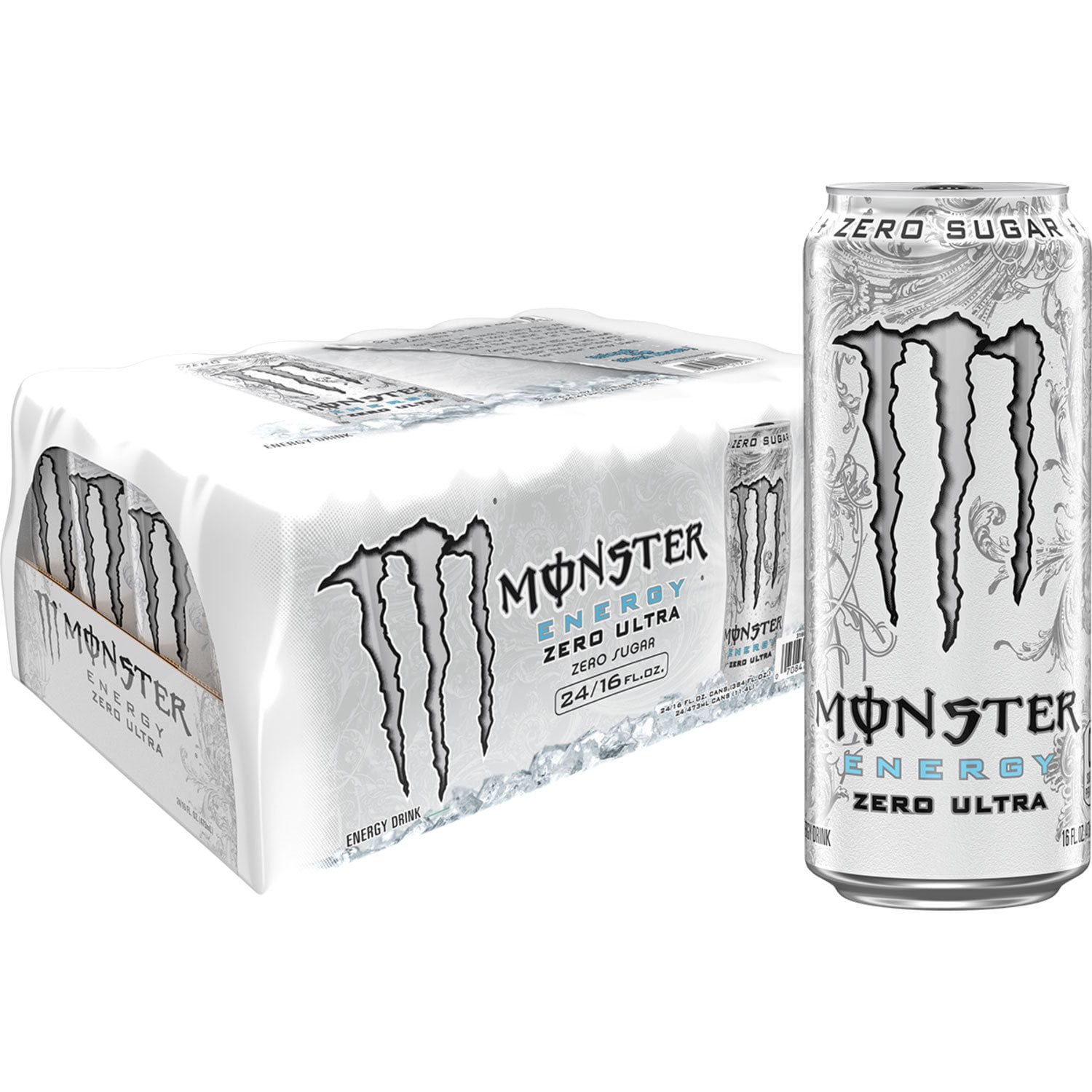
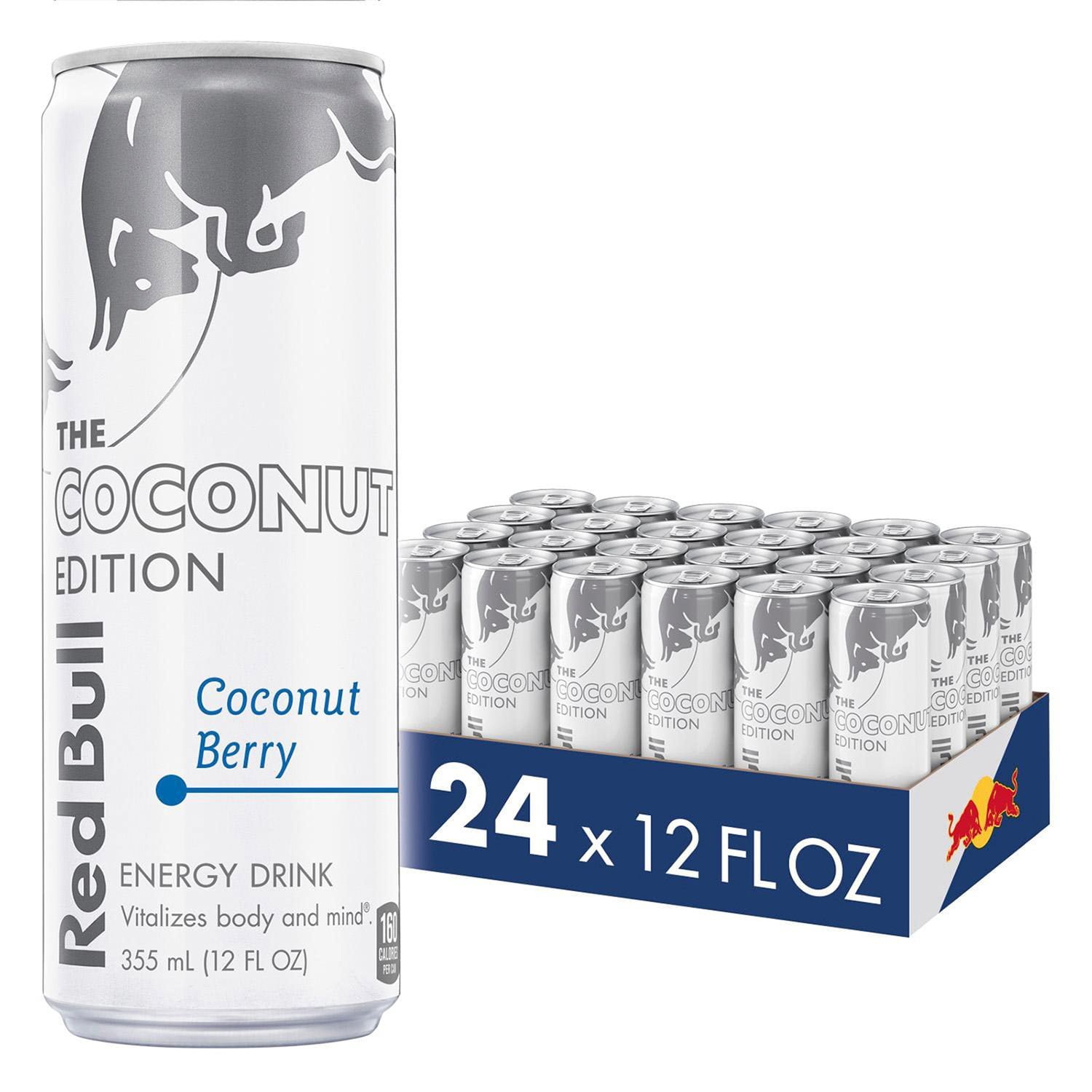
The store listings reviewed on October 17, 2026 identify Red Bull Energy, 8.4 fluid ounces, 28 pack; Red Bull Coconut Berry, 12 fluid ounces, 24 pack; and Monster Energy Zero Ultra, 16 fluid ounces, 24 pack.
These are examples of particular offers, not a complete size catalog for either brand. Their formulas and flavors differ, so the table below is a quantity comparison rather than a claim that the products are nutritionally equivalent. Recheck each current listing before relying on its selected size and count for an order.
Multiplying each stated can size by its stated count gives 235.2, 288, and 384 fluid ounces respectively. The first offer has the most cans among these examples but the smallest calculated combined volume. That distinction is useful when a package’s large count looks like a larger liquid purchase at first glance.
| Reviewed offer | Size of each can | Stated can count | Calculated total fluid ounces |
|---|---|---|---|
| Red Bull Energy example | 8.4 fl. oz. | 28 | 8.4 × 28 = 235.2 |
| Red Bull Coconut Berry example | 12 fl. oz. | 24 | 12 × 24 = 288 |
| Monster Energy Zero Ultra example | 16 fl. oz. | 24 | 16 × 24 = 384 |
Decide whether count or volume answers your question
Can count is useful when you need to know the number of separate packaged units in an order. Total volume is useful when comparing the amount of liquid supplied. A customer can care about both, but neither should be described as the only meaning of package size.
For example, two hypothetical cases can each contain 24 cans while holding different total volumes because the individual cans differ. Conversely, two offers can supply a similar combined volume using different can counts. The practical arrangement changes even if one numerical measure looks close.
Keep the individual container size visible beside the total. A combined volume does not tell you how the product is divided, and a count does not tell you the volume. A clear purchasing table preserves all three fields: size, count, and calculated total.
Price per can is only one comparison basis
Divide the current selected pack price by the confirmed can count to calculate item cost per can. Record the currency, date, and which costs are included. A per-can result based on item price alone should not be presented as a delivered price if additional order charges have not been counted.
For an invented example, a 24-can offer priced at 36 currency units costs 1.5 units per can. A 28-can offer priced at 42 units also costs 1.5 units per can. The matching result does not establish the same can volume, formula, or total purchase quantity.
Save the total price as well as the unit result. A lower unit price can require a larger total purchase, and an equal unit price can describe smaller individual containers. The arithmetic should make those differences easier to see rather than hiding them behind one rounded number.
Add an equal-volume price comparison
When can sizes differ, divide price by the total confirmed volume to compare cost for the same quantity of liquid. You can use fluid ounces consistently or use the package’s stated metric volume where available. Do not mix units or use a guessed can size from a different listing.
For a hypothetical 24-can case of 12-fluid-ounce cans priced at 36 units, total volume is 288 fluid ounces. The item cost is 0.125 units per fluid ounce. A hypothetical 24-can case of 16-fluid-ounce cans at the same price supplies 384 fluid ounces and costs 0.09375 units per fluid ounce.
Those examples illustrate the effect of volume on price arithmetic. They are not current prices for the reviewed products, and they do not establish equivalent formulas. Keep any rounding visible and use the actual selected offer’s inputs when applying the method to a purchase.
| Hypothetical offer | Pack price | Can count and size | Cost per can | Item cost per fl. oz. |
|---|---|---|---|---|
| Example A | 36 units | 24 × 12 fl. oz. | 1.50 units | 0.125 units |
| Example B | 36 units | 24 × 16 fl. oz. | 1.50 units | 0.09375 units |
| Example C | 42 units | 28 × 8.4 fl. oz. | 1.50 units | About 0.1786 units |
| Example D | 30 units | Count or size unconfirmed | Cannot complete both comparisons | Confirm the missing input |
Can size does not establish caffeine amount
Read the caffeine declaration for the exact formula and container. Do not infer a numerical amount from the can’s volume or assume that all cans from one brand use the same concentration. Different versions can have different statements, and a shared brand name is not a conversion factor.
Record whether the amount is per serving, per complete can, or per fixed volume. A per-serving declaration needs the corresponding serving information before a complete-can calculation can be made. A figure already stated per can should not be multiplied by a serving count again.
Keep this information separate from pack quantity. The number of cans in a case is a purchasing count, not a personal intake instruction. This guide compares offers and label bases; it does not recommend choosing more caffeine or consuming more containers because one case has a lower unit price.
Sugar and ingredient comparisons also need exact versions
The reviewed examples include differently named products, so do not use their quantity table as a nutrition ranking. Read total sugars, added sugars where provided, calories, and other relevant fields from each selected label. Preserve the serving basis instead of treating an unqualified number as a complete-can value.
Use the full ingredient list for named sweeteners or other ingredient preferences. A front-of-can phrase does not reproduce the whole formula. If a readable declaration is unavailable, ask for the exact current version rather than transferring information from another flavor or a smaller can.
When comparing equal volumes, calculate nutrient concentration separately from complete-container amount. A larger can can contain a larger total even when its per-volume concentration is lower. Keep each conclusion attached to its basis so that the word more does not obscure what quantity was actually compared.
Confirm flavor contents and package allocation
A single-flavor case and a variety pack are different purchasing arrangements. If the listing describes an assortment, obtain the included flavors and quantities. Do not assume equal allocation simply because several flavors appear in the package image or the total count divides evenly.
This distinction matters when comparing a favorite flavor against a lower-priced mixed offer. The average pack cost per can does not establish a separate selling price for each flavor, and the assortment may not provide the quantity of the specific flavor you wanted. Keep the actual contents beside the price comparison.
Do not assume custom mixing or substitutions are available. If an alternative is offered, identify its formula, size, count, and relevant terms separately. A different brand, flavor, or container size should remain a distinct option rather than being silently treated as equivalent to the original selection.
Storage space is not just total liquid volume
A combined liquid volume does not establish the outer carton dimensions. Can shape, arrangement, and packaging can affect how a case fits a shelf or cooler. If physical space matters, obtain the actual package dimensions instead of deriving them from fluid ounces alone.
Read the current storage directions on the product. This guide does not create a universal storage temperature, freezing instruction, or opened-container shelf life for every energy drink. Keep unopened storage, handling after opening, and package date information distinct where the manufacturer supplies separate directions.
For larger purchases, consider the number of units and practical storage arrangement as well as the unit price. A case that appears economical on a volume basis can still be a different quantity commitment from a smaller offer. The worksheet should describe that commitment clearly without turning it into a consumption plan.
Verify availability and the final order
Reopen the selected current listing before ordering. A guide’s dated quantity examples do not establish live stock, exact available cases, or future restock timing. If you need a larger number of packs, ask about that exact quantity rather than reading an in-stock label as unlimited supply.
Keep delivery timing and applicable costs separate from stock wording. Use the actual information for your destination and selected order. Do not assume that a general availability statement establishes same-day dispatch, a guaranteed arrival date, or an order-specific delivery charge.
Save the final selected name, count, size, and displayed order amounts. If an option changes, revisit the calculations. This final check helps prevent a valid comparison of one offer from being applied to a different case added later.
| Final check | Evidence to retain | Question if unclear |
|---|---|---|
| Product identity | Brand, line, flavor, formula | Which exact version is selected? |
| Quantity | Individual volume and can count | Do title and contents agree? |
| Volume math | Count multiplied by stated size | Are all inputs from one offer? |
| Price basis | Current price, currency, included costs | Item-only or delivered comparison? |
| Label | Current relevant declarations | Does it match this version and size? |
| Contents | Single flavor or confirmed assortment | Are allocations actually stated? |
| Order | Current availability and applicable terms | Is any timing or quantity assumption unsupported? |
Frequently asked questions
Is Monster always a larger purchase than Red Bull?
Compare the exact selected offers rather than the brands in general. The reviewed examples have specific sizes and counts, but they are not a complete catalog. A package’s combined volume depends on both the individual container and the number of units included.
Does the pack with more cans contain more drink?
Not necessarily. The reviewed 28-can example has smaller individual cans than the two 24-can examples. Multiplying the stated size by count makes the distinction visible. Keep both count and total volume rather than using one as an automatic substitute for the other.
Should I compare price per can or per volume?
Use both when sizes differ. Per-can cost describes the individual purchasing unit, while equal-volume cost compares a shared liquid quantity. Preserve the total pack price and formula information as well, since matching one numerical basis does not establish an equivalent product.
Can I calculate caffeine from can size?
Use the actual current caffeine declaration and its basis. Container volume alone does not establish a formula’s caffeine concentration. If the amount is missing or unclear, ask for product-specific confirmation rather than scaling a figure from another flavor or brand.
What should I check after delivery?
Match the delivered product line, flavor, size, count, and label to the selected offer. If anything differs, preserve the details and resolve the specific mismatch. A saved listing and dated comparison make it easier to identify which part of the original purchase information needs clarification.