




Blog
How do I compare subscription prices with one-time supplement purchases?

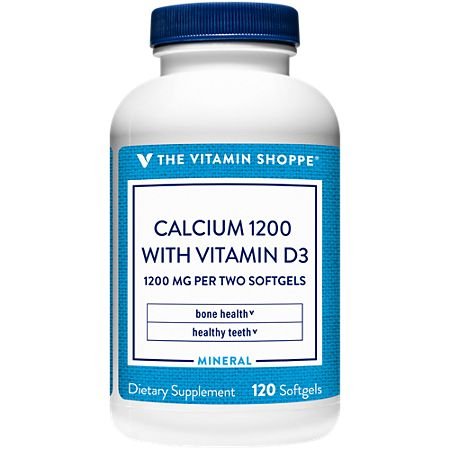
Compare a supplement subscription with a one-time purchase by matching the exact product and quantity, then calculating the introductory charge, later charges, delivery, and the number of shipments you realistically intend to buy. A lower first price does not automatically establish a lower total over several orders. Read the actual recurring terms before relying on a headline discount.
This guide provides a comparison method for vitamins and supplements wherever an actual recurring offer is available. It does not confirm that Sprinkles Menu offers a subscription for every product, announce a new service, or establish a cancellation or refund policy. The calculations are hypothetical examples, not current prices.
Confirm that the offers really match
Write the complete product name, formula, strength, format, size, and market for each option. A subscription price for one bottle size should not be compared with a one-time price for another without preserving the quantity difference. A familiar brand name is not a complete product match.
Also record how many containers are included in each shipment. A recurring delivery might be priced for one bottle, several bottles, or another specified package. Do not assume the displayed amount describes the same quantity as the one-time option simply because the product photograph is similar.
If the contents or selected version differ, keep separate rows and calculate a matched quantity where meaningful. The comparison should describe the actual offers rather than force two different products into an assumed equivalent arrangement.
Separate the introductory and renewal amounts
Look for whether the first charge differs from later charges. Save the exact wording, currency, and any conditions. Do not multiply a first-order discount across every future shipment unless the actual offer explicitly confirms that treatment.
The FTC’s consumer subscription guidance encourages checking the terms of trials and recurring arrangements. For a purchasing worksheet, that means identifying what happens after the initial offer rather than treating the headline price as the complete cost explanation.
If later pricing is unclear, leave it unconfirmed and request an answer for the selected arrangement. A precise-looking long-term total based on an unknown renewal amount is not a verified comparison. Keep estimates separate from confirmed amounts.
| Offer field | Subscription information needed | One-time information needed |
|---|---|---|
| Exact product | Formula, size, version, containers per shipment | Matching selected product and quantity |
| First charge | Introductory price and conditions | Current applicable single-order price |
| Later charges | Stated renewal amount or pricing method | Current price for each planned separate order |
| Frequency | Actual shipment and billing basis | Number of realistic intended orders |
| Delivery | Applicable charges for each relevant shipment | Applicable charges for the alternative orders |
| Commitment | Actual minimum or other terms if stated | Actual selected order terms |
| Changes | Confirmed pause, skip, or cancellation process if offered | Flexibility to place another actual order |
Compare a defined number of shipments
Choose a realistic comparison scope, such as three identified shipments, and state the assumption. Do not call the result a monthly cost unless the actual billing and shipment interval establish that basis. A delivery every four weeks and a delivery every calendar month are not identical schedules.
For an invented example, assume the subscription supplies the same product quantity in each of three shipments. Its item charges are 20 units initially and 30 units for each of the next two shipments, with 4 units delivery each time. The included total is 24 + 34 + 34 = 92 currency units.
The matching hypothetical one-time alternative costs 27 item units plus 4 delivery units for each of three orders, giving 31 × 3 = 93 units. The first subscription shipment costs 7 units less than the corresponding one-time order, but the three-shipment difference is only 1 unit under these assumptions.
Keep the worked example’s assumptions visible
The example assumes matching products and quantities, the stated repeated delivery amount, and no other included costs. It does not establish actual store rates or guarantee that the one-time price remains unchanged. Replace those inputs with the real offer before using the result to plan a purchase.
It also assumes three shipments are actually wanted. If only one purchase is needed, the relevant comparison can be different, particularly if the recurring arrangement has conditions that affect stopping. Read the actual terms rather than treating an illustrative three-order scenario as a recommended purchase pattern.
Keep any minimum commitment or unresolved fee visible. This guide does not invent one, but neither should a worksheet silently assume it is absent. A complete comparison depends on the actual arrangement, not a convenient version created to make one option appear cheaper.
| Hypothetical matched purchase | Shipment 1 with stated delivery | Shipment 2 with stated delivery | Shipment 3 with stated delivery | Included three-shipment total |
|---|---|---|---|---|
| Recurring example | 20 + 4 = 24 units | 30 + 4 = 34 units | 30 + 4 = 34 units | 92 units |
| One-time example | 27 + 4 = 31 units | 27 + 4 = 31 units | 27 + 4 = 31 units | 93 units |
| Renewal price unknown | Confirm first amount | Unconfirmed | Unconfirmed | Cannot establish final comparison |
| Quantities differ | Identify actual contents | Match quantity basis | Match quantity basis | Recalculate before ranking |
Billing and shipment frequency need separate confirmation
Record when a charge occurs and when the corresponding product is scheduled to ship. Do not assume those events are identical or that a displayed interval answers every timing question. Use the actual selected arrangement’s wording and ask if the relationship is unclear.
If the offer describes a period in weeks, preserve that period. Do not convert it casually into a calendar-month promise or multiply it by twelve without examining the actual schedule. The comparison should use consistent events or a clearly defined time period.
Also distinguish an estimate from a commitment. A recurring arrangement can describe a schedule without establishing a guaranteed arrival date at every destination. Keep service and delivery information separate from the price arithmetic so a known charge does not become an invented timing assurance.
Normalize to a matching quantity or labeled serving
If the offers use different package counts, calculate total confirmed contents before dividing. For supplements, keep capsule count, container count, and labeled servings distinct. One capsule is not automatically one serving, and a larger bottle does not necessarily represent the same formula or amount per serving.
If each hypothetical shipment contains 30 labeled servings, three matching shipments contain 90 labeled servings. Dividing the included cost by 90 produces a cost per stated serving on that purchasing basis. It does not prescribe how much to use or determine an individual’s needs.
If formulas differ, preserve that limit even after normalizing price. A lower cost per serving is not proof of equivalent ingredients or superior suitability. The quantity arithmetic answers a defined cost question while product and personal-use questions require their own review.
Consider the quantity commitment realistically
A lower recurring unit price can still mean receiving more product than intended. Compare the actual number of shipments and containers with the purchase plan. Do not create a use target simply to justify a discount or treat excess inventory as an automatic saving.
Check the actual storage directions and relevant date information for the selected quantity. This guide does not assign a universal shelf life or storage rule to all supplements. A larger purchase commitment should fit the product-specific information and practical space available.
A one-time purchase can provide flexibility to decide later whether another order is wanted. A recurring arrangement, where actually offered, can provide a different purchasing convenience. Those are practical differences to record, not a universal ranking that one format is always better.
Read pause, skip, and cancellation terms separately
If these options are offered, determine what each actually does. A paused shipment, a skipped occurrence, and a cancelled arrangement can have different effects under the stated terms. Do not assume that one action stops every future charge or changes an order already being processed.
Find the actual process before relying on it. Record any stated cutoff, time basis, and confirmation method. This guide does not create a standard cancellation window or promise a particular account feature. If the information is missing, ask about the exact selected plan.
Also keep refunds and returns separate from stopping future renewals. An action affecting later shipments does not, by itself, establish what happens to a past charge or dispatched product. Use the actual applicable terms and preserve the distinction in the comparison.
Promotions and free trials need their full conditions
A trial or introductory description should be read with the actual charge and transition details. Ask what is paid initially, what happens next, and whether any action is needed to avoid further participation. Do not assume that the word free means every related cost is zero.
If a promotion applies only to the first shipment or a specific quantity, keep that limitation visible. A headline percentage should not be repeated across the entire comparison period unless the terms support it. The worked example above demonstrates how later prices can change the apparent saving.
This guide does not confirm any particular trial or recurring discount on the store. Use the actual current selected offer and save its date. An older promotional image or another brand’s arrangement does not establish the terms for the product being considered.
Keep delivery, currency, and other costs consistent
An item-only comparison excludes costs beyond product prices. If delivery or another applicable charge is confirmed and included, identify it explicitly. Do not compare a subscription amount including delivery with a one-time item price alone and call the difference a like-for-like saving.
Use one currency basis and preserve conversion assumptions if needed. A planning exchange estimate is different from a final paid amount. Keep unknown provider or destination-related costs unresolved rather than filling them with zero for convenience.
For several products in one shipment, any shared-fee allocation should be stated as your worksheet method. It is not necessarily an official item price. Keep the complete total visible so that assigned per-bottle or per-serving figures do not obscure the actual amount charged.
Save the terms that supported the comparison
Keep the selected offer, product identity, first and later pricing, frequency, relevant change process, and date checked. Retain qualifications rather than saving only a discount headline. That record makes it easier to understand which assumptions changed if a later charge differs.
Before enrolling in any actual recurring arrangement, verify the final selected option. A product page can present one-time and recurring choices together, so confirm the choice being made rather than inferring it from a large promotional number. This guide does not perform or authorize enrollment on a customer’s behalf.
If a product or plan changes, revisit the calculation. A careful earlier comparison should not become a permanent assurance about every future shipment. The useful record remains connected to the actual selected arrangement and current product version.
A final comparison checklist
| Check | Save | If missing |
|---|---|---|
| Product match | Exact formula, size, containers | Resolve different versions or quantities |
| First price | Introductory amount and conditions | Do not extrapolate a headline |
| Renewal price | Later amount or stated method | Keep long-term total unconfirmed |
| Frequency | Billing and shipment wording | Avoid casual month conversions |
| Cost scope | Delivery and other confirmed components | Separate unknown amounts |
| Commitment | Actual minimum or other conditions | Do not assume flexibility |
| Change process | Pause, skip, cancellation information if offered | Ask before relying on a feature |
| Final selection | Actual option and date | Recheck if the offer changes |
Frequently asked questions
Is the first subscription discount the long-term saving?
Not necessarily. Calculate the selected number of matching shipments using introductory and later charges. Include applicable known costs and preserve assumptions. A lower first price can produce a much smaller total difference once renewal amounts are included.
Can I compare per month without checking the interval?
Use the actual billing and shipment basis. Weeks, calendar months, and a number of shipments are different ways to define a period. Do not label a calculation monthly unless the real arrangement and comparison scope support that wording.
Does a lower serving cost mean a better supplement?
Cost arithmetic does not establish equivalent formulas or individual suitability. Preserve ingredient identity, declared amounts, and the actual serving definition. A lower ratio answers a defined purchasing question rather than prescribing a product or use amount.
Is skipping the same as cancelling?
Read the actual terms for each offered action. Do not assume a skip stops all later charges or affects an order already in process. Keep future-renewal changes separate from refund or return questions, which require their own applicable information.
What if no recurring offer is clearly listed?
Do not assume one exists or create terms from a general guide. Use an actual offered one-time purchase or ask about the available arrangement. This article explains how to compare a recurring offer when one is explicitly available; it does not announce a universal store subscription service.