


Blog
Are French-language product labels available?

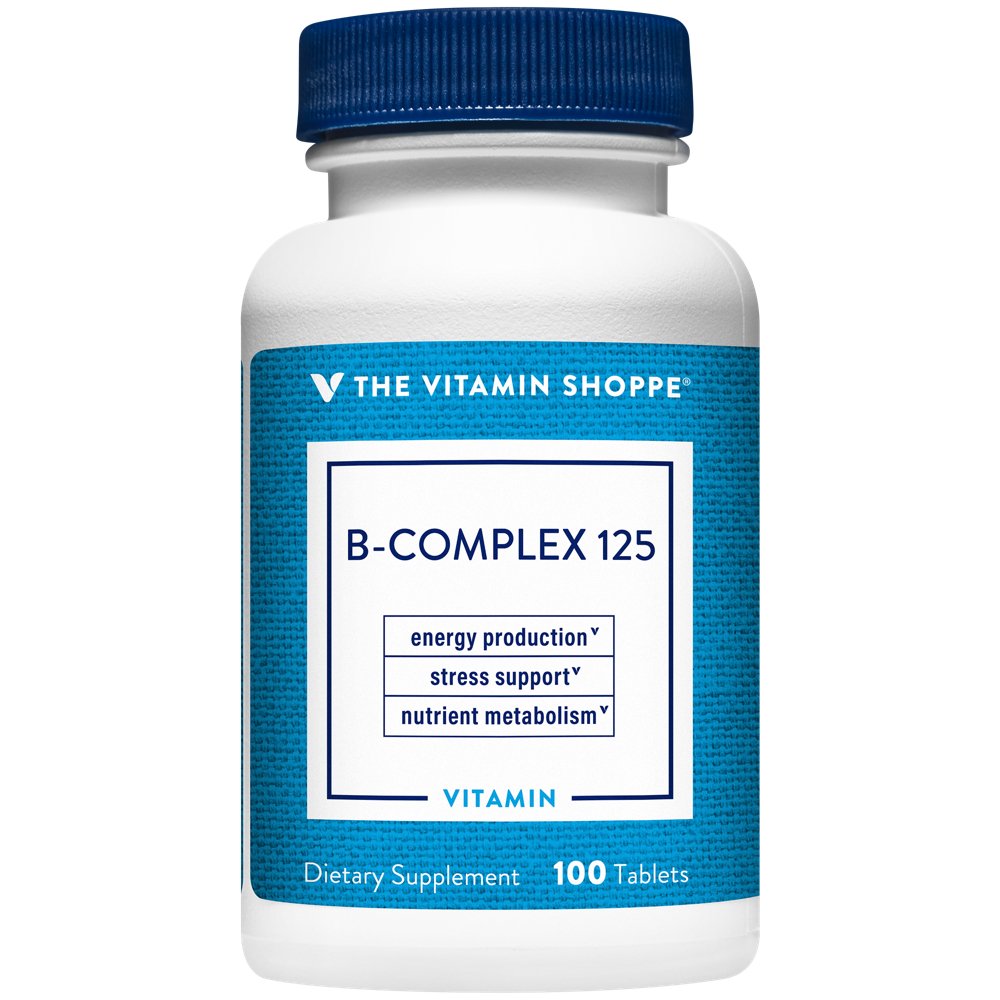
French-language label availability should be confirmed for the exact product, formula, size, and market you intend to order. Do not assume that every supplement has a French or bilingual package, or that translating a product page changes the label supplied with the item. Ask for the current manufacturer label before relying on its availability.
This guide explains how to request and compare French-language information for vitamins and supplements. It includes a bilingual request template, a terminology worksheet, and checks for matching versions. It does not promise French packaging for every listing, certify a translation, or determine a product’s compliance in any destination.
Ask about the physical label and the information you need
Specify whether you need a French label on the actual package, a bilingual package, a manufacturer document, or help locating information in French. Those are different requests. A French webpage or translated description does not establish what language appears on the delivered bottle or box.
Provide the full product name, formula, strength, format, size, and listing link. A broad request about a brand can produce information for another version. Keep the exact selected offer attached to the question so the answer describes the item you intend to purchase.
If a particular section matters, name it. You may need the full ingredient declaration, warnings, serving information, storage directions, or an explanation of a date marking. Asking for the complete current label is often clearer than asking for a short summary that may omit relevant wording.
Distinguish a translation from a market-specific version
A translated description and a separately marketed product are not automatically the same thing. A manufacturer may provide information in several languages while selling different package versions. Match the actual formula and market before using a document as evidence for the selected item.
If the French source uses a different product name, size, or declared amount, ask how it corresponds to the offer. Do not assume the relationship because the brand and package colors match. Preserve both sources and the explanation rather than merging details into a formula neither source states.
This distinction is especially important when comparing ingredient names and serving bases. A language change should not silently become an assumed quantity conversion or a claim that every market uses identical directions. Keep the original declarations available for a precise comparison.
| Information requested | What it can establish when matched | What it does not establish alone |
|---|---|---|
| French physical package label | Language information on that identified version | Availability for every product in the brand |
| Bilingual package | The actual languages and sections shown | Identical formula to another market’s item |
| Manufacturer French document | Information within its stated product scope | That the delivered package has the same layout |
| Translated retail page | Help understanding that page’s description | Manufacturer-approved package labeling |
| Informal translated summary | A starting point for questions | Complete ingredients, warnings, or compliance |
Canadian context is specific, not a worldwide promise
Health Canada’s natural-health-product labeling guidance explains bilingual requirements for certain label information within that Canadian framework. It also discusses current implementation context. That does not establish that every supplement sold elsewhere is a Canadian-market product or that a particular store listing supplies bilingual packaging.
Use the relevant current official information if the destination or product category creates a compliance question. This guide does not determine which legal category applies to an individual item or certify its label. A retailer’s language assistance and a destination’s requirements are separate questions.
If a listing is being considered for a particular market, identify that market in the request. Ask which exact version would be supplied and obtain the matching current information. Do not infer a Canadian version solely because French text appears in a search result or a related manufacturer document.
Read the complete relevant section
A front-of-package French phrase is not necessarily a complete French label. Request readable information for the sections relevant to the purchase. Keep the actual wording and scope rather than treating a short promotional sentence as the entire ingredient or warning declaration.
For ingredient questions, obtain the full list rather than only featured components. For serving questions, preserve the quantity and units. For a warning or direction, do not shorten the sentence in a way that loses a qualification or changes which product state it covers.
If a photograph is cropped or too small, request a clearer source. Do not fill unreadable words from memory or copy a similar label from another strength. A precise-looking translation based on an incomplete original remains incomplete information.
A short bilingual request you can adapt
English request: Please confirm whether a current French-language or bilingual manufacturer label is available for this exact product, formula, and size. I need the complete ingredient information, serving basis, warnings, and storage directions. Please also confirm which package version would be supplied with the selected order.
Demande en français : Bonjour, pouvez-vous confirmer si une étiquette actuelle du fabricant, en français ou bilingue, est disponible pour ce produit précis, dans cette formule et ce format ? J’ai besoin de la liste complète des ingrédients, de la portion indiquée, des mises en garde et des conditions de conservation. Merci de préciser également quelle version de l’emballage serait fournie pour l’article sélectionné.
Add the actual product link and identifying details rather than leaving the request generic. This sample asks for information; it does not promise that the requested label or package version exists. Keep the response and its qualifications with the product record.
Preserve units and serving meaning across languages
A translation should retain the actual quantity, unit, and serving basis. A figure per capsule is not the same statement as a figure per labeled serving when the serving contains several capsules. Do not let a shortened translation remove the relationship needed to interpret the amount.
Keep milligrams, micrograms, percentages, and other units distinct. Similar-looking numbers do not establish equivalent declarations. If a source uses different units, resolve the actual relevant conversion rather than assuming the difference is only linguistic.
The terminology below is a navigation aid for locating questions, not a substitute for the manufacturer’s declaration. The actual package may use different context-specific wording. Preserve the original sentence when asking for clarification instead of treating a one-word glossary as a certified translation of every label.
| English concept | French wording to help frame a request | Detail still needed |
|---|---|---|
| Ingredient list | Liste des ingrédients | Complete current wording |
| Labeled serving | Portion indiquée | Actual quantity and basis |
| Directions | Mode d’emploi | Full product-specific instructions |
| Warnings | Mises en garde | All relevant qualifications |
| Storage conditions | Conditions de conservation | Product state and exact directions |
| Lot number | Numéro de lot | Complete actual code |
| Package version | Version de l’emballage | Market, formula, and size match |
Treat ingredient names carefully
A familiar translated name can help locate information, but an unfamiliar term should remain visible until its meaning is confirmed. Do not replace specific chemical, botanical, or capsule-material wording with a broad category merely because the translation is shorter.
If a particular allergen or ingredient matters, ask about the exact term and selected version. An automated translation or short summary should not become the sole assurance for a critical exclusion question. Keep the complete current declaration available and obtain product-specific clarification.
This guide does not certify an ingredient list as suitable for an individual. If the question relates to a diagnosed allergy or other medical circumstance, use the actual label and relevant professional guidance. Language assistance can organize information without resolving every personal suitability question.
Keep warnings and directions complete
Do not omit warning language because it appears repetitive or difficult to translate. A qualification can change the scope of a direction. Ask for the manufacturer’s current wording rather than creating a simplified use schedule from several partially translated sections.
Likewise, keep product directions separate from purchase arithmetic. The number of capsules or servings in a container can support a quantity comparison, but it does not establish an individualized amount or a combined supplement plan. This guide does not prescribe use.
If two language sources appear to disagree, save both and ask which version applies. Do not average quantities, choose the more convenient instruction, or assume every difference is a translation error. Formula, market, date, or package identity may need clarification before the texts can be matched.
Check date and storage information in context
Record the exact words attached to a date or code. A lot marking, manufacturing statement, and best-before-style phrase should not be treated as identical simply because the digits look similar. Ask for the manufacturer’s interpretation when the meaning or format is unclear.
Keep any translated storage directions tied to the product state they describe. Unopened, opened, and prepared forms can raise different questions. Do not create a universal storage rule for all supplements from a short phrase in one translated example.
If your intended storage situation is unusual or the wording remains vague, ask a focused question about the exact product. This guide does not determine package condition or assign an after-date use period. A readable language record supports clarification; it does not replace product-specific assessment.
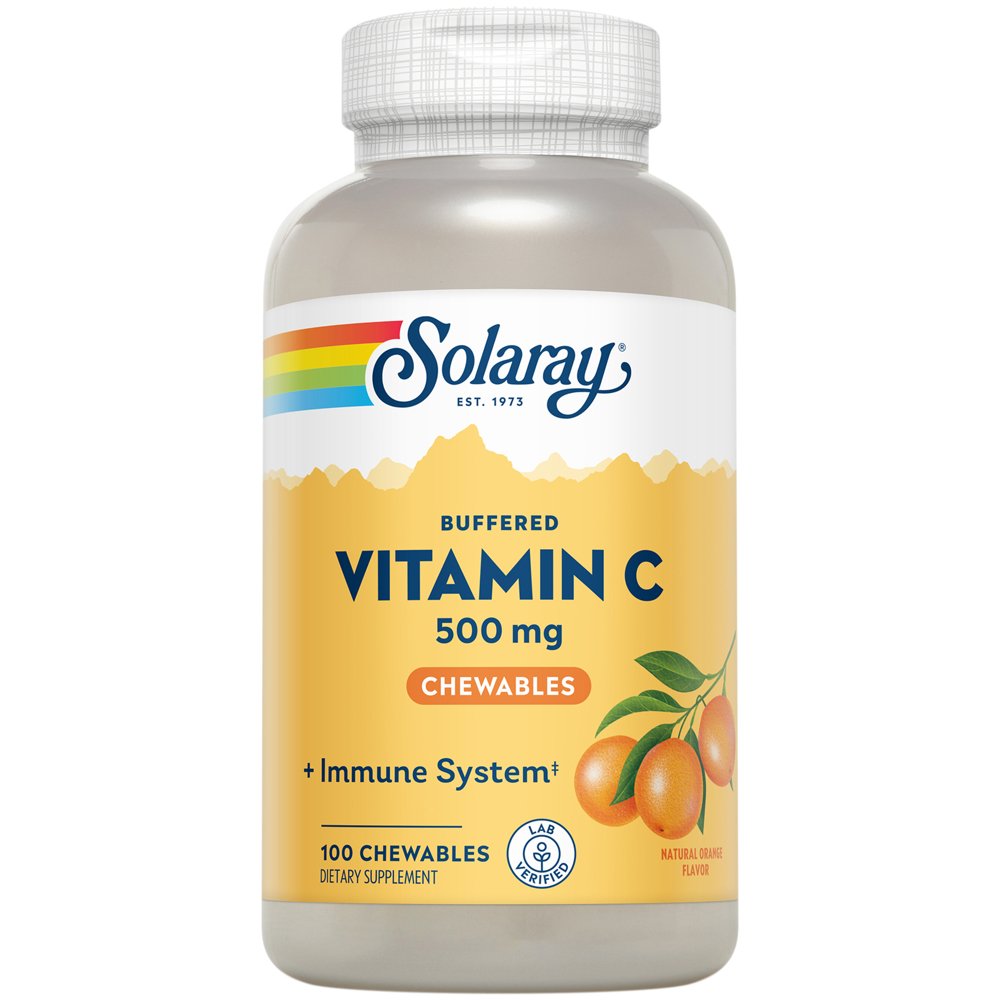
Do not assume every included product has the same language support
A bundle can contain several formulas and package versions. Confirm the relevant French information for each item rather than applying one label to the whole set. If a shared document is supplied, retain its stated scope and identify any products it does not clearly cover.
The same applies to variety packs. A declaration for one flavor may not establish the details of another version. Obtain the actual contents and matched current information before treating the assortment as fully covered by a single translated panel.
If substitutions are proposed under actual applicable terms, review the alternative separately. A replacement can change formula, size, market, and language availability. Keep the order’s confirmed version explicit rather than assuming that another item inherits the original label confirmation.
Save the source and the answer’s scope
Keep the manufacturer document or response, product identity, market, and date checked. Note whether the information describes the physical package, a separate document, or a translated retail explanation. Those source types should not be collapsed into one unsupported statement that the item comes with a French label.
If availability is only being checked and has not been confirmed, say so in the record. Do not turn a request into a promise. A clear unanswered field is more useful than a confident language claim based on a related product’s page.
A business may be able to supply some information while leaving another part unresolved. Preserve that distinction. For example, a matched ingredient document does not necessarily confirm the delivered package layout or every warning section. Record what was actually provided and ask about the remaining need.
Verify the delivered package against the confirmation
After delivery, match the product, formula, size, market, and language information with the selected order and any specific confirmation. If they differ, retain the details and raise the exact issue through the available support process.
This guide does not create a replacement, return, or translation service policy. Use the applicable actual terms and preserve the original package. A precise record makes it easier to explain whether the mismatch concerns language, formula, quantity, or another selected characteristic.
Update any comparison that relied on another version. A translation record should remain connected to the actual product being considered or received rather than becoming a permanent assurance for every later purchase from the brand.
A final French-label request checklist
| Check | Save | If unresolved |
|---|---|---|
| Exact product | Formula, format, size, market, link | Confirm which version is supplied |
| Language need | Physical label, bilingual pack, or document | Do not treat these as identical |
| Complete sections | Ingredients, basis, warnings, directions | Request missing readable information |
| Quantity meaning | Original amount, unit, and serving | Avoid shortened ambiguous translations |
| Source | Manufacturer wording or identified explanation | Preserve the type and scope |
| Confirmation | Actual availability statement and date | Do not turn a request into a promise |
| Delivery match | Actual package and prior confirmation | Raise the specific difference |
Frequently asked questions
Are French labels available for every product?
A blanket availability statement has not been established here. Ask about the exact formula, size, and market before relying on a French or bilingual package. A translated webpage or related manufacturer document does not automatically confirm what will appear on the delivered item.
Does French text mean the product is a Canadian version?
Language alone does not establish the market or complete formula. Identify the actual package and source, then consult relevant current official information if a jurisdiction-specific question matters. This guide does not certify a product’s market status or labeling compliance.
Can I rely only on automatic translation?
Use uncertain translations to identify questions rather than as sole assurance about a critical ingredient or direction. Preserve the original wording and request a specific explanation where needed. A short glossary is a navigation aid, not a certified translation of the complete label.
What should I include in my request?
Provide the listing link, full product identity, size, market if known, and the sections needed. Specify whether you require a physical French label or a separate document. Keep the response’s qualifications and do not assume the requested version exists until confirmed.
What if the delivered language differs from a confirmation?
Preserve the product, package, prior response, and exact difference and use the applicable support route. Revisit any product comparison that relied on another version. This guide does not establish an automatic replacement or return arrangement.