




Blog
Where can I find the expiry date for a supplement?

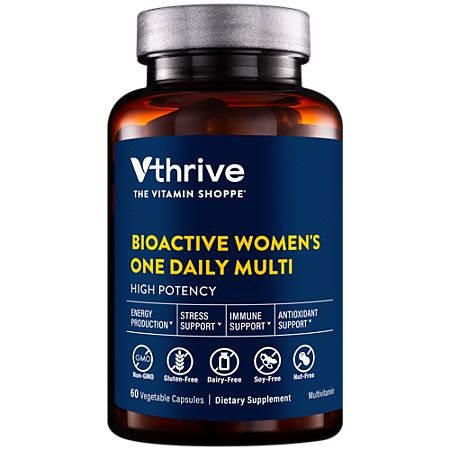
Look for a supplement’s date on the actual container and outer package, reading the complete wording rather than only a string of numbers. Its location varies by product, so check the label and other marked surfaces or ask the manufacturer where it is placed. Keep a lot code separate from a date until its meaning is confirmed.
This guide explains a product-specific check for supplements, including bottles, tubs, and packet boxes. It covers unclear markings, current-stock questions, and storage records. It does not determine whether an individual supplement is suitable for use or establish a universal period after a printed date.
Begin with the exact product
Record the full name, formula, flavor where relevant, format, and container size. A brand can sell several versions with different packaging. A location or code explanation for one bottle should not automatically be applied to every tub or packet box from the same company.
Keep the market and source date with your record. A photograph from another version can help identify a question while still failing to show the marking on the product being purchased. Match the actual selected offer before treating a label image as evidence for the current package.
If the order has already arrived, use the delivered container as the starting point. Save the listing information too, but distinguish representative online images from the actual product markings. An old catalog photograph does not establish the date on every unit in current stock.
Check the container and outer packaging
Read the main label, then inspect other marked surfaces available on the package. Different products can place codes or dates in different locations. Rather than assuming a universal position, ask the manufacturer where the relevant marking appears on that exact container if you cannot find it.
For a packet box, distinguish information on the outer retail box from markings on individual packets. Do not assume every inner unit repeats all information from the outer package. Preserve the connection between the declaration and the units it covers when organizing the contents.
For a bottle or tub, copy the wording without altering or obscuring the original marking. If it is faint or incomplete, request a specific explanation. Do not reconstruct missing characters from an unrelated bottle or infer a date from a similar-looking sequence found online.
| Package area or record | What to check | If information is missing |
|---|---|---|
| Main label | Date wording and storage information | Read the full package context |
| Other marked surfaces | Complete printed sequence and location | Ask where the product’s marking is placed |
| Outer retail package | Product identity and relevant dates or codes | Preserve it with the inner-item record |
| Individual packets | Any repeated identification or marking | Do not assume all outer information is repeated |
| Catalog image | Whether it matches the actual version | Treat it as representative, not current-stock proof |
| Manufacturer reply | Exact product and scope covered | Keep qualifications and unresolved details |
Understand the limited U.S. labeling context
The FDA’s general supplement-labeling guide states that expiration dating need not be included on dietary supplement labels, while a firm may include supported information that is not false or misleading. This is U.S. context, not a rule for every market or a statement that a missing date answers every product question.
The FDA’s supplement manufacturing guidance likewise discusses support for dates a manufacturer chooses to place on a label. A buyer should still obtain the actual product’s explanation and directions rather than inventing a shelf life because a date is absent or unclear.
This guide does not certify labeling compliance or infer potency, quality, or suitability from a date alone. Keep the scope of the regulatory explanation separate from the practical question about your selected container. If the information does not resolve that question, ask for a product-specific answer.
Read the words attached to the marking
Preserve whether the package uses expiry, best-before-style wording, a manufacturing statement, or another phrase. Do not replace every marking with the same shorthand. The words can identify different information, and a numeric sequence without its explanation may remain ambiguous.
If a photograph cuts off the phrase, obtain an uncropped view or a direct explanation. A clear number is not necessarily a clear date statement. Save any surrounding text and the marking’s location when asking for clarification so that the responsible business can identify the exact code.
Do not choose the interpretation that gives the longest remaining period. A purchasing record should preserve what the package actually says and what has been confirmed, not turn uncertain digits into a more favorable result. Leave unresolved meaning visible until the manufacturer explains it.
Keep lot identification separate from calendar interpretation
A lot or batch code can identify a production run without being a consumer-readable calendar date. Record the full sequence and ask about its meaning if needed. Do not decode it using another brand’s system or assume that larger numbers necessarily indicate a later product.
An invented sequence such as AB27104 might be a code whose meaning cannot be established from its appearance alone. The example does not supply a decoding rule. A manufacturer-specific explanation is needed before turning such a sequence into a claimed manufacturing or expiry date.
If both a code and a date appear, preserve both rather than discarding one as redundant. They can help identify the actual container in a product-support question. Keep the original wording accessible so a later answer can be matched to the exact marking it covers.
Resolve an ambiguous date format
A numeric date can be read differently across formats. An invented 05/06/2027 sequence might leave the day-month order unclear without additional context. Save the sequence and accompanying wording and ask for the intended format instead of guessing from brand associations.
If an answer identifies a month and year but no particular day, preserve that precision. Do not invent a day to make the record look complete. A product-specific explanation should remain within the scope the source actually confirms.
Also avoid transferring date interpretation from a different market version. Similar packaging does not establish identical marking conventions. Match the exact product and market, then retain the manufacturer’s response with the record so the reasoning can be checked later.
| Unclear situation | Information to provide | Useful question |
|---|---|---|
| Date cannot be located | Exact product, format, and size | Where is the relevant marking placed? |
| Code looks like a date | Complete sequence and location | Is this a lot code or a date statement? |
| Numeric order is ambiguous | Original digits and surrounding words | What date format does this package use? |
| Only month and year appear | Exact wording as printed | How should this specific marking be read? |
| Marking is faint | Clear available image and product identity | Can the actual sequence be confirmed? |
| Sources conflict | Both versions and source dates | Which information applies to this container? |
Ask about current stock before a larger purchase
If remaining date information matters to your order, identify the exact listing, container size, and requested quantity. Ask about the current stock rather than a general manufacturer shelf-life statement. A broad description does not establish the date on the units a retailer currently offers.
Clarify whether a reply covers a specific bottle, batch, or the full requested quantity. One observed marking should not silently become a guarantee that every unit in a larger order has the same date. Preserve any stated range or limitation.
This guide does not create a minimum remaining period, reservation, or store-wide guarantee. Save any specific confirmation and recheck if the selected version, quantity, or stock changes. A dated answer is useful within its actual scope, not as a permanent promise about every future order.
Storage directions are part of the product record
Read the current directions for the actual supplement and package state. An unopened container, a product after opening, and a prepared mixture can raise different handling questions. Do not assign one universal condition or shelf life to all tablets, softgels, powders, and liquids.
If directions use broad wording and your situation raises a specific question, describe that situation to the manufacturer or responsible business. A guide cannot determine every storage condition from a short phrase. Keep the answer attached to the exact version rather than borrowing instructions from another product.
The printed date does not establish an individual’s storage history. Nor does a future-looking marking settle every question about a damaged or questionable container. Preserve actual condition concerns and seek product-specific guidance instead of resolving them through date arithmetic alone.
Do not create an after-date use rule
This guide does not provide a number of days or months during which an individual supplement should be used after a marking. A label-location checklist cannot establish potency, condition, or suitability for a particular container. Do not turn a general regulatory explanation into permission to ignore the product’s information.
Likewise, do not estimate a new date from bottle count or a planned daily use amount. A purchasing duration scenario and a manufacturer’s dating statement are different records. A container’s number of servings does not supply a shelf-life formula.
If use suitability is the unresolved question, ask the manufacturer about the actual product and discuss relevant individual circumstances with an appropriate professional. Keep the current label available. A shopping guide should organize the evidence rather than invent a reassuring answer from incomplete information.
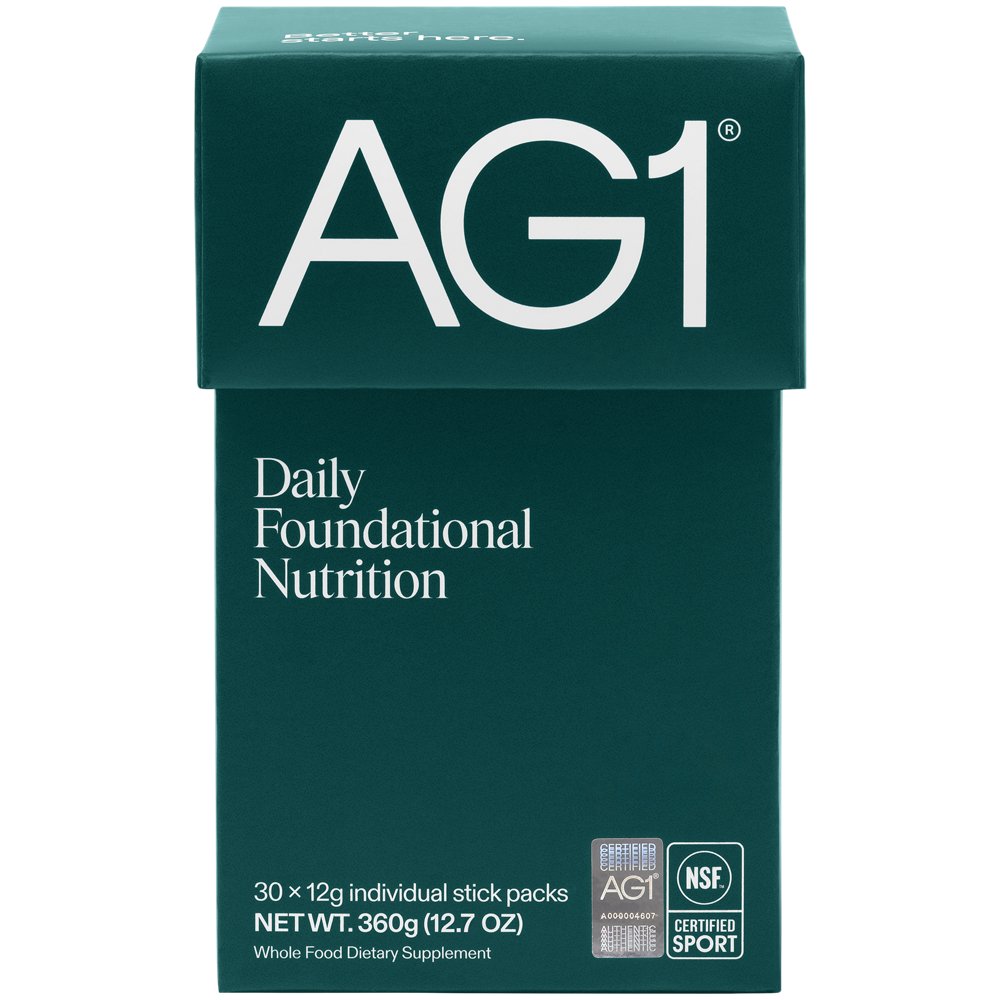
Keep a simple record for the delivered container
Save the product identity, original date phrase, complete sequence, separate lot code, and receipt date. Add the manufacturer’s interpretation only when it is confirmed. Keep the original wording alongside the interpretation so a later review can distinguish observation from explanation.
If several containers differ, record them separately. Do not average dates or rank unknown codes by their numbers. A simple table can show which units share a confirmed marking without implying that the entire order has been inspected when only one container was checked.
If delivered information differs from a specific pre-order confirmation, document the exact mismatch and use the available order-support process. This guide does not create return, replacement, or cancellation terms. The useful next step relies on actual applicable terms and precise product evidence.
A final supplement-date checklist
| Check | Save | What to avoid |
|---|---|---|
| Product identity | Full name, formula, market, size | One brand-wide interpretation |
| Original phrase | Complete wording around the marking | Calling every code expiry |
| Sequence | Exact digits and letters | Filling missing characters from memory |
| Code | Separate lot or batch information | Unrelated internet decoding rules |
| Interpretation | Product-specific response and date | A stronger conclusion than the source supports |
| Directions | Relevant actual storage wording | Universal format-wide rules |
| Scope | Unit, batch, or quantity covered | Extending one observation to all stock |
| Condition or mismatch | Specific actual-package evidence | Treating a future date as a complete assessment |
Frequently asked questions
Is the date always printed on the bottom?
Locations vary by product and package. Check the actual container and outer packaging, and ask the manufacturer where the relevant marking appears for the exact version. A location example from another bottle does not establish where every supplement carries its information.
Is a lot number the same as an expiry date?
Do not assume that. Preserve the full code and ask for a product-specific interpretation. A sequence can identify production information without being a calendar date a consumer can decode directly. Keep any separate date phrase and lot marking in the record.
Can I use the date shown in a catalog photo?
Treat it as representative packaging unless current-stock information is explicitly confirmed. The actual delivered container can come from a different production run. If date range matters before purchase, ask about the selected offer and quantity rather than relying on an old image.
What if the marking is absent or unreadable?
Request an explanation for the exact product instead of inventing a shelf life or assuming a meaning. Keep the U.S. general labeling context separate from the specific container question. This guide does not determine suitability from missing or unclear information.
What should I send with a question?
Provide the full product name, formula, size, market, complete marking, separate code, and a clear description of what is unclear. Include a readable image through the available support process where possible. A precise record helps the response address the actual container.