




Blog
How do I calculate the unit price of bulk groceries?

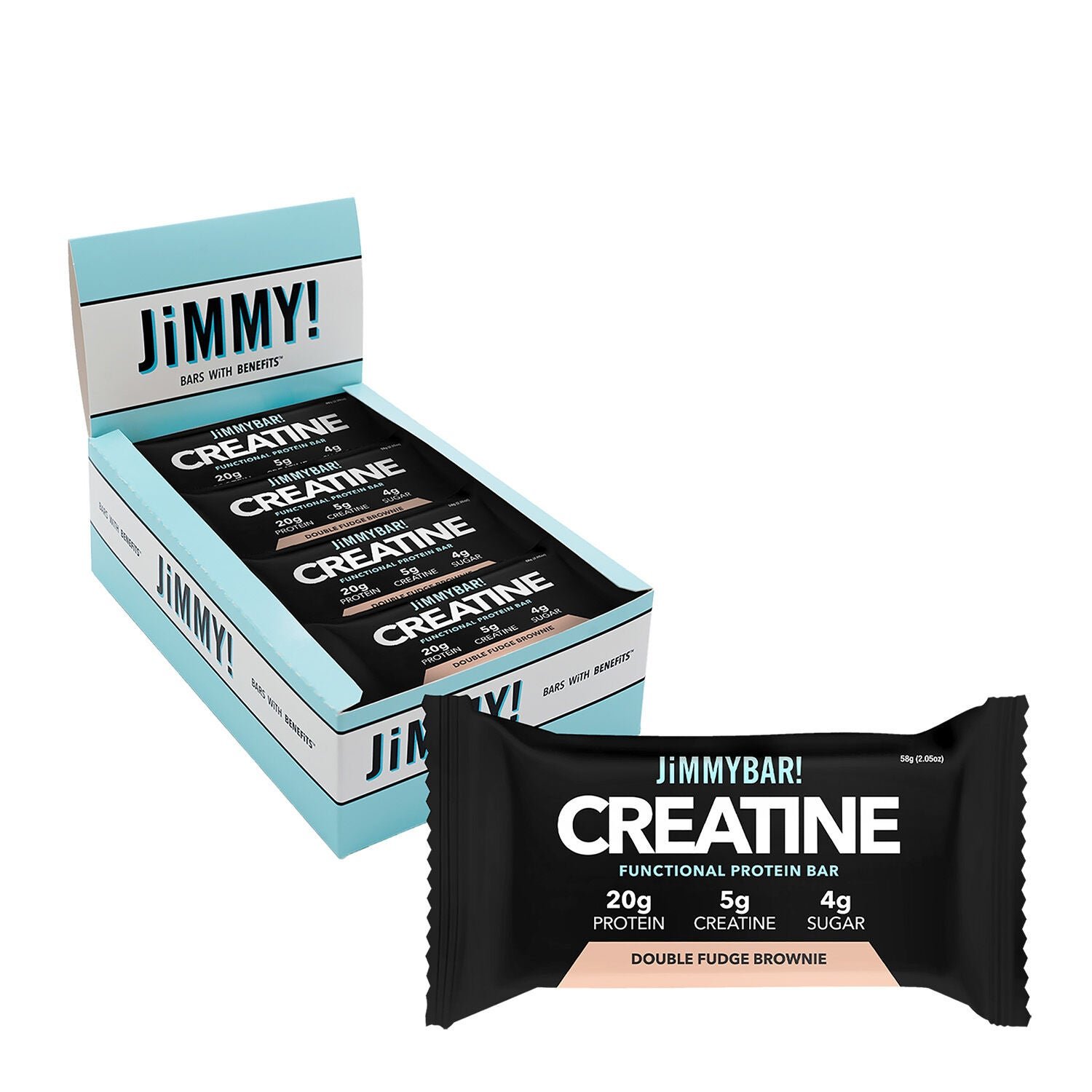
Calculate a bulk grocery’s unit price by dividing the price of the selected offer by its confirmed total quantity. Use a unit that fits the comparison: price per item, per 100 grams, per kilogram, per 100 milliliters, or per liter. Match the units before comparing offers, and keep delivery or other applicable charges separate unless they are actually included in your calculation.
This guide explains the method for groceries and pantry purchases. It includes worked examples, a comparison worksheet, mixed-pack questions, and checks for ambiguous titles. All prices and quantities in the worked tables are invented teaching examples, not current Sprinkles Menu offers or promises of bulk savings.
Define what the price buys
Begin with the exact selected product, flavor, package size, and count. A single bag, a box of several bags, and an outer case are different purchasing units. A product title can contain several numbers, so establish how they relate before choosing the denominator for a unit-price calculation.
Use the current price attached to that selected offer. Do not combine one listing’s price with another listing’s pack count or use an old promotional amount as though it were the current checkout price. Save the currency and review date so the record can be updated when an offer changes.
If the title contains contradictory wording, ask for the actual contents. For example, wording that mentions both a pack and a single unit may leave the selling unit unclear. Do not choose the interpretation that produces the lowest apparent unit cost. A calculation is only reliable when its purchasing quantity is established.
Choose the unit that answers your question
Price per item is useful when individual units are genuinely comparable. If two offers contain different bag sizes, price per bag can conceal the difference. Add a weight-based comparison such as price per 100 grams or kilogram so that a smaller bag does not appear cheaper merely because it contains less.
For liquids, use a shared volume basis when bottle or can sizes differ. Price per container still describes the purchasing unit, while price per liter compares the same liquid quantity. Keep both if both matter, and avoid calling one result the unit price without identifying which unit you mean.
A serving-based comparison can also be useful, but serving definitions may differ across products. Do not treat one labeled serving as a universal weight or volume. Preserve the actual serving size alongside the cost rather than assuming that equal serving counts establish equal contents.
| Comparison question | Useful unit | Additional detail to keep |
|---|---|---|
| How much does each identical item cost? | Price per item | Size and count of each item |
| Which dry-food offer costs less by weight? | Price per 100 g or kg | Confirmed net quantity |
| Which drink offer costs less by volume? | Price per 100 mL or L | Container volume and count |
| What is the cost of a labeled serving? | Price per stated serving | Actual serving definition |
| What will the entire purchase cost? | Selected order total | Charges and conditions included |
Calculate the total quantity first
For a multipack of identical units, multiply the number of units by the net quantity of each. An invented pack of six 250-gram bags contains 1,500 grams in total. That equals 1.5 kilograms. The outer box’s shipping weight is not a substitute for the food quantity in this calculation.
For liquids, an invented case of eight 500-milliliter bottles contains 4,000 milliliters, or four liters. Use the actual printed volume and confirmed count. Do not infer bottle size from a picture or count items in a promotional arrangement as though it were the written contents statement.
For mixed packs, add only the quantities that are actually confirmed. If the included sizes differ, calculate each contribution separately. A total item count may still be known while the total weight remains unclear; mark the missing basis rather than assuming every unit has the same size.
Apply the basic formula
The basic operation is selected price divided by total confirmed quantity. For an invented 1.5-kilogram pack costing 12 currency units, the result is 8 units per kilogram. To express the same offer per 100 grams, divide 12 by fifteen 100-gram portions, giving 0.8 units per 100 grams.
Keep the formula visible: 12 ÷ 1.5 = 8 units per kilogram. This helps expose a misplaced decimal or a grams-versus-kilograms error. A number calculated per gram can look much smaller than a number per kilogram even when both describe the same offer, so match the final units before ranking them.
Round only the displayed result after the main calculation. Keep enough precision internally to compare close prices fairly. Do not describe two slightly different results as meaningfully different if the underlying inputs are approximate or if a missing charge could change the comparison.
| Hypothetical offer | Confirmed total quantity | Item price | Unit-price calculation | Result |
|---|---|---|---|---|
| Six 250 g bags | 1.5 kg | 12 units | 12 ÷ 1.5 | 8 units/kg |
| One 1 kg bag | 1 kg | 9 units | 9 ÷ 1 | 9 units/kg |
| Eight 500 mL bottles | 4 L | 16 units | 16 ÷ 4 | 4 units/L |
| Twelve identical bars | 12 bars | 18 units | 18 ÷ 12 | 1.5 units/bar |
| Pack with unclear count | Unknown | 10 units | Denominator unconfirmed | Cannot verify |
Match units before deciding which offer is cheaper
An offer priced at 0.9 units per 100 grams is equivalent to 9 units per kilogram. Comparing the printed 0.9 with another offer’s 8 units per kilogram would be misleading unless you first normalize the units. The smaller-looking number is not automatically the smaller comparable price.
Use one consistent final unit for each group. Dry-food weight comparisons can use kilograms; liquid comparisons can use liters; identical individually packaged items can use count. Do not force unlike products into a shared unit that does not answer a meaningful purchasing question.
Also match the product characteristics that matter. A lower weight-based price for a different flavor, ingredient list, preparation format, or concentration does not establish an identical substitute. The arithmetic describes cost for a quantity, while product equivalence needs its own review.
Net quantity and usable quantity can differ
Use the quantity statement appropriate to the product and your question. If a package supplies both net and drained quantities, do not mix the two bases across offers without explaining which one you are comparing. A container’s shipping weight includes a different set of things and should not silently replace the labeled food quantity.
For a product requiring preparation, distinguish the purchased amount from the directed prepared yield. A dry mix’s price per kilogram and a prepared drink’s price per liter answer different questions. If you compare prepared yield, use the actual directions and confirmed quantities rather than inventing a recipe to make the result look favorable.
If your calculation concerns what the household will actually use, label that as a separate planning estimate. It is different from the package unit price. Keep assumptions about unused portions visible rather than presenting them as established product facts or a guarantee about future consumption.
Include delivery costs only when the basis is clear
An item-only unit price excludes charges beyond the selected product price. A delivered comparison can include confirmed applicable charges, but it must say which amounts are counted. Do not compare an item-only figure with a delivered figure and present the result as a like-for-like cost difference.
For an invented example, a 12-unit food pack with a confirmed 3-unit delivery charge and 1.5 kilograms of product has a combined cost of 15 units, or 10 units per kilogram for those included costs. This is arithmetic, not a store shipping rate or a promise that no other charges apply.
For a mixed order, any allocation of a shared delivery fee is a comparison method that should be stated. Dividing by item count, weight, or value can produce different assigned costs. Avoid presenting one allocation as the product’s official price when it is simply the method used in your worksheet.
Discounts need their actual conditions
Use a promotion only when the selected item and order meet its stated conditions. A discount may apply to a particular package, flavor, quantity, or purchasing arrangement. Do not assume that a headline percentage applies to every item or that separate offers can be combined.
Record the actual discounted total and the confirmed contents it buys. If a bundle includes additional products, identify them rather than treating the entire total as though it purchased only the item you wanted to compare. A mixed offer may require a contents review before a meaningful unit calculation is possible.
Keep a recurring offer separate from a one-time purchase where that distinction actually exists. This guide does not establish that a subscription is available. If the listing offers one, use its actual terms rather than treating its initial price as a universal price for every future order.
Mixed bundles need more than one average
A bundle containing different foods can have a simple average price per item, but that average may hide substantial differences in size or contents. It does not establish a separate selling price for each included product. Identify every item and quantity before using the average to assess the purchase.
For an invented bundle costing 20 units and containing ten items, the average is 2 units per item. That does not prove that each item is individually sold for 2 units or that the bundle is cheaper than buying the particular subset you want. Compare the actual relevant alternatives where available.
If the bundle’s contents are unspecified, do not invent a manifest or divide by a guessed count. Ask for the exact included products, sizes, and quantities. A precise-looking average based on unknown contents is less useful than a clear statement that the comparison cannot yet be completed.
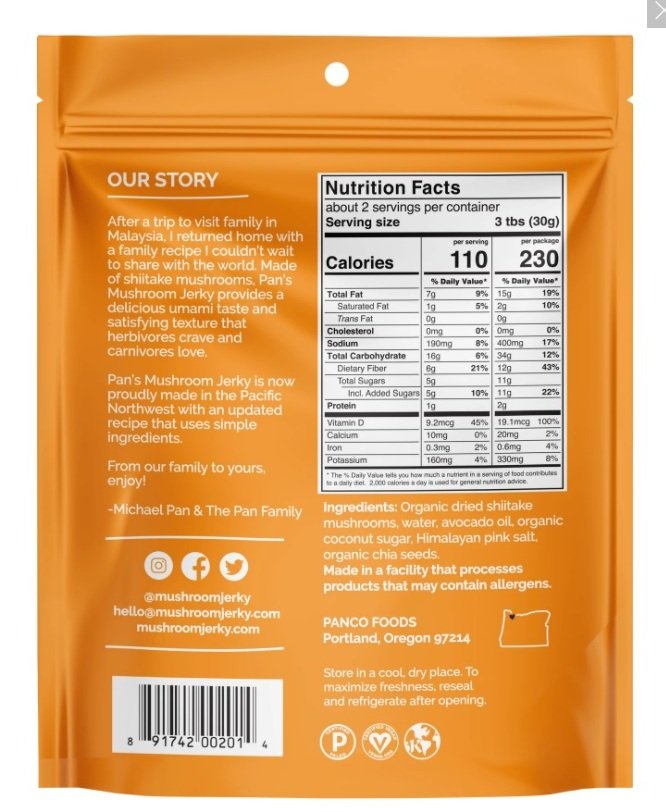
Bulk value also depends on the purchase you can use
A lower package unit price does not automatically reduce a household’s total spending. A larger order can require more cash and storage, and some of the purchased quantity may remain unused. Keep those planning questions separate from the mathematically correct package-price calculation.
For an invented example, a bulk pack costs 12 units and only three quarters is used as planned. If the planning question is cost per used quantity, the denominator is smaller than the purchased quantity. Label that as a scenario based on an assumption, not as a product defect or a prediction about every household.
Before choosing the larger pack, check the actual storage directions, available space, date information, and likely use. Do not invent a universal shelf life or assume that every dry or packaged food can be stored in the same conditions. The useful decision combines verified product information with clearly stated household planning assumptions.
A final unit-price worksheet
| Check | Record | If missing or unclear |
|---|---|---|
| Offer identity | Exact item, size, formula, flavor | Resolve version differences |
| Selling unit | Bag, pack, case, or bundle | Ask what the price actually buys |
| Quantity | Net amount and confirmed count | Do not guess a denominator |
| Calculation | Price divided by matching quantity | Show units and avoid early rounding |
| Included costs | Item-only or specified combined total | Keep unknown charges separate |
| Product match | Relevant ingredients and format | Do not assume equal weight means equivalent product |
| Practical fit | Storage and planned use assumptions | Separate estimates from confirmed facts |
Frequently asked questions
Is the biggest pack always the lowest unit price?
No. Calculate the current selected offers using matched units. Promotions, package sizes, and applicable charges can change the result. Keep the total purchase price visible as well, since the lowest unit figure may require buying a larger quantity than intended.
Should I compare per item or per kilogram?
Use per item when the individual units are genuinely comparable, and add a weight basis when sizes differ. A small bag can cost less per bag while costing more for the same amount of food. State the chosen unit so the result answers a clear question.
Can I use serving count as the denominator?
Yes, if the result is labeled cost per that product’s stated serving. Preserve the serving definition because it can differ across products. Equal serving counts do not necessarily establish equal weight, volume, ingredients, or prepared quantity.
What if the title mentions both a pack and a single unit?
Confirm the actual selling unit and included quantity before calculating. Do not combine the price with the interpretation that happens to create the lowest result. A reliable unit price requires a confirmed numerator and denominator from the same selected offer.
What should I recheck before ordering?
Confirm the current price, currency, selected contents, count, quantity, applicable promotion, and included charges. Update the worksheet if an option changes. The arithmetic remains useful only while its inputs match the purchase you are actually making.