




Blog
What should I check on an imported beverage label?

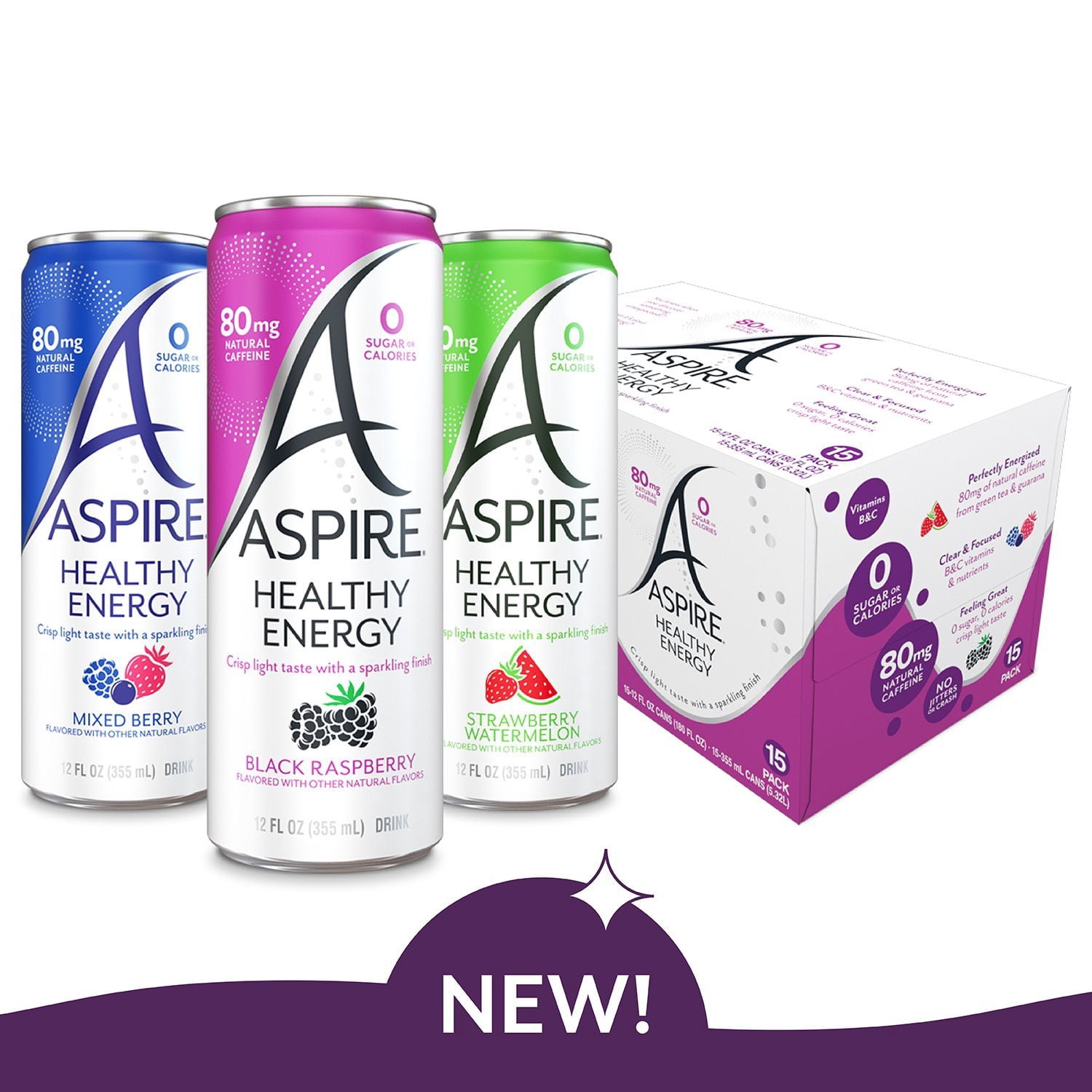
Check an imported beverage by matching its exact product and market, then reading the complete ingredients, allergen information, nutrition basis, caffeine statement where relevant, quantity, date wording, and storage directions. Do not assume that a familiar brand uses the same formula or label in every country. If a declaration cannot be read or understood reliably, request product-specific clarification before relying on it.
This guide provides a purchasing checklist for packaged beverages. It explains practical label comparisons and limited U.S. regulatory context. It does not certify the compliance, origin, authenticity, or import status of a pictured product, and it should not be used as a substitute for an importer’s professional compliance review.
Identify the exact version and intended market
Start with the full product name, flavor, format, and package size. Record any market-specific wording rather than shortening everything to the brand. A canned drink, a powder mix, and a concentrated version can require different interpretation even when their names or colors are closely related.
Look for the actual label intended for the product being offered. A product page may use a manufacturer photograph from one market while its written information describes another version. If the sources disagree, ask which package and formula the selected offer represents instead of combining the most convenient details from both.
Save the listing link and review date. That record helps if packaging changes or a later order uses a different version. Do not assume that a previous purchase establishes every ingredient or serving declaration in the next shipment. The current identified product is the basis for the comparison.
Separate brand identity, origin, and business addresses
A brand name does not establish where a particular product was made. Nor does a distributor address necessarily identify the manufacturing location. Read the package’s actual origin wording and the role attached to any named business rather than inferring origin from language, design, or brand associations.
If origin matters to the purchase and the information is unclear, ask for the exact statement on the current package. Preserve qualifications such as manufactured for, distributed by, or imported by rather than replacing them with a stronger claim. Those phrases can describe different business relationships.
Also distinguish origin from the market for which the package was labeled. A product can be manufactured in one place and prepared for sale in another. Neither fact alone establishes the complete ingredient list or the legal requirements that apply to your intended transaction. Keep these fields separate in a worksheet.
| Identification field | What to record | What not to infer |
|---|---|---|
| Product | Full name, flavor, and format | Every version uses one formula |
| Package size | Individual amount and retail count | Images establish all quantities |
| Market | The version identified by the actual label | Brand nationality establishes market |
| Origin wording | Exact package statement if present | Distributor address equals manufacturing site |
| Business role | Manufacturer, distributor, importer as stated | Every named business made the product |
| Source | Current label or specific confirmation | An older photograph covers every shipment |
Obtain a readable declaration in a language you understand
A label that cannot be interpreted reliably cannot support a confident ingredient or nutrient comparison. Request a clear image or product-specific explanation rather than guessing at similar-looking words. Keep the original wording available when asking about a translation so that the answer remains tied to the actual package.
Automated translation can help locate a question, but do not use an uncertain translation as the sole basis for an ingredient exclusion or allergen decision. Abbreviations, compound names, and local naming conventions can lose meaning when shortened. Ask the manufacturer or responsible business to resolve the specific term.
For U.S. context, the FDA’s importing-human-foods information explains that imported foods are subject to applicable standards and labeling review. A foreign-language design or an added sticker does not, by itself, prove compliance or noncompliance. This guide does not make that legal determination for an individual package.
Read the complete ingredient list
Use the actual full declaration rather than a description of highlighted ingredients. Marketing text can mention flavor, caffeine, or vitamins without reproducing the complete formula. A missing ingredient name in that short description does not establish that the ingredient is absent from the product.
Transcribe specific names carefully. If a term differs from the name you usually encounter, preserve it and request clarification instead of replacing it with a broad category. An unfamiliar word is not automatically a sweetener, preservative, allergen, or evidence that the product differs in a particular way.
Keep the formula attached to the market and version. A list from another country’s manufacturer page can be useful background but should not silently replace the package being offered. If the two differ, save both sources and ask which declaration applies to the selected item.
Treat allergen questions as product-specific
Read the complete current ingredient declaration and relevant allergen information. Do not rely on a familiar brand, a previous order, or the absence of a separate front-label symbol. If a particular allergen matters, ask about the exact version and keep the response tied to the product and package under review.
The FDA’s food-allergy information emphasizes reading labels. For a purchasing check, that means obtaining readable current information rather than using an unclear photograph as assurance. This guide does not guarantee that a product is suitable for someone with an allergy.
If the declaration is incomplete, contradictory, or cannot be translated reliably, leave the question unresolved until specific information is available. Do not interpret a missing statement as a universal absence claim. A careful comparison should make the uncertainty visible rather than turning it into a reassuring but unsupported conclusion.
Match nutrition units and serving bases
Check whether the panel expresses values per serving, per complete container, per 100 milliliters, or another stated quantity. Record the heading with every number. Different label formats can look comparable while using different bases, so a number without its units and context is incomplete evidence.
For an invented example, 6 grams of a declared nutrient per 100 milliliters corresponds to 18 grams in a 300-milliliter container. A separate declaration of 18 grams per container would already describe that full quantity. Do not multiply the complete-container amount again simply because another serving line appears nearby.
Keep energy units distinct as well. A value shown in kilojoules is not the same numerical unit as kilocalories. Do not compare the printed numbers as though they were interchangeable. Use clearly matched units or obtain a reliable explanation before drawing a conclusion from different formats.
| Label basis | Additional input needed | Practical check |
|---|---|---|
| Per serving | Serving size and servings per container | Does the full bottle contain multiple servings? |
| Per complete container | Exact container identity | Avoid multiplying the total again |
| Per 100 mL | Actual container volume | Convert using compatible volume units |
| Powder as prepared | Measured powder and directed preparation volume | Do not use an invented dilution |
| Amount in unfamiliar units | Meaning of the unit and correct conversion | Do not compare raw printed numbers |
Check caffeine independently of the sugar wording
If caffeine is relevant to the selected beverage, look for its actual declaration and basis. A sugar-free or fruit-flavored name does not supply the caffeine amount. An ingredient list can identify a source without giving enough information to calculate a complete quantified total.
Ask whether a stated number represents total caffeine from all sources for the identified serving or container. Include the full name, flavor, market, and size in the question. Do not scale a caffeine value from another market’s can simply because the containers look similar.
Keep an undisclosed or unclear amount marked unconfirmed. Missing quantified information is not the same as zero. A precise-looking figure assembled from unrelated product pages is less useful than a clear statement of what the current label and manufacturer have actually confirmed.
Read date wording before interpreting numbers
Record the words attached to a package date, not just the digits. A production date, a best-before date, and another coded marking are not automatically the same thing. Ask for the manufacturer’s interpretation when the format or purpose is unclear rather than assuming a familiar day-month order.
An ambiguous numeric sequence can be interpreted differently across markets. Preserve the original sequence and any accompanying text when asking for clarification. Do not choose the interpretation that makes the product appear newest or convert a code into a date without a supporting explanation.
Also separate the date from handling instructions. A date alone does not establish every storage condition or what applies after opening. Read the actual directions for the package state involved and ask about missing information instead of inventing a universal shelf life for imported beverages.
Inspect the package and any additional label
Check that the product identity, ingredients, and quantity information remain readable. If an added label is present, read it alongside the original package rather than assuming it repeats every detail. A sticker can carry useful information, but its presence does not answer every question about the product.
If the declarations conflict or important information is obscured, save the details and ask for clarification. Do not remove or alter information to make the package appear clearer in a purchasing record. The relevant question is what the actual offered or delivered product declares and which version is confirmed.
For a damaged or questionable package, use the available order-support process and describe the specific issue. This guide does not create a returns or replacement policy. Keep photographs and product identification available so the responsible business can review the exact item rather than a general category description.
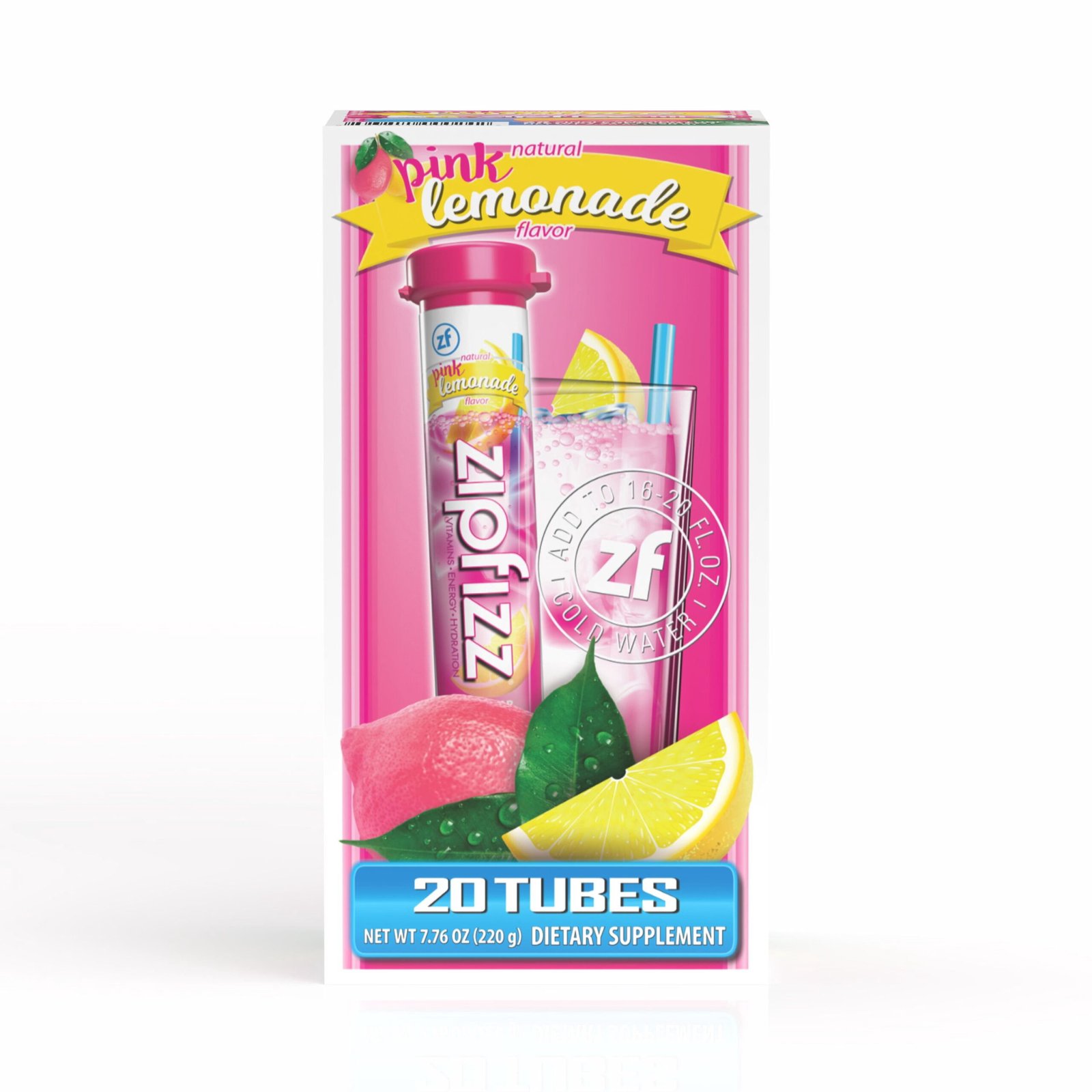
Avoid treating import language as a quality guarantee
Imported, international, exclusive, and similar descriptions do not establish a universal quality ranking. Check the exact claims that matter to the purchase and ask for supporting information where necessary. A foreign-language label is not proof of authenticity, and familiar packaging is not a complete authenticity check.
Likewise, a generic claim of registration should not be expanded into approval of a particular product or shipment. The FDA’s import information states that it does not approve individual food importers, products, labels, or shipments before importation. Keep the precise scope of any claim rather than supplying a stronger one yourself.
The practical aim is a product record you can verify: what the item is, what the label says, and what remains unresolved. That approach is more useful than treating origin or market associations as substitutes for ingredients, quantity, and current order information.
A final pre-order checklist
| Check | Save this information | If it remains unclear |
|---|---|---|
| Version | Full product, market, size, and flavor | Ask which package will be supplied |
| Ingredients | Complete readable current declaration | Request a specific list or explanation |
| Allergens | Relevant label wording and product-specific response | Do not assume suitability |
| Nutrition | Original units and serving basis | Normalize only with confirmed inputs |
| Caffeine | Quantity, basis, and source scope where relevant | Keep amount unconfirmed |
| Date | Exact wording and code interpretation | Ask the responsible business |
| Handling | Actual storage and after-opening directions | Do not invent shelf-life terms |
| Purchase | Exact count, availability, and applicable order details | Resolve offer-specific uncertainty |
Frequently asked questions
Does the same brand use one formula worldwide?
Do not assume that. Match the exact market, flavor, format, and current declaration. A manufacturer page for another version can be useful context while still failing to establish the ingredients in the selected item. Keep differences visible and request clarification when sources conflict.
Does a distributor address show where the drink was made?
Read the business role and actual origin wording separately. An address can identify a responsible business without establishing the manufacturing site. Preserve the exact statement rather than replacing distributed by with made in or another stronger claim that the package does not support.
Can I rely entirely on an automatic translation?
Use uncertain translations to identify questions rather than as sole assurance about a critical ingredient. Keep the original declaration and ask for a specific explanation when needed. Similar-looking words, abbreviations, or local naming conventions can lose meaning in a shortened translation.
What if the date format is unfamiliar?
Save the complete marking and surrounding wording and ask what the manufacturer intends. Do not assume a day-month order or a code meaning from digits alone. A date interpretation should be supported by information for the actual package, not a guess chosen to make the result convenient.
What should I check after delivery?
Match the actual product, market, size, ingredients, label basis, date wording, and package condition to the information used for the order. If something differs, preserve the evidence and raise the specific issue. Revisit any comparison that relied on a different version before using its conclusions.