




Blog
Electrolyte powder vs ready-to-drink: what should I compare?

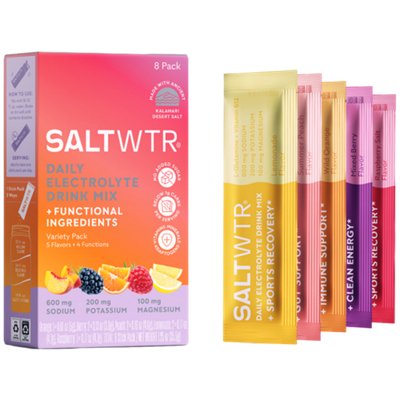
Compare electrolyte powder with a ready-to-drink beverage by matching the prepared volume, declared ingredients, serving basis, and purchase cost. Powder must be evaluated using its own preparation directions; a bottle or can already has a stated liquid volume. Neither format is automatically cheaper, more concentrated, or a better match for every customer.
This guide explains the practical comparison when browsing beverages. It includes a cost-per-liter example, preparation checks, storage questions, and an order worksheet. The figures are hypothetical and do not describe the pictured products. This is a shopping guide rather than a hydration prescription or a recommendation to alter mixing directions.
Define the two actual products
Start with the full name, flavor, and version of each item. Electrolyte powder is a broad description that can include individual packets, a multi-serving tub, or other measured formats. Ready-to-drink describes preparation convenience, not a single universal formula. Different products within either format can have different ingredients and declarations.
Keep the exact market and current label source in your notes. A comparison based on an older flavor label or another country’s formula can be numerically tidy while describing the wrong items. If a listing title and image disagree, resolve the product identity before using the information in a worksheet.
Also identify what the retail package contains. A box might hold eight packets, while a case might hold twelve bottles. Those purchasing quantities do not establish equal prepared servings or equal liquid volume. Write pack count, serving count, and prepared quantity in separate fields before comparing prices.
Establish the powder’s directed preparation
Read how much powder the manufacturer identifies as one serving and how much water the directions specify for it. Preserve whether the declaration is based on a packet, scoop, weight, or another defined quantity. Do not assume that a scoop from one product matches another product’s serving.
If directions provide a range of water volumes, retain that range and state which directed preparation you are using for the comparison. Do not describe one selected concentration as the only possible preparation when the package explicitly offers options. If the information is incomplete, ask for the exact current directions.
The comparison should not create a new recipe. Changing the water amount to make a powder seem stronger or cheaper can break the connection between the stated directions and the calculation. Use the product as directed and make the inputs visible so that another reader can reproduce the same result.
Establish the ready-to-drink basis
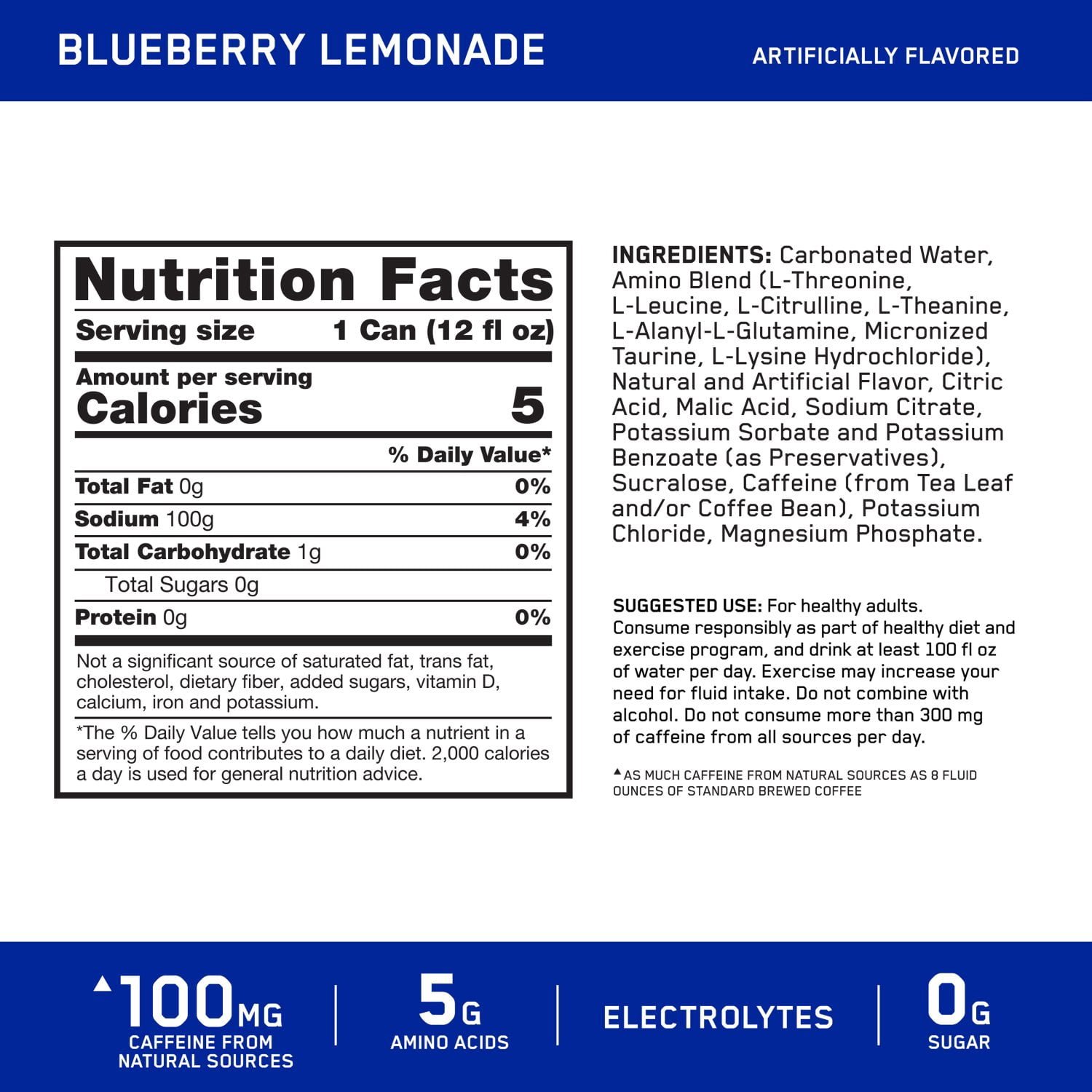
For a bottle or can, record its volume, labeled serving size, and servings per container. A container may not use the same basis as the nutrition panel’s selected column. If complete-container values are available directly, keep that wording and avoid performing a serving multiplication a second time.
Check the exact selected size. A brand can sell the same named flavor in more than one container, and the amount per container can change with volume. Do not borrow a bottle size or caffeine declaration from a related listing merely because its packaging looks familiar.
Finally, save the case count. An individual bottle volume multiplied by the confirmed number of bottles gives the total packaged liquid volume for that offer. That is useful for purchasing comparisons, but it does not mean the whole case is one serving or an instruction to consume that amount.
| Field | Powder | Ready-to-drink |
|---|---|---|
| Purchasing unit | Box, tub, or identified pack | Individual container or case |
| Serving definition | Packet, scoop, or measured quantity | Stated liquid serving |
| Preparation | Manufacturer’s measured amount and water directions | Supplied in its identified liquid form |
| Comparable volume | Directed prepared volume | Printed container volume |
| Count to verify | Labeled servings or packets | Containers in the selected offer |
| Additional practical need | Appropriate water and mixing container | Storage and handling for supplied containers |
Compare the actual declarations, not the format names
Record sodium and other relevant declared minerals individually. An electrolyte description is not a single numerical formula. Keep sodium, potassium, and any other declared field under their own names and units rather than adding unlike ingredients into a homemade strength score.
Also record carbohydrate, sugars, calories, and caffeine where relevant and provided. A powder is not automatically sugar-free, and a ready-to-drink label does not establish a caffeine amount by format alone. Read the exact current information instead of using the preparation category to fill missing values.
Ingredient preferences require the complete list. A product may highlight selected components without reproducing everything used in the formula. If avoiding a named ingredient matters, obtain a readable current declaration for the selected flavor and version. An absent name in a short marketing paragraph does not establish absence from the product.
Match nutrient amounts to the same volume
For a numerical concentration comparison, use a shared prepared volume such as 100 milliliters or one liter. The amount and volume must refer to the same preparation. Do not divide an unprepared powder serving amount by an arbitrary bottle size or treat a label’s dry serving weight as a liquid volume.
In an invented example, a directed powder serving with 200 milligrams of a declared nutrient prepared in 500 milliliters corresponds to 40 milligrams per 100 milliliters. A hypothetical 500-milliliter bottle declaring the same 200 milligrams has the same calculated equal-volume figure for that nutrient, using those inputs.
That match does not establish identical formulas or equivalent personal suitability. The products could differ in other ingredients, sugars, caffeine, flavor, or package quantity. A concentration calculation answers one specific question and should remain attached to the field and preparation basis it actually measures.
Calculate cost per prepared liter
First find the total prepared volume supported by the selected powder pack’s stated servings and directions. Multiply the number of labeled servings by the directed volume per serving. For ready-to-drink, multiply the confirmed container count by the individual container volume. Use compatible units before dividing price by volume.
For a hypothetical powder pack priced at 12 currency units, eight servings each prepared as directed to provide 500 milliliters represent four liters of prepared drink. Dividing 12 by four gives 3 units per prepared liter, before additional costs. This is invented arithmetic, not a live price or a preparation instruction for a pictured item.
For a hypothetical case priced at 18 units containing six 500-milliliter bottles, the supplied volume is three liters. Dividing 18 by three gives 6 units per liter before additional charges. The example explains a method; it does not establish that all powders cost less or that these options have matching formulas.
| Hypothetical offer | Quantity used for calculation | Total comparable volume | Item price | Item cost per liter |
|---|---|---|---|---|
| Powder pack A | 8 directed servings × 500 mL | 4 L prepared | 12 units | 3 units/L |
| Bottle case B | 6 bottles × 500 mL | 3 L supplied | 18 units | 6 units/L |
| Powder pack C | Serving volume unconfirmed | Unknown | 10 units | Cannot calculate reliably |
| Bottle case D | Container count unclear | Unknown | 16 units | Confirm the count first |
Include the costs the calculation actually covers
An item-only comparison excludes anything outside the selected item price. If delivery, discounts, taxes, water, or other costs are relevant and known, record them explicitly. Do not invent a figure for an unknown charge or compare one delivered total with another item-only price without showing the difference.
Save the currency and review date. A price can change, and a promotional offer may apply only to a particular count or selected version. Recheck the actual order information before relying on a worksheet prepared earlier. A dated arithmetic example cannot establish the current total at checkout.
Cost per serving can also be useful, provided the serving definitions remain visible. It answers a different question from cost per liter. A packet and a bottle may each be called one serving while representing different volumes, so do not use matching serving counts as proof of matching quantities.
Compare preparation convenience honestly
A ready-to-drink container avoids a mixing step for that product. A powder can reduce the amount of liquid carried before preparation but still requires the appropriate water and a suitable container. Consider where you intend to prepare or use the product rather than treating one format’s convenience as universal.
For a workplace or trip, check access to water and the practical ability to follow the directions. For a larger shared purchase, consider how servings will be identified and measured. A multi-serving tub and individually wrapped packets create different handling tasks even if their ingredient lists are similar.
Do not translate convenience into an unsupported nutritional claim. Easier preparation does not establish a superior formula, and a compact package does not prove a lower comparable cost. Keep practical handling, composition, and price as separate parts of the decision so the comparison remains clear.
Read storage information for each state of the product
Powder before preparation, a sealed liquid container, and a prepared drink can have different handling instructions. Read the manufacturer’s actual directions for each relevant state. Do not assume that storage wording for an unopened retail pack also describes a prepared mixture or an opened bottle.
Keep date and storage questions separate. A package date does not, by itself, supply every condition for handling the product after opening. If the instructions are missing or unreadable, ask for clarification rather than inventing a general shelf life for every electrolyte powder or beverage.
Storage space can affect the purchase even without changing the formula comparison. A large liquid case occupies different space from a small powder box, while a multi-serving tub needs its own storage arrangement. Consider the actual package dimensions and directions instead of relying on a category-wide assumption.
Check variety and package contents
A variety pack may contain different flavors or formulas. Confirm the actual contents and any declared differences before applying one photographed panel to the entire assortment. The number of flavor illustrations does not establish equal allocation or identical ingredient lists across every included unit.
When comparing a single-flavor tub against a mixed packet box, preserve that distinction in the worksheet. One may provide a larger quantity of one flavor while the other provides smaller quantities of several versions. Neither arrangement automatically establishes the better purchase; it changes what the order contains.
If the listing’s contents are unclear, request the included names and quantities. Do not assume custom mixing or substitutions are available. Keep any confirmed arrangement specific to the offer so that a purchasing guide does not promise a service that the store has not actually described.
A final comparison worksheet
| Check | Evidence to keep | Reason to pause |
|---|---|---|
| Exact product | Name, flavor, format, market | Title and photograph identify different versions |
| Preparation | Current directions and serving amount | Water volume or measured portion missing |
| Declaration | Original amount, unit, and basis | Different columns combined accidentally |
| Comparable quantity | Prepared or supplied volume | Pack count or serving count unclear |
| Cost | Price, currency, date, included charges | Unknown costs presented as confirmed |
| Practical use | Water access, container, storage directions | Assumptions replace the actual instructions |
| Contents | Included versions and quantities | One flavor’s information applied to an unconfirmed assortment |
Frequently asked questions
Is electrolyte powder always cheaper?
No. Compare the current selected offers on a shared prepared-volume or clearly defined serving basis. Include the costs your calculation actually covers and keep formula differences visible. The hypothetical table demonstrates arithmetic, not a universal price ranking between formats.
Can I compare one packet with one bottle?
You can record their individual prices, but the comparison needs each product’s serving definition and volume to be meaningful. A packet may prepare a different quantity from the bottle. Use the stated directions and actual container size rather than assuming the two units are equal.
Does powder mean there is no sugar or caffeine?
No composition follows from powder format alone. Read the current nutrient declaration, ingredient list, and any separate caffeine statement. If information is missing, keep it unconfirmed rather than entering zero or borrowing a declaration from another flavor or product line.
Can I use less water to make the comparison stronger?
This guide uses the manufacturer’s directed preparation and does not supply alternative mixing instructions. If the directions provide a range, identify the selected directed basis. A reproducible comparison should show both the measured product quantity and the corresponding prepared volume.
What if the product has several serving options?
Preserve the actual directions and specify which stated option supplies your calculation. Do not combine an amount from one option with a volume from another. If the relationship is unclear, request a product-specific explanation before publishing a concentration or cost-per-liter figure.
What should I verify after delivery?
Match the delivered product, flavor, size, serving information, and directions to your worksheet. Revisit the comparison if anything differs. A saved source and review date help distinguish the original confirmed information from assumptions that still need an answer.