




Blog
How do low-sugar and zero-sugar energy drink labels compare?

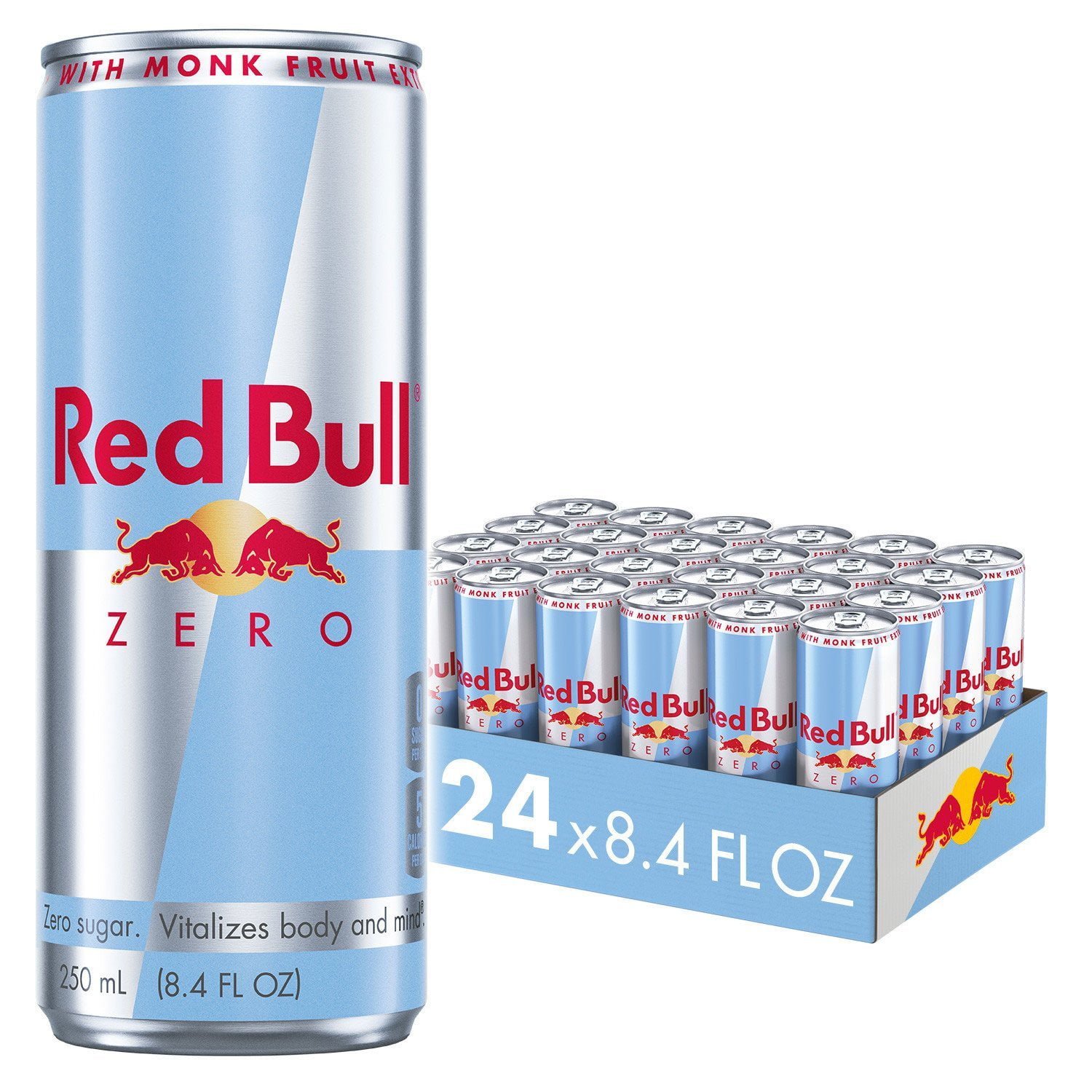
Compare energy-drink sugar claims by reading the exact wording, the nutrition declaration, and the serving basis together. Low sugar, reduced sugar, no added sugar, and zero sugar should not be treated as interchangeable phrases. For a useful shopping comparison, record the actual grams for the selected product and use a shared container or volume basis.
This guide explains how to review energy-drink listings without turning a front-label phrase into a claim about the entire formula. It covers U.S. labeling context, hypothetical percentage calculations, sweetener checks, can sizes, and purchasing questions. The examples are not current nutrition values for pictured products or individualized dietary recommendations.
Start by copying the claim accurately
Write the words exactly as they appear, including any comparison statement or nearby qualification. Reduced sugar compared with a named reference product tells a different story from a general phrase in a retailer’s description. Shortening either statement to low sugar can remove the information needed to understand it.
Also distinguish the product’s own label from a category heading or search snippet. A category can organize items for browsing without supplying a complete product specification. Use the exact selected listing and package to establish what is actually being claimed for that item rather than treating every phrase on a search page as package wording.
If the product name has been abbreviated, identify the full version before comparing it. Regular, Zero, Sugarfree, and a named edition may represent different products. Packaging colors and similar flavor names are useful clues for identification, but they are not evidence that the declarations match.
Understand the U.S. context without inventing a threshold
In its published labeling enforcement discussion, the FDA explains that low sugar is not a defined authorized nutrient-content claim under the cited U.S. framework. Do not assign that phrase your own universal grams-per-can threshold or use it as a substitute for the actual declaration.
The U.S. regulation on sugar-content claims sets conditions for sugar-free and zero-sugar wording, including less than 0.5 grams of sugars per reference amount customarily consumed and per labeled serving, together with other ingredient and labeling conditions. It also separately addresses reduced-sugar and no-added-sugar claims.
This brief context does not certify the compliance of a particular drink or establish rules for every country. For a product comparison, preserve the intended market, exact wording, and actual panel values. If a claim is unclear, seek a product-specific explanation rather than converting informal marketing language into a new numerical promise.
| Wording encountered | What to check next | What not to assume |
|---|---|---|
| Low sugar in descriptive copy | Actual grams and source of the wording | A universal numerical cutoff |
| Zero sugar or sugar free | Current declaration and applicable label qualifications | Identical ingredients across products |
| Reduced or less sugar | Named comparison and quantitative information | That the product has zero sugars |
| No added sugar | Full claim and total-sugars declaration | That total sugars are necessarily zero |
| Lightly sweetened | Ingredient and nutrition information | A measurable result from the phrase alone |
A percentage reduction needs a reference
A percentage comparison requires a starting value and an ending value measured on the same basis. The arithmetic is the difference divided by the reference amount, multiplied by 100. Without the reference product and compatible quantities, a number such as 30 percent less cannot be independently checked.
For an invented example, a reference drink with 20 grams of sugar and a compared drink with 15 grams on the same volume basis differ by 5 grams. Dividing 5 by 20 and multiplying by 100 gives a 25 percent reduction in that hypothetical comparison. This arithmetic example does not authorize a real product claim.
Notice that 15 grams is not zero. A relative reduction can leave a substantial numerical amount compared with zero, while still accurately describing a difference from its reference. Keep the absolute grams beside the percentage so that the percentage does not become the only information visible in the shopping table.
Match the basis before calculating a difference
Suppose a hypothetical drink lists 8 grams per 200 milliliters while another lists 10 grams per 500-milliliter container. Comparing 8 with 10 directly would mix serving volumes. The first amount corresponds to 4 grams per 100 milliliters, while the second corresponds to 2 grams per 100 milliliters.
This difference in basis matters even when one package uses a prominent sugar claim. A label phrase does not make incompatible units comparable. Establish the serving size, container volume, and column heading first, then decide whether your question concerns the whole container or an equal volume.
Keep both results if both questions matter. A complete-can figure helps identify the declaration for the container being purchased. An equal-volume figure helps compare concentration. Name the columns clearly rather than describing a result as lower sugar without saying what quantities were compared.
| Hypothetical comparison | Compatible inputs | Calculation | What it shows |
|---|---|---|---|
| Relative reduction | 20 g reference, 15 g compared; same basis | (20 − 15) ÷ 20 × 100 | 25% reduction, not zero |
| Equal volume, first drink | 8 g per 200 mL | 8 × 100 ÷ 200 | 4 g per 100 mL |
| Equal volume, second drink | 10 g per 500 mL | 10 × 100 ÷ 500 | 2 g per 100 mL |
| Missing serving size | 8 g stated without basis | Cannot normalize reliably | More information needed |
| Different product versions | Figures from unmatched formulas | Do not combine | Identify the exact items first |
Read the nutrition panel independently of the slogan
Record the declared total sugars, added sugars where provided, calories, and serving information. Keep each field under its own name. A front-label sugar phrase should not be used to fill missing values for unrelated nutrients or to reconstruct an unreadable panel from memory.
For total and added sugars, preserve the relationship shown by the label rather than treating them as two amounts to add together. If a comparison depends on the whole container, establish whether the panel provides that figure directly or whether a serving conversion is needed. Show the units in any calculation you make.
When numbers appear in two columns, save each heading with the corresponding value. A per-serving column and a per-container column can contain different numbers without representing a contradiction. If the headings and qualifications do not resolve an apparent discrepancy, request clarification before presenting a product-specific comparison as verified.
Sugar claims do not identify every sweetener
Read the complete ingredient list when you want to identify sweetening ingredients. Two products with similar front wording may name different ingredients or combinations. A numerical sugar declaration is not a substitute for the list, and the list is not a basis for estimating undisclosed quantities of individual ingredients.
A preference about a particular ingredient should be checked explicitly. Look for its exact name and relevant naming variations in the current declaration, then ask for clarification if the wording remains uncertain. Do not infer absence merely because a short retail description highlights another ingredient instead.
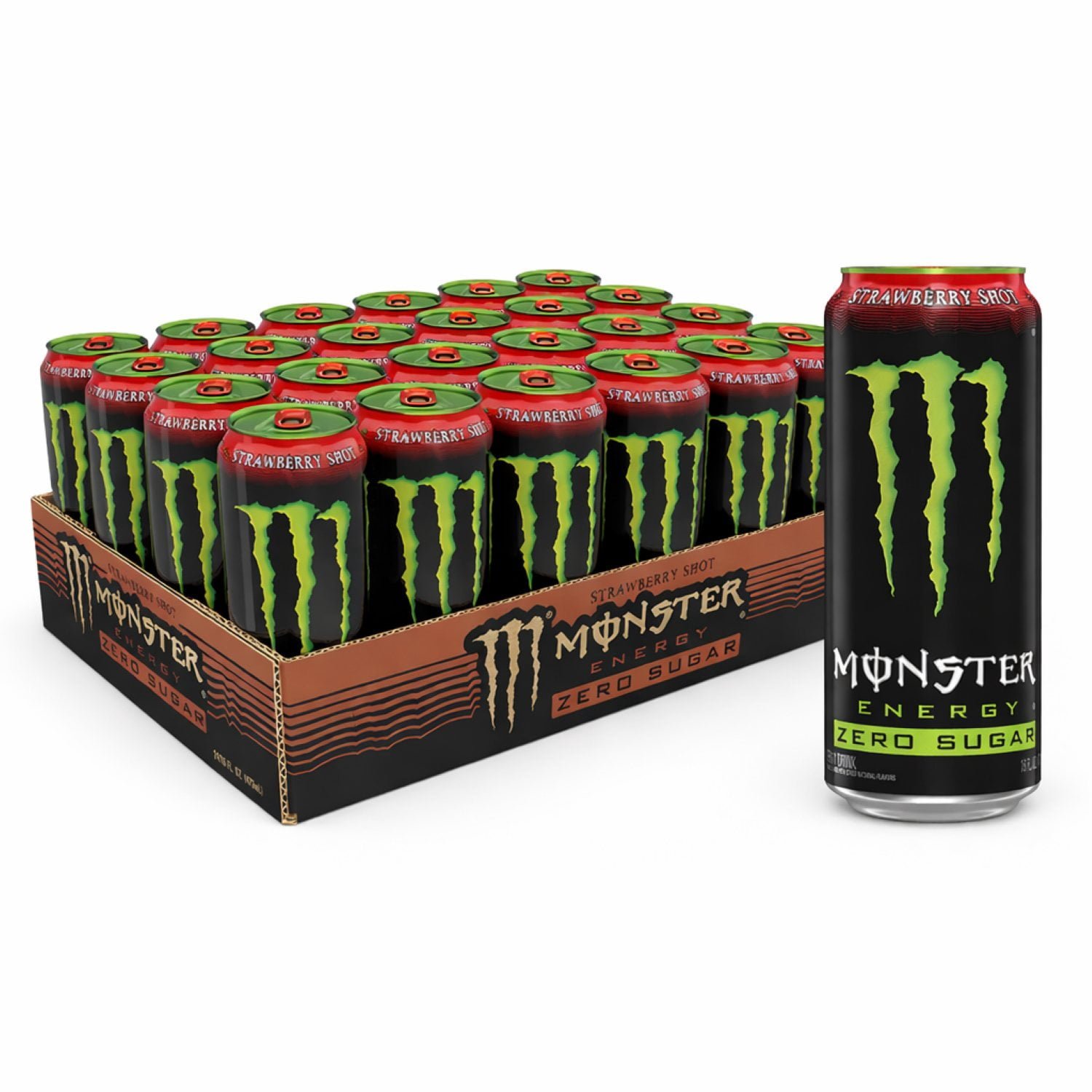
Keep product identity attached to this check. A statement about one flavor should not be extended to another named edition without evidence. For a variety pack, confirm whether the ingredient information covers every included formula or only the example can shown in the photographs.
Check calories and caffeine as separate questions
A sugar comparison is only one part of a label record. If calories matter to your comparison, use the stated calorie amount and its basis. Do not turn a sugar phrase into an assurance about the entire calorie declaration or use a single nutrient to reconstruct every other line of the panel.
Caffeine also needs its own amount, unit, and serving or container basis. A zero-sugar title does not identify the caffeine quantity. Record the relevant statement separately and confirm whether it describes the complete can, a serving, or a fixed volume before comparing it with another product.
This approach keeps the comparison descriptive. A drink with a smaller declared sugar amount is not automatically a better match for every person or purpose. Formula preferences, package size, flavor choice, and individual circumstances remain distinct questions that a sugar table cannot resolve by itself.
Compare regular and zero versions without merging them
When a brand offers similar-looking versions, create a separate worksheet row for each. Save the full name, can size, and current label source. Do not copy the regular version’s ingredients into the zero version’s row or transfer one version’s caffeine amount because the packaging appears related.
If a manufacturer supplies an explicit comparison, preserve its scope and reference. If you calculate your own numerical difference from confirmed panel values, label it as your arithmetic and state the basis. That makes the record distinguishable from a manufacturer-authorized claim and easier to check later.
Avoid treating a photograph of several versions together as evidence that they are interchangeable. Product images are useful for orientation, but the supporting declarations belong to identified items. If the selected option changes, recheck the information instead of assuming the original worksheet still applies.
Build a useful shopping comparison
| Field | Entry to save | Why it matters |
|---|---|---|
| Product | Full name, formula, flavor, and format | Prevents version mix-ups |
| Claim | Exact wording and qualifications | Preserves the original meaning |
| Label basis | Serving size, column heading, container volume | Makes numbers comparable |
| Sugar figures | Declared fields with units | Supports a specific numerical comparison |
| Other information | Ingredients, calories, caffeine if relevant | Keeps separate questions visible |
| Reference | Named comparison product where supplied | Makes a relative claim interpretable |
| Source | Current label or manufacturer response and date | Helps with later rechecking |
Questions to ask when information is incomplete
Ask for the current label for the exact flavor, format, and can size rather than requesting a general brand description. If the question concerns a reduction, ask which reference product and comparison basis the statement uses. If it concerns a specific ingredient, ask for the complete declaration rather than another front-label phrase.
Include the selected listing link and describe the missing detail. A request that says the page shows a sugar figure without a serving size is easier to answer than a broad question about whether the product is healthy. The goal is a specific, usable piece of product information.
If the answer does not resolve the issue, keep the comparison incomplete. Do not fill a missing value with zero, borrow a number from a similar flavor, or invent a universal definition for descriptive copy. A clearly marked unknown is more useful than a precise-looking figure with no supporting basis.
Frequently asked questions
Does reduced sugar mean zero sugar?
A relative reduction and a zero-sugar declaration answer different questions. The hypothetical example reduces 20 grams to 15 grams on the same basis; the ending amount is still 15 grams. Read the actual label values and any reference information rather than treating the two phrases as equivalent.
Can I use low sugar as a fixed comparison category?
For a personal worksheet, use explicit numerical criteria and label them as your own comparison choices. Do not present an invented cutoff as an authorized U.S. label definition. Recording actual grams and the measurement basis is clearer than relying on an undefined descriptive phrase.
Does no added sugar answer the total-sugars question?
Check the total-sugars declaration separately. The phrase addresses a different aspect of the product from a simple total-grams comparison. Preserve the complete wording and supporting label rather than assuming it establishes every sugar-related field or identifies all sweetening ingredients.
Should I compare per can or per 100 milliliters?
Use the basis that answers your question and keep it visible. Whole-container figures describe the selected cans; equal-volume figures compare the same quantity of drink. When sizes differ, saving both can prevent an apparent ranking from hiding a change in the underlying measurement basis.
Does zero-sugar wording establish caffeine content?
No. Look for the separate caffeine declaration and record its quantity and basis. Treat missing caffeine information as unconfirmed rather than borrowing a value from another version. Product claims should be read within the question they actually address, with unrelated fields checked independently.
What should I recheck before ordering?
Confirm the selected version, size, pack contents, current label, and any qualifications that matter to the comparison. If an option or flavor changes, revisit its information. Save the source and date so that a later review can distinguish what was confirmed from what still needs an answer.