




Blog
How much does an energy drink cost per can by the case?

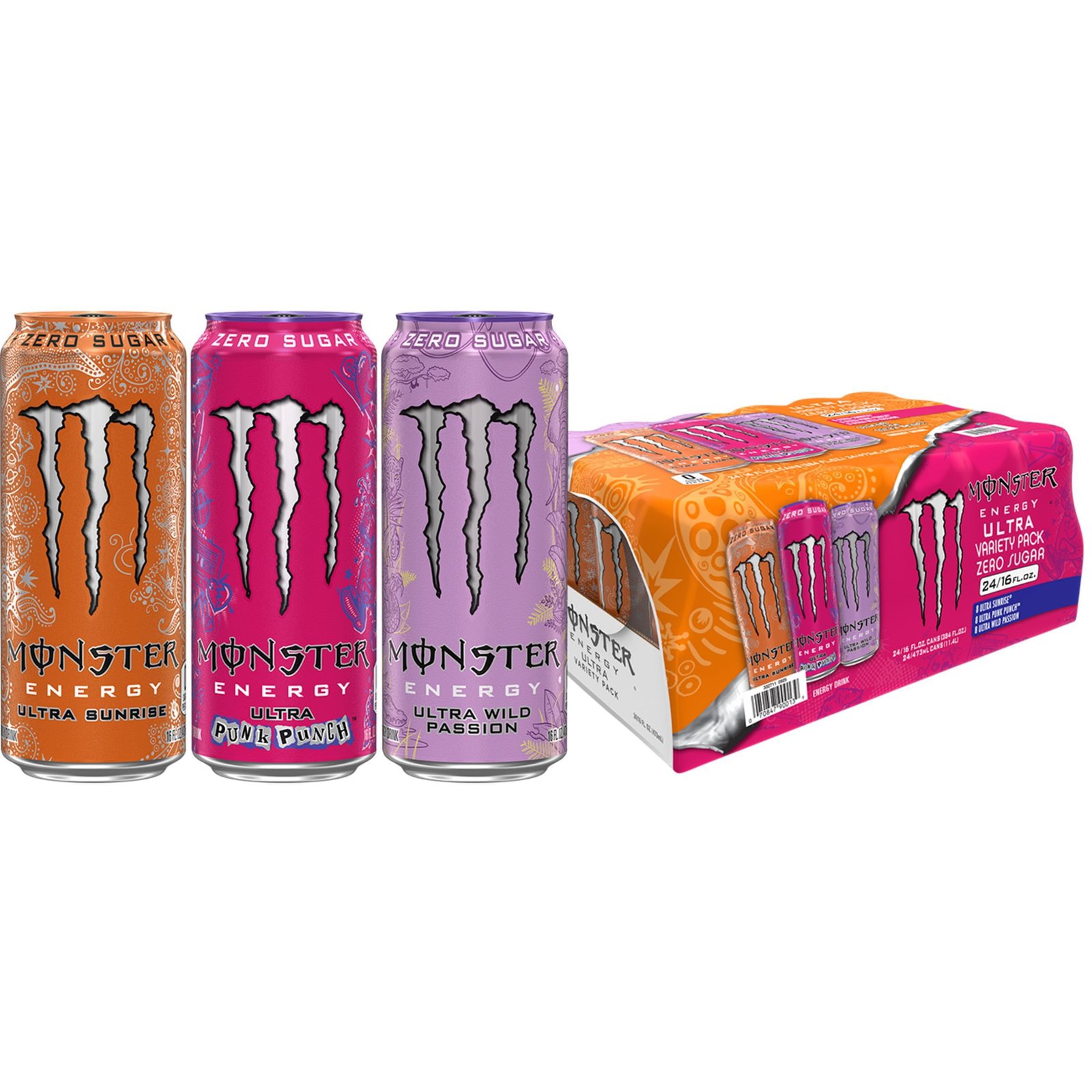
An energy drink case can look inexpensive until you compare its can count, can size and delivered price. The most useful starting calculation is simple: divide the price of the confirmed case by the number of cans it contains. Keep that result beside the volume of each can. A price per can describes the cost of one container; it does not tell you how much drink that container holds, whether the flavors match your preferences or what the final order will cost.
This guide explains how to compare energy drink cases without confusing a single can, a multipack, a display photograph and a complete order. All prices in the worked examples are hypothetical. They illustrate the calculations and are not current prices, discounts or delivery promises from Sprinkles Menu. Use the live product page and checkout for the actual option you intend to purchase.
What information do you need before calculating?
Start with the complete product title and the selected package option. Record the brand, product line, flavor, volume per can and number of cans. Then find the price that applies to that selection. Do not take a price from a search preview and a can count from a different product page: the resulting calculation may be precise but describe an order that does not exist.
A product photograph can help identify packaging, but written contents should establish the purchase quantity. A case image might include a loose display can alongside the packaged units. That display does not automatically add another can to the stated count. Similarly, a single-can photograph may represent a listing whose written option is a full case.
| Information | What to record | Why it matters |
|---|---|---|
| Exact drink | Brand, product line and flavor | Similar names can describe different formulas |
| Container size | Fluid ounces or milliliters per can | A cheap small can is a different quantity |
| Pack contents | Confirmed number of cans | Cases do not have a universal count |
| Selected price | Price for the chosen pack | Another option may use another price |
| Order charges | Delivery and other displayed charges | These affect the amount actually paid |
How do you calculate the product price per can?
Use this formula: case price divided by confirmed can count equals product price per can. For a hypothetical case priced at $24 containing 12 cans, divide 24 by 12. The result is $2 per can before any additional order charges. Do not round the case price first, and keep enough decimal places in your working to compare close results accurately.
The same method works for six, eight, sixteen or twenty-four cans. The word case does not supply the denominator; the confirmed contents do. If the product page does not identify the quantity clearly, ask the store before ordering. Guessing a twelve-can count because that is familiar can make a single-unit offer appear far cheaper than it really is.
| Hypothetical pack | Pack price | Calculation | Product cost per can |
|---|---|---|---|
| 6 cans | $15 | $15 ÷ 6 | $2.50 |
| 12 cans | $24 | $24 ÷ 12 | $2.00 |
| 16 cans | $36 | $36 ÷ 16 | $2.25 |
| 24 cans | $54 | $54 ÷ 24 | $2.25 |
The largest pack in this example does not have the lowest product price per can. The twelve-can option does. This is why a bulk label, a large carton or a prominent pack count should not replace the calculation. Package quantity and unit value are related through the actual price, not through a guarantee that larger is cheaper.
How does can volume change the comparison?
Price per can is most informative when the cans have the same volume. If one option contains 12-fluid-ounce cans and another contains 16-fluid-ounce cans, compare both the container cost and the volume cost. Divide price per can by fluid ounces per can to obtain price per fluid ounce. Use the same unit for every row.
For example, a hypothetical $2 can holding 12 fluid ounces costs about $0.167 per fluid ounce. A $2.40 can holding 16 fluid ounces costs $0.15 per fluid ounce. The second container costs more to buy, but less per unit of drink. That does not make it the better choice for everyone; it simply describes a different cost relationship.
| Hypothetical option | Price per can | Can volume | Approximate price per fluid ounce |
|---|---|---|---|
| Smaller container | $2.00 | 12 fl oz | $0.167 |
| Larger container | $2.40 | 16 fl oz | $0.150 |
Volume value also differs from practical value. You may prefer smaller containers, want a particular flavor or have limited storage. Write those preferences beside the numbers so that a mathematical result does not silently become a recommendation to buy more drink than you intended.
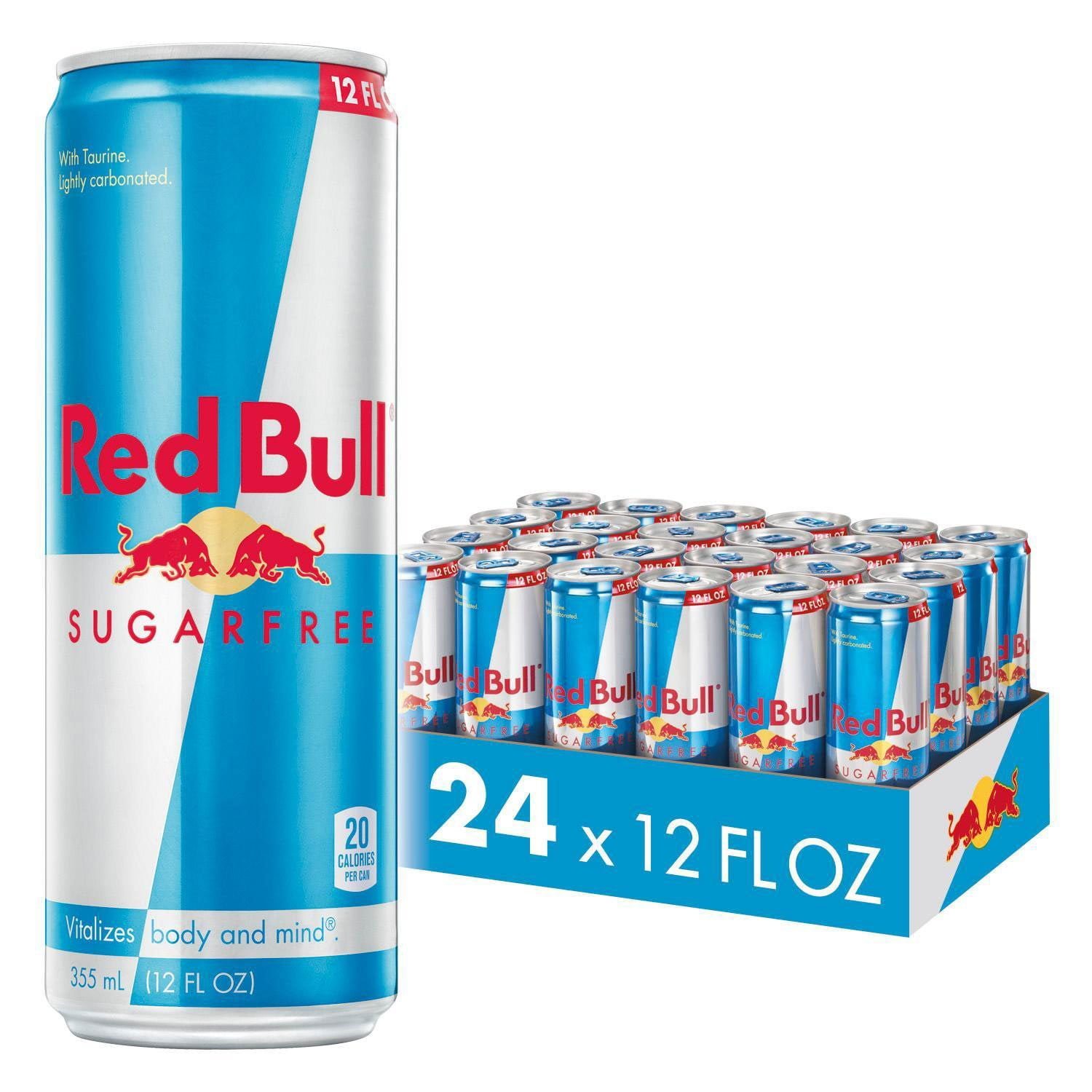
How do delivery charges affect the price per can?
For one case shipped on its own, add the actual delivery charge and other displayed order charges to the product price, then divide by the can count. A hypothetical $24 case of 12 cans with $6 delivery costs $30 delivered, or $2.50 per can, before any further charges that might apply. Product price per can and delivered price per can should therefore have separate labels.
When comparing retailers or order options, avoid putting a product subtotal in one column and a delivered total in another. That comparison gives an advantage to the incomplete figure. Wait until you have the actual charges for the selected destination, or clearly mark a delivery figure as unknown.
Mixed orders require an allocation choice. If one delivery charge covers drinks and several unrelated items, there is no single automatic way to assign all of that charge to one case. You can compare the full baskets, show the unallocated delivery charge separately or use a clearly labeled estimate. Do not present an arbitrary allocation as a retailer-supplied unit price.
Is a two-case order necessarily cheaper?
Recalculate using the actual order total. Two cases may share a delivery charge, have a different charge or use different purchase conditions. A lower product-unit price does not establish how the checkout will price a larger shipment. Confirm the exact quantities in the cart and use the displayed result.
Suppose one hypothetical twelve-can case costs $24 plus $8 delivery. Its delivered total is $32, or about $2.67 per can. If two identical cases cost $48 plus the same $8 delivery, the total is $56 for 24 cans, or about $2.33 per can. The second result depends on the stated hypothetical delivery charge remaining unchanged.
The larger order also commits another $24 and doubles the stock you must store. A lower delivered unit cost is useful information, but it is not a reason to disregard your budget, available space or interest in the exact flavor. Compare those practical limits before adding another case simply to spread a charge.
How should you compare a variety pack?
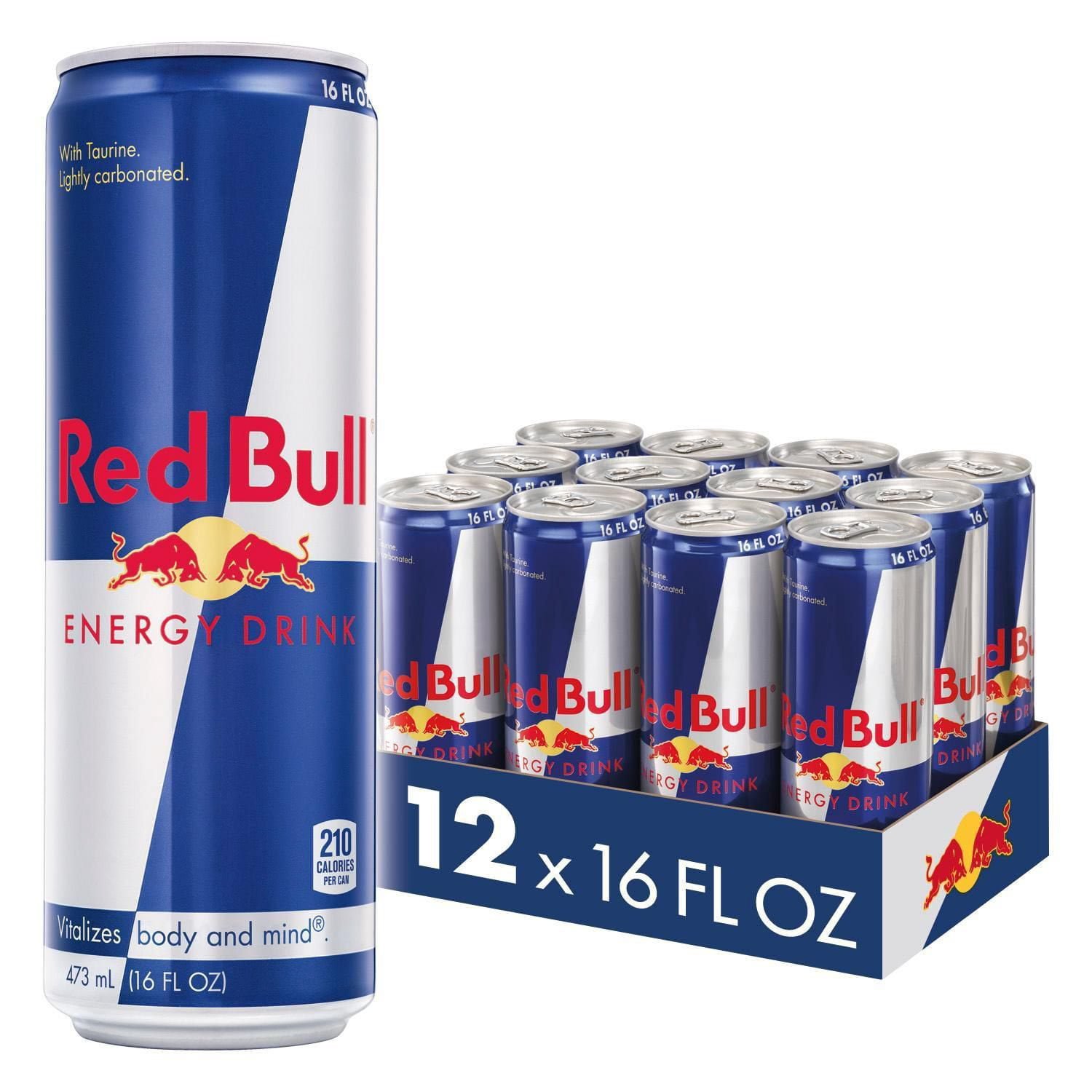
Record the flavor breakdown before calculating value. Twelve cans of one familiar flavor and twelve cans split among several flavors have the same total count but may serve different shopping needs. If the pack includes options you do not want, a low average price can hide an unsuitable purchase.
Ask whether the mix is fixed, selectable or subject to stated variation. Do not infer equal quantities from the number of flavors pictured. A three-flavor twelve-can assortment does not automatically contain four cans of each. The written contents or retailer confirmation should supply that detail.
You can also estimate a preference-adjusted figure for your own planning. If a hypothetical $24 pack contains twelve cans but you only expect to use eight, dividing by eight gives $3 per can you expect to use. This is a personal planning calculation, not the product’s advertised unit price. Label it clearly so it is not confused with the confirmed twelve-can calculation.
What should you check beyond price?
Use the nutrition and ingredient information for the exact drink, flavor and container size. If caffeine, sweeteners, sugar or an allergen matters to your choice, record that information separately. Do not assume that a larger can, a sugar-free version or a different regional package has the same formula as another product in the range.
The FDA provides broader guidance on caffeine in foods and beverages. For this price comparison, the key point is to retain the basis of any printed quantity: per serving and per container are not labels you should interchange without checking the package.
A lower cost does not establish that a caffeinated drink suits an individual. This article compares purchase quantities and prices; it does not recommend a caffeine intake or a drink for a medical condition. Keep those questions separate from an otherwise straightforward shopping calculation.
A case-comparison worksheet you can reuse
Complete this worksheet with two or three live listings. Enter unknown where a detail cannot be confirmed. A visible gap is more useful than a guessed number because it shows exactly what question to ask before checkout. Keep the date of your comparison in your own notes, since prices and available options can change.
| Comparison field | Option A | Option B |
|---|---|---|
| Exact brand, line and flavor | Record listing | Record listing |
| Number of cans | Confirm quantity | Confirm quantity |
| Volume per can | Use one consistent unit | Use one consistent unit |
| Product price | Current selected price | Current selected price |
| Product price per can | Price divided by count | Price divided by count |
| Delivered total | Actual checkout figure | Actual checkout figure |
| Delivered price per can | Total divided by count | Total divided by count |
| Flavor and storage fit | Your preference | Your preference |
| Unresolved question | Ask before ordering | Ask before ordering |
After entering the figures, compare like with like. If the can sizes differ, add a volume-price row. If the flavor mixes differ, add the breakdown. If delivery has not been quoted, stop short of naming a delivered-price winner. The worksheet should make uncertainty explicit rather than give incomplete information a polished appearance.
Common calculation mistakes and how to avoid them
Using the photograph as the count. Promotional arrangements are designed to show the product. They may not establish how many units the price covers. Use written contents and the selected option instead.
Ignoring container size. Two cases can contain twelve cans each while supplying different total volumes. Keep the can volume beside the per-can figure, and calculate volume price if that difference matters to you.
Subtracting a discount twice. If the displayed product price already reflects an offer, do not subtract the same advertised saving again. Use the price actually charged for the selected option and review any offer conditions.
Comparing different currencies. A unit-price calculation does not resolve currency differences. Compare prices in a consistent currency using a verified current conversion where necessary, and keep any transaction charges separate.
Treating hypothetical examples as offers. The figures in this guide illustrate the method. They do not describe a current sale, a guaranteed case count across products or a shipping arrangement. Return to the live listing for those facts.
Questions shoppers often ask
Does a case always contain twelve cans?
No. The count belongs to the exact listing and selected package. Cases and multipacks can use different quantities. If the title, description and cart option disagree, obtain confirmation before paying rather than choosing whichever count makes the price look best.
Is price per can enough when the volumes differ?
It tells you the cost of each container, but not the cost of the same amount of drink. Add price per fluid ounce or milliliter using consistent units. Keep your preferred container size visible because the lowest volume price may still be a less convenient purchase.
Can I use a single-can price to estimate a case price?
You can multiply it to understand what that many individual cans would cost, but the result is not a confirmed case offer. Use the actual multipack listing for a real pack price, quantity and availability. Do not assume an automatic bulk discount.
Does a cheaper case provide better value?
Only after you define value. A case may have a lower unit price but the wrong flavors, an inconvenient size or a larger total commitment. Use the calculations to make those tradeoffs visible instead of letting one number answer every question.
What if the checkout delivery charge changes?
Recalculate the delivered figure using the final amount displayed for the order. Do not continue using an earlier estimate after the quantity, destination or selected service changes. The product-only figure can remain the same while the delivered result changes.
Where should I begin on Sprinkles Menu?
Browse the energy drink category, choose an exact product and confirm its pack option. For related checks, read how to confirm a multipack’s can count and how to check a variety pack’s flavors. If something is unclear, send the product link and selected option through the contact page before ordering.