




Blog
What allergens should I check on an omega-3 supplement?

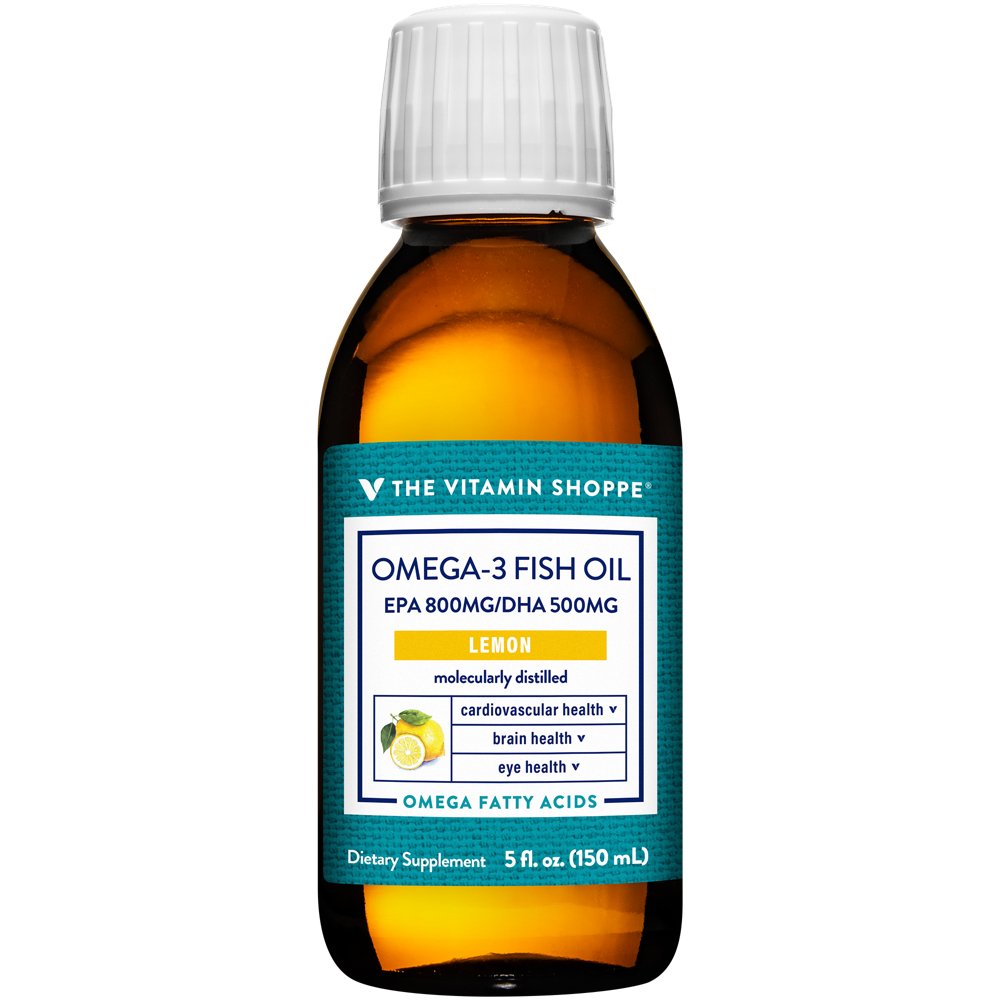
Check an omega-3 supplement’s complete ingredient information, allergen statements, oil source, and capsule or delivery materials for the exact product you intend to buy. A fish-oil name identifies an important source detail, while a broader omega-3 name may leave the source unclear. Use a complete current label rather than assuming the title answers every allergy-related question.
This guide explains how to organize information while reviewing fish oil and omega products. It covers label sources, finished-formula ingredients, manufacturer questions, variant changes, and order checks. It does not determine whether a product is safe for a particular person’s allergy or replace guidance from an appropriate health professional.
Start with the complete current label
Find the full ingredient statement and relevant allergen information for the selected formula. The FDA’s consumer guidance on reading allergen labels explains why the entire ingredient information matters, including when a separate Contains statement is absent. Read the label rather than treating a missing statement in a thumbnail as confirmation.
Record the exact product identity: brand, full formula, format, flavor where relevant, and selected size. Related products can share artwork while differing in ingredients. Keep every label photograph attached to the version it actually describes.
If the image is cropped or too small to read, request a complete current panel and ingredient statement. A large promotional number or front photograph may identify the product without showing the information needed for your particular requirement.
Identify the oil source explicitly
Read whether the formula names fish oil, another marine source, algae oil, or a combination. A generic omega-3 title does not necessarily supply the complete source description. Record the actual wording rather than filling the gap from a category name.
The FDA guidance lists fish and Crustacean shellfish as separate major food-allergen categories. Keep the exact source terminology visible instead of treating every marine description as the same statement. Ask the manufacturer about the specific product where the relevant source information is unclear.
An algae-source statement also should not be used as a complete description of the finished formula. Review other ingredients and delivery materials separately. The purchasing question concerns the actual product, not just one selected ingredient.
| Part of the product record | Information to obtain | Why it matters |
|---|---|---|
| Exact identity | Formula, format, flavor, and selected size | Keeps the review product-specific |
| Main oil | Full stated source wording | Identifies the ingredient being described |
| Other ingredients | Complete finished-formula statement | Adds information beyond the main oil |
| Delivery materials | Capsule, coating, or other format components | Keeps separate components visible |
| Allergen information | Current relevant statements | Supports a focused follow-up question |
| Source and date | Where and when information was checked | Helps distinguish versions and updates |
Read capsule and other ingredients separately
For a softgel or capsule, review the other-ingredient statement rather than assuming the shell is described by the oil-source name. For a liquid, review the complete base and flavor ingredient information. Different formats can introduce different questions even within a related product line.
Keep component descriptions attached to their source. If a manufacturer explanation concerns only the oil ingredient, preserve that scope. Ask separately about a delivery material or additional component when it matters to the requirement you are investigating.
Avoid identifying an ingredient from the color, shape, or size of a softgel. Those visual details are not a reliable source statement. A readable panel and precise manufacturer response are more useful than an appearance-based guess.
Distinguish Contains from advisory wording
The FDA guidance explains that Contains and advisory phrases such as may contain have different meanings. It also notes that advisory wording is voluntary. Preserve the exact statement in your record rather than treating the presence or absence of one phrase as a complete assessment.
If you need clarification about a manufacturing or ingredient question, quote the relevant wording and ask the manufacturer about the exact finished product. A broad explanation about the brand may not identify the circumstances of every formula or version.
Keep a personal safety decision separate from a retail comparison. Where uncertainty concerns an allergy, seek appropriate qualified guidance and product-specific clarification before relying on the item. Do not use a discounted price or favorable review to resolve an unanswered allergy question.
Check the exact flavor and format
A flavor variant can have its own ingredient statement. Do not assume that a lemon liquid, an unflavored oil, and a softgel version have identical additional ingredients because they share a brand. Match the selected variant to the label you reviewed.
Record the format using the manufacturer’s actual description. A product may be supplied as softgels, capsules, liquid, or another form. Each requires its own complete information, including the relevant delivery or preparation components.
If a retailer uses one representative image across variants, request confirmation for the selected option. A complete label from a neighboring product should not be used to fill the missing statement. Keep the relevant field unconfirmed until it is resolved.
What if a product carries a dietary claim?
A vegan, vegetarian, or other dietary statement can be useful information, but record its exact wording and scope. A claim about ingredient origin should not automatically be expanded into a comprehensive statement about every allergy-related question.
If certification is named, identify the organization, standard, subject, and relevant scope. Different claims answer different questions. A sourcing certificate or environmental statement should not be treated as evidence for an unrelated finished-formula requirement.
Ask for product-specific clarification if the relationship remains unclear. The useful record identifies what the claim supports and which questions remain unanswered. It avoids both overclaiming certainty and assuming that an unclear statement proves something negative about the product.
Which questions should I send to the manufacturer?
Include the exact product name, link, selected format, flavor, and package size. Identify the ingredient or statement that needs clarification. Ask for the current complete ingredient information and how it applies to the finished formula you intend to purchase.
If a particular material is unclear, name it directly. If a statement is absent from the retailer page, ask whether the manufacturer can provide the matching current label. A focused request is easier to answer than a broad question about whether the whole brand is suitable.
Keep the response attached to the exact version and date. Preserve any qualification in the answer. A general response about usual practices may require a follow-up when the selected product differs or the formula has changed.
| Missing or unclear detail | Useful request | Record to retain |
|---|---|---|
| Cropped ingredients | Complete current label for selected variant | Matching product identity |
| Unclear source | Exact oil and component source statements | Original wording and scope |
| Capsule materials | Product-specific delivery-material information | Relevant ingredient explanation |
| Advisory statement | Clarification of the exact wording | Answer and date received |
| Different versions | Which formula applies to offered stock? | Confirmed selected version |
How should retailer and manufacturer information be compared?
Use the retailer listing to identify the selected item and order details. Compare important ingredient information with the matching package and manufacturer resources. Keep the source of each statement visible rather than merging several pages into an unqualified conclusion.
If the sources disagree, describe the exact conflict and ask which information applies to the offered item. A different flavor, format, older image, or incomplete summary may be involved. Avoid choosing whichever description is more reassuring without confirmation.
A readable alternative may be easier to evaluate than a listing with unresolved essential information. Keep that uncertainty visible in the shortlist. Price and availability can be considered after the requirement has been addressed, rather than being used to answer it.
Do reviews or product photographs verify ingredients?
Reviews can describe a customer’s experience, but they may concern another version or an older purchase. A positive experience does not establish the exact ingredient statement for a new order or determine an individual’s allergy-related suitability.
Photographs can identify packaging and, when clear, show label wording. A front-only image leaves some questions unanswered. Use it for what it actually depicts rather than treating a professional appearance as proof of complete disclosure.
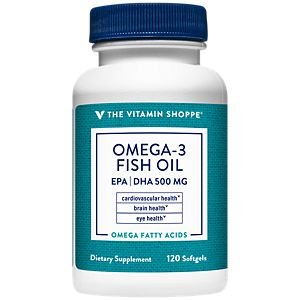
The softgel example below illustrates a different physical format. It is not presented as an allergen-free alternative to the liquid pictured earlier. Its own complete formula and statements would need to be reviewed for the actual purchasing question.
Keep quantity and price questions separate
After resolving essential product-information questions, record labeled servings and individually disclosed nutrient quantities for the comparison. A source or dietary statement does not establish equal EPA and DHA amounts across products.
For pricing, keep the selected package price, confirmed labeled servings, and applicable checkout conditions together. A lower cost per serving does not answer an allergy question, and a premium price does not supply missing ingredient information.
The following hypothetical shortlist illustrates how to organize unresolved information. It is not a ranking of actual products, a safety assessment, or a claim about the photographed items.
| Hypothetical candidate | Information available | Next question before relying on it |
|---|---|---|
| A | Front image and package count | Can the complete current ingredients be supplied? |
| B | Full panel for another flavor | Does matching information exist for the selected variant? |
| C | Manufacturer source explanation | Does it address the finished formula and relevant component? |
| D | Current matching label and focused response | Has every essential personal question been addressed appropriately? |
A useful comparison can remain incomplete while a critical detail is investigated. Leave the relevant field unresolved rather than assigning a guessed suitability score. Clear limits are more helpful than a complete-looking table that hides uncertainty.
Recheck information when buying again
The FDA guidance recommends reading labels with each purchase because ingredients can change. Keep your saved record as a reference rather than proof that every later package has the same formulation. Review the actual supplied label again.
If a product design changes, compare the content as well as the appearance. A new layout alone does not prove a formula change, while a changed ingredient statement should not be dismissed as cosmetic. Describe the specific difference when seeking clarification.
Retain source links and dates with product identities. This helps distinguish an old answer about one version from current information about another. Update the record if a clarification changes an essential input.
Check the delivered item against the order
Compare the exact formula, flavor, format, size, ingredient statement, and package condition with your saved order information. Keep relevant identifiers available while resolving a question. The delivered product is the item whose label must be reviewed.
If the package differs from the information that supported your purchase, document the precise mismatch and contact the seller. Where the uncertainty concerns an allergy, do not rely on a remembered description or assume that a related product’s answer applies.
Use appropriate professional guidance for individual safety questions. The role of the purchasing record is to organize the exact product information so the relevant question can be answered more clearly; it is not a substitute for that assessment.
Frequently asked questions about omega-3 allergen information
Is a front product name enough?
Use the complete current ingredient and allergen information for the selected formula. A title can identify a source or format while leaving other finished-product components unclear.
Does the absence of Contains in a thumbnail settle the question?
Read all ingredient information and obtain the complete label when necessary. A cropped image may omit relevant wording, and the full record matters more than the presence of one phrase in a preview.
Are fish and Crustacean shellfish the same label category?
The FDA guidance identifies them separately. Preserve the exact source wording and ask a product-specific question rather than treating every marine description as an identical statement.
Can another flavor’s label be used?
Obtain matching information for the selected variant. A related flavor or format may not establish the same additional ingredients, and an older image may describe another version.
Does a vegan claim answer every allergy question?
Keep the claim’s actual scope separate from the specific allergy-related requirement. Review the complete formula and seek appropriate clarification rather than expanding one dietary statement into an unrestricted safety conclusion.
What is the best final record?
Keep exact product identity, complete current ingredients, source statements, relevant label wording, manufacturer answers, dates checked, and unresolved questions together. Recheck the delivered package and use qualified guidance for individual suitability concerns.