Blog
How do I compare pre-workout ingredient labels across brands?

Compare pre-workout ingredient labels by matching the exact products, reading each serving basis, and organizing the declared ingredients into a clear worksheet. Keep ingredient names, amounts, units, blend information, and caffeine declarations separate. A longer list, larger scoop, or more dramatic product name does not automatically establish a better choice.
The aim is to understand what each label actually tells you and where information remains uncertain. This guide does not recommend a personal formula, ingredient amount, or supplement routine. Use the current package and appropriate professional guidance for individual health, medication, allergy, or sport-specific questions.
Begin with the exact formula and variant
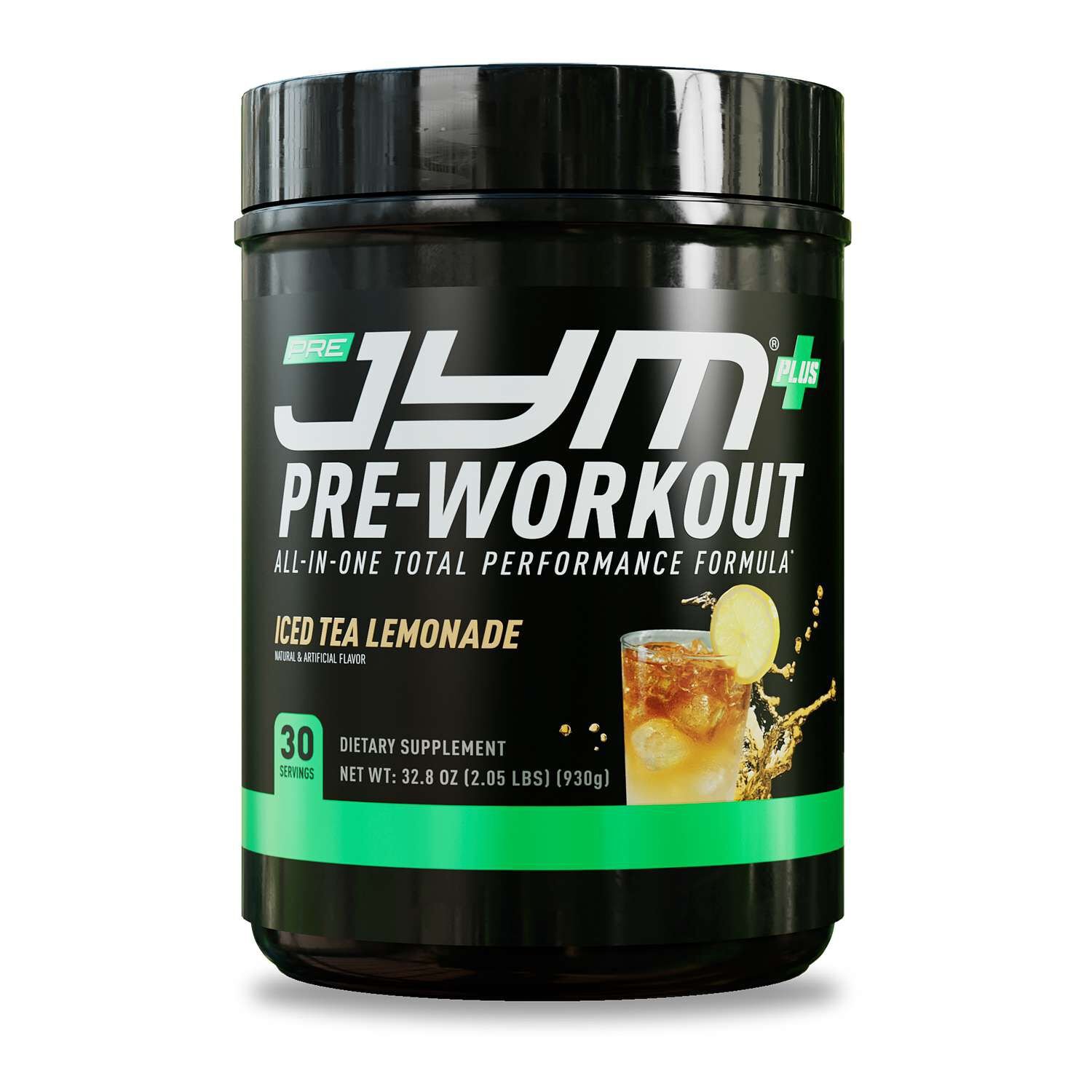
Record the brand, product line, flavor, package size, and version information available. A manufacturer may sell several pre-workouts with similar names or offer both caffeinated and caffeine-free variants. A shared logo does not establish that their ingredient panels are interchangeable.
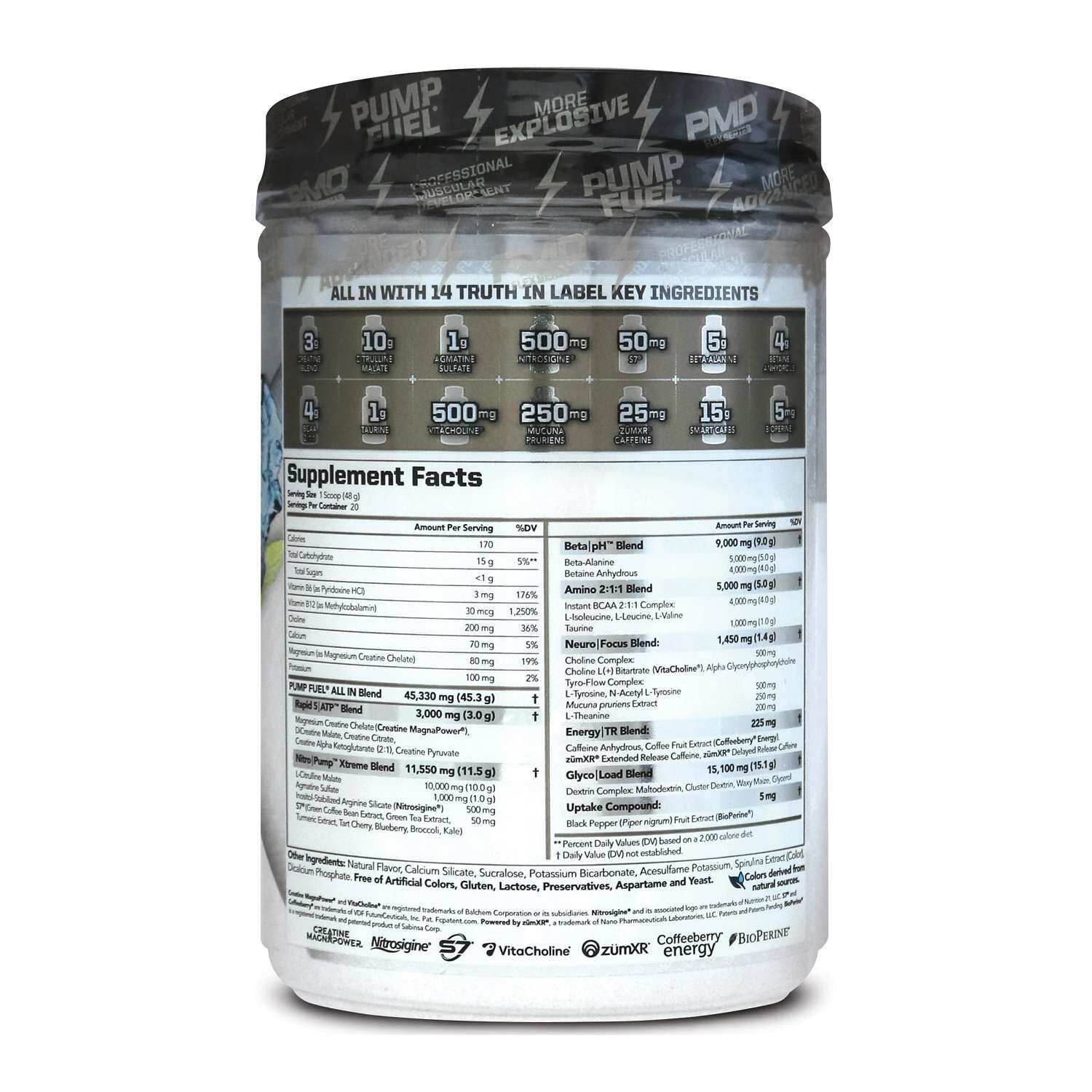
Match the panel photograph to the selected listing option. If a title describes one flavor while the image shows another, request clarification before copying figures. The same applies when serving counts or product names differ between the title, front artwork, and back panel.
Save the source and date of the check. An old screenshot can be helpful for identifying a previous version, but it should not automatically be treated as the current formula. Check the actual package again when it arrives, especially when an ingredient or instruction is essential to your decision.
Establish the serving basis for every column
Read the serving-size line before transcribing ingredient amounts. A product may use one scoop, several scoops, or another measured portion. Record the gram weight where supplied, and keep the scoop count attached to the relevant panel information.
If a label has several portion columns, copy each column’s heading with its figures. Do not take a serving count from one column and an ingredient amount from another. A worksheet can look orderly while mixing incompatible denominators if the headings are incomplete.
The FDA’s supplement overview identifies serving size and per-serving ingredient information as parts of Supplement Facts labeling. The practical comparison habit is to preserve that basis rather than reducing a product to a collection of isolated numbers.
| Starting field | Record for each exact product | Why it matters |
|---|---|---|
| Identity | Brand, line, flavor, size | Prevents variant mix-ups |
| Serving line | Scoop count and stated product weight | Defines the panel’s basis |
| Amount-column heading | Exact portion described | Keeps rows aligned |
| Source | Current label or matching photograph | Makes the figures traceable |
| Date checked | Your review date | Helps identify potentially stale information |
Copy ingredient names before interpreting them
Use the names and forms as printed. Similar-looking names may refer to different declared substances, while a branded ingredient name may need an explanation to understand what it identifies. Do not silently simplify every entry into a familiar category if that changes the meaning.
Keep an ingredient’s declared amount separate from the total product portion. A scoop’s total weight does not reveal the amount of every component. Likewise, a number associated with a blend should not be assigned to each ingredient listed underneath it.
If a term is unfamiliar, seek a reliable explanation rather than guessing from its name. The NIH Office of Dietary Supplements provides ingredient and supplement fact sheets that can help frame further questions. General ingredient information should still be distinguished from evidence about the complete retail formula.
Preserve units and avoid false numerical comparisons
Grams, milligrams, and micrograms are different units. Retain the printed unit beside every quantity, especially if your worksheet contains several ingredient categories. Dropping units can make two figures appear comparable when they are not.
A unit conversion can help organize a table, but it does not establish that different ingredients should be ranked against each other by mass. An amount of one substance and an amount of another answer different questions. Bigger is not a universal measure of value or suitability.
If you convert units, show the original figure alongside the converted one or clearly label the calculation. Do not add unnecessary decimal places that imply greater precision than the displayed label provides. The goal is a faithful comparison record, not an impressive-looking set of numbers.
How should proprietary blends be handled?
A blend may give a combined amount while listing several ingredients without individual quantities. The NIH’s exercise supplement fact sheet notes that some proprietary-blend labels do not disclose each component’s amount. Treat that as a limit on what the label establishes.
Write the blend name and total separately from its listed components. Mark undisclosed individual amounts as not stated rather than zero. Do not divide the blend total equally across its ingredients or estimate component quantities from the order in which they appear.
If a particular amount is essential to your comparison, ask whether the manufacturer provides an explicit statement for the exact product and serving. Until then, keep the field unconfirmed. A transparent worksheet should reveal a disclosure difference rather than hide it behind guessed figures.
| Label entry | Useful worksheet treatment | Misleading treatment |
|---|---|---|
| Individually declared amount | Copy name, amount, unit, and basis | Drop the serving heading |
| Blend with total amount | Keep total and components separate | Assign the total to one component |
| Component without amount | Mark as not stated | Enter zero or invent a quantity |
| Several serving columns | Preserve each complete column | Combine the largest figures |
| Calculated conversion | Label as calculated | Present as a new manufacturer declaration |
Review caffeine as a separate information task
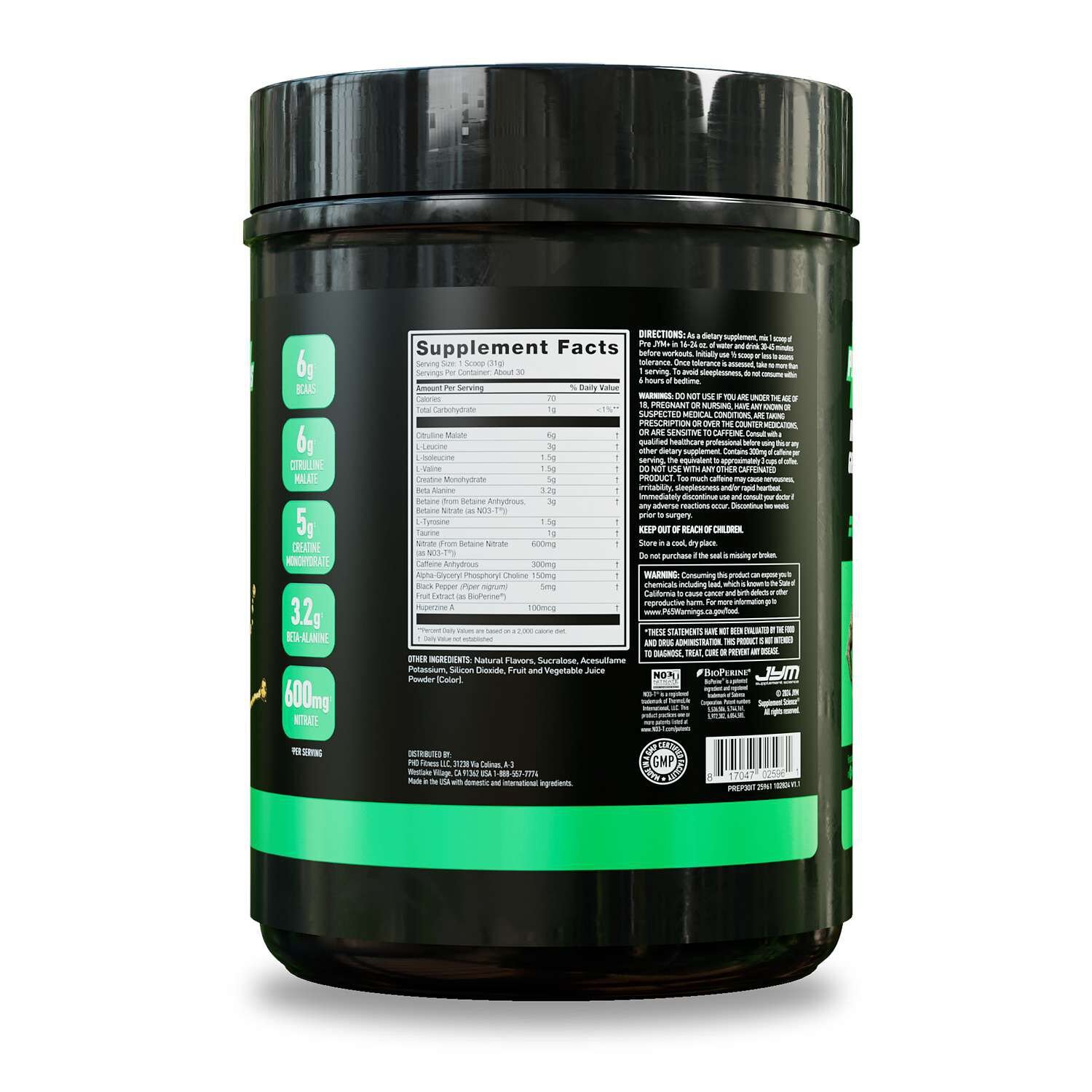
Find the explicit caffeine statement and its serving basis. It may appear in a row, a separate note, or another clearly identified part of the package. Read the full wording and avoid assuming that a blend total or a caffeine-containing ingredient’s full weight equals caffeine.
If avoiding caffeine is part of your requirement, a missing or unreadable figure is not confirmation of absence. Verify the exact formula and request clarification where necessary. A product family’s naming style or category placement cannot replace current ingredient information.
For a detailed explanation of denominators, see caffeine per scoop versus per serving. Keep the interpretation separate from deciding an individual’s appropriate caffeine intake or use routine.
Include the other ingredients and allergen statements
The facts panel is only part of the package. Review the full ingredient statement, including flavoring, sweetening, and other ingredients relevant to your preferences. A formula with several prominently declared components can still contain other ingredients that determine whether it belongs on your shortlist.
Check current allergen information as its own step. Do not assume that every product from a brand or every flavor has identical statements. If an essential requirement is unclear, obtain current manufacturer information before treating the item as a confirmed match.
When you prepare a drink, any mixing ingredients need their own consideration. The powder’s package does not automatically describe a recipe made with additional beverages or foods. Keep the original formula and your preparation choices separate in the comparison.
Do not confuse label transparency with demonstrated results
An individually disclosed ingredient amount is useful information, but disclosure alone does not establish a personal benefit. Conversely, an information gap limits what you can compare without automatically explaining every other aspect of a product. Keep the conclusion tied to the question the evidence actually answers.
If a listing makes a specific benefit claim, identify the supporting source and what was measured. Research on an ingredient, a combination, and an exact finished product can address different questions. Do not transfer a result across them without justification.
A label worksheet can record that a claim needs further evidence. It should not turn a long ingredient list into a promise of better performance, a faster result, or individual suitability. Your notes are most useful when they distinguish declared composition from outcome claims.
Compare directions and preparation requirements
Read the current directions, warnings, and relevant preparation information for each product. Do not treat the presence of several serving columns as a recommendation to choose whichever portion produces the largest ingredient numbers. A comparison is an information task, not a dosing plan.
Consider the practical setting in which you would prepare the product. Record any equipment and mixing requirements that matter to your routine. A product you cannot conveniently prepare as directed may not fit your intended purchase even if its label appears clear.
Keep measuring tools associated with their own products. Similar-looking scoops are not proof of identical portions. If the original information is missing, ask for clarification rather than substituting another brand’s scoop or inventing a preparation method.
Add testing claims only when their scope is clear
If certification is part of your criteria, identify the exact organization and program, then verify the applicable current product information. A brand-wide statement, a facility reference, and a finished-product certification may describe different things.
Do not assume that certification proves every claimed personal benefit. Record the scope of the evidence and its connection to the exact item. If the required information is unresolved, keep the claim unconfirmed rather than awarding a general quality score from a logo alone.
The photographs in this guide are package examples. They are not declarations that either pictured formula participates in a particular certification program. Any such statement needs its own product-specific verification.
Turn the information into a usable shortlist
Choose criteria before ranking products. These might include readable current information, a particular ingredient preference, a confirmed caffeine requirement, a manageable package quantity, or a verified program claim. Remove confirmed mismatches and keep essential uncertainties visible.
Then compare purchase cost using a clear denominator. A price per labeled serving is useful, but serving bases can differ. Keep formula and amount differences alongside the arithmetic rather than treating the cheapest serving as automatically equivalent to every alternative.
| Decision criterion | Product A | Product B | Follow-up if needed |
|---|---|---|---|
| Exact variant confirmed | Record status | Record status | Matching current panel |
| Serving basis readable | Record wording | Record wording | Clear photograph or explanation |
| Required ingredient information | Confirmed or not stated | Confirmed or not stated | Specific amount question |
| Caffeine requirement | Evidence and basis | Evidence and basis | Explicit current statement |
| Other ingredient preferences | Current list checked | Current list checked | Manufacturer clarification |
| Purchase cost | Stated denominator and terms | Stated denominator and terms | Resolve quantity before dividing |
Frequently asked questions about comparing pre-workout labels
Is the product with the longest list better?
The length of a list does not establish a superior outcome or fit for your requirements. Read the exact ingredients, amounts, serving basis, and supporting evidence relevant to your questions. More names on a package are not a universal value measure.
Can I compare amounts without checking serving size?
No. Different portions can produce misleading comparisons. Keep scoop count, gram weight, and amount-column headings together. A precise ingredient figure loses its meaning when the denominator is missing.
Does not stated mean the ingredient is absent?
No. Distinguish an ingredient that is not listed from one listed within a blend without an individual amount. Use accurate status notes and request clarification rather than converting incomplete information into zero.
Can I divide a blend total evenly among its ingredients?
No. That calculation would invent quantities the label does not provide. Preserve the blend total and its component names separately, and keep individual undisclosed amounts marked as not stated.
Should I compare different ingredients by their numerical amounts?
Not as a simple bigger-is-better ranking. Different substances and units answer different questions. A useful worksheet preserves the declarations and evidence rather than treating mass as a universal measure of benefit.
What should I ask when a panel is unclear?
Identify the exact product, flavor, and size, then request the specific missing serving or ingredient information. A focused question is more useful than asking whether the formula is strong. Keep the answer attached to its source and date.
What is the final check before ordering?
Confirm the selected variant, current ingredients, relevant directions, unresolved requirements, and purchase terms. Keep personal-use decisions separate from this shopping worksheet. Revisit the actual package when received, particularly where important details differ from the listing photographs.