
Blog
How can I compare two protein powders without relying on front-label claims?

Compare protein powders by turning the most important front-label statements into specific questions. A prominent protein number should lead you to its serving basis. An ingredient-related phrase should lead you to the full ingredient list. A testing logo should lead you to the organization and product information behind it. This approach makes a comparison useful even when two packages use very different marketing styles.
You do not need to ignore the front of the tub. It helps identify the product and highlights details worth investigating. The key is to treat it as the start of a comparison, then record the evidence that answers your actual shopping questions. This guide shows how to do that without assigning a quality score based on packaging language alone.
Start with an exact product identity
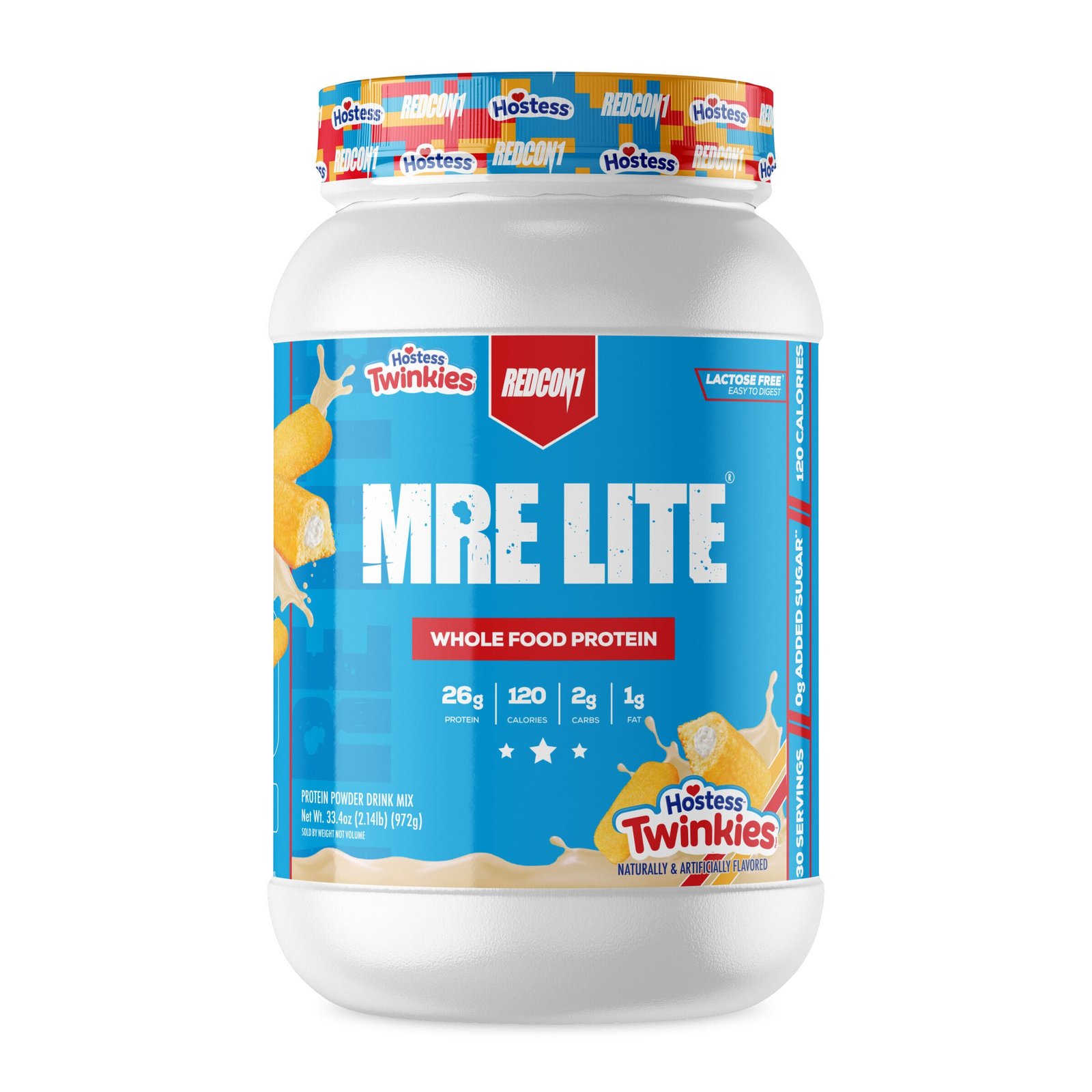
Record the brand, product line, flavor, package size, and version information visible on the listing. A comparison between vague names can accidentally combine a front image from one size, a panel from another flavor, and a serving count from an older version. Establishing identity first prevents those details from drifting apart.
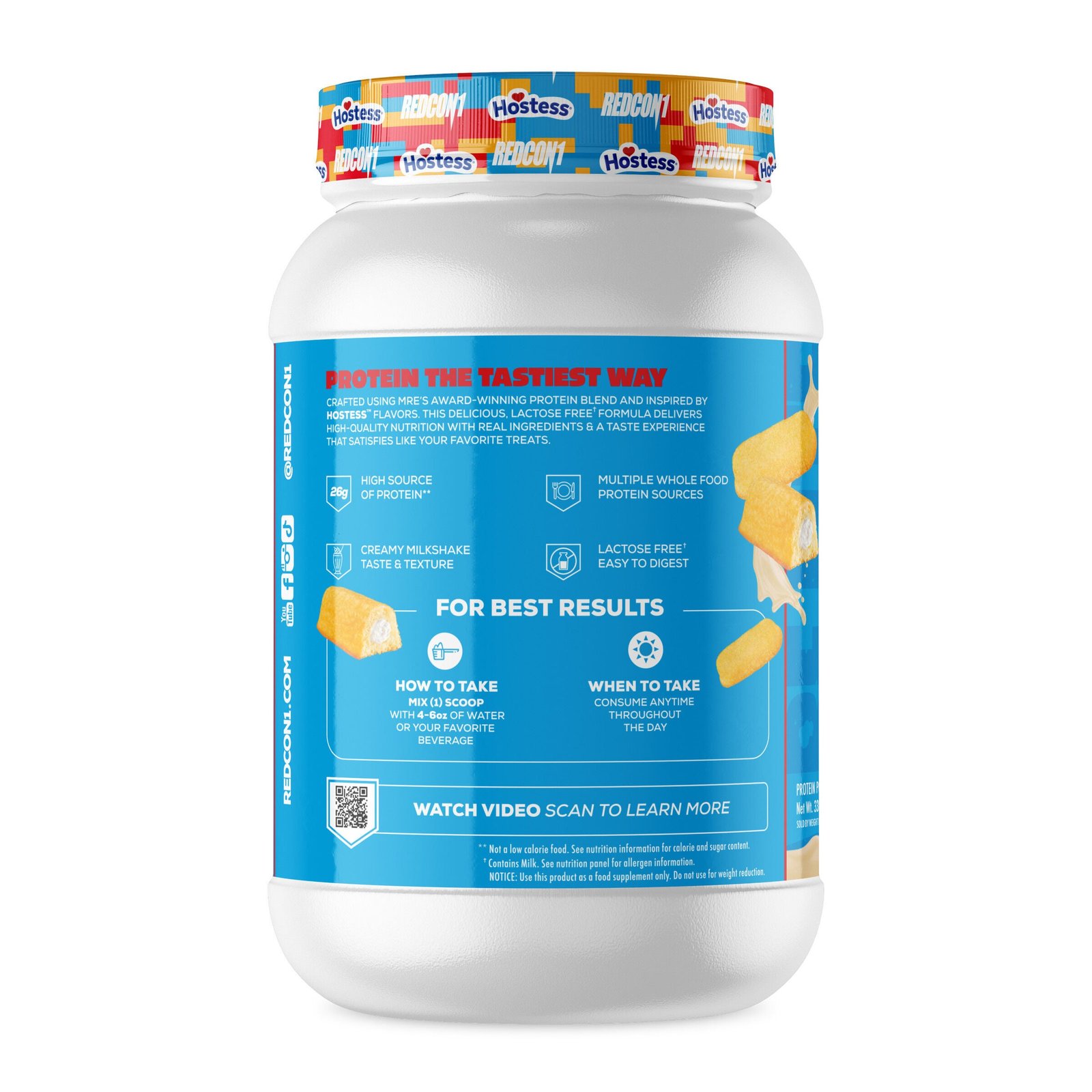
Look at the front and back photographs together. Check whether they appear to describe the same variant, and note any inconsistency that could affect the purchase. If the images are unclear, request the current label for the exact item rather than filling missing details from a similar product.
Keep one row per variant in your notes. Two flavors in the same range may deserve separate rows even if their containers look nearly identical. This is especially helpful when you later compare ingredients, serving weights, prices, and package counts that may vary within a brand.
Turn a protein number into a serving question
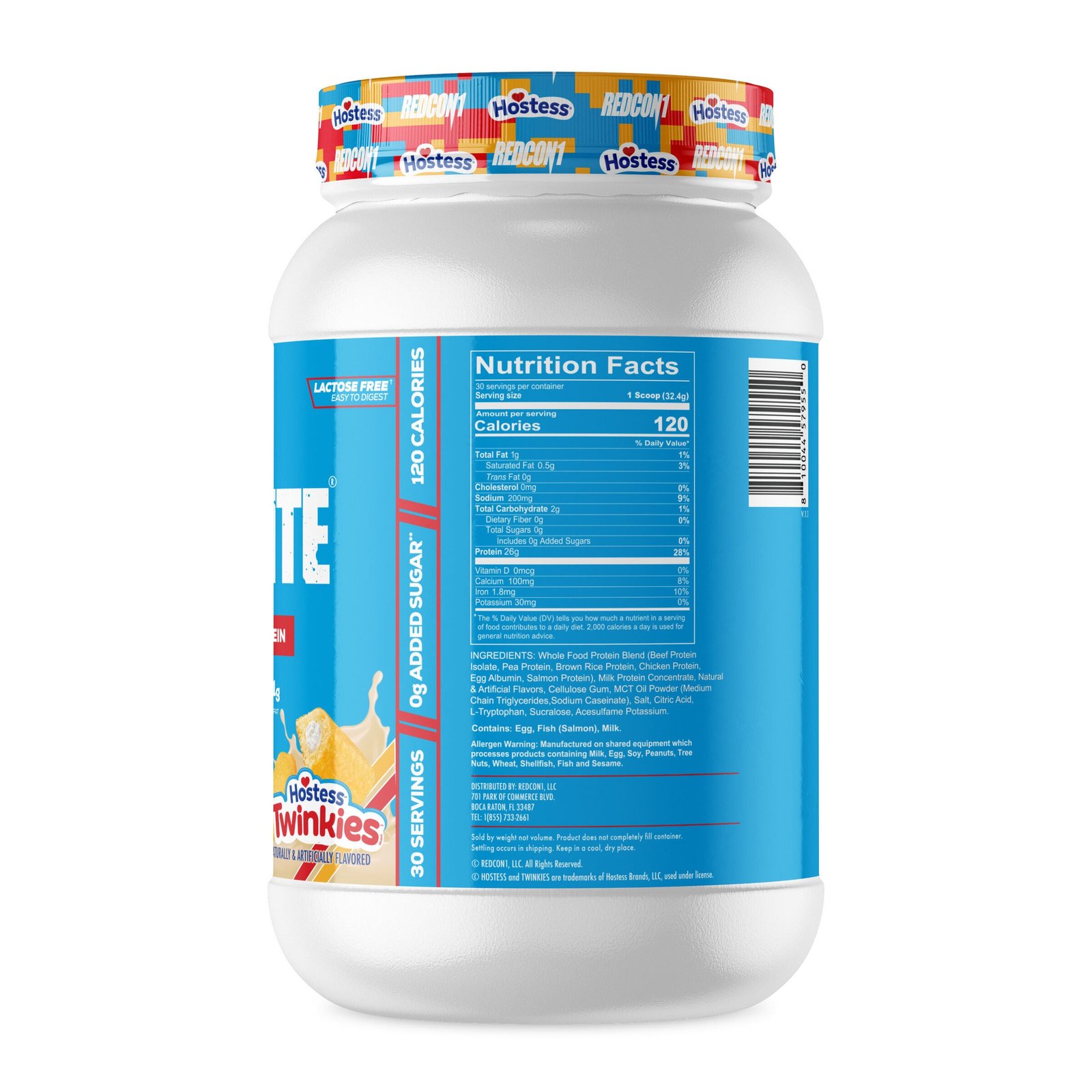
A large protein figure on the front is more useful when you know the portion it describes. Find the corresponding nutrition panel and serving weight. Record the powder quantity and protein amount separately, then check whether the figure refers to dry powder or another stated preparation.
The FDA’s nutrition-label guide explains how serving information frames the amounts listed on a Nutrition Facts panel. For a shopping comparison, the practical step is simple: keep the denominator beside the number rather than copying a protein figure on its own.
For a hypothetical example, 25 grams of protein per 35 grams of powder and 25 grams per 45 grams of powder are equal protein amounts for different powder portions. Neither statement alone establishes which product you should buy. Price, ingredients, preparation, and your own requirements remain separate questions.
| Front or listing statement | Question to ask | Evidence to record |
|---|---|---|
| Prominent protein amount | Per what serving or preparation? | Panel, serving weight, and protein figure |
| Large serving count | How much powder is one serving? | Count, net weight, and serving size |
| Ingredient-related phrase | Does the full recipe match my preference? | Exact ingredient and allergen statements |
| Testing or certification wording | Which product is covered, and for what? | Program information and current product record |
| Flavor description | Does this suit my intended preparation? | Exact flavor and practical recipe expectations |
Read the protein source without ranking by a single word
Identify the protein ingredients listed for the exact powder. A name such as whey, casein, pea, or a blend gives you a starting point, but the complete ingredient list determines what is actually declared in that product. Do not assume a prominent front word describes every ingredient in the tub.
A product can also combine protein ingredients with flavoring, sweetening, thickening, or other ingredients. That is why an ingredient name should not be treated as a full recipe. If your comparison depends on avoiding a particular ingredient, search the complete current statement rather than only the front artwork.
This article does not rank protein sources for an individual’s health needs. It helps you organize product information. A suitable purchase must fit your own requirements, and questions about allergies, medical conditions, or other individual circumstances need appropriate guidance beyond a general shopping table.
Treat sugar, sweetness, and flavor as separate checks
An added-sugars declaration, an ingredient list, and a flavor name answer different questions. A powder can be marketed with a dessert-inspired name without that name telling you its added-sugars amount. Similarly, a zero-added-sugars figure does not by itself tell you whether sweetening ingredients are present.
Make the question explicit in your notes. “Panel lists zero added sugars” is a more precise observation than “not sweet.” “Contains a sweetening ingredient I prefer to avoid” is a different observation again. Keeping the wording specific prevents one verified fact from expanding into an unsupported conclusion.
For a worked example of reading separate sugar rows, see the guide to protein powders and added sugars. Use the exact variant’s panel when applying that method; do not transfer another flavor’s figures because the front labels share a design.
What should you do with vague quality language?
When you see a word such as premium or advanced, ask what specific fact would make it relevant to your purchase. It may describe a brand’s positioning without supplying a measurable comparison. Instead of assigning points for the word itself, look for concrete information you can verify.
Possible questions include whether the ingredient amounts are clearly stated, whether the current label is readable, and whether a named certification can be checked. Do not invent a technical meaning for a promotional phrase. If a claim has no clear scope, record that limitation rather than converting it into a performance prediction.
This approach also prevents an unfair comparison. A plain-looking package may provide clear information, while a visually impressive package may leave your main question unanswered. Assess the evidence relevant to your requirements instead of treating the amount of marketing text as a measure of quality.
How should testing claims be checked?
First, identify the exact claim and the organization named. A broad statement that a product is tested does not tell you what was tested, which version was covered, or whether a program applies to the item in your cart. Look for a current product record or other documentation explaining the scope.
The NIH Office of Dietary Supplements notes that independent quality-assurance seals do not guarantee a supplement is safe or effective. Its consumer guide to dietary supplements provides context for interpreting quality information. A seal should therefore prompt a specific verification rather than replace all other checks.
Do not imply that every powder pictured on this page has a certification. The photographs illustrate packaging and label review; they are not evidence of participation in a testing program. If certification is essential to your decision, verify the exact item before including it on your confirmed shortlist.
| Testing question | Detail to seek | Conclusion to avoid |
|---|---|---|
| Who performed or operates the testing? | Identified organization or program | “Tested” means every possible check |
| What item is covered? | Exact product and relevant variant information | Every product from the brand is covered |
| What is the scope? | Explanation of the program or report | The result proves a personal benefit |
| Is the information current? | Applicable record and version details | An old image confirms today’s status |
Separate general benefit wording from approval claims
For products sold as dietary supplements, some wording may describe support for a body function. The FDA explains that structure/function claims are not pre-approved by the agency. Its overview of structure/function claims describes this distinction.
Do not interpret a disclaimer or official-sounding language as proof that the finished product has been approved for a personal outcome. If a seller makes a specific approval claim, investigate what it actually refers to. A statement about a facility, ingredient, or notification is not automatically the same statement about the finished powder.
A shopping comparison can record the exact wording and the supporting information available. It should not turn general benefit language into a promise about muscle gain, recovery, weight change, or treatment. Keep any individual health decision separate from a comparison of packaging claims.
Compare value using transparent arithmetic
After checking whether products meet your requirements, calculate value using the same basis. Cost per labeled serving is often a useful starting point. Net powder weight and serving weight provide additional context. If you calculate another measure, label it clearly instead of placing several different denominators under “best value.”
For an imaginary example, a 30-serving tub costing 45 units has a price of 1.50 per labeled serving. A 20-serving tub costing 32 units has a price of 1.60. Those examples do not describe current store prices, and they do not establish that the cheaper portion is the right purchase for every shopper.
Include the conditions attached to a displayed price. A multibuy requirement, a subscription price, and an ordinary one-time price may represent different commitments. Record checkout charges and applicable terms before deciding which option is actually less expensive for the order you intend to place.
Use an evidence worksheet rather than a marketing score
Create a small table containing only the criteria that matter to you. For each product, record the source and whether the answer is confirmed, unclear, or unsuitable for your stated preference. This is more useful than awarding unexplained points for a long list of package phrases.
A confirmed answer does not have to be positive. If a readable ingredient list includes something you avoid, that is clear information that helps you remove the item from your shortlist. Conversely, an attractive claim without supporting detail should remain unconfirmed rather than receiving a favorable assumption.
| Comparison criterion | Product A | Product B | Evidence source |
|---|---|---|---|
| Exact variant identified | Record status | Record status | Listing and matching label |
| Serving and protein basis clear | Record figures | Record figures | Nutrition panel |
| Ingredient requirements met | Record your check | Record your check | Current ingredients and allergens |
| Required certification verified | Record scope or uncertainty | Record scope or uncertainty | Relevant program information |
| Purchase cost understood | Record actual basis | Record actual basis | Current price and checkout terms |
What if you cannot verify an important claim?
Ask a precise question identifying the product, variant, and statement. For example, request the current panel for the selected flavor or ask which certification record corresponds to the item. A focused inquiry is easier to resolve than asking whether a product is generally good.
Keep uncertain information visible while waiting. Do not fill a gap using a nearby product, a retailer’s generic brand description, or an old photograph. If the missing answer is essential to your purchase, leave the item outside your confirmed shortlist until the uncertainty is resolved.
Frequently asked questions about comparing protein-powder claims
Should I ignore everything printed on the front?
No. Use it to identify the product and the questions worth checking. Then find the serving basis, ingredients, and supporting information relevant to those statements. The front becomes more useful when it is connected to the rest of the label.
Does a bigger protein number always identify the better purchase?
No. Check the serving or preparation behind the number, then compare the other features relevant to you. A larger stated amount may describe a larger portion. It does not answer ingredient, flavor, cost, or individual suitability questions by itself.
Does a testing logo guarantee a personal result?
No. Verify the exact program, product, and scope. Quality information and an individual outcome are different questions. Do not assume a logo establishes effectiveness for you or covers every possible concern about the product.
Can I copy information from another flavor in the same range?
Use it only to identify questions to investigate. Do not treat it as confirmed information for your selected variant. Compare the exact current label, especially when ingredients or serving values determine whether the product meets your requirements.
What should I do with an undefined word such as clean?
Decide which concrete ingredient or product feature you mean, then check that feature directly. An undefined word makes comparisons harder because different shoppers may interpret it differently. Precise criteria make the final choice easier to explain.
Is a familiar brand enough to skip checking the label?
No. Familiarity does not establish the current contents of a particular flavor and size. Verify the item you are actually ordering. This is especially useful when a brand changes packaging, adds a variant, or offers several formulas with similar names.
What makes a final shortlist useful?
Each item should have a clear identity, readable information, understood purchase conditions, and answers to your essential questions. You can then compare the remaining practical differences. For a detailed arithmetic step, read the protein-powder cost-per-serving guide.