
Blog
Which protein powders list no added sugar?

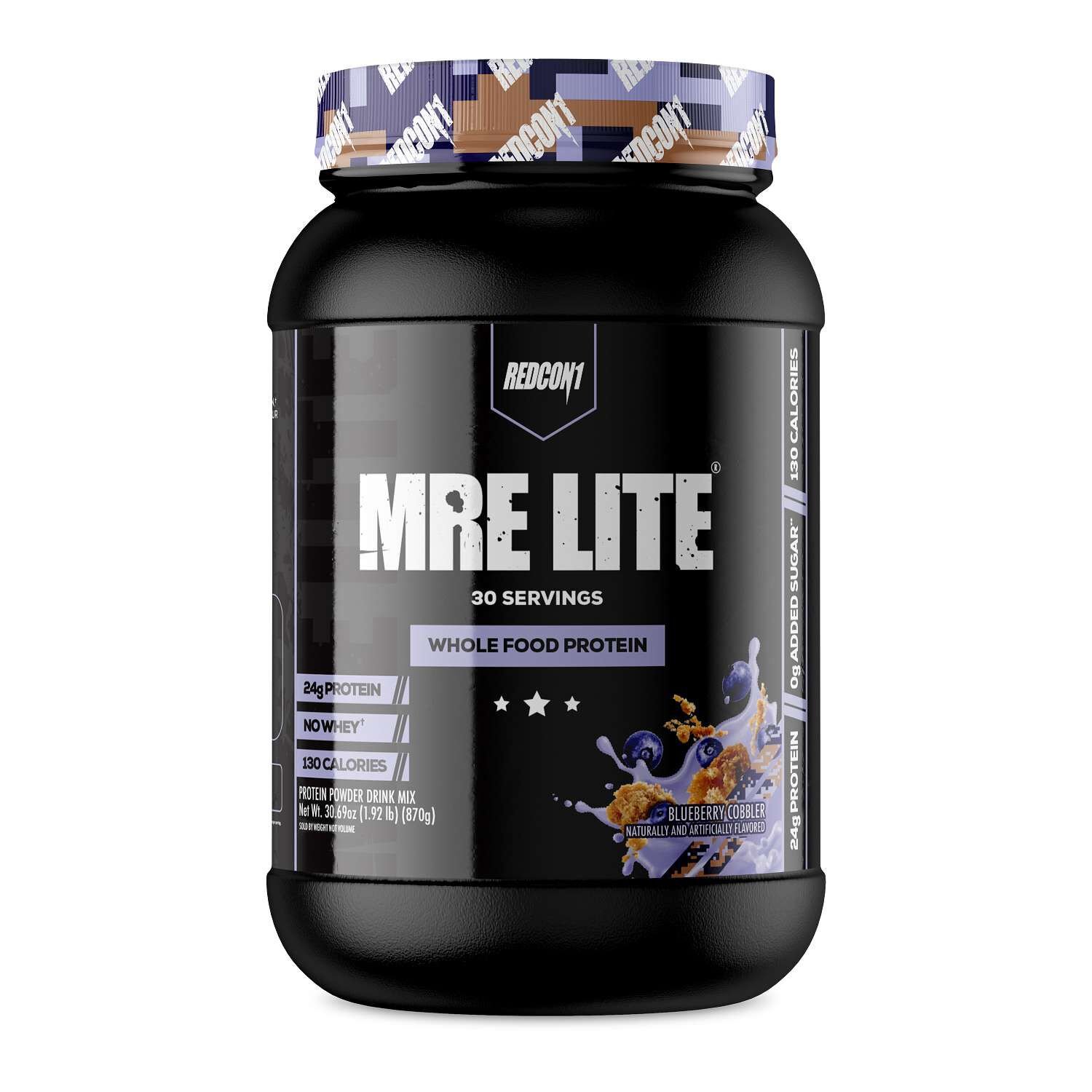
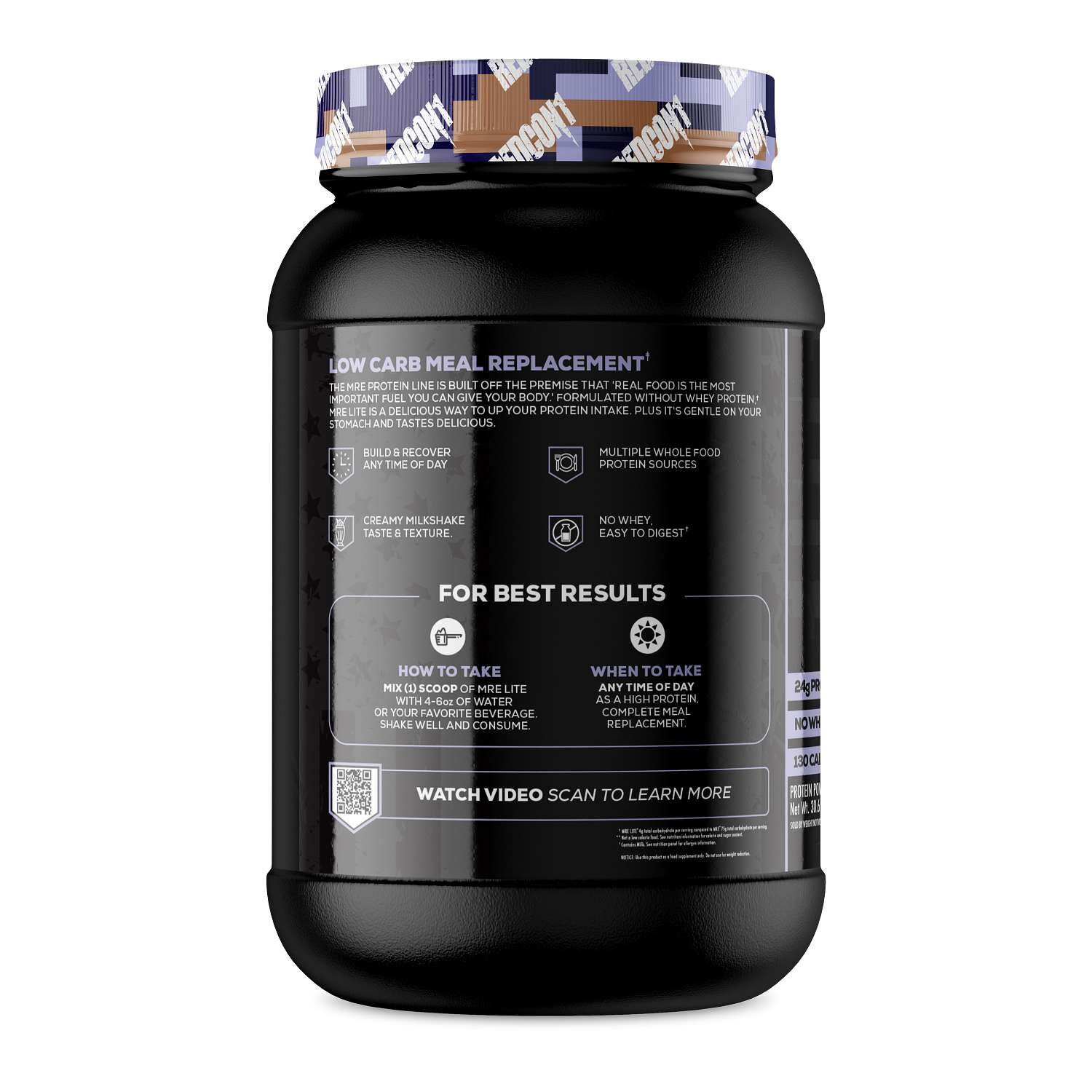
Two examples in the Sprinkles Menu catalog have label photographs showing zero grams of added sugars: REDCON1 MRE LITE Vanilla Milkshake and REDCON1 MRE LITE Blueberry Cobbler. Both photographed panels also list two grams of total sugars per serving. That difference is the starting point for shopping carefully: zero added sugars does not mean zero total sugars, an unsweetened taste, or a product that meets every dietary preference.
This guide explains how to find the declaration, compare the exact flavors, and keep the powder separate from ingredients you add while preparing a shake. The examples below come from product photographs reviewed on October 17, 2026. They describe those images rather than guarantee the composition of every batch or future version. Read the package you receive, especially if a particular ingredient or nutrient amount determines whether you can use the product.
Which protein powders show zero added sugars in the catalog images?
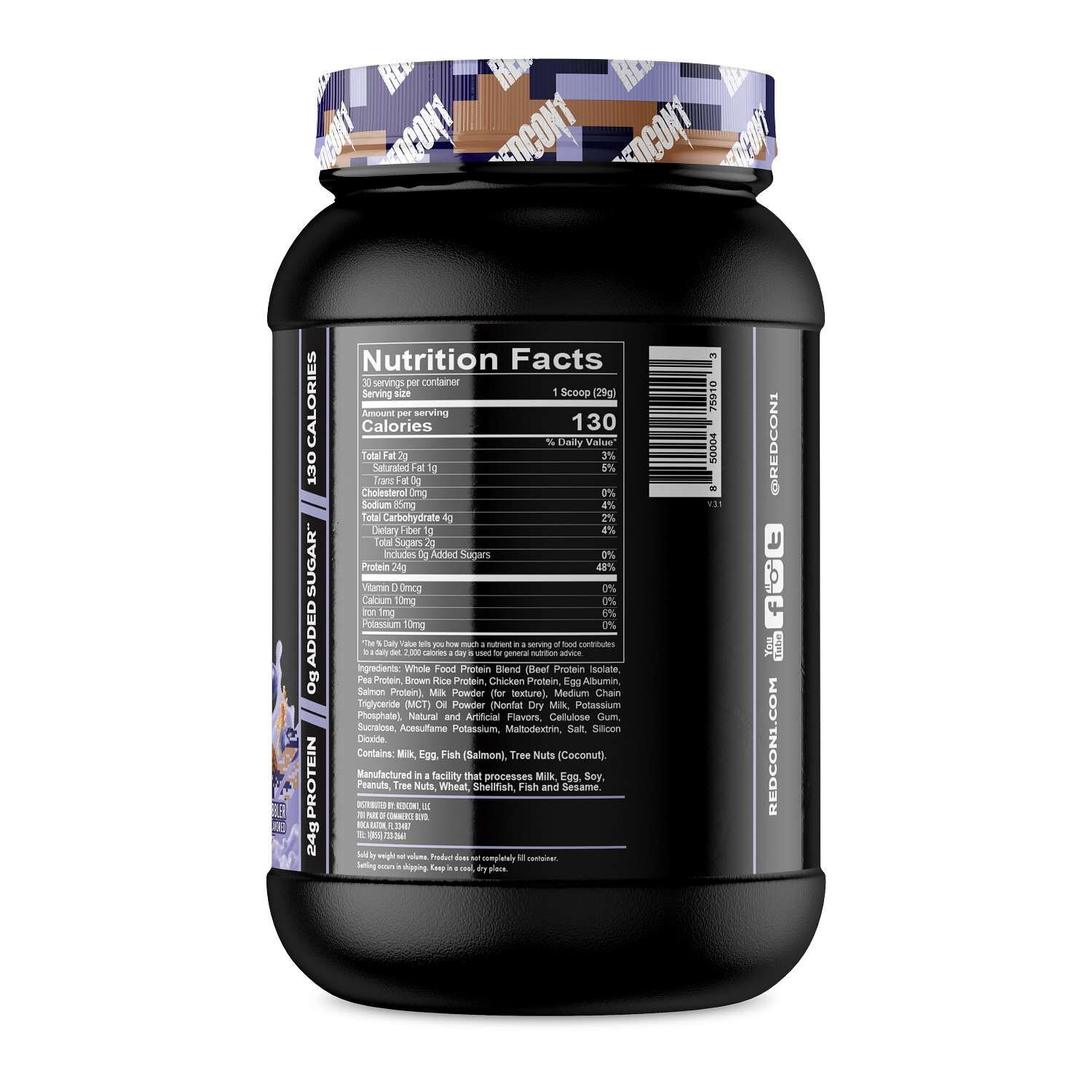
The back-label photograph for Vanilla Milkshake shows a serving of one scoop weighing 31.5 grams. Its panel lists 24 grams of protein, two grams of total sugars, and zero grams of added sugars. The Blueberry Cobbler photograph shows one scoop weighing 29 grams, also with 24 grams of protein, two grams of total sugars, and zero grams of added sugars. Both photographs show 30 servings per container.
These are specific flavor examples, not a statement about the entire brand. A flavor name, brand logo, or similar-looking tub cannot establish the values for another variant. If you switch from vanilla to a chocolate, fruit, or confectionery-inspired flavor, inspect that variant’s own back panel before carrying the figures across.
| Catalog example | Photographed serving | Total sugars | Added sugars | Protein |
|---|---|---|---|---|
| REDCON1 MRE LITE Vanilla Milkshake | One scoop, 31.5 g | 2 g | 0 g | 24 g |
| REDCON1 MRE LITE Blueberry Cobbler | One scoop, 29 g | 2 g | 0 g | 24 g |
The different serving weights matter even though the other figures in this comparison match. One scoop is not a universal unit across powders. Record the gram weight alongside every nutrient figure so that you know what amount of product the panel describes. Neither example should be treated as an instruction about how much protein you personally need.
Where should you look on the nutrition panel?
Find the serving size first, then locate the total carbohydrate section and the separate sugar entries. The FDA explains that total sugars includes both naturally occurring sugars and added sugars. The added-sugars amount is therefore part of the total, rather than an extra quantity to add on top. Its guide to added sugars on the Nutrition Facts label explains the distinction.
For the two photographs above, two grams total and zero grams added is a coherent declaration. It does not mean that the label contains a mathematical contradiction. Avoid reading the larger total-carbohydrate figure as the sugar amount, too: those are different rows serving different purposes.
When an online image is difficult to read, open the original photograph rather than relying on a small thumbnail. Check that the flavor wording on the front corresponds to the label you are examining. A readable photograph of a different flavor is less useful than a clear answer about the exact item you intend to order.
Does zero added sugar mean the powder tastes unsweetened?
No. If you want an unsweetened powder, inspect the ingredients as a separate step. Both example labels show sucralose and acesulfame potassium in their ingredient lists. That is useful information for a shopper who wants to avoid those ingredients, even though the added-sugars row says zero.
A sugar preference and a sweetener preference are separate shopping filters. One person may simply want the panel to list zero added sugars. Another may want no sweetening ingredients at all. A third may prefer an unflavored powder for savory recipes. Write down which question you are actually trying to answer before comparing products, because a single front-label phrase cannot resolve all three.
Flavored, unflavored, sweetened, and unsweetened also describe different aspects of a product. An unflavored name should prompt an ingredient check rather than an assumption. Likewise, a dessert-style flavor name does not tell you the grams of added sugar. The nutrition panel and ingredient list provide different pieces of the answer.
| Your shopping question | Evidence to examine | What remains uncertain without another check |
|---|---|---|
| Does this panel list added sugars? | Added-sugars row and serving size | Whether another flavor has identical values |
| Does it contain sweetening ingredients I avoid? | Full ingredient list | How sweet it will taste to you |
| Is it suitable for an unflavored recipe? | Flavor name, ingredients, preparation notes | Its effect on the finished recipe |
| Does it meet an allergy-related requirement? | Current allergen and ingredient statements | Individual suitability |
| Is it the same version I compared before? | Flavor, package size, label image, current package | Whether an old photograph remains current |
Keep sugar claims separate from other product features
A powder with a zero-added-sugars declaration can still differ from another powder in protein source, serving weight, total calories, texture, allergens, and price. Do not let one matching number hide those differences. In the examples here, the photographed ingredients include a blend of animal and plant protein sources; these products should not be described as plant-only powders because part of the blend comes from plants.
Similarly, the sugar row cannot establish whether a powder is dairy-free. The photographed ingredient and allergen statements need their own review. If avoiding an allergen is important, consult the current manufacturer information and package rather than relying on a blog comparison or assuming that a particular protein category excludes it.
The same principle applies to product quality claims. Zero added sugars is not evidence of independent testing, a certification, or suitability for a medical condition. Ask for the specific evidence relevant to the claim you care about. This keeps the comparison focused on information the label actually supplies.
Compare powders on the same basis
Start with the labeled serving because that is how the photographed values are presented. If two products use different serving sizes, place the gram weights next to the nutrient amounts. Decide whether you want to compare a prepared portion, a measured amount of dry powder, or a labeled serving, and use the same basis throughout the worksheet.
Consider this hypothetical comparison, which does not describe additional Sprinkles Menu products. Powder A lists zero grams added sugars per 30-gram serving; Powder B lists two grams per 40-gram serving. Those entries are already useful for comparing their labeled servings. If you calculate values per 100 grams for a separate comparison, label the calculated column clearly so readers do not confuse it with a manufacturer’s serving declaration.
Do not create extra decimal places from rounded package figures and present them as laboratory precision. A calculation can help you compare portions, but it cannot reveal more detail than the source label provides. Keep the original numbers visible alongside any arithmetic so that the comparison remains easy to audit.
The drink you prepare is a separate calculation
The powder’s label describes the product on the stated basis. Your finished shake may also contain milk, a plant beverage, yogurt, fruit, syrup, or other additions. Record each ingredient separately if you want to understand the whole recipe. A zero-added-sugars powder does not make every possible recipe a zero-added-sugars drink.
For a purely hypothetical example, imagine a measured serving of powder whose panel lists zero grams added sugars, mixed with a beverage whose measured portion lists six grams added sugars. The two labeled contributions would total six grams added sugars for that recipe. If you use half the beverage portion, calculate from the actual amount rather than treating the full-container figure as the amount used.
This is a shopping and recipe worksheet, not a recommendation to add or avoid a particular food. It is especially useful when comparing two tubs that will be mixed differently. A powder you enjoy with water and another you only enjoy in a complex smoothie do not necessarily have the same finished-drink cost or ingredient profile.
| Recipe component | Amount actually used | Where to get the information | Record separately |
|---|---|---|---|
| Dry protein powder | Measured portion | Exact flavor’s panel | Protein, total sugars, added sugars |
| Mixing beverage | Measured volume | Beverage’s own panel | Corresponding figures for that volume |
| Yogurt or other packaged addition | Measured portion | Its package | Values for the portion used |
| Other recipe ingredients | Actual amount | Suitable ingredient information | Any contribution relevant to your comparison |
How to compare price without losing the label details
Once you have a shortlist meeting your ingredient preferences, calculate the price per labeled serving. Divide the tub price by its stated number of servings, then keep delivery charges and discounts visible as separate entries until the final checkout total is known. A larger tub is not automatically the lower-cost option per serving.
For an imaginary example, a 30-serving tub priced at 45 currency units costs 1.50 units per labeled serving before other charges. A 20-serving tub priced at 34 units costs 1.70. Those are arithmetic examples, not current store prices or offers. If you change the portion you use, the cost per prepared portion changes as well.
Avoid giving a product a higher value score solely because it has a zero-added-sugars declaration. A useful purchase also fits the flavor, protein source, storage space, and ingredient requirements you have chosen. Compare the current price only after confirming that the exact variants belong on the same shortlist.
A practical shopping worksheet
Create one row per exact product and flavor. Copy the title, package size, serving weight, servings per container, total sugars, added sugars, protein, and the sweetening ingredients you want to review. Add the date of your check and a link to the product or original label image so you can revisit the evidence.
Use “not readable” or “not confirmed” when information is missing. A blank cell can be mistaken for zero, especially when scanning a table later. Keeping uncertainty explicit also gives you a precise question to send before ordering: for example, ask for a readable back-label photograph for the named flavor and size.
| Worksheet field | Example of a useful entry | Entry to avoid |
|---|---|---|
| Exact variant | Brand, product line, flavor, tub size | Brand name alone |
| Serving basis | One scoop with its gram weight | Scoop, without weight |
| Sugar values | Separate total and added amounts | A single ambiguous “sugar” figure |
| Ingredient preference | Named ingredients checked | “Clean” without a definition |
| Evidence date | Date the photograph was reviewed | Assuming an old screenshot is current |
| Missing information | Specific question requiring confirmation | Treating an unreadable number as zero |
What if the title and label disagree?
Pause the comparison instead of choosing whichever statement sounds more attractive. Check whether the photograph belongs to another flavor, a previous formula, a different package size, or another market version. Save the precise product title and the image you found so that the discrepancy can be investigated without guessing.
A useful inquiry asks for the current label corresponding to the specific item offered. Include the flavor and size, and identify the row you need clarified. There is no need to provide personal medical details to ask for a legible nutrition panel. If the answer remains uncertain and the ingredient information is essential to your purchase, keep that product outside your confirmed shortlist.
Frequently asked questions about protein powders and added sugars
Which examples on this page list zero added sugars?
The reviewed Vanilla Milkshake and Blueberry Cobbler MRE LITE photographs both list zero grams added sugars per serving. They also list two grams total sugars. These observations refer to the photographed versions; confirm the current package before relying on them for a purchase.
Can a powder list zero added sugars and still contain sweeteners?
Yes. Read the ingredients to answer the sweetener question. The two example photographs include sucralose and acesulfame potassium. If your preference is to avoid those ingredients, the zero-added-sugars number alone will not identify a suitable product.
Are zero added sugars and zero carbohydrates the same?
No. They are different label entries. Copy the carbohydrate and sugar rows separately if both matter to your comparison. Do not replace the carbohydrate figure with the added-sugars amount or assume a product belongs to a particular dietary plan from one number.
Do all flavors in a protein range have the same sugar amounts?
Do not assume that they do. Check each flavor’s panel, including its serving weight and ingredients. Two matching examples establish the values for those photographed examples, rather than prove that every other flavor uses the same recipe.
Does adding milk change what the powder label says?
It does not change the powder’s own declaration, but it changes the contents of your finished drink. Use the actual volume and the mixing beverage’s label to calculate the recipe. Keep the powder-only and prepared-drink figures clearly separated in your notes.
Can this page identify a powder for diabetes or another condition?
This guide compares shopping information and cannot determine individual medical suitability. A healthcare professional who understands your circumstances can help interpret the full product information. Bring the exact current label rather than relying on a flavor name or one nutrient claim.
What should I do when a label photograph is missing?
Request the current panel for the exact flavor and size. Keep the item marked as unconfirmed while waiting. A brand-wide claim, a similar product image, or an unanswered review question is not a substitute for the information you need about that specific item.
Explore the exact products and related guides
You can examine the Blueberry Cobbler product listing and open its gallery photographs before comparing it with other powders. For the next comparison step, read how to check protein per serving. Keep your final shortlist tied to readable labels, exact variants, and the ingredients you actually plan to use.