




Blog
How do I compare protein powders by cost per serving?

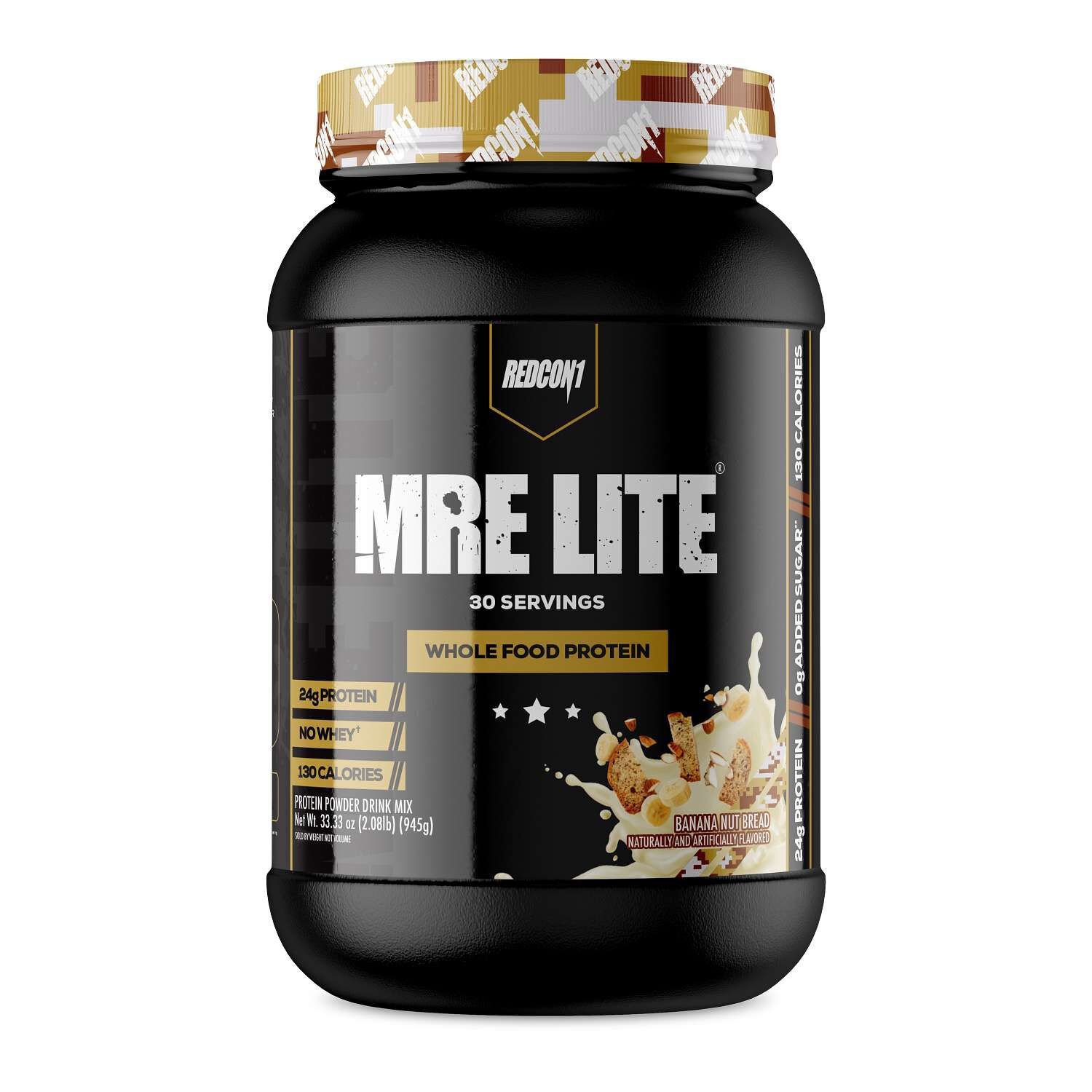
The simplest way to compare protein powders by cost per serving is to divide the current package price by the number of servings stated for that exact product. The result is useful, but it is only the beginning of a fair comparison. Serving sizes, protein quantities, additional ingredients, package weights and order charges can differ. A lower serving price does not automatically describe the same amount of protein or the same type of formula.
This guide shows how to build a comparison that keeps those differences visible. It uses hypothetical prices and quantities to explain the arithmetic. None of the examples is a current Sprinkles Menu offer or a recommendation about how much protein an individual should consume. Use the actual selected product page, readable label and checkout information for your purchase.
What does cost per serving actually measure?
Cost per serving answers one narrow question: how much of the package price is allocated to one labeled portion? It does not measure taste, convenience, protein quality, individual suitability or the complete cost of a prepared drink. Keep the name of the metric precise so it does not become a claim about every aspect of value.
The denominator must come from the exact package you are considering. A brand may sell several flavors or sizes with different serving counts. Copying the count from one tub and the price from another can produce a convincing-looking number that does not correspond to either purchase. Record the complete name and option before entering any figures.
If the listing does not provide a readable serving count, mark it unknown. You can ask for the current panel or manufacturer information. Guessing from container height, the number in a product name or a scoop photograph makes the comparison unreliable before the calculation even starts.
Which label and listing details should you collect?
Create a note for each powder containing its name, selected flavor, net weight, serving size, servings per container and protein amount per serving where listed. Add the package price separately. These fields let you distinguish package quantity from portion composition rather than compressing every difference into one price number.
| Field | Information to copy | Common mistake to avoid |
|---|---|---|
| Product identity | Exact formula, flavor and selected size | Combining different versions |
| Net contents | Total powder weight | Treating tub weight as protein weight |
| Serving size | Grams and any stated scoop measure | Assuming every scoop is equivalent |
| Servings per container | The package’s stated figure | Using another bottle size’s count |
| Protein per serving | Printed amount and serving basis | Counting all powder as protein |
| Product price | Current price for the selected option | Using an outdated search preview |
| Order charges | Actual delivery and other displayed charges | Comparing subtotal with delivered total |
Keep a link to the listing with these notes. If two similarly named products appear in search, the saved link helps you return to the same option. It also makes a question to the retailer more precise: you can identify exactly which panel, size or count needs clarification.
How do you calculate the basic serving price?
Use package price ÷ labeled servings = product cost per serving. For a hypothetical $36 tub containing 30 stated servings, divide 36 by 30. The result is $1.20 per serving. For a $40 tub containing 40 servings, the result is $1.00. The second package costs more upfront but less for each labeled portion.
Keep the original figures in your worksheet. If a result is close to another option, retain additional decimal places in your working and round only the displayed comparison. Premature rounding can exaggerate a tiny difference or hide one. A calculator is useful, but the correct inputs matter more than the number of digits it shows.
| Hypothetical option | Package price | Labeled servings | Product cost per serving |
|---|---|---|---|
| Tub A | $36 | 30 | $1.20 |
| Tub B | $40 | 40 | $1.00 |
| Tub C | $27 | 20 | $1.35 |
| Tub D | $54 | 45 | $1.20 |
Tub A and Tub D have the same calculated portion price in this example, despite different package prices and counts. That does not establish identical formulas. You still need the protein amount, ingredients, flavor and portion size to understand what each serving represents.
Why should protein grams stay beside the serving price?
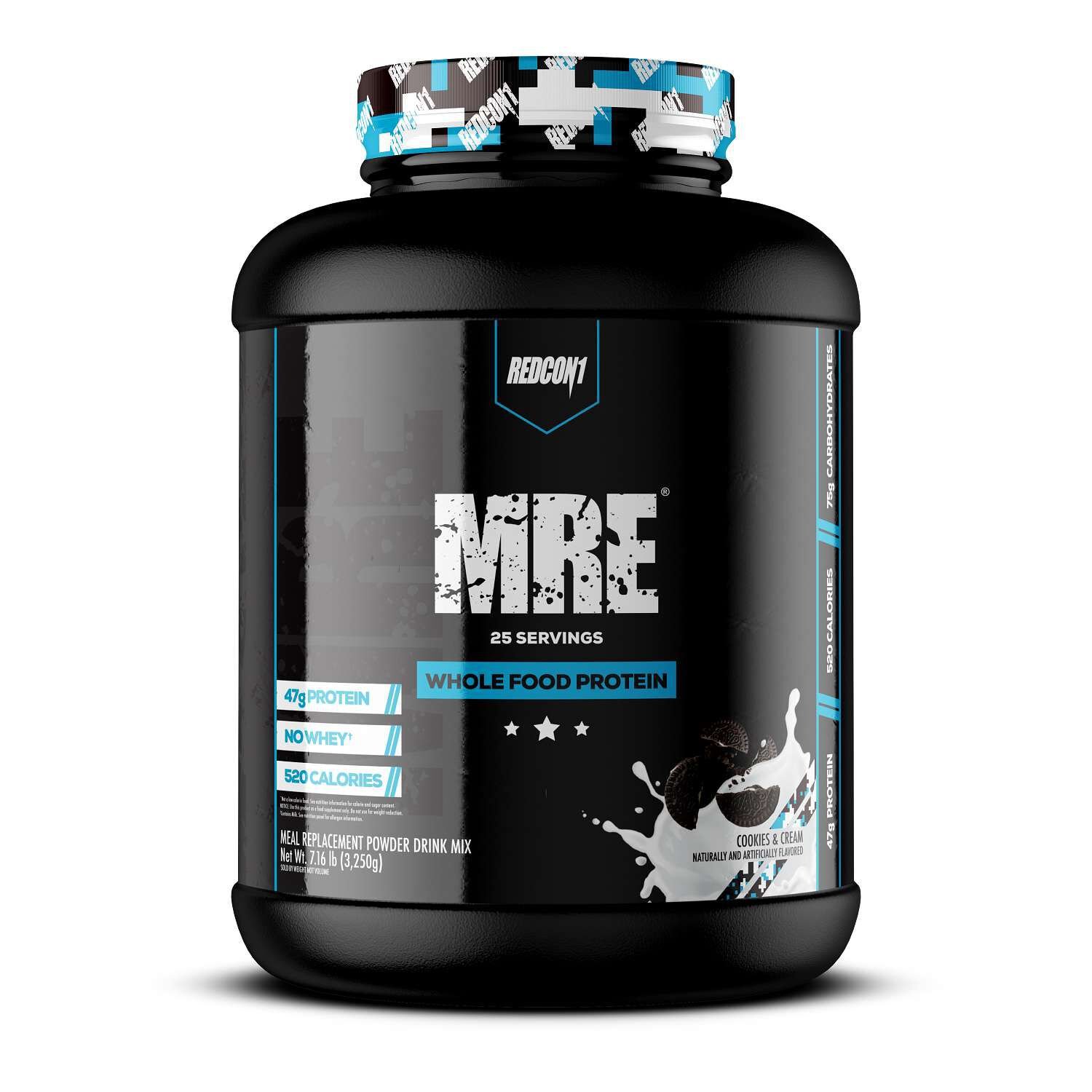
A serving is a label-defined portion, not a universal amount of protein. Two powders can use different portion weights and list different protein amounts. If your comparison focuses on the protein quantity supplied, add a separate cost-per-gram-of-protein calculation instead of silently assuming that every serving is equivalent.
For a hypothetical powder priced at $1.20 per serving with 24 grams of protein listed for that serving, divide $1.20 by 24. The result is $0.05 per listed gram of protein. Another powder at $1.00 per serving with 16 grams listed costs $0.0625 per gram. The second has a lower portion price but a higher price by this particular protein-quantity metric.
| Hypothetical option | Cost per serving | Listed protein per serving | Cost per listed gram of protein |
|---|---|---|---|
| Example A | $1.20 | 24 g | $0.0500 |
| Example B | $1.00 | 16 g | $0.0625 |
This calculation remains a purchasing tool. It does not establish that the two formulas are nutritionally interchangeable or determine an individual’s requirements. If the products serve different purposes or use different ingredient categories, retain those distinctions rather than turning the lowest figure into a universal best-product claim.
How are serving weight and net weight different?
Net weight describes the total powder supplied in the package. Serving weight describes the amount of powder used for one labeled portion. Protein amount is another field again. Keeping these three quantities separate prevents a common mistake: dividing price by total powder weight and calling the result price per gram of protein.
For a hypothetical 900-gram package using 30-gram portions, the arithmetic suggests 30 portions. Prefer the manufacturer’s stated servings figure for the actual product, particularly when the package describes an approximate count. A front image alone may not provide enough information to reconcile the figures.
You can calculate a price per 100 grams of powder for package comparisons, but label it accurately. That metric is useful for understanding total powder cost; it should not be substituted for protein quantity or personal value. Use whichever metric answers your question and keep its unit visible.
Is one scoop always one serving?
Read the portion information instead of assuming. A serving may be described using one scoop, several scoops or a gram quantity. Scoop sizes can differ between formulas. Even when two packages show a scoop, the images do not establish identical quantities or the same proportion of ingredients.
When preparing the comparison, copy the stated serving weight in grams and any associated scoop description. Do not borrow the scoop count from another flavor, another product line or a tub you purchased previously. A revised formula may use different information, so use the current package for the exact option.
The FDA’s Nutrition Facts label guide explains why the serving basis matters when reading quantities. This article applies that label-reading discipline to a shopping worksheet; it does not prescribe how many servings you should use.
Should you compare flavored powders separately?
Yes. Treat each selected flavor as a specific product version and check its own information. A flavor may have different ingredients, portion weight or packaging details from another option in the range. Do not carry a count or a protein figure across options without confirming that the manufacturer uses the same panel.
Taste is also a practical part of value, but it should remain a preference rather than an invented fact. A large discounted tub of an unfamiliar flavor can commit more money than a smaller purchase. Compare the total spend and the amount you intend to buy, not only the attractive serving-price headline.
Reviews can help you identify questions to ask about a flavor, but check which product version the review describes. A comment about another flavor or an earlier package cannot establish the contents of the current selected option. Use the panel for facts and keep preferences clearly separate.
How do delivery charges change serving cost?
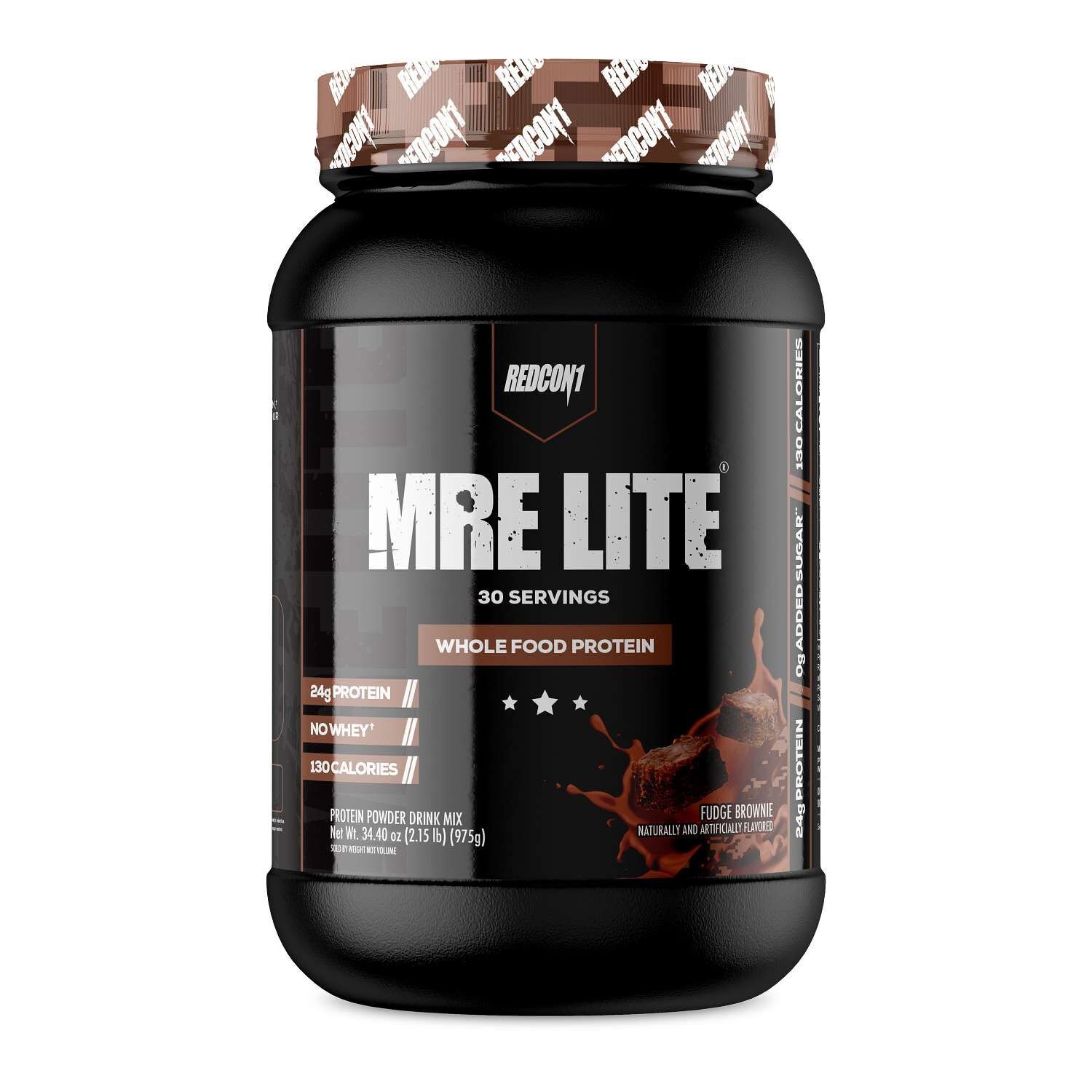
For a single-product order, add the actual delivery and other displayed charges to the package price, then divide the delivered total by labeled servings. A hypothetical $36 tub with 30 servings and $6 delivery costs $42 delivered, or $1.40 per labeled serving, before any other applicable displayed charge.
For a mixed basket, decide whether you are comparing full orders or product-only figures. Assigning all delivery charges to one tub when the same order contains other items can distort the comparison. Show the delivery figure separately or explain an allocation method if you choose to estimate one.
If the destination, quantity or delivery option changes, recalculate. Do not preserve an earlier delivered cost after the checkout changes its charges. Likewise, a competitor’s delivery promotion does not establish an offer on Sprinkles Menu. Use confirmed current conditions for each actual order.
How should discounts and bundles be handled?
Use the price actually applicable to the selected item and confirm any conditions before calculating. If the displayed price already includes a discount, do not subtract the saving again. Record whether the figure applies to one tub, several tubs or an itemized bundle containing different products.
For a bundle, separate the question of total bundle cost from the cost of an individual powder. Unless the seller supplies a component price, assigning part of the bundle price to one item is your own allocation. Label it as such rather than presenting it as a confirmed standalone product price.
A minimum purchase can also change the practical result. A low unit price that requires several tubs may exceed your budget or storage space. Compare total commitment, confirmed contents and portion price together. A purchasing decision should remain understandable even when the most prominent promotion disappears.
A worksheet for a fair comparison
Use a consistent set of rows for every product. Enter unknown where information is unavailable instead of assuming the most favorable number. This makes the worksheet useful for checking listings, asking the store a focused question and reviewing the cart before payment.
| Field | Product A | Product B |
|---|---|---|
| Formula and selected flavor | Copy full name | Copy full name |
| Selected net weight | Record package | Record package |
| Labeled servings | Confirm exact count | Confirm exact count |
| Serving weight | Record grams | Record grams |
| Protein per serving | Copy panel quantity | Copy panel quantity |
| Current package price | Use selected option | Use selected option |
| Product cost per serving | Price ÷ servings | Price ÷ servings |
| Cost per listed gram of protein | Portion cost ÷ protein grams | Portion cost ÷ protein grams |
| Delivered total | Confirm checkout | Confirm checkout |
| Missing information | Ask before ordering | Ask before ordering |
Review the worksheet from top to bottom before naming a price winner. If the products use different ingredient categories, keep that visible. If one panel is unreadable, the correct next step is to obtain the missing information rather than treating the lack of detail as evidence of equivalence.
Questions shoppers often ask
Is the tub with the most servings always cheapest?
No. Divide its current price by the stated count and compare the result. A larger count may come with a higher price or a different serving composition. Keep both the unit result and total purchase commitment visible so that quantity does not substitute for value.
Can I divide by the number of scoops shown in a picture?
Use the label, not the illustration. A scoop photograph does not establish its capacity, how the manufacturer defines a portion or how many portions the package contains. Ask for the panel when the written information is missing or inconsistent.
Does the cheapest serving mean the best protein powder?
It means the lowest price for the defined portion among the options you calculated. It does not settle ingredient preferences, taste, preparation, personal suitability or the quantity of protein listed for that portion. Use the number as one comparison field rather than a complete recommendation.
Should the mixer be included in the cost?
If you are comparing the cost of prepared drinks, include the actual additional ingredients you plan to use and label the result prepared-serving cost. Keep that separate from powder-only cost. A comparison using water for one option and an unpriced purchased mixer for another is incomplete.
Where can I compare products on Sprinkles Menu?
Begin with the protein powder department and confirm the exact current listings. For related questions, read about serving weights versus tub weights and comparing powders with prepared shakes. Send the product link, flavor and selected size through the contact page if a detail needs confirmation.