




Blog
Which grocery pack sizes fit my storage space?

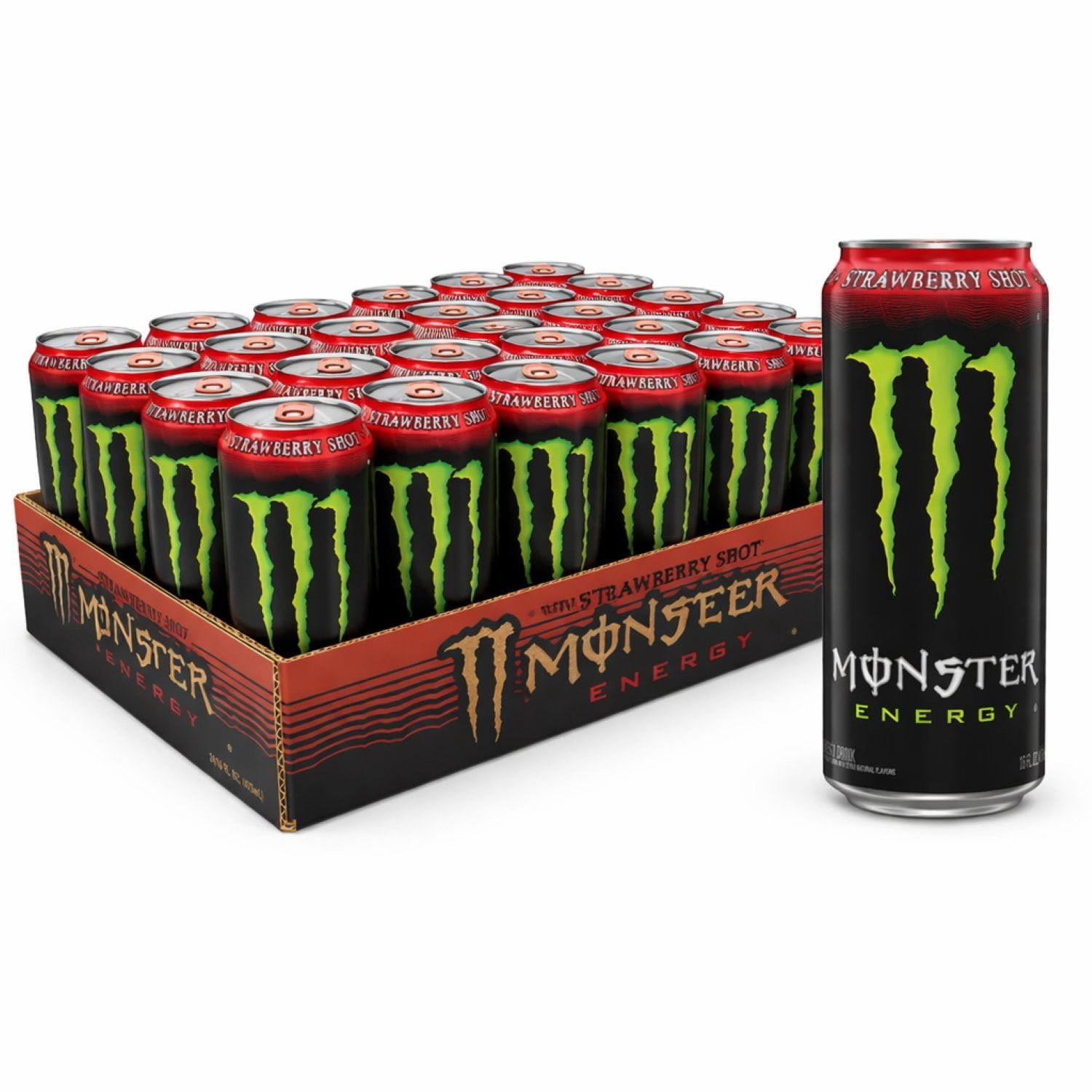
Choose grocery pack sizes by comparing the actual package dimensions with usable storage space, then checking the product’s storage directions and the quantity you intend to keep. Food weight, bottle volume, and pack count do not establish the shape of an outer carton. A large pack can be economical by unit price while still being impractical for the space available.
This guide explains a measurement-based approach to grocery and pantry purchases. It includes hypothetical shelf calculations, access checks, and questions to ask when package dimensions are missing. It does not assign universal shelf loads, storage temperatures, or shelf lives to every food or beverage.
Measure usable space rather than the furniture’s outside size
Record the usable internal width, depth, and height of the intended shelf or cupboard. Exterior furniture dimensions can include walls, doors, hinges, trim, and other features that reduce the actual space. Measure the opening as well as the interior if a carton must pass through it.
Keep measurements in one consistent unit. Mixing centimeters and millimeters can create a large error while the numbers still appear plausible. Write the unit beside every dimension and avoid rounding a tight clearance into a fit that has not actually been established.
Also record obstacles and access needs. A shelf can have enough nominal volume while a door, pipe, or fixed divider prevents a particular box from fitting. The useful question is whether the identified package can be placed and retrieved in the actual location, not whether the total cubic volume looks large enough.
Obtain the actual package dimensions
Look for the length, width, and height of the retail package being purchased. Distinguish those measurements from shipping-carton dimensions, an individual inner container, or an unrelated package shown in a photograph. Each describes a different object that may fit differently.
If dimensions are missing and fit matters, ask for them using the exact product link and pack count. Do not estimate a carton from can volume or scale it from a photograph. A container’s liquid capacity does not establish its external shape, packing arrangement, or outer-box thickness.
If the plan involves removing an outer carton, check what the inner units actually are and preserve relevant labels and directions. Do not assume that every package is designed to be separated or that essential identifying information is repeated on every inner item. Obtain product-specific clarification where necessary.
| Measurement | What to record | Common mistake |
|---|---|---|
| Internal shelf width | Clear usable distance | Using exterior furniture width |
| Internal shelf depth | Usable front-to-back distance | Ignoring a door or rear obstruction |
| Clear height | Space above the shelf contents | Assuming adjustable space that is fixed |
| Access opening | Doorway or cupboard opening | Checking the interior but not the entry path |
| Retail pack dimensions | Actual selected outer package | Using a different case count |
| Inner-unit dimensions | Confirmed size if stored separately | Deriving shape from food weight or liquid volume |
| Shelf capacity information | Manufacturer’s actual load guidance | Inventing a safe load from dimensions alone |
Use a simple fit calculation as a first screen
For a rectangular package and a clear rectangular shelf, divide the usable width by the package width and round down to whole packages. Do the same for depth if you are considering more than one row. This gives a geometric first screen for that orientation, not a guarantee that the real arrangement is practical.
In a hypothetical example, a shelf is 60 centimeters wide and 40 centimeters deep. A carton measuring 20 by 30 centimeters on its base could fit three across and one deep in that orientation, giving three cartons on the base area. Its height still needs to fit, and access and load questions remain separate.
The leftover space matters. If a calculation leaves almost no clearance, check the actual measurements and practical handling instead of treating a rounded result as proof. A nominal geometric fit can be difficult to use if a package cannot be gripped, turned, or removed without moving everything else.
Check a rotated orientation without assuming it is allowed
A rectangular package can have a different geometric arrangement when rotated on the shelf. In the invented example, turning a 20-by-30-centimeter base could allow two across and two deep on the same 60-by-40-centimeter area, giving four base positions. That is an arithmetic possibility, not permission to store every product in any orientation.
Read the actual package directions and any orientation information. Do not rotate a product in a way that conflicts with its stated handling requirements just to improve a fit calculation. If the relevant instruction is missing and the plan depends on orientation, ask for clarification.
Also remember access. A two-deep arrangement may require moving front packages to reach those behind. The maximum geometric count is not always the most usable arrangement. Choose a plan that preserves practical retrieval and readable identification rather than treating every available cubic centimeter as a target to fill.
| Hypothetical shelf and carton | Base arrangement | Geometric base count | Still to confirm |
|---|---|---|---|
| Shelf 60 × 40 cm; carton base 20 × 30 cm | 3 across × 1 deep | 3 | Height, access, directions, load |
| Same shelf; base rotated to 30 × 20 cm | 2 across × 2 deep | 4 | Whether orientation and access are suitable |
| Shelf height unclear | Any base arrangement | Not a complete fit result | Actual clear height |
| Carton dimensions unknown | Cannot establish layout | Unconfirmed | Exact selected package dimensions |
| Package must remain upright | Only permitted orientation considered | Calculate from that basis | Actual upright dimensions and handling |
Do not turn a floor-area calculation into a stacking rule
Multiplying base positions by a number of layers can describe a hypothetical volume arrangement, but it does not establish that packages can be stacked that way. Package strength, orientation, shelf capacity, access, and the manufacturer’s handling information need their own review.
Use the shelf or furniture manufacturer’s actual load guidance where applicable. A shelf’s width and depth do not supply its safe weight capacity. Do not calculate a loading recommendation from food volume or assume that an apparently sturdy shelf can carry any arrangement that fits geometrically.
This guide does not provide a universal stack height or load limit. If the plan depends on stacking and the relevant information is unavailable, keep that part unresolved. A smaller purchase or a different storage arrangement may be easier to evaluate than a maximum-capacity layout based on guessed limits.
Compare total quantity with the space commitment
A bulk pack can contain more units than a smaller household needs at one time. Record the confirmed count and size, then estimate how much space will remain occupied under the intended arrangement. Keep that planning estimate separate from the actual package dimensions.
Also consider whether the purchase duplicates products already stored. A shelf that appears clear in a measurement can become crowded once existing stock is included. Make the comparison against the usable space available for the new order, not the entire storage area before current contents are counted.
If the larger pack only fits after reorganizing, establish that plan before relying on the discount. A lower unit price does not automatically justify a storage change or additional equipment. Keep any extra cost explicit in the purchasing comparison instead of treating it as free space created by the bulk offer.
Read product-specific storage directions
Different foods and beverages can have different handling requirements. Read the actual directions for the sealed product and distinguish them from any instructions after opening or preparation. Do not assign one generic storage temperature or duration simply because several items are sold in the same pantry category.
If a label uses broad wording and the intended location creates a specific question, ask the manufacturer or responsible business. Preserve the exact product and wording in the request. A guide cannot interpret every unspecified condition for every formula or certify a household storage location.
Serving preferences should also remain separate from storage requirements where the package makes that distinction. A suggestion about how a drink tastes when served does not necessarily establish all conditions for keeping an unopened case. Use the actual instructions rather than expanding a short phrase into a universal rule.
Keep labels, dates, and identification accessible
Arrange products so the relevant identification and directions can still be checked. If several versions look similar, record or organize them in a way that prevents formula and flavor mix-ups. A neat shelf is less useful if the actual item cannot be identified without relying on memory.
Read date wording rather than treating every numeric marking as the same kind of deadline. If a lot code needs interpretation, keep it intact and ask for a product-specific explanation. Do not substitute a homemade date label that obscures the original marking or invent a universal decoding rule.
For several cases, keep the scope of any confirmation clear. One observed date does not establish that every unit in a larger order shares it. A simple inventory note can preserve product, count, original marking, and receipt date without turning the record into an unsupported assessment of product condition.

Plan for access and routine use
Consider how a package will be removed, opened, and returned to storage. A carton that fits only at the back of an inaccessible cupboard may be impractical even when the measurements technically work. Leave the arrangement easy to identify and use rather than optimizing only the number of boxes.
For mixed assortments, confirm whether the preferred items can be reached without losing track of the rest. Do not assume equal flavor allocation or remove identification based on a promotional image. The actual contents and packaging arrangement should guide the plan.
For a shared household or workplace, a simple record of where products belong can reduce confusion. That is an organization choice, not a claim about shelf life or a substitute for label directions. Keep practical access, product requirements, and quantity planning as separate checks that support the final purchase.
Compare smaller packs when a case does not fit
If the selected case is too large, look for an actual smaller offer and compare its size, count, price, and formula. Do not assume that the store splits cases or sells each inner item at the average multipack price. Use the selling units actually available and their stated terms.
A smaller pack can have a higher unit price while being the more workable immediate purchase. Keep both the total cost and the storage commitment visible. The choice should reflect the actual usable space and expected need rather than a universal rule that bigger packages are better value.
If dimensions are unavailable, ask a focused question with the exact listing link and count. A response about another size or outer shipment may not answer the shelf-fit question. Preserve the distinction between the retail package and a shipping carton when requesting measurements.
A final storage-fit worksheet
| Check | Information to save | Reason to pause |
|---|---|---|
| Available space | Clear internal dimensions and access opening | Only exterior furniture dimensions known |
| Package | Exact selected retail dimensions | Size inferred from a photograph |
| Orientation | Actual relevant handling directions | Fit depends on an unconfirmed rotation |
| Load and stacking | Applicable manufacturer guidance | Capacity or stack limit guessed |
| Product directions | Sealed, opened, and prepared wording as relevant | Generic rules replace actual instructions |
| Existing stock | Space already occupied | New order assumes an empty shelf |
| Identification | Readable labels and original markings | Organization hides important information |
| Purchase alternative | Actual smaller offer if needed | Case splitting assumed without confirmation |
Frequently asked questions
Can I calculate storage space from the food weight?
Weight does not establish outer-package dimensions. Obtain the selected retail package’s actual measurements and compare them with clear usable space. Keep weight and shelf-capacity questions separate from geometric fit rather than assuming that one quantity answers both.
Does enough total cupboard volume guarantee a fit?
No. The package shape, opening, obstacles, and practical access can prevent a fit even when a cubic-volume calculation looks favorable. Measure width, depth, height, and the entry path. Use the actual package dimensions instead of relying only on a total volume.
Can I rotate or stack packages to fit more?
Only evaluate arrangements consistent with the actual handling information and relevant capacity guidance. A mathematical layout does not establish a permitted orientation, safe stack height, or shelf load. Keep unresolved handling questions visible rather than turning a geometric maximum into a recommendation.
Is a powder pack always easier to store?
Its actual dimensions may differ from a liquid case, but format alone does not establish the answer. Check the selected package, current directions, and available location. A compact product can still create a storage question if its requirements or access needs are not met.
What should I confirm before ordering a larger pack?
Verify dimensions, count, directions, date information needed for the purchase, and the actual space available. Compare an explicitly offered smaller option if the case does not fit. Do not assume a unit-price saving creates storage capacity or authorizes an arrangement unsupported by the product information.