





Compare vitamins at Sprinkles Menu by nutrient, format and the details that matter to your own nutrition questions. Listed examples include vitamin C chewables and capsules, vitamin A formulas, children’s liquid vitamin D3 and a vitamin D3 spray. This guide explains the category, distinguishes package wording from personal recommendations and helps you prepare a clearer comparison of the individual product pages.


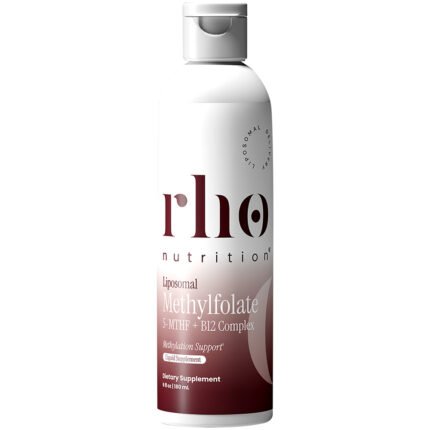
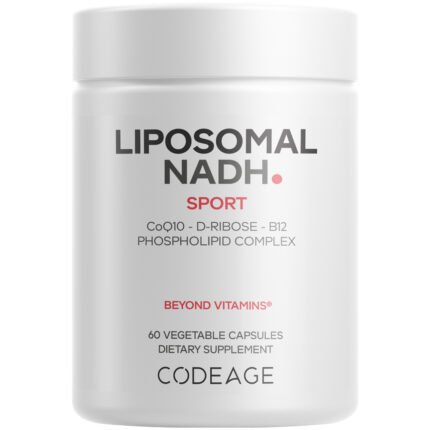
Liposomal Methylfolate – 5 MTHF + B12 Complex – Methylation Support (6 fl oz.)
Original price was: $39.99.$31.99Current price is: $31.99.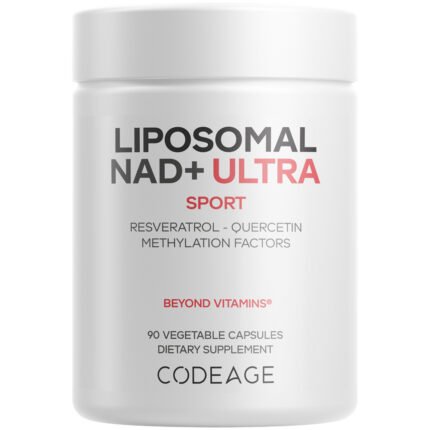
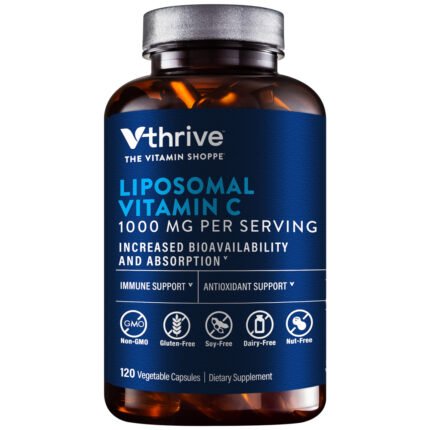
Liposomal Vitamin C for Immune Support – Increased Bioavailability & Absorption – 1,000 MG (120 Vegetarian Capsules)
Original price was: $39.99.$31.99Current price is: $31.99.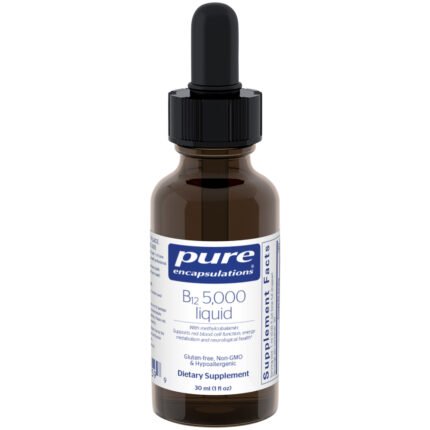
▼ Click here to read the full Vitamins guide — comparison tables and FAQs
What does the vitamins category include?
Vitamins is a broad nutrient category rather than a single type of formula. Products may contain one named vitamin, a combination of vitamins or additional ingredients. They may also use different formats, such as capsules, chewables, liquids and sprays. These differences affect how a product is used and compared, but a format alone does not establish that one product is the right choice for a particular person.
The current examples in this guide focus on vitamins A, C and D. They illustrate how diverse a vitamin category can be: an orange chewable, a capsule combination and a children's liquid answer different shopping questions. Begin by identifying the nutrient you are considering, then compare the exact formula and directions. Do not assume that all products under the vitamins heading serve the same purpose.
Which vitamin products can I compare here?
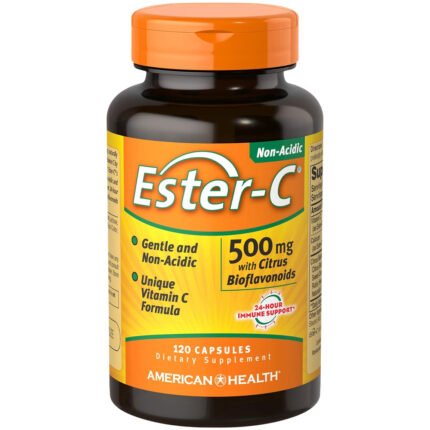
The Buffered Vitamin C Orange chewables are listed as one hundred chewables. Another vitamin C example is Ester-C with Citrus Bioflavonoids, 500 milligrams, 120 capsules. Those titles provide a starting point for comparing formats and formula descriptions, but the current panels are needed for a fair serving-by-serving assessment.
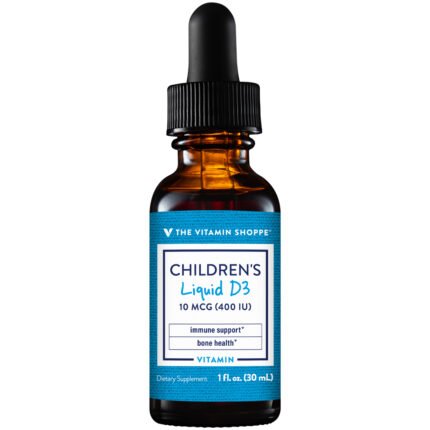
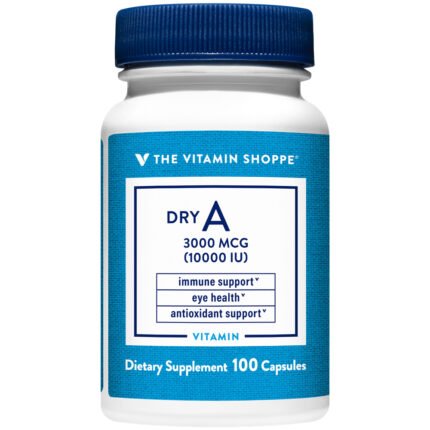
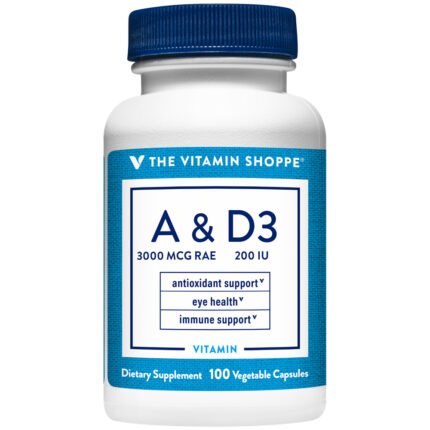
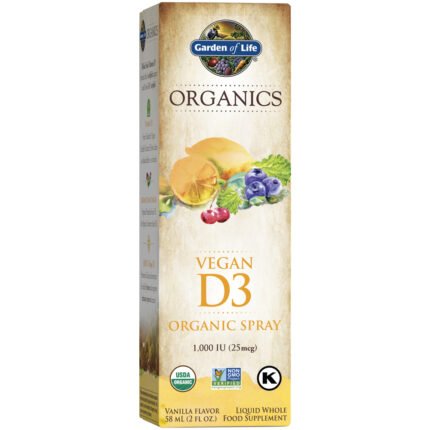
Vitamin D examples include Children's Liquid Vitamin D3, 400 IU and a Garden of Life Organics Vitamin D3 Vanilla spray, 1,000 IU. Vitamin A appears in a 10,000 IU capsule listing and an A and D combination. Listing these examples does not recommend their amounts for every shopper.
| Listed example | Title detail | Useful next comparison |
|---|---|---|
| Buffered Vitamin C Orange | One hundred chewables | Vitamin C amount per directed serving |
| Ester-C with Citrus Bioflavonoids | Five hundred milligrams, 120 capsules | Complete formula and serving basis |
| Children's Liquid Vitamin D3 | Four hundred IU, one fluid ounce | Age directions and measured serving |
| Garden of Life Vitamin D3 Vanilla spray | One thousand IU, two fluid ounces | Amount per directed spray serving |
| Dry Non-Oily Vitamin A | Ten thousand IU, one hundred capsules | Vitamin A form, current units and suitability |
| Dry Non-Oily Vitamin A and D | A combination, one hundred capsules | Both vitamin amounts and overlap with other products |
How are single vitamins different from multivitamins?
A single-vitamin product focuses the comparison on one named nutrient, while a multivitamin contains a broader mixture. The distinction is useful when a healthcare professional has identified a specific nutrition question. It does not mean that a focused product is always preferable or that a broad mixture is automatically more complete for your circumstances. The actual ingredient panel is needed to understand what either product supplies.
A product combining vitamins A and D is another distinct case: it is not a broad multivitamin simply because it includes more than one vitamin. Compare both ingredients, especially if you already take a multivitamin or another individual vitamin. The Multivitamins category offers a separate browsing route when a wider combination is the type of product you intend to investigate.
What does vitamin C mean in a product comparison?
Vitamin C is a water-soluble vitamin, as described in the NIH Office of Dietary Supplements fact sheet. In shopping terms, the relevant comparison includes the amount per serving, the form used, the format and any additional ingredients. A chewable and a capsule can both be vitamin C products while differing in how they fit a person's preferences and the rest of their routine.
Do not assume that orange flavor supplies a particular vitamin C amount, or that a larger capsule count means a larger nutrient amount per serving. Likewise, the presence of citrus bioflavonoids describes an additional formula feature that should be read on its own terms. A useful comparison records the complete formula rather than reducing every vitamin C product to the same generic choice.
What do buffered, non-acidic and Ester-C descriptions tell me?
These are formula descriptions worth investigating, but they should not be treated as universal guarantees about personal comfort or effectiveness. The title of the buffered chewable and the title of the Ester-C capsule identify different product presentations. To understand the distinction, read the ingredient forms, amounts and other ingredients on the current labels. Avoid assuming that a descriptive term proves a product is better for everyone.
If digestive comfort is your main concern, describe your experience and the proposed formula to a healthcare professional. A marketing phrase cannot predict an individual's response. For ordinary comparison, keep measurable details alongside the description: directed serving, vitamin amount, format, additional nutrients and ingredients. This makes the purchase decision more concrete than choosing whichever title contains the most appealing adjectives.
What should I understand about vitamin D products?
Vitamin D products can differ in form, amount and delivery method. The examples here include a children's liquid and a spray, both named D3, but they should not be treated as interchangeable. Their titles identify different amounts and presentations, while the current labels establish the directed serving and intended user. A smaller bottle can be concentrated differently from a larger one, so volume alone is not enough.
If you are considering vitamin D because of a test result or medical advice, use the amount and instructions provided by the professional managing that care. Do not choose a stronger-looking product merely because a number is larger. For general background, the NIH vitamin D fact sheet distinguishes nutrient information, intake recommendations and evidence questions. Those general references do not replace a personalized plan.
How do IU, micrograms and milligrams differ?
Units are part of the information, not decorative text after a number. Milligrams and micrograms are units of mass, while international units depend on the nutrient and its activity convention. For vitamin D, NIH explains that one microgram equals forty IU. That conversion is specific to vitamin D; do not apply it casually to vitamin A or another nutrient. Different vitamins can require different interpretation.
When comparing labels, write down both the number and its unit, then check the serving basis. A vitamin C amount in milligrams should not be directly ranked against a vitamin D amount in IU, because they describe different nutrients. If an older title and a current panel use different unit conventions, use the current complete labeling and seek clarification rather than assuming the numerical values are contradictory or equivalent.
| Label element | Example of the question | Clear comparison habit |
|---|---|---|
| Nutrient identity | Is this vitamin A, C or D? | Compare the same nutrient before ranking amounts |
| Unit | Does the panel use milligrams, micrograms or IU? | Keep the unit with every number |
| Serving basis | Is the amount per capsule, chewable or directed portion? | Compare matching serving information |
| Ingredient form | Which form is stated on the panel? | Record it rather than assuming all forms are identical |
| Package count | How many capsules or chewables are supplied? | Keep container quantity separate from nutrient amount |
| Intended user | Are there age-specific directions? | Do not transfer adult and children's instructions |
Why does vitamin A require attention to its form?
The NIH vitamin A consumer fact sheet distinguishes preformed vitamin A from provitamin A carotenoids. This matters when interpreting amounts and safety information. The vitamin A name alone does not establish which form is present or how the label expresses it. Read the ingredient form and the complete current panel rather than relying on an older unit statement in a product title.
The sampled 10,000 IU vitamin A listing should therefore be approached as a specific product to review, not a category-wide daily recommendation. Pregnancy and the possibility of pregnancy make careful professional advice particularly important when considering preformed vitamin A. The useful shopping question is whether the exact formula is appropriate in context, not whether a high number sounds more protective or more complete.
Does dry non-oily mean a vitamin is no longer fat-soluble?
No such conclusion should be drawn from the presentation wording. Dry or non-oily describes how the product is presented, not a reclassification of the nutrient. A capsule's appearance does not tell you everything about vitamin metabolism, the appropriate amount or personal suitability. Keep the physical format separate from the biological identity of the vitamin being supplied.
This distinction is especially helpful when comparing the listed vitamin A product with the A and D combination. Both require attention to the actual nutrient forms and amounts, regardless of whether the title emphasizes a dry presentation. If you have questions about how to use a particular formulation, bring its label to a pharmacist rather than inferring instructions from the texture or the absence of a visible oil.
How do chewables, capsules, liquids and sprays compare?
Different formats can make a routine more or less convenient, but convenience is only one part of the decision. A chewable involves a different use method from a capsule; a liquid or spray requires attention to the directed measure. The best format for one person may be awkward for another. Establish product suitability first, then compare the practical presentation that supports the agreed plan.
Flavor and other ingredients can also differ by format. An orange chewable and a vanilla spray may have ingredients included for taste or delivery that are not present in a plain capsule. Read the complete ingredient list if dietary restrictions matter. Do not assume that a format is sugar-free, allergen-free, vegan or suitable for a child unless the exact product's current information supports that conclusion.
| Format | Practical consideration | Detail not to assume |
|---|---|---|
| Chewable | Taste and method of use | That one chewable equals every product's serving |
| Capsule | Swallowing preference and serving count | That all capsule formulas contain the same ingredients |
| Liquid | Measured volume and handling | That a bottle's size identifies the nutrient concentration |
| Spray | Number of sprays in the directed serving | That every pump delivers the same amount across brands |
| Combination formula | More than one vitamin to review | That it can be added without checking overlap |
Can children's vitamin D be compared with an adult spray?
They can be compared as different listings, but not substituted casually. The children's liquid title and the spray title do not establish the same age directions, concentration or method of use. Children require an age-appropriate assessment, and a smaller amount of an adult product should not be improvised from the archive description. Use the exact label and pediatric guidance for the particular child.
For a family shopping across age groups, keep each person's plan separate. Similar nutrient names can hide meaningful differences in directions and concentration. A shared household does not mean a shared serving. The Kids' Vitamins & Supplements category can help locate children's listings, but category placement still does not establish that every item is suitable for every age.
How do I avoid taking the same vitamin twice?
Collect the labels of everything in your routine before adding another bottle. Include multivitamins, combination formulas and individual products. A vitamin A and D combination can overlap with a multivitamin even when their front labels look completely different. A separate D3 spray can add another layer. The total picture matters more than reviewing each product as though it were the only supplement being used.
A pharmacist or clinician can help assess the complete list, especially when medicines, medical conditions or pregnancy are involved. Keep the amounts and units visible in your notes. Do not assume that a product marketed for one purpose supplies different nutrients from a product marketed for another. The ingredient panel is the reliable way to identify overlap, not the lifestyle theme printed on the package.
What is the difference between a nutrient role and a treatment claim?
A nutrient can have an established role in normal physiology without a supplement being a treatment for every related symptom or condition. A product title mentioning eye health or immune support should not be read as proof that it prevents an illness or treats an eye disease. The exact claim, formula and evidence need to be assessed separately from the general biological importance of the vitamin.
If a symptom is prompting your purchase, describe that symptom directly to a healthcare professional. Nutrient information can be useful background, but it does not establish the cause of the symptom. This keeps browsing in its proper role: helping you identify and compare products rather than turning a category page into a diagnosis or a personalized treatment plan.
How should I compare serving counts and prices?
Use the current price and the confirmed directed serving. One hundred capsules, one hundred chewables and two fluid ounces are different measures of package quantity. None automatically tells you the number of days for an individual. Once the label's serving is clear, you can calculate price per serving, while remembering that different formulas may still not be equivalent comparisons.
A larger package may be convenient if it fits an established plan, but it is not inherently better value. Unnecessary overlap, an unsuitable format or a formula you do not need can outweigh an appealing unit price. Compare the actual product you intend to use, include the relevant checkout charges and avoid building a decision around an assumed one-unit serving that the label has not confirmed.
| Price comparison step | Information to use | Common mistake to avoid |
|---|---|---|
| Identify the exact item | Current formula, format and package | Using a similarly named product's details |
| Establish the serving | Current directions and serving size | Assuming one capsule or one spray |
| Calculate servings | Confirmed package quantity on that basis | Treating bottle size as a calendar duration |
| Compare cost | Current price per relevant serving | Ranking unlike formulas by bottle price alone |
| Review usefulness | Fit with the actual nutrition plan | Buying more solely because it looks economical |
| Check the final total | Current checkout charges and quantity | Assuming an old price or an unconfirmed discount |
How do I evaluate vegan, whole food and other descriptive wording?
Descriptions such as vegan or whole food can be relevant to a shopper's preferences, but they do not answer every question about a formula. The Garden of Life spray title contains several such descriptors. Verify current product information for the exact claim you care about, then still compare nutrient amount, directions and suitability. A dietary preference claim is separate from evidence of a particular health outcome.
Likewise, do not infer independent certification from general wording or from a brand's reputation. If a specific certification matters, look for a verifiable statement tied to the actual product. A broad category guide cannot establish certification for all listings. Keep preference, composition, evidence and verification as separate questions so one favorable detail does not silently substitute for the rest of the comparison.
Frequently asked questions about vitamins
Is a higher amount always a better choice?
No general rule makes a larger number more appropriate. The nutrient, its form, the individual's needs and the total intake from other sources all matter. A title with a prominent amount is useful for identifying a product, but it is not a recommendation to maximize intake. Ask a qualified professional about the amount appropriate to your situation rather than ranking products solely by the largest figure.
Are vitamin A and vitamin D interchangeable because they appear together?
No. They are different nutrients, and a combination product needs both reviewed. The fact that they share a capsule does not mean that one replaces the other or that the combination suits everyone. Check the exact amounts and forms, then assess any overlap with existing products. The combination is a particular formula, not a universal upgrade over a single-vitamin product.
Does a flavored product contain fruit or a particular amount of sugar?
Flavor wording alone cannot establish that. Orange and vanilla identify taste descriptions, while the complete ingredient and nutrition information answer composition questions. Read the actual formula if sugar, sweeteners or a dietary restriction matters to your decision. Avoid transferring information from another flavor or assuming that a natural-sounding name supplies a complete ingredient explanation.
Can I estimate vitamin D spray servings from the bottle volume?
Not reliably without the directed spray serving and the product's stated concentration. Two bottles with the same volume can have different amounts per spray. Use the current label's serving information and package details. If the directions are unclear, seek clarification before calculating cost or use. Bottle size is a container measure, not a complete account of the nutrient supplied in each use.
Does buffered vitamin C guarantee better comfort for everyone?
A formula description cannot guarantee an individual's response. Compare the actual ingredients and discuss persistent digestive concerns with a healthcare professional. Personal suitability depends on more than one word in a title. If comfort is your main comparison question, keep a record of the specific formula and your concern so the advice can address that product rather than a broad assumption about all vitamin C products.
Should I stop my multivitamin when choosing an individual vitamin?
Do not make changes to an established plan solely from a category guide. Review the full labels and discuss the combined routine with the professional advising you. The relevant question is how the total plan fits your needs, not whether a single-vitamin product is generally better or worse than a multivitamin. Identifying overlap is a useful first step, but individualized decisions require context.
What if the product title and current label use different units?
Keep both the nutrient identity and the unit conventions in view. Some titles may preserve older wording while current labels present information differently. Do not compare bare numbers without their units or apply a conversion from one vitamin to another. Ask for a readable current panel and clarification of any discrepancy before relying on the amount for a purchase decision.
How can I prepare a concise question for a pharmacist?
Name the exact product, explain why you are considering it and provide the labels of anything you already take. Include the amount and unit rather than saying only that it is a strong vitamin. If your question concerns a child, pregnancy, a medicine or a symptom, make that context clear at the start. This gives the pharmacist a concrete comparison to review and is more useful than asking whether vitamins in general are beneficial.
What should I confirm before selecting a vitamin?
A clear comparison begins with a specific nutrient question and ends with the exact product details that answer it. You do not need to compare every vitamin in the category at once. Choose the relevant nutrient, establish the formula and serving, and identify anything that requires professional review. This makes the category easier to navigate while keeping the purchase grounded in information rather than a general wellness promise.
| Before choosing | Your confirmation | Why it matters |
|---|---|---|
| Nutrient | The specific vitamin or combination you intend to review | Narrows the comparison meaningfully |
| Formula | Ingredient forms and additional components | Distinguishes similarly named products |
| Serving | Amount, unit and method of use | Makes quantity comparisons accurate |
| Intended user | Age directions and individual circumstances | Avoids transferring another person's routine |
| Existing intake | Other supplements and relevant advice | Makes overlap visible |
| Current details | Readable label, package quantity and price | Supports an informed next step |
Explore the individual products above or return to the broader Vitamins & Supplements department for other nutrient categories. Use a current complete label whenever a title leaves an important question unanswered, and bring that exact information to any professional discussion about your nutrition plan.