





Browse this longevity collection with attention to the actual formula. Current examples include DHEA, DIM and a fertility and hormone support blend. Compare ingredient names, stated strengths and capsule formats while keeping healthy-aging marketing separate from evidence about a specific product.
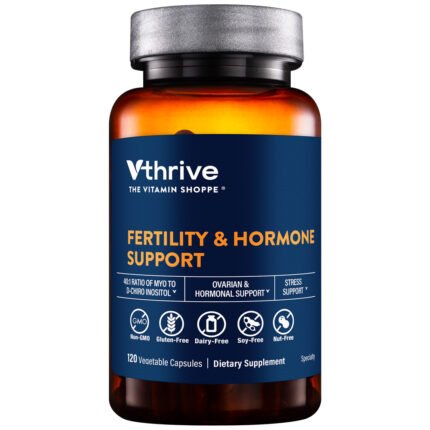
Fertility & Hormone Support (120 Capsules)
Original price was: $39.99.$31.99Current price is: $31.99.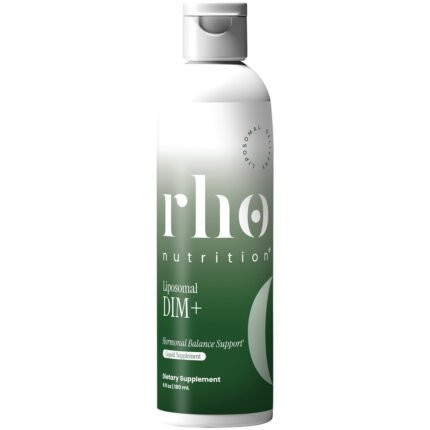
Liposomal DIM + (6 oz.)
Original price was: $39.99.$31.99Current price is: $31.99.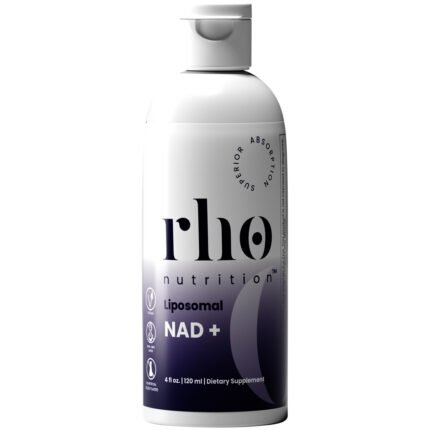
Liquid Liposomal NAD+ for Cellular Health – 100 MG – Lemon Zest (4 fl. oz./30 Servings)
Original price was: $55.99.$44.79Current price is: $44.79.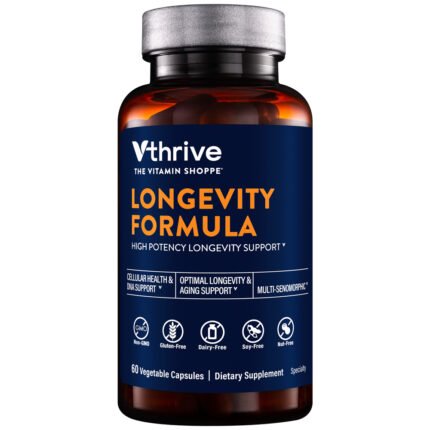
Longevity Formula – Cellular Health & DNA Support – Optimal Longevity & Aging Support (60 Vegetable Capsules)
Original price was: $42.99.$34.39Current price is: $34.39.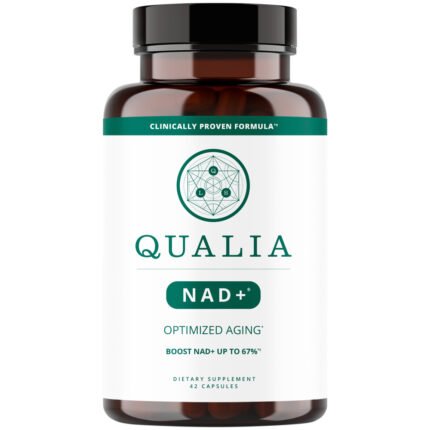
NAD+ for Optimized Aging to Boost NAD+ Up to 67% (42 Capsules)
Original price was: $52.99.$42.39Current price is: $42.39.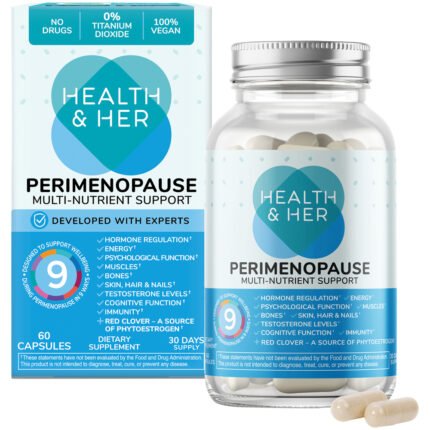
Perimenopause Multi-Nutrient Support for Women (60 Capsules)
Original price was: $29.99.$25.28Current price is: $25.28.▼ Click here to read the full Longevity guide — comparison tables and FAQs
What does the Longevity collection include?
Longevity is an umbrella term used in supplement shopping, but the products shown in this archive need individual interpretation. The current examples are concentrated around DHEA, DIM and a fertility and hormone support formula. They are not interchangeable general wellness products. Nor does their placement in a longevity category establish that they extend life, reverse aging or prevent age-related disease. The most useful first step is to replace the broad category word with the actual ingredient name on the product you are considering.
Three DHEA examples appear in the available product sample. One title names 100 MG and 120 vegetable capsules. Two other titles name 50 MG and 60 capsules. Similar titles can represent distinct listings, so open the exact product rather than assuming one is a duplicate or a different size of an otherwise identical formula. Higher amounts are not automatically a better choice. A capsule count is a package detail, while suitability depends on the specific substance, directions and personal health circumstances reviewed with an appropriate professional.
| Product type | Details named in the current examples | Useful comparison question |
|---|---|---|
| DHEA 100 MG listing | 120 vegetable capsules named | Do not infer suitability from a larger amount |
| DHEA 50 MG listings | 60 capsules named | Open the exact listing and compare the full label |
| DIM 100 MG listing | BioPerine; 120 capsules named | Different ingredient from DHEA |
| DIM 200 MG listing | BioPerine; 60 vegetarian capsules named | Check amount per serving and other ingredients |
| Fertility & Hormone Support | 120 capsules named | Title alone does not disclose the full blend |
How do the formats differ?
DIM with BioPerine appears in 100 MG and 200 MG titles with different capsule counts. DHEA and DIM are different named substances; comparing their milligram numbers as though they measured a common benefit would be misleading. BioPerine wording identifies an additional formulation element named by the listing. It does not mean the whole product has been independently shown to offer a particular aging outcome. Read the complete label to see what is included and how the manufacturer defines a serving.
The Fertility & Hormone Support listing is a combination product whose name does not disclose its full composition. It should not be treated as a substitute for a fertility evaluation or as proof of improved chances of pregnancy. Likewise, a hormone support phrase does not tell you whether a formula is appropriate alongside a prescribed treatment. If a product is being considered because of symptoms, laboratory results or fertility concerns, it is sensible to make that a clinical conversation before making it an ordinary repeat purchase.
Healthy-aging shopping becomes clearer when you define a concrete question. Are you seeking information about a specific ingredient that a clinician has already discussed, replacing an established product, or only exploring a broad wellness phrase? Those situations require different levels of investigation. Someone replacing an existing bottle should match the exact ingredient, amount, formula and directions. Someone exploring for the first time should avoid constructing a stack of hormone-related products simply because several of them appear in the same archive.
What does longevity mean on a supplement category page?
In everyday language longevity refers to length of life. In retail browsing, the same word can gather products marketed around healthy aging, metabolism, hormones or general wellness. Those uses are not equivalent evidence claims. A category can provide a convenient place to compare items while still being explicit that it does not demonstrate an effect on lifespan. For the products represented here, the most informative next step is to examine DHEA, DIM or the particular combination formula by name.
It is also helpful to separate an appealing goal from a measurable product question. Healthy aging is a broad personal goal. Whether a particular capsule contains a named ingredient in a stated amount is a narrower label question. Whether that ingredient is appropriate for you is a different health question again. Keeping those questions distinct prevents a confident product title from seeming to answer issues it does not address. It also makes conversations with a health professional more focused and useful.
Are DHEA and DIM interchangeable?
No. Their similar-looking abbreviations should not obscure that they identify different substances. A DHEA listing is not another strength of a DIM listing, and a DIM product is not a substitute selected by matching milligrams. When comparing search results, write out the exact ingredient name rather than relying only on the abbreviation. This is especially important if you are following an existing recommendation or replacing a product, because a superficially similar title can lead to the wrong item.
Within a single ingredient, differences still matter. The two 50 MG DHEA listings have similar amounts and counts in their titles but are separate products. The 100 MG listing has another count and amount. Those observations are useful for identifying pages, not for deciding that one offers an appropriate increase. If an amount has been recommended in a clinical setting, match the actual label and clarify any proposed substitution with the person overseeing that plan.
How should you approach hormone-related supplements?
Start by acknowledging that a hormone-related product is not simply an ordinary multivitamin with a more ambitious category name. Your existing medicines, health history and the reason for interest may materially change the decision. Bring the complete product label to the review, including ingredients beyond the main headline. An informal list that says only longevity capsules is not enough to identify what is being considered. A clear product record helps avoid misunderstandings and accidental overlap.
A useful review also separates a diagnosed concern from a general wish for more energy or feeling younger. Those broad experiences can have many explanations, and a category page cannot determine the cause. It would be misleading to recommend a hormone-related formula solely from a common symptom phrase. If symptoms motivated the search, appropriate assessment is more useful than selecting the strongest-looking bottle. The product comparison can remain available while that underlying question is investigated properly.
Do not treat age alone as a dosing instruction. An age-associated change discussed in a research article is not automatically something every person should correct with a supplement. Nor does a favorable laboratory mechanism establish a meaningful real-world benefit. When looking at evidence, ask whether the study examined the same ingredient, the same population and an outcome that matters to your question. An article about one hormone marker does not prove that a product extends life.
What should you know about combination hormone-support listings?
Combination formulas deserve their own ingredient inventory. The Fertility & Hormone Support title identifies a broad theme but does not list every constituent. Before comparing it with DHEA or DIM, obtain the full panel and see whether it includes ingredients already present in another product you use. A blend can be more complicated to evaluate than a single ingredient because each component and the overall combination may raise different questions. More components do not inherently create a better fit.
Fertility-related shopping also requires careful language. A retail product name is not a prediction about conception, reproductive health or the outcome of treatment. If you are under fertility care, the care team needs to know about proposed supplements before they are added. If you are only beginning to investigate a concern, a product title should not replace an appropriate evaluation. This distinction respects both the usefulness of clear shopping information and the limits of what a category description can establish.
For any blend, compare the full current label rather than an old photograph or an abbreviated search snippet. Formulas and packaging can change. When you contact a manufacturer with a question, identify the exact product and, where available, the package or lot details. Ask a specific question such as which ingredients are included per serving instead of asking whether a product is generally good for longevity. Specific questions tend to produce information that can actually support a decision.
Is the higher-strength option better value?
Only if the comparison makes sense for the product you actually intend to buy. A higher amount can lower a simple price-per-milligram calculation while still being an inappropriate choice. Value is not created by obtaining an amount you do not need or cannot appropriately use. Establish suitability first, then compare the same ingredient and serving basis. Package count, current price and manufacturer directions can then help with a practical purchasing decision.
Can I use a longevity supplement as a general daily routine?
The category name alone cannot establish that role. A product with hormone-related ingredients may require a different level of review from a basic nutritional product. Consider the reason it would be used, who has assessed it and whether the current formula matches that assessment. If those questions are unanswered, it is reasonable to investigate before making a repeat purchase. An organized routine begins with a defined purpose rather than a growing collection of appealing category names.
Does research on healthy aging prove a product works?
Research is only relevant to a product claim when the connection is clear. Laboratory findings, animal work and human trials answer different questions. Even a human trial can involve a different preparation, amount or population from the product being considered. A useful manufacturer explanation identifies those differences rather than hiding them behind broad anti-aging language. If a claim cannot be matched to the exact formula and relevant outcome, leave it as an open question.
How do I compare similar listings without confusing them?
Record the full product title, named ingredient, stated amount, capsule count and link. Open the current label for each listing and compare the same fields side by side. For the DHEA examples here, that process makes the 50 MG and 100 MG titles easy to distinguish without implying a recommendation. For DIM, it highlights the 100 MG and 200 MG listings and their differing counts. Accurate identification is the foundation for every later suitability or value conversation.
Which current product examples are worth comparing?
The examples below identify specific listings represented in this collection. They are a starting point for browsing, not a promise of current stock or an exhaustive inventory. Open the product page for its current price, label and availability. The title details are kept distinct from personal recommendations.
DHEA - Hormonal Support - 100 MG (120 Vegetable Capsules)
The 100 MG DHEA title is readily distinguishable by both amount and capsule count. Those numbers should support accurate identification, not an automatic decision to select the higher amount. Review the current label and discuss suitability where needed before using a price or package comparison to choose between DHEA listings. See the DHEA - Hormonal Support - 100 MG (120 Vegetable Capsules) product page to check the current listing.
DHEA (Dehydroepiandrosterone) - Healthy Aging & Hormone Support - 50 MG (60 Capsules)
This 50 MG listing spells out dehydroepiandrosterone and includes healthy-aging language. The expanded name can help prevent confusion with other abbreviations, while the aging wording remains a claim to assess. Do not assume that a familiar ingredient name or an age-related theme establishes a personal need for supplementation. See the DHEA (Dehydroepiandrosterone) - Healthy Aging & Hormone Support - 50 MG (60 Capsules) product page to check the current listing.
DHEA - Hormonal Support - 50 MG (60 Capsules)
This is another 50 MG DHEA listing with 60 capsules named. Similar headline numbers do not prove the same brand, formula or supporting ingredients. Open the exact product and compare its current panel with the other listing. Precise identification is particularly useful when you are trying to replace an existing bottle. See the DHEA - Hormonal Support - 50 MG (60 Capsules) product page to check the current listing.
DIM with BioPerine - 100 MG (120 Capsules)
The 100 MG DIM product names BioPerine and 120 capsules. It should be compared with the other DIM listing as a separate ingredient from DHEA. Review how the manufacturer defines a serving and what the complete formula contains before deciding whether differences in count or stated amount are relevant to your question. See the DIM with BioPerine - 100 MG (120 Capsules) product page to check the current listing.
DIM with BioPerine - 200 MG (60 Vegetarian Capsules)
The 200 MG DIM title names 60 vegetarian capsules. A larger stated amount and smaller count do not by themselves establish better value or an appropriate substitute. Match the serving basis and formula first. Vegetarian capsule wording should also be checked against the complete ingredient list if it matters to your dietary preferences. See the DIM with BioPerine - 200 MG (60 Vegetarian Capsules) product page to check the current listing.
Fertility & Hormone Support (120 Capsules)
The Fertility & Hormone Support title provides a broad theme and a capsule count, but not the complete ingredient inventory. Obtain that inventory before comparing it with single-ingredient listings. Fertility-related use deserves a focused professional discussion, particularly alongside an existing treatment or when pregnancy is possible. See the Fertility & Hormone Support (120 Capsules) product page to check the current listing.
How can you organize a comparison before buying?
| Comparison field | What to record | What the field cannot establish |
|---|---|---|
| Exact ingredient | The full name and form on the current panel | That another ingredient is interchangeable |
| Labeled serving | The stated number of capsules, pieces or measured portion | A personal amount or treatment schedule |
| Package size | The count, weight or volume actually supplied | The number of days suitable for every person |
| Complete formula | Active components and other ingredients | Suitability based on a headline alone |
| Evidence and documentation | Information tied to the exact product or preparation | A guaranteed outcome for an individual |
A useful comparison sheet does not need to be elaborate. Give each product its own column and leave missing details blank until they can be verified. This prevents assumptions from quietly becoming facts. If two labels express amounts on different serving bases, make that difference visible before comparing prices. If the products contain different ingredients, keep the price comparison separate from any claim that they do the same thing.
For this collection, start with DHEA versus DIM. Then consider stated strength versus suitability and hormone-related product review. These questions help narrow the page to products that actually match the purpose of your search. Only after that narrowing step does it make sense to compare a preferred physical format, the current package size and the price displayed on the individual listing.
Which questions should you ask about the label?
| Question | Why it is useful | Next step |
|---|---|---|
| What is the exact product type? | A broad category can contain different kinds of formulas | Match the full title with the current panel |
| How is the amount expressed? | A title may not reveal the serving basis | Read the serving size and amount per serving together |
| What else is included? | Additional ingredients may matter to your preferences | Review the complete formula and other ingredients |
| Is the claim specific? | Broad benefit language can hide important distinctions | Ask what evidence relates to the selected preparation |
| Is anything unclear? | An unanswered question should stay unanswered | Request the current label or a manufacturer explanation |
The most useful label review is tied to a real question. In this category that may involve single ingredients versus blends, aging claims and evidence boundaries or exact listing verification. Write the question in plain language before contacting a manufacturer. A focused request for the serving definition or complete ingredient list is easier to answer than a general request for the best supplement. Keep the response with the exact product record so that information from one formula is not accidentally applied to another.
How do you assess cost without confusing it with suitability?
| Price comparison | When it can help | Important limit |
|---|---|---|
| Price per package | Comparing the immediate purchase cost | Different packages can contain different numbers of servings |
| Price per labeled serving | Comparing the same product type on a clearer basis | Serving definitions and formulas may still differ |
| Price per named ingredient amount | Only when the same ingredient and basis are clearly stated | A cheaper milligram does not prove a better choice |
| Repeat-purchase comparison | Checking an exact replacement against an earlier purchase | A familiar title can still accompany a changed formula |
| Format preference | Considering preparation and everyday convenience | Convenience does not establish a health benefit |
Use the live product page for current pricing rather than a number copied from an old review or search snippet. If you are comparing different formats, include any practical preparation requirements in your notes. The point is to understand the actual purchase, not to create false precision. A detailed calculation is only useful when its ingredient and serving assumptions are sound. Suitability should be established before a lower price becomes the deciding factor.
Where can you check reliable information and browse related products?
NCCIH notes that DHEA production declines with age, while the significance of that change and its relationship to aging symptoms remains unclear. A natural age-related change is not, by itself, proof that taking a supplement improves longevity. The public health reference is a useful starting point for that specific issue. It does not replace the current product label or an individualized professional review.
For broader browsing, visit the related collection and return to the exact item that matches your ingredient and format requirements. Similar category names can be useful discovery paths, but the final comparison should always identify the actual formula. Keep the current label, the reason for interest and any unanswered questions together. That makes both a purchase decision and a later discussion with a manufacturer or health professional clearer.
| Stage | Useful action | Result |
|---|---|---|
| Define the search | Name the ingredient or product type you actually want | A narrower and more relevant shortlist |
| Inspect the listing | Check current label, format and package details | Fewer assumptions about composition |
| Resolve gaps | Ask a specific question about missing information | An answer tied to the actual product |
| Review personal context | Consider existing products and professional guidance where needed | A decision based on more than category wording |
| Choose deliberately | Compare the remaining suitable options on practical grounds | A clear record of why a product was selected |
A practical example: replacing an established listing carefully
Imagine that you have a specific product record for a 50 MG DHEA listing. Searching only for longevity capsules could lead to DIM, a higher-amount DHEA product or a multi-ingredient fertility formula. None should be treated as an automatic replacement. Begin with the exact ingredient and label you intend to match. Then compare the current product page, serving definition and complete formula. If the original use involved professional guidance, clarify any proposed change in that same context.
A second shopper may arrive with no existing product and a general interest in healthy aging. That shopper has a different task: defining the actual question before choosing an ingredient. The category's title cannot determine whether DHEA, DIM or a blend is relevant. It is more productive to investigate the reason for interest and the evidence boundaries than to select the largest amount or the longest ingredient list. A careful comparison can legitimately end with unanswered questions that need review.
This approach also reduces confusion between marketing and measurable facts. Capsule count, stated ingredient and package identity are concrete product details. Life extension, reversal of aging and universal hormone balance are much broader claims that this archive does not establish. Keep the concrete details in the shopping comparison and ask for specific evidence whenever a broader outcome is proposed. That produces a clearer decision than treating an ambitious category name as proof of effectiveness.