





Browse children’s nutrition products at Sprinkles Menu with a clear understanding of their different purposes and formats. This category includes a children’s DHA liquid, a nighttime multimineral liquid and an AllergyCalm Kids homeopathic medicine listing. These are different product types. The guide below helps parents compare them, understand the category and prepare useful questions for a child’s pediatrician or pharmacist.

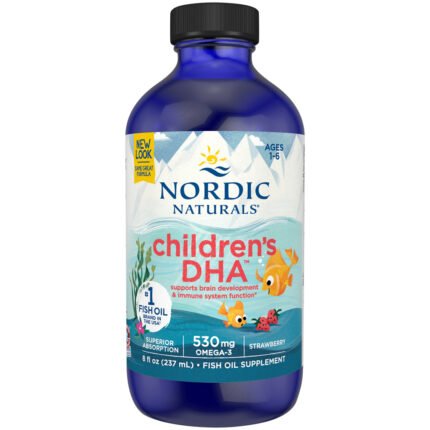
Children’s DHA Liquid – Strawberry (8 fl. oz.)
Original price was: $34.99.$27.99Current price is: $27.99.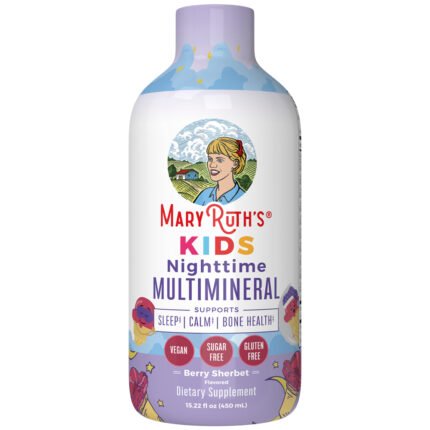
▼ Click here to read the full Kids Vitamins & Supplements guide — comparison tables and FAQs
What belongs in a children's vitamins and supplements category?
A children's nutrition category usually brings together products designed for younger age groups, but the category name is broader than any individual formula. A vitamin product, a mineral mixture and an omega-3 liquid supply different ingredients. They should not be treated as interchangeable ways to achieve the same outcome. The useful first question is what the product actually contains and why a qualified professional would consider it appropriate for the particular child.
This category also includes a product explicitly described as homeopathic medicine. That distinction matters because it is not simply another vitamin or mineral choice. Store placement is a browsing arrangement, not a medical classification or endorsement. Start with the actual product type, then assess whether its intended use, age directions and supporting evidence match the question you are trying to address.
Which children's products are listed here?
The Children's DHA Liquid in Strawberry is listed in an eight-fluid-ounce format. The Kids Liquid Nighttime Multimineral in Berry Sherbet is listed as 15.22 fluid ounces and thirty servings. Those title details identify the presentation; they do not establish the correct amount for every child or confirm a complete ingredient profile.
The AllergyCalm Kids listing names sixty tablets and describes a homeopathic medicine. Its symptom wording is part of the product title, not evidence that it effectively treats those symptoms. Compare the three examples as distinct products rather than a single ranked list of interchangeable children's supplements.
| Listed example | Product identity from the title | Important distinction |
|---|---|---|
| Children's DHA Liquid, Strawberry, eight fluid ounces | A children's DHA liquid | An omega-3 product is different from a multivitamin |
| Kids Liquid Nighttime Multimineral, Berry Sherbet | A liquid mineral mixture with a thirty-serving title | Nighttime wording does not prove a sleep effect |
| AllergyCalm Kids, sixty tablets | A product labeled homeopathic medicine | It is not a vitamin, mineral or ordinary dietary supplement |
How are vitamins, minerals and DHA different?
Vitamins and minerals are different classes of nutrients, while DHA belongs to the omega-3 fatty acid family. That basic distinction helps explain why a liquid DHA product is not a substitute for a mineral mixture. Similarly, a multimineral does not automatically provide a full range of vitamins. The title of one product cannot be used to fill in nutrients missing from another product's label.
For shopping purposes, think in terms of the specific nutrient question rather than the broad children's category. Is a professional asking you to compare a particular vitamin, review a mineral intake or consider an omega-3 product? A focused question leads to a more useful comparison. Buying several different products because they all appear to support general wellness can create overlap without addressing any identified need.
Does every child need a daily supplement?
There is no category-wide purchase recommendation that fits every child. Diet, age, medical history, feeding patterns and professional advice all affect the decision. A product being designed for children does not establish that it is needed by a particular child. It also does not replace the role of meals and snacks in an overall eating pattern. Supplements should be considered in that broader context.
A useful starting point is to describe the actual concern to the child's healthcare professional. For example, a restrictive eating pattern and a confirmed nutrient deficiency are different situations, even if both lead a parent to browse a vitamins category. Bring the child's current products and relevant food information to that discussion. The goal is a clear plan that identifies what, if anything, is appropriate and how it should be used.
What should I understand about a children's DHA liquid?
DHA liquid is a format for delivering a particular type of fatty acid; the liquid form by itself does not establish the amount of DHA in a serving. Bottle volume, serving volume and DHA quantity are separate measurements. An eight-fluid-ounce bottle describes the size of the container, while a label may describe the amount of DHA in milligrams for a specified portion. Keep those units separate when comparing products.
The strawberry flavor in the sampled listing may be relevant to preference, but flavor does not establish suitability for a child with an allergy or dietary restriction. Confirm the source ingredients, other ingredients and allergen information for the actual product. A pediatrician or pharmacist can help interpret the formula in the context of the child's diet and any other products already being used.
What does nighttime multimineral mean?
Nighttime multimineral combines a product positioning phrase with a description of the formula category. Multimineral suggests that more than one mineral is included, but only the full label can identify the minerals and their amounts. Nighttime wording does not automatically mean that the product contains melatonin, and it does not demonstrate that the product will solve sleep problems. Do not infer an ingredient or an effect from the name alone.
When discussing the listed Berry Sherbet liquid with a professional, bring the full ingredient panel and age directions. Ask how it would fit with food, a multivitamin or any existing mineral product. If the original concern is persistent difficulty sleeping, describe that concern directly rather than assuming a mineral mixture is the appropriate response. Product comparison and evaluation of a symptom are different tasks.
Why is homeopathic medicine different from a supplement?
The AllergyCalm Kids listing is explicitly labeled homeopathic medicine, so it should be evaluated as that product type. The FDA explains that no homeopathic products are FDA-approved. Its presence beside children's nutrition products does not change that regulatory and evidence distinction. A symptom claim in a title is not the same as demonstrated effectiveness for a child's symptoms.
If a child has ongoing allergy symptoms, discuss evidence-based evaluation and treatment options with a qualified clinician. Do not let an unverified product claim delay appropriate care. When comparing the listing, keep its homeopathic identity visible in your notes rather than grouping it under a general heading such as vitamins for allergies. That more accurate description helps a pharmacist or pediatrician give advice about the actual product you are considering.
| Question | DHA liquid | Multimineral liquid | Homeopathic medicine listing |
|---|---|---|---|
| What is being compared? | A fatty-acid formula | A mineral mixture | A different medicine category |
| What does the package size tell me? | Total liquid volume | Total liquid volume and a stated serving count | Number of tablets in the title |
| What still needs checking? | DHA amount, source and age directions | Individual mineral amounts and age directions | Full labeling and evidence-based alternatives |
| What should not be assumed? | That it replaces a multivitamin | That nighttime guarantees better sleep | That symptom wording proves effectiveness |
How do age directions affect the choice?
Children at different developmental stages may have different needs and different abilities to use a product. A broad word such as kids does not provide a complete age range. Read the specific age directions, warnings and instructions on the product being considered. Do not adapt an adult product or another child's routine simply by estimating a smaller amount. The appropriate plan should come from the label and qualified individual guidance.
Age also affects practical handling. A child who dislikes one texture may manage another differently, and swallowing tablets raises a different question from taking a measured liquid. These format preferences can be discussed after the suitability of the product has been established. A pleasant flavor or convenient presentation should support an appropriate plan, rather than becoming the reason to choose an otherwise unsuitable product.
How can parents compare liquid serving information accurately?
Separate the bottle size from the serving size. A large bottle can have a small directed portion, while a smaller bottle can contain a different concentration. Fluid ounces describe volume, not the amount of every active nutrient. To compare two liquids fairly, identify the nutrient amount per directed serving and then check the volume used for that serving. The number of servings follows from those details, not from bottle appearance.
Use the measuring method specified for the product. If instructions are unclear, ask a pharmacist how to interpret them before use. A kitchen spoon should not be treated as a precise measuring tool simply because the product is liquid. When more than one caregiver is involved, keep the agreed instructions together with the product so that everyone is working from the same information.
How do I avoid overlapping nutrients?
Make a complete list of products the child already uses, including multivitamins, single vitamins, mineral liquids and any foods or drinks with added nutrients that are relevant to the discussion. Then show the labels to the child's healthcare professional. Overlap can be difficult to see from front-of-package names because two differently branded products may supply the same nutrient in different combinations.
A multimineral and a multivitamin are particularly easy to compare incompletely if you focus only on their names. One may contain minerals also present in the other. Similarly, an individual vitamin may be included in a broader formula. The practical aim is not to create the longest possible routine; it is to understand the total plan and avoid unnecessary additions that were never assessed together.
Which ingredient details matter for dietary restrictions?
Review both the main nutrient ingredients and the other ingredients. Flavorings, sweeteners, carriers and capsule or tablet components can matter to a family's dietary preferences. An allergen concern requires especially careful product-specific confirmation. A strawberry or berry flavor name does not identify every ingredient, and a cheerful children's design does not establish that a product is free of a particular allergen.
If a restriction is medically important, rely on current, readable labeling and qualified clarification rather than an old photograph or an assumption about a brand. Formulas can change. A source ingredient that matters for one DHA product may differ from another, so avoid transferring information from a separate item. Record the exact product and version when asking the manufacturer or store a question.
| Information to collect | Where it helps | Useful question for a professional |
|---|---|---|
| Child's age and current concern | Establishes the context | Is any supplement appropriate for this situation? |
| Full label of the proposed product | Shows the actual formula | Which ingredients and amounts matter here? |
| Existing vitamins, minerals and medicines | Reveals possible overlap | Does this duplicate or conflict with anything already used? |
| Relevant dietary restrictions | Guides ingredient review | Is this exact formula suitable for the restriction? |
| Serving and measuring instructions | Supports clear caregiver communication | How should these directions be interpreted? |
| Specific symptom history when relevant | Separates shopping from evaluation | Does this concern need assessment rather than another product? |
How should a family compare product value?
Price per bottle is only the starting point. A meaningful comparison uses the number of appropriate directed servings for the relevant age, where that information is clearly available. Two liquids may have different bottle sizes and different concentrations, making a simple larger-is-better comparison unreliable. A lower price also does not make an unnecessary product useful. Establish suitability before calculating the cost of a routine.
For the listed multimineral, thirty servings is wording in the title, not a personalized promise of thirty days for every child. Check the age-specific directions and current label before translating servings into a calendar estimate. The same principle applies to tablets: sixty tablets does not automatically mean sixty uses. Value becomes clearer only after the actual unit and instructions are understood.
What does a balanced food-first discussion look like?
A useful conversation about children's nutrition starts with the foods and drinks the child actually consumes, the foods they avoid and any feeding difficulties the family faces. This is more informative than treating a supplement as a stand-in for the entire diet. A healthcare professional may be able to distinguish an ordinary preference from a pattern that needs a more detailed nutrition assessment.
Keep that discussion practical and nonjudgmental. Parents may be balancing cost, access, sensory preferences, school schedules and medical advice. A supplement decision can be one part of a plan, but it should not erase those wider considerations. When browsing this category, use the products as specific options to discuss, rather than treating the category itself as evidence that a daily purchase is required.
How can caregivers keep the routine clear?
Where a product has been recommended, write down the exact name, the agreed instructions and who is responsible for giving it. This is especially useful when a child moves between households or has several caregivers. Similar-looking bottles and overlapping product names can create confusion. Keeping the actual label available is more reliable than relying on a memory such as the berry liquid or the nighttime bottle.
Store products according to their packaging and keep them out of children's reach. A pleasant flavor does not make a vitamin, mineral or medicine a snack. Check any refrigeration and opening instructions specific to the liquid rather than assuming all products have the same handling needs. If a caregiver is uncertain whether a dose has already been given, seek professional guidance instead of improvising an extra amount.
How do I read marketing claims with a clearer perspective?
Separate three layers: the product name, the measurable formula and the evidence for an outcome. A name may contain words about nighttime, wellness or a symptom, while the formula lists ingredients and amounts. Evidence is a different question that depends on the specific product or ingredient, the population studied and the outcome measured. None of these layers should silently replace the others.
The NIH Office of Dietary Supplements overview is a useful starting point for general supplement questions. Use independent information alongside professional guidance rather than relying entirely on a sales description. For a child, a careful comparison should explain what remains uncertain as well as what the label clearly states. That is more useful than assuming that every children's product offers the same broad benefits.
| Marketing wording | Clearer interpretation | What to investigate next |
|---|---|---|
| Children's or kids | A product presented for younger users | Exact ages and directions on the label |
| Nighttime | A positioning phrase | Formula, intended use and professional advice |
| Strawberry or Berry Sherbet | A named flavor | Complete ingredients and dietary suitability |
| Multimineral | More than one mineral may be included | Individual nutrients and their amounts |
| Symptom wording on a homeopathic listing | A manufacturer's product claim | Evidence and appropriate clinical options |
| Thirty servings | A package-related statement | Directed serving for the relevant age |
Frequently asked questions about children's vitamins and supplements
Is DHA a multivitamin?
No. DHA is an omega-3 fatty acid, while a multivitamin is a different type of nutrient mixture. A DHA liquid should not be expected to provide the contents of a multivitamin unless its actual label explicitly includes additional nutrients. If you are unsure what a child needs, ask the pediatrician to identify the specific nutrition question before comparing products by format or flavor.
Does a nighttime mineral liquid contain melatonin?
That cannot be established from nighttime wording alone. Read the full ingredient panel for the actual product. Do not add, avoid or describe an ingredient on the basis of a marketing phrase. If sleep is the concern, bring that concern and the proposed formula to the child's healthcare professional so the discussion addresses the child's situation rather than a presumed effect of the name.
Is AllergyCalm Kids another children's vitamin?
No. The listing calls it homeopathic medicine, which is a different product type. Its placement in this archive does not turn it into a vitamin or establish effectiveness. A pharmacist or pediatrician can help parents distinguish a medicine claim from a nutrient product and discuss appropriate options for the symptoms involved. Persistent or concerning symptoms deserve assessment rather than assumptions based on category placement.
Can two children share the same bottle?
Do not assume the same directions apply to both children. Age, medical circumstances and the product's instructions matter. If a professional has recommended the product for each child, keep their individual directions clear and follow the package's measuring and handling instructions. Sharing a household does not mean sharing an identical nutrition plan, and a bottle's total volume does not determine the amount for each person.
Are liquids automatically better than tablets?
Neither format is universally better. A liquid can be convenient for some routines, while tablets involve a different method of use. Suitability, age directions, formula and accurate administration matter more than a general preference for one format. Choose the presentation after establishing that the actual product is appropriate, and ask a professional about any swallowing or measuring concerns specific to the child.
Should I choose the product with the most nutrients?
A longer ingredient list is not automatically a better fit. It can make overlap harder to assess when other products are already in use. Focus on the identified need and the total plan reviewed with a qualified professional. A narrowly targeted product and a broad mixture answer different questions; neither is preferable merely because the label contains more lines.
What if the product page does not show a readable label?
Ask for the current label or confirm the details with the manufacturer before using the product for a child. The title is useful for identifying the item but is not enough to establish age directions, ingredient amounts or warnings. Keep a record of the precise product name and format so that any clarification refers to the same version you are considering purchasing.
What information should I bring to an appointment?
Bring photographs of every side of the package, including the complete ingredient panel and directions, along with a list of products already being used. Explain what you hope the product will address and how long the concern has been present. This gives the professional a specific question to answer and avoids a discussion based only on a familiar brand, a flavor or a broad category name.
A practical checklist before choosing a children's product
A good comparison should leave you with a clear product identity, a reason for considering it and a plan for resolving any unanswered questions. It does not need to end with a purchase. Sometimes the most useful result is recognizing that a symptom needs evaluation, a formula duplicates an existing product or a label does not yet provide enough information for an informed decision.
| Step | What to establish | Why it matters |
|---|---|---|
| Identify the product type | DHA, multimineral or homeopathic medicine | Prevents treating unlike products as equivalents |
| Clarify the child's need | A specific question discussed with a professional | Keeps the choice focused |
| Review age directions | Current instructions for the exact product | Avoids estimating from broad kids wording |
| Check the complete routine | Existing supplements and medicines | Makes overlap visible |
| Confirm ingredients and handling | Relevant restrictions, measuring and storage | Supports practical, informed use |
| Resolve uncertainty | Current label and qualified advice | Gives the family a clear next step |
For broader browsing, the Vitamins & Supplements department includes other nutrient categories, but adult products should not be transferred to a child's routine by assumption. Use the individual pages above to identify the exact children's listing and bring its information into a careful, age-appropriate discussion.