





Compare amino acid supplements by the actual ingredient, serving format and label details. This category includes glycine, L-lysine, glutathione formulas and related specialty products. Explore capsule and packet options, then use the guide below to distinguish single ingredients from blends before choosing a product.
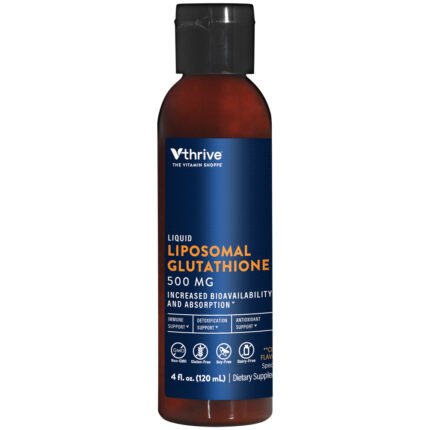
Liquid Liposomal Glutathione – 500 MG – Citrus (4 fl. oz.)
Original price was: $44.99.$35.99Current price is: $35.99.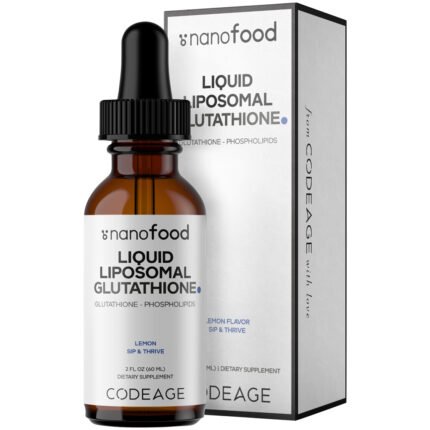


▼ Click here to read the full Amino Acids guide — comparison tables and FAQs
What does the Amino Acids collection include?
This amino acids category brings together several kinds of ingredients rather than one interchangeable family of workout powders. Glycine and L-lysine are named amino acids. Glutathione is a compound made from amino acids, and a branded muscle-building formula may contain a different type of ingredient altogether. A shared category placement is a browsing convenience; it does not establish that every item has the same composition or purpose. Start with the specific ingredient you are seeking and use the product page to identify its exact form.
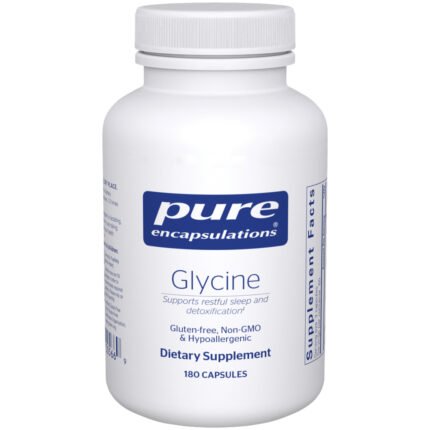
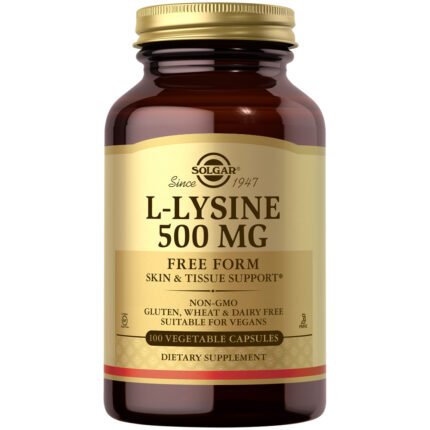
The glycine listing names 1500mg and 180 capsules. The L-lysine listing names a free-form 500 MG ingredient and 100 vegetarian capsules. Those are different substances, so comparing 1500 with 500 does not tell you which product is stronger, better, or more appropriate. The number only becomes meaningful alongside the ingredient identity and the serving instructions. Capsule count also measures the number of physical units in the bottle, not the number of days a personal plan should last.
| Product type | Details named in the current examples | Useful comparison question |
|---|---|---|
| Glycine | 1500mg; 180 capsules in the listed title | Check serving size before interpreting the amount |
| L-lysine | Free Form; 500 MG; 100 vegetarian capsules | Distinguish a single ingredient from a combination |
| Glutathione capsules | Several liposomal capsule listings | Compare full formula and amount per serving |
| Glutathione packets | Citrus Vanilla; 12 packets | Check preparation and other ingredients |
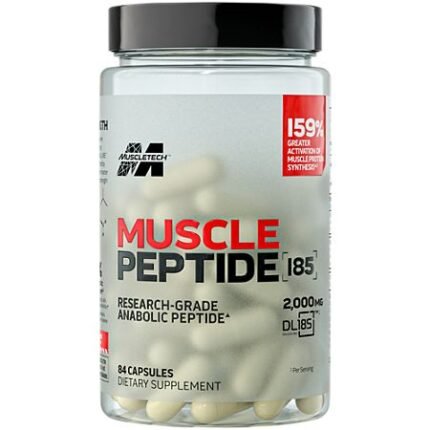
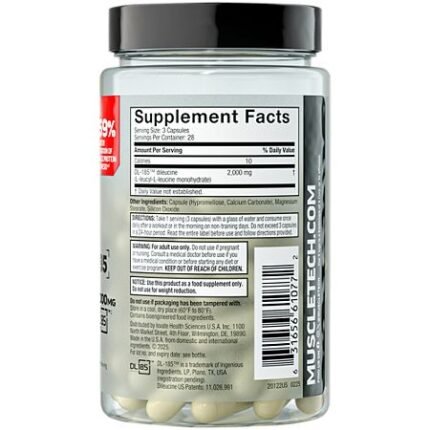
| Specialty muscle formula | Mediator named in the title | Read the actual ingredient panel first |
How do the formats differ?
Glutathione appears here in more than one capsule listing and in citrus vanilla packets. Those options create a real format choice. Capsules may suit a person who prefers to avoid a flavored drink. Packets may suit someone who prefers a measured portable format. Neither format establishes better absorption, greater benefit or equivalent ingredient amounts. Liposomal wording describes a formulation approach claimed by the product; it is not a reason to assume that two otherwise different labels deliver the same experience.
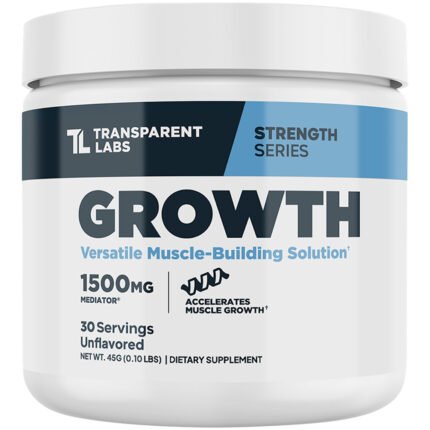
The Growth Versatile Muscle Building Solution title mentions Mediator and muscle growth. Keep that product separate from a simple glycine or lysine comparison until you have reviewed the actual Supplement Facts. A promotional title is not an ingredient analysis or an outcome guarantee. If your search is for essential amino acids, BCAA powders, or a complete protein source, confirm that the chosen label actually matches that request. A product can appear in a broad amino-acid archive without being the specific type you had in mind.
Food protein and a single amino acid supplement answer different shopping questions. A protein food or complete protein product contains a mixture of amino acids within its own nutritional context. A glycine capsule does not replace that context, and a glutathione formula is not a meal. For training-related browsing, compare this archive with the separate amino acids and recovery category, while recognizing that overlapping category names do not make their individual products identical.
What do amino acid names tell you before you compare products?
An ingredient name is the most useful starting point in this collection because it narrows a very broad search. Someone searching for glycine capsules already has a different question from someone searching for a citrus-flavored glutathione packet. Keep the full name in your comparison notes. If the label includes an additional form, such as reduced glutathione or free-form L-lysine, record that wording too. Shortening every product to an amino supplement removes information that may matter when you compare labels or ask a pharmacist to review a formula.
An essential amino acid, a peptide-related ingredient and a specialty sports ingredient should not be treated as a single product class merely because they are nearby on the page. The distinction also helps with search results. A search for amino acid capsules may return a useful physical format without identifying the ingredient you wanted. A search for glutathione supplements may return several delivery formats without telling you whether their formulas match. Move from the broad search phrase to a precise product description before deciding which listing deserves further attention.
Is an amino acid capsule the same as a protein powder?
No. A capsule listing centered on one ingredient is a different purchase from a protein powder sold with a protein amount and a serving size. If your purpose is comparing ordinary dietary protein products, the protein category is the more direct starting point. If you have a specific question about L-lysine or glycine, a dedicated ingredient listing is easier to investigate. Buying both without defining their different roles can create expense and complexity without answering the original question.
This distinction is especially useful for shoppers attracted by muscle-related language. A phrase about growth in a product title does not turn a formula into a complete protein source. Nor does a larger milligram number tell you how much protein a meal should contain. The correct comparison is between products of the same kind, using the same serving basis. Once the product type is clear, you can assess flavor, capsule count or portability without confusing those practical preferences with nutritional equivalence.
How should you compare glutathione capsules with packets?
Make two separate lists: composition details and routine details. Composition includes the precise glutathione wording, the amount per labeled serving, the other named components and any formulation claims. Routine details include how the product is taken, whether it is flavored, how many physical units are supplied and what preparation is required. A product that fits your routine may be easier to manage, but that preference does not resolve the composition questions. Both lists matter, and neither needs to be reduced to a simplistic best-format ranking.
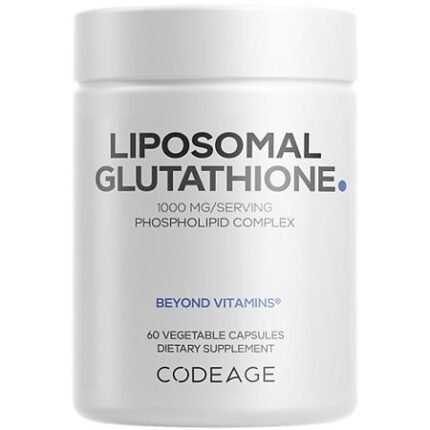
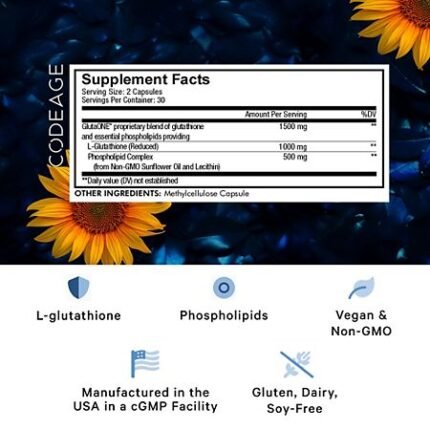
The GlutaONE listing explicitly mentions reduced L-glutathione and a phospholipid complex in its title. The other liposomal capsule title is shorter. A shorter title does not prove a simpler formula, and a longer title does not prove a more effective one. Open both product pages and look for the actual panel. If a detail you need is absent, ask for the current label rather than filling the gap from an unrelated product with a similar name.
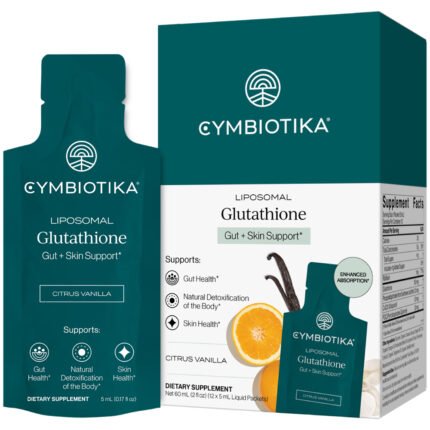
The citrus vanilla packet listing names twelve packets. That is useful for understanding how the product is packaged, especially if you prefer individual portions. It does not establish that one packet equals the serving of either capsule product. Preparation instructions, ingredient amounts and other ingredients may differ. If you are sensitive to a flavor component or have a dietary restriction, the packet's other-ingredients section deserves the same attention as its headline ingredient.
What does a fair value comparison look like for amino acid products?
Price per capsule is a packaging comparison. Price per labeled serving is a closer formula comparison, provided you are comparing the same kind of ingredient. Price per gram of a named component can sometimes be informative when the amount is clearly disclosed, but it still does not establish personal value or suitability. Avoid comparing the cost of glycine and glutathione simply by their total milligrams. They are different ingredients, so the cheapest milligram is not a sensible universal buying target.
For repeat purchases, keep a record of the exact product, the label version you reviewed and the reason it was selected. A new package design, different count or changed subtitle can be a signal to recheck rather than an automatic reason to reorder. This is a practical way to prevent accidental substitutions. It also makes it easier to explain a question to a manufacturer because you can identify the bottle or packet precisely instead of referring only to an amino acid product.
Should several amino acid formulas be combined?
A category page cannot establish that a combination is appropriate. Begin by listing all ingredients and servings already used in your routine, including protein products and other supplements. Then identify what new question the additional product would answer. If there is no clear answer, adding complexity may make the routine harder to understand. When a health condition, prescribed medicine, pregnancy or specialized training requirement is relevant, review the proposed combination with a qualified professional before purchase.
Does liposomal wording prove better results?
Liposomal wording identifies a formulation claim, not a universal outcome. Useful supporting information would need to relate to the actual finished product or a clearly matched preparation, rather than to an unrelated ingredient in a laboratory setting. You can still compare a liposomal listing on practical grounds, such as capsule format or packet portability, while keeping an open question about claims that are not documented on the product page. That is more informative than assuming either that every such product is superior or that all delivery formats are equivalent.
Are the amounts in the product titles personal dosing instructions?
No. A title is a way to identify a listing. Its amount may refer to a capsule, a serving or a particular part of the formula, and the full panel is needed to understand that basis. It also does not account for your circumstances or other products. Use the title to find the exact item, then read the directions and seek individualized advice where appropriate. Do not construct a dosing plan by choosing whichever number looks closest to a search result.
How can I find the right amino acid listing faster?
Combine the ingredient name with a meaningful format term, such as glycine capsules, free-form L-lysine, liposomal glutathione capsules or glutathione packets. After opening a result, compare the full title and panel with your notes. If your question is about workout powders rather than the ingredients represented here, explore the related sports nutrition categories. Precise browsing saves time and helps you avoid buying a broad category match that does not answer your specific ingredient question.
Which current product examples are worth comparing?
The examples below identify specific listings represented in this collection. They are a starting point for browsing, not a promise of current stock or an exhaustive inventory. Open the product page for its current price, label and availability. The title details are kept distinct from personal recommendations.
Glycine 1500mg (180 Capsules)
Glycine is the named ingredient to follow here, rather than a broad recovery slogan. If you are comparing this bottle with another glycine listing, match the serving basis and complete ingredient panel before comparing the package count. Do not extend the stated 1500mg to an assumption about every capsule without checking the label. See the Glycine 1500mg (180 Capsules) product page to check the current listing.
Growth Versatile Muscle Building Solution - 1500 mg Mediator - Accelerates Muscle Growth - Unflavored (30 Servings)
The Mediator wording marks this as a specialty formula requiring its own review. It should not be quietly treated as another simple amino acid capsule. Separate the promotional muscle-growth phrasing from the measurable facts, then investigate what the finished product actually contains and what evidence is offered for any claimed outcome. See the Growth Versatile Muscle Building Solution - 1500 mg Mediator - Accelerates Muscle Growth - Unflavored (30 Servings) product page to check the current listing.
Liposomal Glutathione - GlutaONE L-Glutathione Reduced & Phospholipid Complex - 1,000 MG (60 Capsules)
This longer glutathione title includes GlutaONE, reduced L-glutathione and a phospholipid complex. Those words help distinguish the listing from the shorter capsule title. They do not establish equivalence to another formula or a guaranteed advantage. Match all relevant details on the current label before considering a substitution. See the Liposomal Glutathione - GlutaONE L-Glutathione Reduced & Phospholipid Complex - 1,000 MG (60 Capsules) product page to check the current listing.
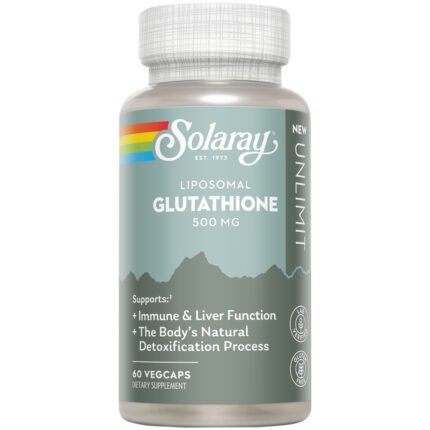
Liposomal Glutathione (60 Capsules)
The shorter liposomal glutathione title leaves several questions open. A similar capsule count does not prove the same amount or supporting ingredients as the other listing. Use the product page to fill those gaps and request the current panel if necessary, rather than assuming that a shorter title means fewer ingredients. See the Liposomal Glutathione (60 Capsules) product page to check the current listing.
Liposomal Glutathione - Gut & Skin Support - Citrus Vanilla (12 Packets)
The packet format introduces flavor and preparation questions that do not apply in the same way to a capsule. Check what one packet contains, how it is intended to be used and whether the other ingredients fit your preferences. Twelve packets should be understood as a package count until the label clarifies the serving definition. See the Liposomal Glutathione - Gut & Skin Support - Citrus Vanilla (12 Packets) product page to check the current listing.
L-Lysine - Free Form - 500 MG (100 Vegetarian Capsules)
The free-form L-lysine listing is a focused ingredient option, with a different identity from glycine or glutathione. Vegetarian capsule wording belongs to this particular product description. Review the complete formula if a dietary preference matters, and do not infer a shared composition from nearby products in the archive. See the L-Lysine - Free Form - 500 MG (100 Vegetarian Capsules) product page to check the current listing.
How can you organize a comparison before buying?
| Comparison field | What to record | What the field cannot establish |
|---|---|---|
| Exact ingredient | The full name and form on the current panel | That another ingredient is interchangeable |
| Labeled serving | The stated number of capsules, pieces or measured portion | A personal amount or treatment schedule |
| Package size | The count, weight or volume actually supplied | The number of days suitable for every person |
| Complete formula | Active components and other ingredients | Suitability based on a headline alone |
| Evidence and documentation | Information tied to the exact product or preparation | A guaranteed outcome for an individual |
A useful comparison sheet does not need to be elaborate. Give each product its own column and leave missing details blank until they can be verified. This prevents assumptions from quietly becoming facts. If two labels express amounts on different serving bases, make that difference visible before comparing prices. If the products contain different ingredients, keep the price comparison separate from any claim that they do the same thing.
For this collection, start with ingredient identity. Then consider single ingredient versus specialty formula and capsule count versus serving count. These questions help narrow the page to products that actually match the purpose of your search. Only after that narrowing step does it make sense to compare a preferred physical format, the current package size and the price displayed on the individual listing.
Which questions should you ask about the label?
| Question | Why it is useful | Next step |
|---|---|---|
| What is the exact product type? | A broad category can contain different kinds of formulas | Match the full title with the current panel |
| How is the amount expressed? | A title may not reveal the serving basis | Read the serving size and amount per serving together |
| What else is included? | Additional ingredients may matter to your preferences | Review the complete formula and other ingredients |
| Is the claim specific? | Broad benefit language can hide important distinctions | Ask what evidence relates to the selected preparation |
| Is anything unclear? | An unanswered question should stay unanswered | Request the current label or a manufacturer explanation |
The most useful label review is tied to a real question. In this category that may involve glutathione delivery format, free-form wording or athletic claims versus label facts. Write the question in plain language before contacting a manufacturer. A focused request for the serving definition or complete ingredient list is easier to answer than a general request for the best supplement. Keep the response with the exact product record so that information from one formula is not accidentally applied to another.
How do you assess cost without confusing it with suitability?
| Price comparison | When it can help | Important limit |
|---|---|---|
| Price per package | Comparing the immediate purchase cost | Different packages can contain different numbers of servings |
| Price per labeled serving | Comparing the same product type on a clearer basis | Serving definitions and formulas may still differ |
| Price per named ingredient amount | Only when the same ingredient and basis are clearly stated | A cheaper milligram does not prove a better choice |
| Repeat-purchase comparison | Checking an exact replacement against an earlier purchase | A familiar title can still accompany a changed formula |
| Format preference | Considering preparation and everyday convenience | Convenience does not establish a health benefit |
Use the live product page for current pricing rather than a number copied from an old review or search snippet. If you are comparing different formats, include any practical preparation requirements in your notes. The point is to understand the actual purchase, not to create false precision. A detailed calculation is only useful when its ingredient and serving assumptions are sound. Suitability should be established before a lower price becomes the deciding factor.
Where can you check reliable information and browse related products?
The NIH Office of Dietary Supplements reviews evidence for exercise supplements and notes that research findings differ by ingredient. That is a useful reminder to evaluate a particular formula rather than assuming every product in an amino acid category improves performance. The NIH ingredient reference is a useful starting point for that specific issue. It does not replace the current product label or an individualized professional review.
For broader browsing, visit the related collection and return to the exact item that matches your ingredient and format requirements. Similar category names can be useful discovery paths, but the final comparison should always identify the actual formula. Keep the current label, the reason for interest and any unanswered questions together. That makes both a purchase decision and a later discussion with a manufacturer or health professional clearer.
| Stage | Useful action | Result |
|---|---|---|
| Define the search | Name the ingredient or product type you actually want | A narrower and more relevant shortlist |
| Inspect the listing | Check current label, format and package details | Fewer assumptions about composition |
| Resolve gaps | Ask a specific question about missing information | An answer tied to the actual product |
| Review personal context | Consider existing products and professional guidance where needed | A decision based on more than category wording |
| Choose deliberately | Compare the remaining suitable options on practical grounds | A clear record of why a product was selected |
A practical example: narrowing an amino acid search
Imagine that your first search is simply amino acid supplements. The results include the glycine bottle, the L-lysine bottle, the glutathione capsules and the flavored packets. Instead of ranking those results by bottle size, ask what ingredient you intended to investigate. If the answer is glycine, the relevant next step is the glycine label. The larger range of products remains useful for discovery, but it does not create a reason to buy an unrelated formula.
Now imagine that you are replacing an established glutathione product. The relevant comparison changes: you need the same ingredient description, amount per serving, supporting ingredients and format, or a clearly reviewed alternative. The twelve-packet citrus vanilla listing may be convenient, but convenience alone does not show that it matches a capsule formula. Likewise, two bottles containing sixty capsules are not automatically the same replacement. Keeping the original label beside the current one makes the differences easier to see.
These examples show why precise search terms help. Glycine capsule comparison, L-lysine free-form capsules and liposomal glutathione packets are more informative phrases than best amino supplement. Each points toward a defined product question. After that question is answered, package count and format preference become useful final filters. Before it is answered, those details can distract from the more important distinction between ingredients.