



Explore Snacks & Packaged Foods at Sprinkles Menu, with a closer look at mushroom jerky, label comparisons and practical snack planning. The current catalog example is Pan’s Mushroom Jerky in the Original variety. Its title contains conflicting pack and single-unit wording, so confirm the purchase quantity before ordering. This guide explains snack formats, portions, ingredients and everyday uses without inventing stock, dietary certifications or package contents.

▼ Click here to read the full Snacks & Packaged Foods guide — comparison tables and FAQs
What belongs in the Snacks & Packaged Foods category?
Snacks and packaged foods are purchased for many different occasions: a break between activities, a lunch addition, a shared table or something convenient to carry. The category name describes a shopping department rather than a nutritional standard. A product can be packaged and convenient while still requiring an individual decision about ingredients, portion size, taste and suitability.
The current example provided in this category is Pan's Mushroom Jerky, Original. The listing title includes 2.2ounce, Pack of 4 and Single unit wording. Those details do not fit together clearly enough to state how many bags will be supplied. Check the full product information and ask the store to resolve the quantity before ordering if the page remains ambiguous.
This guide focuses on the actual mushroom jerky example while explaining comparison methods that can be used for packaged snacks generally. It does not imply that a broad selection of chips, nuts, bars, crackers or other snack types is currently available here. The product grid and current product pages establish the catalog at the time you shop.
What can you identify from the current snack example?
| Detail | Information available from the title | What still needs confirmation |
|---|---|---|
| Brand | Pan's | Exact current package and version |
| Product style | Mushroom jerky | Complete ingredients and preparation details |
| Variety | Original | Flavor description and current label |
| Stated size wording | 2.2ounce | How that size relates to the supplied unit |
| Purchase quantity | Conflicting Pack of 4 and Single unit wording | Number of bags included in the order |
What is mushroom jerky, and how should you compare it with other snacks?
Mushroom jerky is a snack format identified by its mushroom ingredient and jerky-style presentation. The word jerky often leads shoppers to expect a particular chew or savory eating experience, but it should not be used to infer the exact recipe, protein quantity or nutrition profile. Those details depend on the specific product and belong to its current label.
A mushroom-based snack should not automatically inherit the nutritional characteristics of meat jerky. Likewise, the presence of mushrooms does not establish that the complete product is suitable for every plant-based diet, allergy requirement or dietary preference. Check the full ingredient list and any explicit certification claims on the exact package. A headline ingredient tells only part of the story.
Texture can be an important reason to choose a snack. Some people want a chewy bite, while others prefer something crisp or soft. The category title does not establish how firm a particular batch or product will feel. If texture is especially important, look for the manufacturer's description of the exact variety or ask for clarification rather than relying on a photograph.
Original is a variety name, not a complete flavor specification. It does not necessarily mean unseasoned, mild, low in sodium or free from sweetening ingredients. Read the product description and ingredient list for the characteristics that matter to you. Avoid comparing varieties by assumptions about their names when the actual formulation information is available.
Why does the conflicting pack description matter?
A clear purchase requires agreement between the item description, the cart unit and the quantity supplied. In this listing, Pack of 4 and Single unit could be interpreted in more than one way. It would be misleading to choose an interpretation without confirmation. A single unit might refer to a bag or a pack, but the title alone does not settle the question.
Do not calculate a delivered total of 8.8 ounces unless the store confirms that four 2.2-ounce bags are included. Equally, do not promise that only one 2.2-ounce bag will arrive merely because the title ends with Single unit. The honest response to conflicting information is to identify the ambiguity and obtain the missing detail.
The same principle applies to price comparisons. A price per bag or per ounce requires a confirmed quantity. If the unit is unclear, a low-looking price may not represent the value you think it does. Resolve the purchase format first, then calculate the comparison. This prevents a mathematical exercise from giving false confidence to an uncertain premise.
When asking the store, use the exact product link and a direct question: How many individually packaged bags are included in one cart unit, and what is the net weight of each bag? That question distinguishes the quantity of retail bags from the number entered in the cart. A product image showing several packages is not a substitute for a written answer.
Which quantity terms should be kept separate?
| Term | What it describes | Why it matters |
|---|---|---|
| Net weight | Amount of food in the identified package | Needed for a valid weight comparison |
| Bags per purchase unit | Number of separate bags supplied | Determines what one listing unit contains |
| Cart quantity | Number of listing units ordered | May multiply a bag or a confirmed pack |
| Servings per container | Label-based portion information | Different from bags or cart units |
| Total food purchased | Confirmed package weight multiplied by confirmed count | Cannot be calculated reliably from conflicting wording |
How do you read a packaged snack's Nutrition Facts panel?
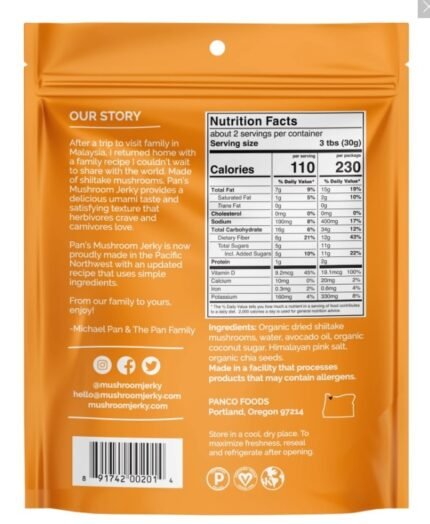
Begin with serving size and servings per container. The FDA guide to serving size on the Nutrition Facts label explains that nutrition information is usually presented for one serving, while some labels also provide package information. A bag and a labeled serving are not necessarily the same quantity.
Once you know the basis of the numbers, read the nutrients relevant to your own comparison. Calories, sodium, total carbohydrate, dietary fiber, total sugars, added sugars, protein and fat are different measurements. Do not use one headline number to describe the whole product as healthy or unhealthy. The useful question is how the actual amount you plan to eat fits your preferences or any advice you follow.
If you compare two snacks, first align the portions. One label may describe a smaller serving than another. A lower number on the first label might reflect that smaller amount rather than a meaningful difference in the food. Comparing similar weights or your actual intended portions makes the numbers easier to interpret.
This category guide does not supply nutrition values for the Pan's listing because the title does not establish them. A mushroom ingredient, a jerky-style name or an Original variety cannot be used to invent grams of protein, sugar or sodium. Use the current package and seek a readable label image when the information is missing from the product page.
What is the difference between ingredients, allergens and dietary claims?
The ingredient list explains what is used in the product, while allergen information and dietary claims address related but different questions. A shopper avoiding a particular ingredient should read the whole list, including ingredients used in seasonings or flavoring mixtures when they are declared. Do not stop at the main ingredient or assume that a savory snack has a simple recipe.
A dietary phrase such as vegan, gluten-free or organic should be checked on the exact product rather than inferred from mushrooms. Different claims have different meanings, and one does not automatically establish the others. This guide does not assign those claims to the current listing without verified package information.
People with food allergies may need more than a general product description. The exact allergen declaration, manufacturer information and any relevant shared-equipment or facility information can matter. If an important question is unresolved, ask before purchasing rather than treating the absence of a warning on a category page as an assurance.
Flavor names can also create assumptions. Original does not guarantee the absence of spices, sweeteners, soy ingredients or other components. If you are buying for someone else, ask about their requirements and compare the current package information with those requirements. A familiar snack style is not a reliable substitute for checking the individual product.
What information answers different dietary questions?
| Shopping question | Relevant information | Avoid assuming |
|---|---|---|
| What ingredients are used? | Complete current ingredient list | The headline ingredient is the whole recipe |
| Does it contain an allergen I avoid? | Allergen declaration and appropriate manufacturer details | No category warning means no risk |
| Does it meet a dietary preference? | Explicit current product claims and ingredients | Mushroom-based means every preferred standard is met |
| How much sodium or sugar is present? | Nutrition Facts and serving basis | Original means low sodium or unsweetened |
| Is a certification important? | Exact certification on the identified product | A brand-wide reputation certifies every item |
How can snacks fit into a practical lunch or break?
A snack can be chosen for convenience, taste, texture or the amount of time available. Before buying, decide the role it will play. Something intended as a small lunch addition may be chosen differently from food meant to cover a longer break. A category name cannot establish that a single packaged item is a complete meal.
Think about the other food already available. If you pack lunch, a snack may provide variety or a different texture without replacing the main meal. If you are shopping for a workplace drawer, packaging, storage directions and the ability to keep track of opened food may matter most. These practical questions can narrow the choice before comparing marketing language.
For a shared setting, individually sealed packages may be convenient if the confirmed purchase format supplies them. However, the current listing's unit ambiguity means you should not plan distribution around four separate bags until that count is confirmed. If sharing an opened bag, consider appropriate handling and the preferences or restrictions of the people involved.
Taste preferences are personal. A mushroom jerky product may appeal to someone seeking a savory, chewy-style snack, while another person may prefer a different texture. The goal is an informed selection rather than a universal recommendation. If the specific ingredient or style is unfamiliar, review the manufacturer's description of the exact product before assuming it will match another jerky you have tried.
What should you consider when carrying packaged snacks?
Check that the package can be transported without being crushed or punctured and that the storage directions suit the intended outing. A sealed bag may be easy to place in a lunch carrier, but convenience does not establish that every packaged food tolerates the same conditions. Read the instructions for the exact product and avoid guessing from the category.
Keep food separate from items that could damage or contaminate the package. If the snack is likely to be opened before the outing ends, consider how the remaining contents will be protected. Do not assume that a bag is resealable unless the package or manufacturer clearly says so. An outer photograph may not show the closure well enough to answer that question.
Plan for disposal or bringing the empty packaging home. This small detail is especially useful on a commute, at a desk or during an outing without convenient bins. It also helps keep partially used food from being forgotten in a bag. Follow the package instructions for storage after opening rather than relying on a general shelf-stable impression.
If you need snacks for several people, confirm the actual number of bags and portions before ordering. A personal snack purchase and a distribution plan are different tasks. The latter requires a clear count, knowledge of dietary requirements and enough food choices for the group. Do not let a pack photograph stand in for those checks.
Which practical questions help match a snack to the occasion?
| Occasion | Useful question | Detail to confirm |
|---|---|---|
| Packed lunch | Will this complement the other food? | Portion, ingredients and storage directions |
| Work drawer | Can unopened and opened food be managed clearly? | Package closure and after-opening instructions |
| Commute | Will the package travel without damage? | Size and packaging condition |
| Shared break | Is there enough for the planned distribution? | Confirmed bag count and serving information |
| Buying for someone else | Does it match their requirements? | Exact label and personal preferences |
How do you compare snack prices fairly?
Begin with a confirmed purchase quantity. For a product with clear net weight, divide the current price by the total ounces or grams supplied to obtain a unit-price comparison. If the listing contains multiple bags, confirm whether the stated weight applies to each bag or the entire purchase. The present Pan's title must be clarified before this calculation can produce a dependable result.
Price per ounce is useful when comparing different package sizes of the same product, but it does not describe taste, suitability or how much food a person wants at one time. A larger package may have a lower unit price while being less convenient for carrying or sharing. A smaller package may cost more per ounce yet better fit a particular occasion.
For different snack styles, numbers are only part of the comparison. A chewy mushroom snack, a crisp snack and a beverage can have different ingredients, textures and roles in a basket. Do not rank them by package weight alone. Compare what you actually want from the purchase, then use unit price to understand the transaction rather than to make every decision for you.
Review the checkout total as well. The category does not establish a delivery price, minimum order, subscription arrangement or discount. Current terms belong to the product page and checkout. A hypothetical calculation should never be confused with a live price promise from the store.
How can you shop this category when the selection is focused?
A focused category can still be useful when it gives you a clear route to the product you want. Here, the current example is a specific Original mushroom jerky listing. The most honest guide explains that item and the questions that matter, rather than describing a large assortment that is not reflected in the available examples.
If you want to build a broader grocery basket, visit Groceries & Pantry. You can also compare Bottled Water Multipacks and Single Bottled Water for separate beverage formats. These links help organize a purchase without implying that the snack and water form a nutritionally complete combination.
Use the current product grid to see whether additional snack items have been added. A guide written around the confirmed example should not be treated as a promise that every product mentioned in a general snack discussion is stocked. Likewise, a product appearing in the category does not guarantee immediate availability; the current listing and checkout establish the transaction.
If the product you want has incomplete information, ask a specific question rather than substituting assumptions. The exact bag count, readable ingredient label or storage instruction may be the only missing detail. Resolving that detail can make a focused category more useful than a large page of vague descriptions.
Frequently asked questions about snacks and mushroom jerky
Is mushroom jerky the same as meat jerky nutritionally?
Do not assume that. A shared jerky-style name does not establish equal protein, sodium, calories or ingredients. Compare the Nutrition Facts and ingredient lists of the exact products using a similar portion basis. The mushroom ingredient identifies part of the recipe, while the complete label explains the packaged food you are actually purchasing.
Does the Pan's listing supply one bag or four bags?
The current title contains both Pack of 4 and Single unit wording. That conflict must be clarified by the store or unambiguous purchase information before ordering. This guide does not choose one interpretation. Ask how many individual bags one cart unit contains and what the net weight of each supplied bag is.
Is a 2.2-ounce bag necessarily one serving?
No. Package net weight and labeled serving size answer different questions. Check the actual Nutrition Facts panel for servings per container and the serving measurement. If you eat a different amount from the labeled serving, the amount of nutrients consumed changes accordingly. Do not infer a serving count from the bag-size wording in a title.
Does Original mean there are no seasonings or sweeteners?
No such conclusion follows from a variety name. Original distinguishes a version but does not provide a recipe. Read the current ingredient list and nutrition information for the exact product. If a particular ingredient or nutrient is important, ask for the label rather than relying on how a flavor name sounds.
Is a mushroom snack automatically suitable for every plant-based diet?
The full product information must answer that question. A headline ingredient does not establish the complete formulation or every dietary claim. Look for explicit current labeling and check all ingredients relevant to your needs. If you are purchasing for another person, confirm their requirements rather than assuming that one general dietary term covers them all.
What should I check before checkout?
| Final check | Information needed | Why it matters |
|---|---|---|
| Product identity | Pan's Mushroom Jerky, Original version | Match the intended snack |
| Quantity | Confirmed individual bags per cart unit | Resolve the conflicting title |
| Weight | Net weight of each supplied package | Enable accurate value comparisons |
| Suitability | Current ingredients, allergens and nutrition | Match personal requirements |
| Purchase terms | Current price, availability and checkout information | Avoid invented stock or delivery assumptions |
How can you make repeat snack purchases easier?
Keep the exact product link or previous order information so that a future purchase can be compared with the same item. Brand, variety, net weight and confirmed bag count together provide a clearer identity than a general search for mushroom snacks. This is particularly helpful when a title has been clarified or a new package size is introduced.
Before reordering, check the current label and purchase description again. A packaging change may be cosmetic, while updated information may reveal a different quantity or formulation. Do not assume either complete sameness or a change in ingredients from a photograph alone. The current written details and label are the appropriate references.
Make a note of the features that actually mattered to you: texture, flavor description, portion convenience or ease of carrying. That record makes the next decision more concrete and reduces reliance on broad words such as premium or healthy. A useful category guide supports those practical comparisons without deciding everyone should prefer the same snack.
Finally, organize any food already available before adding more. Check opened packages, follow their storage instructions and avoid buying an amount that is awkward to manage. A clear understanding of the supplied unit, the food label and the intended occasion helps turn a simple snack order into a well-informed purchase.
How should you compare portion convenience with bulk quantity?
A larger total purchase and a convenient individual portion are different advantages. Several small bags, if that is the confirmed format, may be easier to distribute without opening the food. One larger bag may suit another setting, but it requires its own storage plan after opening. Compare the actual formats offered rather than assuming that a multipack or single bag is always preferable.
For a household, ask who is likely to eat the snack and where it will be used. For an office or gathering, consider whether separate portions are needed and whether everyone has the same dietary requirements. These questions should be answered before using a price-per-ounce figure as the main decision. Practical fit, clear labeling and confirmed quantity together make a more useful comparison than a low-looking price attached to an uncertain purchase unit.