





Shop beverages at Sprinkles Menu by drink type, flavor, container size, and pack quantity. Browse energy drinks, coffee, coffee drinks, tea, yerba mate, sparkling drinks, energy shots, and specialty beverages. Compare the current product labels and order details to choose the format and quantity you intended to buy.
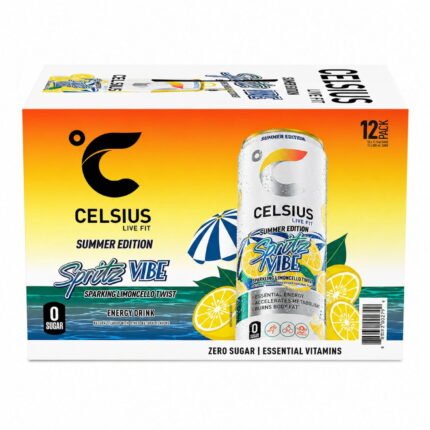
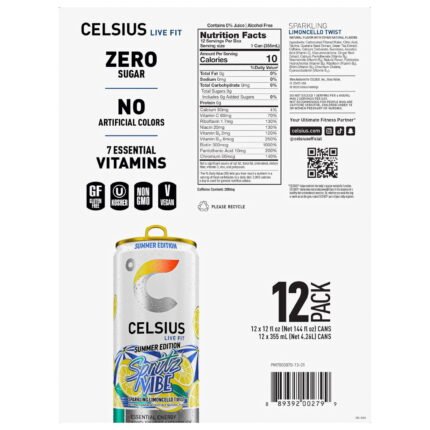
Celsius Summer Spritz Energy Drink 12 fl. oz, 12 pk.
Original price was: $17.98.$12.81Current price is: $12.81.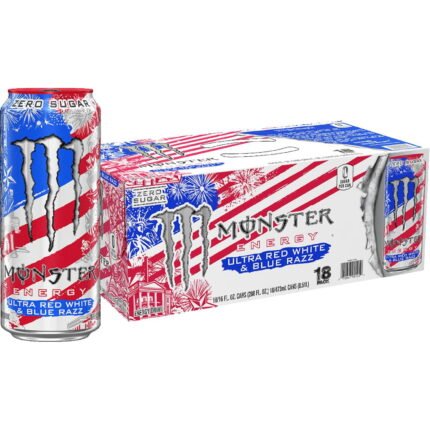
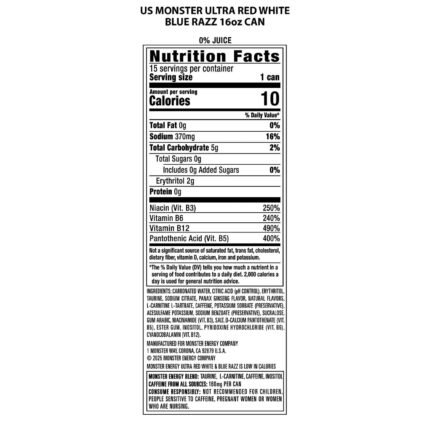
Monster Energy Ultra, Sugar Free Energy Drink, Red White & Blue Razz, 16 fl. oz., 18 pk.
Original price was: $32.48.$28.91Current price is: $28.91.

Red Bull Energy Amber Edition, 8.4 fl. oz., 24 pk.
Original price was: $42.48.$38.18Current price is: $38.18.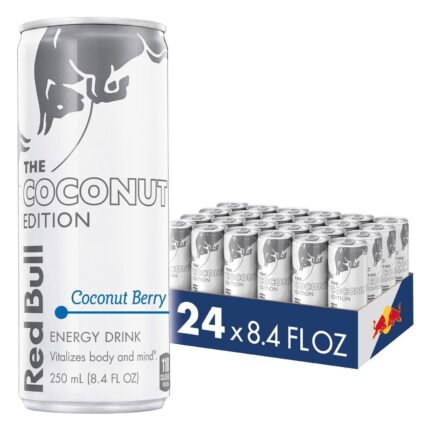

Red Bull Energy Coconut Edition 8.4 oz., 24 pk.
Original price was: $42.48.$38.18Current price is: $38.18.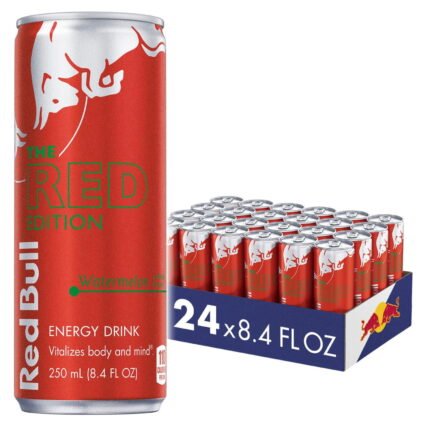
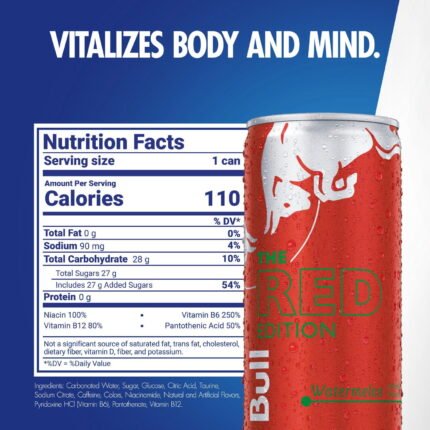
Red Bull Energy Watermelon, 8.4 oz., 24 pk.
Original price was: $42.48.$38.18Current price is: $38.18.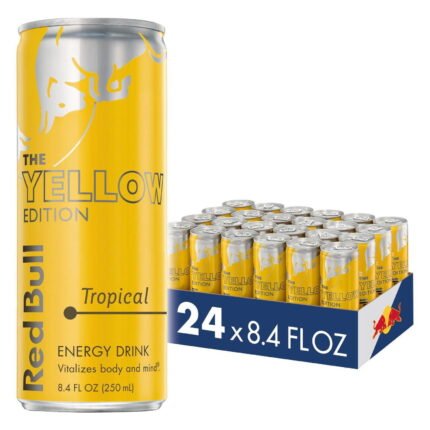

Red Bull Energy Yellow Edition, 8.4 oz., 24 pk.
Original price was: $42.48.$38.18Current price is: $38.18.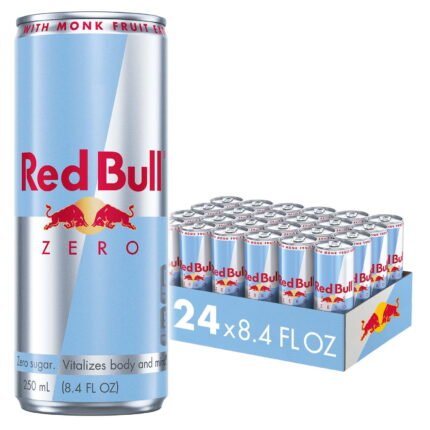
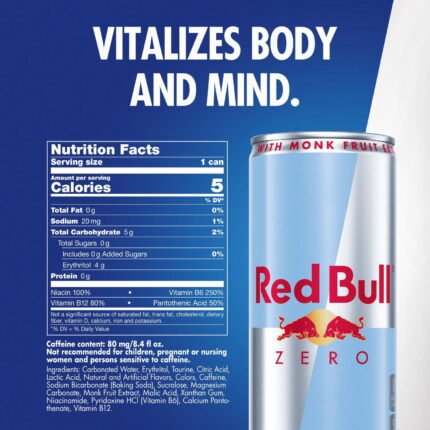
Red Bull Energy Zero, 8.4 oz., 24 pk.
Original price was: $42.48.$38.18Current price is: $38.18.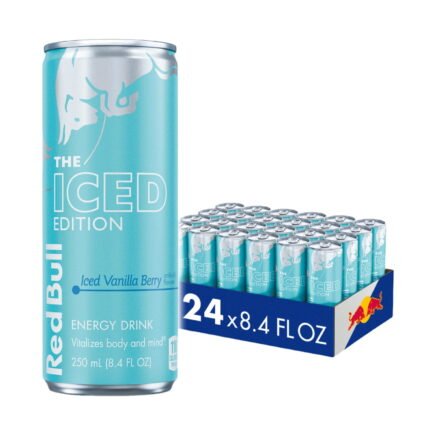
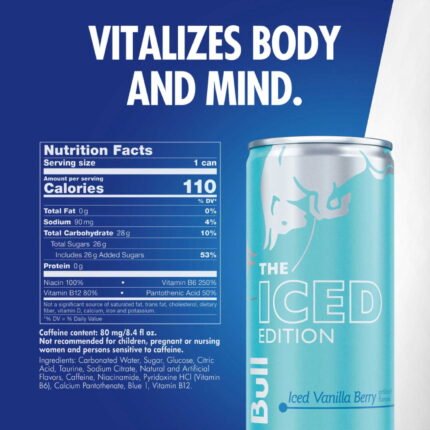
Red Bull Iced Vanilla Berry, 8.4 fl. oz., 24 pk.
Original price was: $42.48.$38.18Current price is: $38.18.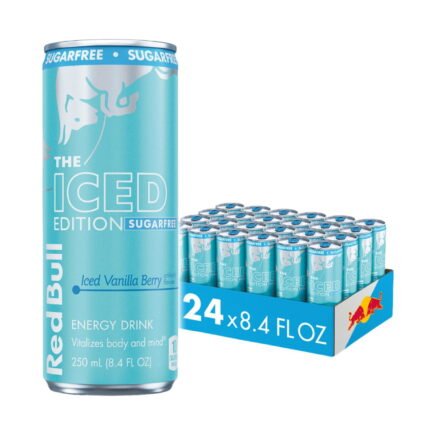
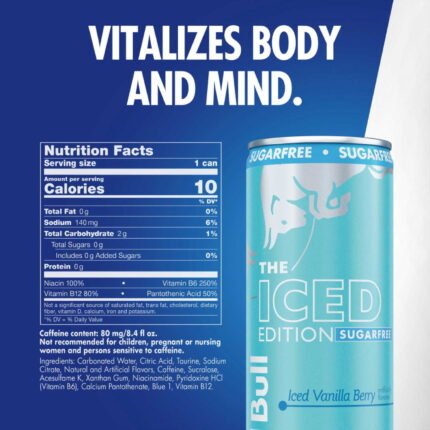
Red Bull Iced Vanilla Berry, 8.4 fl. oz., 24 pk.
Original price was: $42.48.$38.18Current price is: $38.18.
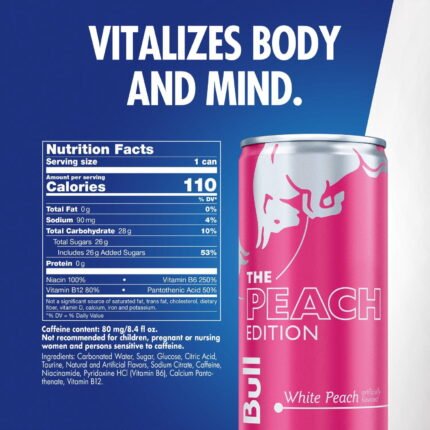
Red Bull Peach Edition Energy Drink, White Peach, 8.4 fl. oz., 24 pk.
Original price was: $42.48.$38.18Current price is: $38.18.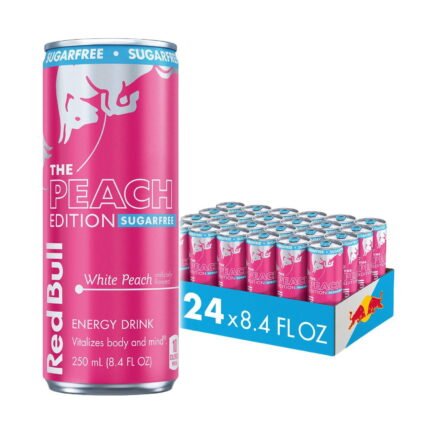
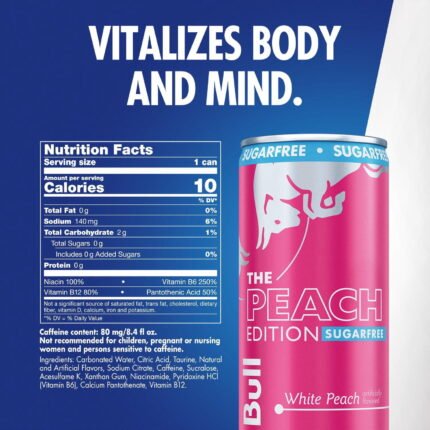
Red Bull Peach Edition Sugar Free Energy Drink, White Peach, 8.4 fl. oz., 24 pk.
Original price was: $42.48.$38.18Current price is: $38.18.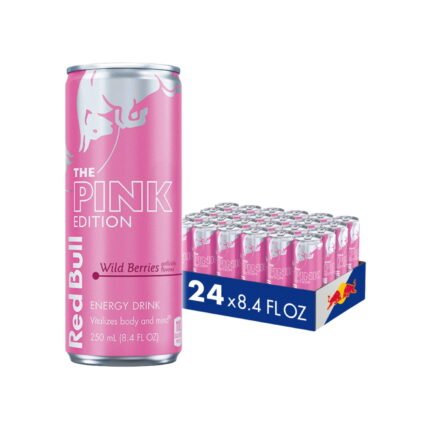
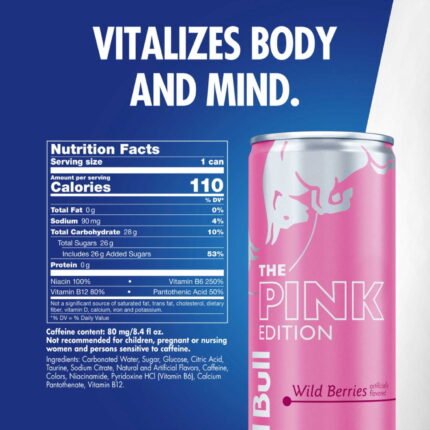
Red Bull Pink Edition, 8.4 fl. oz., 24 pk.
Original price was: $42.48.$38.18Current price is: $38.18.Beverage buying guide: compare drink types, labels, pack sizes and prices
Beverages: compare drink types before comparing prices
A beverage category brings several different kinds of purchase together. You might be looking for a ready-to-drink can, a coffee product to prepare at home, a box of tea bags, a compact energy shot, or a powder mix. These formats do not describe the same quantity or preparation process. The first step is to identify the kind of drink you want to browse. Then compare the exact product version, package contents, ingredient information, and current price within that group. A clear comparison starts with the item, not only its brand name.
This guide explains the beverage categories in the catalog and the questions that help distinguish them. It covers single containers, multipacks, mixed flavors, preparation formats, label reading, and order-cost calculations. It does not promise a particular brand is best for every shopper, or that every flavor is continuously available. Current listing information and checkout terms determine what can be ordered. Use the guide to create a shortlist, then confirm the details on the pages for the products you actually select.
Keep drink type, package quantity, and formula separate as you shop. “Twelve-pack” describes a quantity of units, while “sixteen fluid ounces” describes the size of each unit. “Sugar-free” describes a label claim that needs checking for the exact product; it does not explain every ingredient or establish that the drink contains no caffeine. A flavor name is a useful browsing cue, but it does not establish juice content or sweetener type. Each field answers a different purchasing question.
Explore the beverage subcategories
The catalog is organized into several beverage groups, including Energy Drinks, Energy Shots, Coffee, Coffee Drinks, Tea, Yerba Mate, Sodas & Sparkling Drinks, and Specialty Drinks. Open a group that matches your intended purchase instead of treating every item containing the word “energy” or “drink” as equivalent. A vitamin tablet with energy-related marketing is still a supplement format, while a coffee bag requires preparation rather than being a finished bottle. The product title and readable label should clarify these differences.
| Beverage group | What to identify first | Useful package details |
|---|---|---|
| Energy drinks | Exact drink line and flavor | Can or bottle count and volume per unit |
| Energy shots | Exact shot version and label instructions | Bottle count, volume, and serving definition |
| Coffee | Preparation format shown in the listing | Net quantity, grind description, or packaged portions |
| Coffee drinks | Finished beverage version and flavor | Container count, volume, and ingredients |
| Tea | Tea-bag, loose, or other listed format | Bag count, net quantity, and preparation directions |
| Yerba mate | Ready-to-drink or preparation format | Container size, unit count, and label information |
| Sparkling and specialty drinks | Actual product type rather than the headline | Pack contents, preparation requirements, and ingredients |
The table is a reading framework, not a statement that every product in a group has the same packaging. A category may include more than one format, and a familiar brand can appear across several groups. Compare the specific item before assuming what will arrive. When the title, image, and selected option appear inconsistent, obtain clarification rather than relying on the field that suggests the largest package. That check is particularly valuable when one design is used for both individual containers and cases.
Energy drinks and energy shots
Start an energy-drink comparison with the exact brand, product line, flavor, can size, and pack count. Then inspect caffeine information where it is declared, the serving definition, and other label details that matter to your purchase. Do not estimate caffeine from the size of a container or from an intense-sounding product name. A small energy shot and a large can can have different formulas and instructions. Their package volumes alone do not establish a meaningful comparison of ingredient quantities.
For a fuller shopping guide, visit Energy Drinks. Compact products can be compared under Energy Shots. Keep both routes distinct when building your cart so that a familiar logo does not lead you to order another format accidentally. Record the complete name if you plan to reorder. The exact current label, not remembered information from another flavor or size, is the reference for the formula you are considering.
Coffee and ready-to-drink coffee products
Coffee products and ready-to-drink coffee beverages require different quantity comparisons. A bag of coffee is supplied for preparation, while a canned or bottled coffee drink is a finished beverage. For coffee, check the net quantity and the preparation description on the selected listing. For a finished coffee drink, check container count, volume, flavor, and ingredient information. Comparing a bag’s price with a multipack’s price without explaining these differences can make two unrelated purchases look directly equivalent.
Browse Coffee when you want to inspect preparation products, and Coffee Drinks for finished drink listings. A roast, flavor, or brand name does not replace the full package description. Check whether the selected product is described as whole bean, ground, or another format before ordering. If you need a particular preparation format, verify it explicitly rather than inferring it from a photo of a cup or the style of the outer packaging.
Tea and yerba mate
Tea and yerba mate listings can also represent different preparation and packaging formats. Read whether the item is a finished drink, tea bags, loose material, or another stated presentation. A count of sixteen tea bags is not the same purchase quantity as sixteen ready-to-drink cans. Use the package contents and manufacturer’s preparation information to understand what you receive. If a flavor name appears across more than one format, confirm the exact title and selected option before making a price comparison.
The Tea category and Yerba Mate category provide separate browsing routes. Read ingredient information when botanical components or other ingredients matter to you. Do not assume a tea-like presentation establishes that a product is caffeine-free; check the particular label. Likewise, a fruit flavor in a ready-to-drink product does not establish the amount of fruit or juice in the formula. Preparation format, ingredients, and flavor remain separate pieces of information.
Sparkling drinks, sodas, and specialty beverages
Sparkling and specialty beverage names can cover varied products, so begin with the actual format. A carbonated ready-to-drink can, a drink mix with a soda-inspired flavor, and a specialty bottled beverage are different purchases. The selected listing should explain which format is supplied. Compare the product’s title, unit count, and container size with its images, then use the current ingredient panel for questions about sugar, sweeteners, caffeine, or other components. A broad category label cannot establish those details for every item.
Use Sodas & Sparkling Drinks and Specialty Drinks to inspect these options. A novelty flavor or unfamiliar brand may make a listing interesting, but it does not guarantee rarity, international availability, or a discontinued status. Confirm the exact product and current stock. If a special package date, origin detail, or ingredient document is important for your purchase, resolve that question before treating the marketing name as sufficient evidence.
Single units, multipacks, and variety packs
The package count explains how many units the selected listing supplies. Confirm whether the item is one container, a fixed single-flavor multipack, or a mixed pack. A photograph may show a single can for a case listing or several cans for a representative image. The cart quantity describes how many listed packages you order; it should not be confused with the number of individual containers you intend to receive. This distinction can prevent ordering twelve cases when you meant to buy a case containing twelve drinks.
| Package description | Main detail to verify | Common source of confusion |
|---|---|---|
| Single unit | One container and its stated size | A case photograph used for an individual listing |
| Single-flavor multipack | Unit count and volume per unit | Assuming the word “case” always means the same count |
| Variety pack | Total units and exact flavor allocation | Assuming equal numbers of each pictured flavor |
| Powder packet pack | Packet count and manufacturer-listed servings | Treating the packet pack as a finished beverage |
| Preparation product | Net contents and stated format | Estimating finished servings from a promotional photo |
For a mixed pack, establish the flavor allocation as well as the total count. “Variety” does not automatically mean an equal number of every flavor, and a prominent can in the image may not be the most numerous one supplied. If the allocation matters to your order and is not explained, obtain confirmation. When you already know the flavor you want, a clearly identified single-flavor pack can make the quantity comparison simpler. Both kinds of purchase can be valid; their value depends on the actual contents and price.
What do the labels tell you?
Read the serving-size information before comparing numerical label details. A figure may apply to a serving, an entire container, or a specified amount of prepared product. If two products use different bases, keep that difference visible rather than comparing the numbers as though they describe the same amount. Then inspect the ingredients and any other relevant packaging statements. The front-of-pack design identifies a product, while its detailed label provides a more precise reference for understanding the formula and serving information.
| Label field | Question to ask | What not to infer |
|---|---|---|
| Serving size | What amount does the label use for its figures? | That every can automatically represents the same serving basis |
| Sugar information | What is stated for this exact version? | That a related flavor has identical sugar information |
| Caffeine information | What amount is declared, and for what quantity? | That a smaller bottle contains less caffeine |
| Ingredients | Which components are actually named? | That a fruit flavor guarantees a particular juice content |
| Preparation directions | Is water, measuring, or another step required? | That all products in a drink category are ready to consume |
| Dietary or certification statements | Is the claim supported for this exact product? | That a broad brand statement covers every format and flavor |
The questions help make comparisons clearer without deciding which drink is suitable for an individual. If a label image is unreadable, ask for clearer information rather than estimating a missing amount. The FDA provides consumer information about caffeine, including the importance of considering different sources and individual circumstances. This shopping guide does not set a personal caffeine limit or replace advice about medical conditions, medication interactions, pregnancy, or another individual health question.
How do I compare beverage prices per unit?
For a ready-to-drink multipack, divide the current package price by the confirmed number of containers. This produces a price per can or bottle, depending on the format. Keep container size beside the result, since a twelve-fluid-ounce can and a sixteen-fluid-ounce can are different unit sizes. For powders or preparation products, compare the manufacturer-listed servings only when that information is available and clear. A unit-price calculation should explain the quantity being used rather than imply that all beverage formats are equivalent.
The following table uses invented prices to demonstrate arithmetic. They are not current Sprinkles Menu prices, special offers, or a promise that a particular package size will be cheaper. Use the live price and exact pack count for your own calculation. For two sizes of the same verified product, price per unit can make a comparison easier. For different formulas or formats, it is just one field among several. Record ingredients, preparation requirements, and your flavor preference separately.
| Hypothetical package | Example price | Calculation | Example unit price |
|---|---|---|---|
| Twelve cans | Thirty currency units | Thirty divided by twelve | 2.50 currency units per can |
| Eighteen bottles | Thirty-six currency units | Thirty-six divided by eighteen | Two currency units per bottle |
| Twenty-four cans | Fifty-four currency units | Fifty-four divided by twenty-four | 2.25 currency units per can |
| Thirty single-serving packets | Forty-five currency units | Forty-five divided by thirty | 1.50 currency units per listed serving |
The table does not choose a winner because it does not establish identical formulas, container volumes, or preparation formats. A lower number can be useful information without being a complete purchasing recommendation. A larger pack may also require more storage or a greater commitment to a flavor you have not tried. Value includes whether the product and quantity match your intended purchase, not only the smallest numerical result. Confirm the full package contents before drawing a conclusion from the price.
Delivery costs, storage, and receiving your order
Check the final checkout amount for the destination you actually intend to use. The product price may be accompanied by delivery charges, taxes where applicable, or other stated adjustments. Do not assume that a shipping policy from another retailer applies to this order. If you are comparing complete beverage purchases, compare carts for the same destination and explain any assumptions about allocating shared delivery charges between items. A general category guide cannot establish a courier, transit time, or delivery promise that has not been confirmed for your purchase.
Storage and package-date information should come from the exact product and its manufacturer instructions. An unopened can, a prepared drink mix, a coffee bag, and a tea product can have different directions. Check whether a storage instruction applies before or after opening. If you are buying a larger quantity, think about the space available and whether you can follow the stated conditions. A favorable unit price is less useful if the package is not a practical fit for the order and storage situation you planned.
When the order arrives, compare the flavor, format, unit count, container size, and visible package condition with your confirmation. If a detail does not match, retain the order information and follow the store’s contact or returns process. This is an order-verification step, not a guarantee of a particular remedy. Date questions should also be resolved from the actual package or confirmed seller information; neither the publication date of a listing nor a familiar can design establishes the remaining period before a printed package date.
Choosing drinks for shared spaces and events
For an office or event order, begin with the number of containers or prepared servings you actually intend to purchase. Then distribute that quantity across clearly identified beverage types and flavors. Do not count a variety pack once as a full package and again as separate individual units. Keep alternatives visible when members of a group have different preferences. A caffeinated beverage should not be assumed to suit every attendee, and the guide does not recommend that a group consume a particular formula or amount.
| Planning question | Information to record | Why it matters |
|---|---|---|
| Which product types are wanted? | Separate lists for cans, shots, coffee, tea, and other formats | Prevents unrelated quantities from being combined |
| How many units are being bought? | Package count multiplied by units per package | Distinguishes cases from individual drinks |
| Which flavors are included? | Confirmed allocation for each mixed pack | Avoids assuming equal flavor quantities |
| Where will the order be stored? | Space available and the product’s stated conditions | Connects package quantity with practical handling |
| What is the final order cost? | Checkout total for the correct destination | Includes costs missing from a headline unit price |
A fixed-date event may also require delivery details that a standard category page cannot resolve. Confirm those details before relying on an assumed arrival time. If you need packed dimensions, documentation, or another business-specific arrangement, ask about the exact order requirements. Bulk quantity does not automatically mean wholesale terms, resale permission, or a guaranteed discount. The useful comparison is the one grounded in the package contents and terms that are actually available for the purchase you are planning.
Frequently asked beverage-shopping questions
Where can I browse different drinks online at Sprinkles Menu?
Start in this Beverages category and follow the subcategory links for Energy Drinks, Energy Shots, Coffee, Coffee Drinks, Tea, Yerba Mate, Sodas & Sparkling Drinks, and Specialty Drinks. Each route helps narrow the product type, but still inspect the specific listing. A category name alone cannot establish whether an item is a prepared beverage, powder, or preparation product. Match the format you wanted before choosing a flavor or comparing its price with another package.
How do I compare beverage multipacks with single drinks?
Confirm the multipack’s unit count and container volume, then divide the package price by that count if you want a price-per-container comparison. Record any size difference beside the result. A single-can photo may represent a case listing, so the selected title and package description matter. Also check the final cart quantity: it usually describes the number of listed packages you are ordering. Do not assume that entering twelve means twelve individual cans when the selected item is a twelve-pack.
What is the difference between energy drinks and sports drinks?
These names can appear in related shopping searches, but the actual formulas and formats should be compared rather than assumed identical. Read the ingredients, serving information, and any declared caffeine for the exact product. A hydration-focused powder, a ready-to-drink energy can, and a sports beverage can represent different purchases. This guide explains how to inspect those distinctions; it does not make a performance claim or determine an individual’s hydration or supplement needs. The specific manufacturer information is the reference for the selected product.
Does sugar-free mean caffeine-free?
No inference about caffeine should be made from a sugar description alone. Check the caffeine information separately for the selected product and serving basis. Read the ingredient list and other applicable label information as well. Similar flavors or brands may have different formulas, so avoid copying a figure from another version without confirmation. If the amount is unclear and it matters to your purchase, seek the manufacturer’s current information rather than estimating from a container size or a promotional phrase.
How do I know which flavors are in a variety pack?
Look for a confirmed flavor allocation in the package information. The total count tells you how many units are supplied, while the allocation tells you how those units are divided. Do not assume that every pictured flavor is included or that each has an equal number of cans. If the allocation is not clear and it affects your order, obtain confirmation before buying. When a pack includes flavors you would not otherwise choose, take that into account alongside its price per unit.
Can I compare coffee bags and bottled coffee drinks by price?
You can compare their purchase prices, but explain that they are different formats. A coffee bag is a preparation product, while a bottled coffee drink is a finished beverage. Use net contents and the stated preparation description for the bag, and container count, volume, and ingredients for the finished drink. Do not estimate servings from a photograph of a cup. If you calculate a prepared-serving cost, state the manufacturer-based assumptions so the figure does not appear more exact than the available information supports.
What should I check when buying tea or yerba mate?
Confirm the format first: tea bags, loose preparation material, ready-to-drink containers, or another stated presentation. Then check pack count or net contents, flavor, ingredients, and preparation directions. Do not infer caffeine information from a tea-like name or the natural-looking style of the packaging. If a botanical ingredient or certification matters to you, look for information about the exact product rather than relying on a broad brand statement. Match the complete title when you reorder to avoid selecting a different format.
Are bulk beverage packages always cheaper?
Not necessarily. Calculate the current price per confirmed unit, then include any relevant delivery or checkout charges when comparing complete orders. A larger package can have a different unit price without being the best fit for an unfamiliar flavor or limited storage space. Some mixed packs include flavors you may not choose separately. Keep the package contents and your intended quantity visible in the comparison. Example arithmetic in a guide is not an offer or a guarantee about the price of the actual products.
Which label details matter before I place a beverage order?
Confirm the exact product version, serving-size basis, ingredients, and any declared sugar or caffeine information relevant to your purchase. Check the selected flavor, unit count, and container size against the images and title. For preparation products, read the directions and any manufacturer-listed serving information. If a label is unreadable or information conflicts, resolve that question before relying on an assumption. Individual health questions are separate from this package comparison and should be discussed with an appropriate qualified professional.
What is the final beverage-order checklist?
Check the product type, exact name and flavor, selected package, quantity in the cart, current stock information, and final destination-dependent price. Read the packaging information and any preparation or storage instructions that apply. Resolve special date, delivery, or document questions before ordering. Keep your confirmation so you can compare the delivered item with what you selected. This sequence works across single cans, mixed cases, energy shots, coffee products, tea, and drink mixes because it begins with the actual purchase rather than assumptions about a category.
Browse the drinks that match your shopping list
Explore the products in Beverages, then use the appropriate subcategory to refine your shortlist. Keep product type, formula, package quantity, and current cost together as you compare. A familiar flavor, a practical pack size, or a clearly described preparation format can help narrow the options, but none replaces the exact listing details. Choose after the questions relevant to your order are clear. The goal is an understandable purchase with the drink format, flavor allocation, and quantity you intended to receive.