




Blog
How to Read a Supplement Label Before You Buy

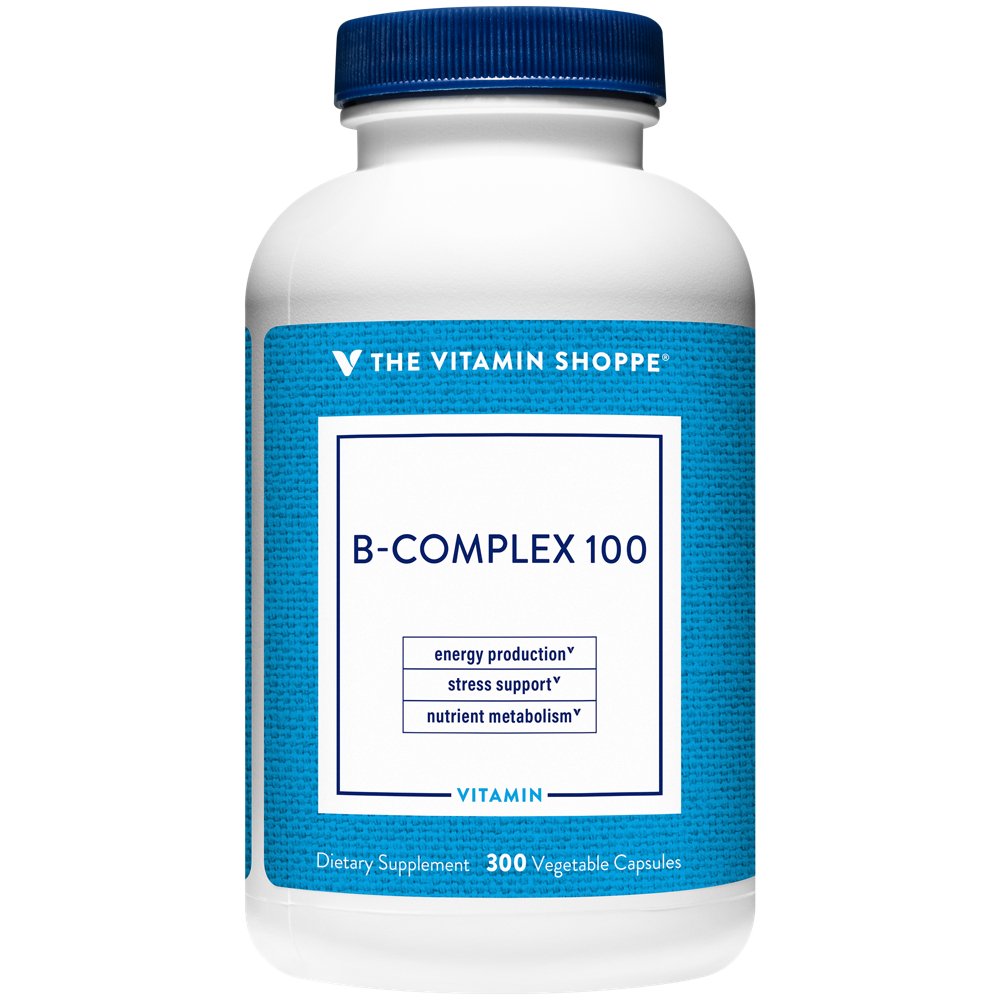
A supplement title is a useful starting point, but it cannot tell you everything about the item. Two bottles can look similar while containing different strengths, serving counts or ingredient combinations. Before comparing prices, establish exactly which product and option you are looking at.
This guide is about reading the shopping information. It does not choose a supplement or a personal dose for you. Start with the current label for the selected item, then use the listing and images to check that the package matches your intended purchase.
Start with the complete product identity
Read the full brand and product name rather than stopping at a familiar keyword. Note any strength, flavor, format and package quantity in the title. A B-complex product and a single B12 product are different formulas. Likewise, an unflavored powder and a flavored blend should be checked separately, even if they appear in the same department.
Keep a short comparison note containing the exact name and option. This makes it easier to return to the correct listing after looking at alternatives. If a photograph shows a range of sizes, do not assume that every pictured container is included in the order.
Read the serving information together
The NIH Office of Dietary Supplements explains that a Supplement Facts panel identifies ingredients and their amounts per serving. The serving information therefore matters when interpreting the figures on the label. Read it before treating a number on the front of a bottle as the amount in every individual capsule or tablet.
| Label or listing detail | Shopping question |
|---|---|
| Serving size | What quantity does the panel use for its ingredient amounts? |
| Servings per container | How many of those labeled servings are in this package? |
| Tablet, capsule or gummy count | How many physical units are supplied? |
| Ingredient amount | Is the figure stated per serving or on another clearly identified basis? |
| Selected option | Does the label image belong to this exact strength and package? |
A count of 120 capsules is not, by itself, a statement that the package contains 120 servings. Use the serving information actually supplied for the item. If that information is missing from the available listing, confirm it rather than filling the gap with a figure from another version.
Check the rest of the ingredient information
Look beyond the ingredient highlighted in the product name. The complete label is the place to check additional ingredients and any allergen information. When comparing two options, make separate notes for the ingredient identity, the stated amount and the rest of the formula. This keeps a product with several added components separate from one presented as a single ingredient.
Do not infer a dietary certification, testing claim or allergen statement from a broad category. If a particular claim matters to your purchase, look for evidence specific to the selected product. A logo in a photograph should be read clearly and in context, rather than guessed from a thumbnail.
Use gallery images as supporting evidence
The main photo usually helps you recognize the front package. Other images may show the back, a facts panel or a different angle. Open the relevant image at a readable size and compare its product name with the selected listing. A sharper photograph is useful for identification, but the physical package remains the reference for the instructions supplied with your order.
Packaging and formulas can change. If an image and a written detail appear inconsistent, contact the store before ordering. Do not combine figures from two different labels to create a formula that neither package actually describes.
Compare prices after checking quantities
Once you have established the exact option and labeled serving count, you can calculate a shopping comparison. Dividing the current package price by the confirmed serving count gives a price per labeled serving. That calculation helps compare spending; it does not prove that different formulas have the same role or value for an individual.
Use the final checkout amount when delivery or other charges apply. Keep any temporary offer separate from the ordinary package details so you can repeat the calculation if the price changes.
Know which questions need personal advice
Checking a label and deciding whether a supplement is appropriate for you are separate questions. The NIH recommends discussing supplement use with a qualified health care provider. Use that conversation for questions about personal suitability, medicines or a proposed change in use; a store category or price comparison cannot answer them.
A short check before checkout
- Confirm the complete product name and selected option.
- Read the serving information alongside the ingredient amounts.
- Check the package count and any important label statements.
- Resolve mismatched or missing information before ordering.
- Review the live price and final order total.
Explore vitamins and supplements, compare multivitamins, or ask us about a listing.
Source for general label background: NIH Office of Dietary Supplements — Dietary Supplements: What You Need to Know. The source does not endorse Sprinkles Menu or the pictured product.