




Blog
How do collagen powders and capsules compare by serving cost?

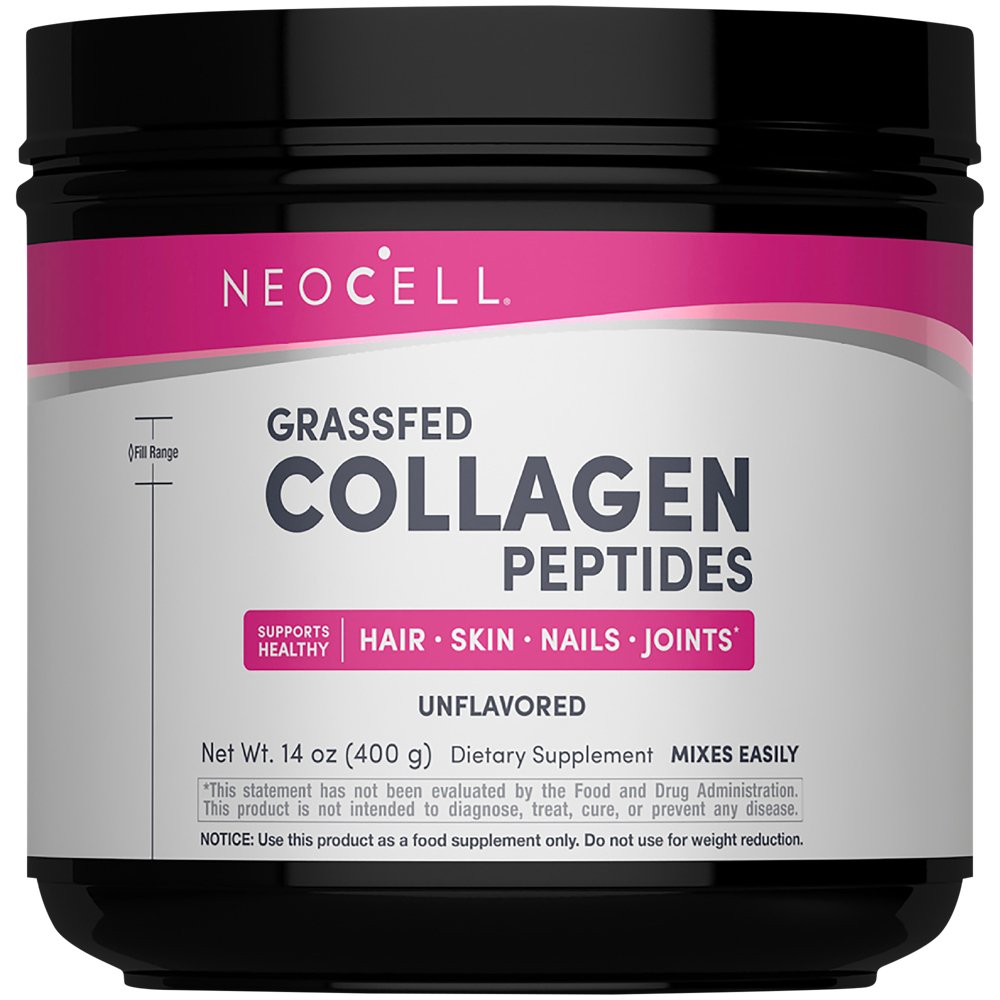
Compare collagen powders and capsules by calculating the cost of each product’s labeled serving, then checking what that serving actually contains. A capsule count and a powder’s net weight are different measurements. The cheapest bottle or tub is not automatically the cheapest comparable purchase, and a lower price per serving does not establish equal collagen content.
This guide shows how to build a practical cost comparison for collagen products. It covers package counts, disclosed quantities, delivery, promotions, storage, and the convenience differences between formats. All numerical examples are hypothetical shopping arithmetic. They are not current prices, personal serving instructions, or promises about product results.
Start with products you can reasonably compare
Before calculating a unit price, identify the exact powder and capsule products. Record the brand, full formula name, package size, flavor where relevant, and selected option. Similar branding does not establish identical ingredients across formats. A capsule formula may include different components from a powder sold under a related name.
Check the ingredient sources and any additional ingredients that matter to you. Comparing a simpler powder with a multi-ingredient capsule product is possible, but the differences should remain visible. Do not imply that the lower-priced option supplies the same formula if the labels do not establish that.
Decide which requirements must be met before price matters. You might need a particular source, a readable ingredient statement, or a format that fits your preparation setting. Eliminate options that cannot meet an essential requirement before spending time comparing small differences in unit cost.
What information do I need from each label?
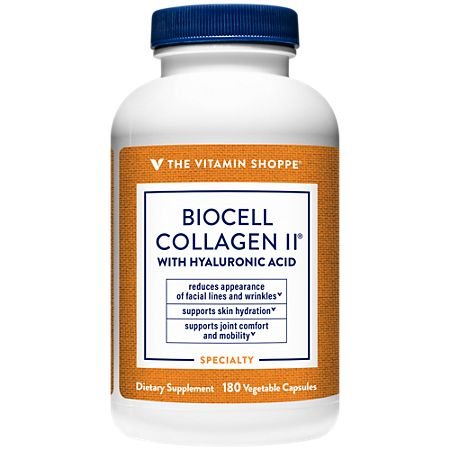
For a powder, record net weight, serving size, servings per container, and any individually disclosed collagen quantity. For capsules, record capsule count, capsules in a labeled serving, servings per bottle, and disclosed collagen quantity. Keep each value attached to its unit and serving basis.
Do not turn total powder weight into a collagen-only quantity unless the label establishes that relationship. A flavored or combination powder may contain other ingredients. Likewise, do not assign an entire blend total to collagen when the formula includes other components and does not disclose their separate shares.
A comparison sheet should retain the original label values as well as calculated figures. This makes it easier to check your arithmetic and identify a mismatch later. If a number cannot be read or confirmed, mark it unknown instead of supplying an estimate that looks like a verified specification.
| Required input | Powder product | Capsule product |
|---|---|---|
| Product identity | Exact formula, flavor, and container size | Exact formula and bottle count |
| Package quantity | Net weight and labeled servings | Capsule count and labeled servings |
| Serving basis | Stated powder portion | Stated number of capsules |
| Ingredient quantity | Individually disclosed collagen, if available | Individually disclosed collagen, if available |
| Purchase cost | Price for selected container | Price for selected bottle |
How do I calculate cost per labeled serving?
Divide the package price by the confirmed number of labeled servings. Use the same currency and purchasing conditions for both products. This provides a straightforward starting metric without pretending that their servings contain equal amounts of collagen or the same additional ingredients.
For example, a hypothetical $30 powder with 30 labeled servings costs $1 per labeled serving. A hypothetical $24 capsule bottle with 20 labeled servings costs $1.20 per labeled serving. The calculation describes the cost of each product’s own stated portion; it does not establish equivalent composition.
Check the serving count rather than substituting the physical unit count. A bottle containing many capsules may represent fewer labeled servings if each serving includes multiple capsules. A tub’s net weight is not its serving count. Keep those distinctions visible throughout the calculation.
Can I calculate cost per gram of collagen?
You can calculate this metric when the product discloses a collagen quantity on a clear basis. Multiply that quantity by the confirmed serving count to establish the stated package quantity, then divide the relevant price by that result. Preserve the units and check whether the amount is collagen specifically or a broader blend.
The calculation becomes unreliable if one product discloses only a blend total while another discloses collagen alone. Do not treat the two numbers as equivalent. You can still compare cost per labeled serving, while explicitly noting that a collagen-specific cost comparison is unavailable from the disclosed information.
The following invented examples show how the ranking can change when you use different metrics. These figures are not specifications for either photographed product and should not be interpreted as suggested amounts to use.
| Hypothetical product | Price and servings | Disclosed collagen per labeled serving | Cost per labeled serving | Cost per disclosed collagen gram |
|---|---|---|---|---|
| Powder A | $30; 30 servings | 10 g | $1.00 | $0.10 |
| Capsule B | $24; 20 servings | 2 g | $1.20 | $0.60 |
| Blend C | $20; 20 servings | Individual amount undisclosed | $1.00 | Cannot calculate from these inputs |
A cost-per-gram figure is an arithmetic measure, not a complete quality or suitability score. It does not establish equivalent sources, amino-acid composition, additional ingredients, convenience, or outcomes. Use it to answer a specific pricing question after checking that the underlying quantities are genuinely disclosed.
How should delivery change the calculation?
Use the total cost that applies to the order you intend to place. If an item is ordered alone, the delivery charge can materially change its effective cost. If several products share delivery, show how you allocated that charge rather than treating an arbitrary share as a fixed property of one product.
Consider a hypothetical $30 tub with 30 labeled servings. Adding $9 delivery produces a $39 order total, or $1.30 per labeled serving when that charge is assigned entirely to the tub. A nearby alternative with a higher item price could still have a lower delivered total, depending on the actual checkout conditions.
Do not add products you do not need merely to qualify for a delivery threshold without checking the overall expense. Compare the final order totals and what each order contains. A lower delivery charge can coexist with a higher total outlay when additional items are included.
How do promotions and subscriptions affect the result?
Record the conditions attached to a price. A first-order discount, coupon, subscription offer, or multi-buy promotion may change which customers or orders qualify. Compare like purchasing arrangements instead of placing a conditional promotional price beside an unconditional one-time price without explanation.
For a recurring purchase arrangement, review the recurring price and relevant renewal terms as well as any initial reduction. A low first payment does not describe the entire arrangement. Keep one-time purchase comparisons separate if you do not intend to enter a recurring order.
For multi-buy offers, divide by the confirmed combined quantity only after checking which packages are included. A bundle photograph can be illustrative rather than a complete contents list. Verify the actual item count, size, formula, and selected flavor before calculating a discounted unit cost.
| Pricing situation | What to include | Common comparison mistake |
|---|---|---|
| One item ordered alone | Item price and applicable order charges | Ignoring delivery |
| Shared delivery order | A clearly explained allocation | Presenting the allocation as a fixed item fee |
| Coupon offer | Eligibility and qualifying conditions | Assuming every order qualifies |
| Subscription | Initial and recurring conditions | Treating the introductory price as permanent |
| Multi-buy bundle | Exact included products and quantities | Counting items shown only in an illustrative photograph |
Are capsules more convenient than powder?
Convenience depends on the setting and the exact directions. Capsules may avoid mixing equipment, while a powder may fit an existing preparation routine. Check the stated serving and directions rather than assuming that either format always involves fewer steps for every shopper.
Consider what you will carry, store, measure, or clean. These practical details may justify paying more for one format in your circumstances, but that is a preference-based purchasing decision. It should not be presented as proof that the more convenient product has better ingredients or produces better results.
Do not change a serving or preparation instruction simply to make the formats appear equivalent in cost. Price comparisons should describe the label information accurately. Personal questions about which supplement or amount is appropriate require a different assessment from a shopping calculation.
What about package size, storage, and unused product?
A larger package can reduce a unit price while increasing the amount of money committed upfront. Before choosing it, consider whether you have tried the exact formula, whether the format suits your plans, and whether the available storage space fits the package. An unfamiliar flavor can be a practical reason to compare a smaller initial purchase.
Read the actual storage instructions and investigate date information for the offered stock where it matters. Do not borrow a shelf-life assumption from another product or an old review. If a listing does not provide enough information for your planned purchase quantity, ask before placing the larger order.
You can model your budget using the amount you realistically expect to use, but label that as a personal planning scenario. It is different from the verified cost per labeled serving. Keep assumptions explicit so that a hypothetical waste estimate does not become a claimed product defect or specification.
How can I build a useful comparison in five minutes?
Choose two or three candidates that meet your essential requirements. Copy their exact identities, prices, labeled servings, and disclosed collagen quantities into one table. Add a column for missing information. This often reveals that the first task is obtaining a readable panel rather than performing more arithmetic.
Calculate cost per labeled serving for each confirmed option. Calculate cost per disclosed collagen gram only where the required information is available on a comparable basis. Then add the delivery or checkout scenario that actually matches your intended order.
Finally, consider the format and package commitment. Record why you prefer the selected option, such as a suitable source, clearer disclosure, a familiar flavor, or easier preparation. This makes the decision understandable without claiming that one numerical metric captures every aspect of value.
What should I ask when the listing is incomplete?
Ask for the specific missing input: the serving count, capsules per serving, readable panel, disclosed collagen quantity, or exact bundle contents. Include the product link and selected package size. A focused question is more likely to resolve the calculation than a general request for the best value product.
If the answer gives only a blend total, do not interpret it as an individually disclosed collagen amount. If the photographs and description disagree, ask which information applies to the stock being offered. Keep unanswered questions visible and avoid making precise calculations from uncertain inputs.
Recheck the selected option and payable total immediately before ordering. Product variants, quantities, and promotional conditions can differ from the first page you viewed. Save the information needed to identify your choice, then compare it with the actual package when it arrives.
Frequently asked questions about collagen format costs
Is the cheaper bottle always the better deal?
No. The bottle price does not account for labeled serving count, disclosed ingredient quantity, formula differences, or order charges. Compare the metric that answers your question and keep its limits visible. A lower initial expense may still be a valid budget preference even when its unit cost is higher.
Can I compare capsule count directly with powder servings?
Do not compare those as equivalent units. Capsule count measures physical capsules, while labeled servings describe the manufacturer’s stated portion. Read the capsule product’s serving information first, then compare cost per labeled serving with a clear explanation that formulas and quantities may differ.
What if collagen quantity is undisclosed in one formula?
Mark the collagen-specific cost metric as unavailable from the disclosed information. You can still calculate cost per labeled serving if the serving count is confirmed. Do not replace the missing amount with a blend total or total powder weight merely to complete a comparison table.
Does cost per gram establish better quality?
It does not. That number describes a price relationship using disclosed quantities. It does not verify source claims, testing, ingredient identity, suitability, or results. Examine those questions separately and use specific supporting information where a quality claim matters to your purchase.
Should delivery be included every time?
Use the order scenario you actually intend to place and explain it. For an item-only calculation, label delivery as excluded. For a delivered comparison, include applicable charges consistently. When delivery is shared across several items, show the allocation so the reader can understand the assumption.