




Blog
How do sports drinks compare by sodium and sugar content?

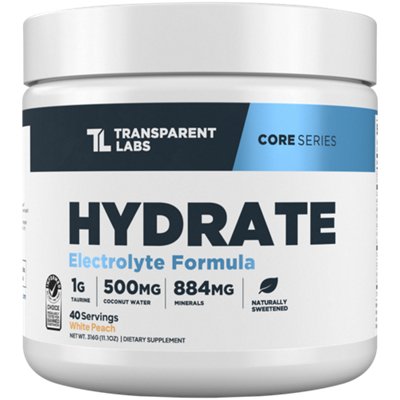
Compare sports drinks by recording sodium and sugar from the same label basis, then converting to a shared volume when container sizes differ. Keep sodium in milligrams and sugars in grams, and retain the original serving information beside every calculation. A higher sodium amount or a lower sugar amount is a numerical difference, not an automatic recommendation for every customer.
This guide provides a worksheet for comparing beverages, including prepared electrolyte mixes where their directions allow a clear comparison. The figures in the worked tables are invented examples. They are not current declarations for pictured products, individualized intake targets, or instructions to change a manufacturer’s mixing directions.
Identify the product and the label basis
Write the full product name, flavor, formula, and format before transcribing amounts. A regular sports drink, a zero-sugar version, and a concentrated or powdered product can have different declarations. A familiar brand does not establish the composition of every version sold under it.
Next, copy the serving size and servings-per-container information, including any approximation. Check whether the relevant column is per serving, per bottle, or another specified basis. If a label offers more than one column, save the heading with each value so that a later calculation does not mix them accidentally.
For powder, record the amount of product used for the labeled serving and the stated preparation volume. An unprepared scoop and a full bottle of liquid are not directly comparable units. Use the manufacturer’s directions to establish the prepared basis rather than inventing a dilution to make the products appear equivalent.
Sodium and salt are not interchangeable label entries
Use the declared sodium amount when your worksheet column is labeled sodium. The FDA’s sodium backgrounder explains that table salt is sodium chloride and that other sodium-containing ingredients can contribute to the sodium declaration. A salt ingredient name alone is not the total sodium figure for the product.
Do not copy a salt quantity into a sodium column without understanding what the source actually states. Labels intended for different markets can present information differently. If the comparison crosses markets, resolve those differences before calculating a ranking. A shared-looking number may describe a different substance or basis.
Likewise, the word electrolyte is not a numerical substitute for sodium. A product may name several minerals, and each declared amount should remain separate. Do not add potassium or magnesium to sodium and label the sum sodium. Record the relevant nutrient exactly as it appears, with its unit and basis.
| Field | What to preserve | Mistake to avoid |
|---|---|---|
| Sodium | Declared amount in mg and its basis | Replacing it with a salt ingredient name |
| Total sugars | Declared grams and column heading | Adding included added sugars again |
| Added sugars | Separate declared figure where provided | Treating it as the entire sugar total |
| Serving size | Amount and units | Assuming one bottle equals one serving |
| Container volume | Actual stated size | Using a familiar size from another version |
| Prepared volume | Manufacturer’s directions for the measured powder | Inventing a new dilution for the comparison |
Keep sodium and sugar as separate dimensions
A drink can have a smaller declared sugar amount and a larger declared sodium amount than another drink. Neither observation cancels the other. Place both fields in the same table rather than combining them into a single score that hides the underlying tradeoff.
For example, if two hypothetical drinks have matching volumes, one might declare 200 milligrams sodium and 10 grams total sugars while another declares 300 milligrams sodium and 2 grams total sugars. That establishes two separate numerical differences. It does not establish which product is appropriate for a particular person or exercise setting.
Avoid describing one as universally better based on a selected column. The useful result states what is higher or lower, the basis of comparison, and the information that remains outside the worksheet. Ingredient preferences, caffeine, package quantity, and personal circumstances can still matter independently of these two numbers.
Convert a multi-serving bottle correctly
Suppose an invented bottle contains two labeled servings. Each serving declares 120 milligrams sodium and 6 grams total sugars. Using those inputs, the complete bottle corresponds to 240 milligrams sodium and 12 grams total sugars. Multiply each field by the same confirmed serving count, keeping the units separate.
Write the calculations as 120 mg × 2 = 240 mg sodium per bottle and 6 g × 2 = 12 g total sugars per bottle. Showing the units makes the result easier to audit. It also prevents a grams-versus-milligrams transcription error from looking like a dramatic product difference.
If a complete-container column is supplied directly, use its stated values and basis rather than performing an unnecessary second multiplication. If rounded serving values produce a slightly different calculation, preserve the original declaration and its qualifications. Do not present a derived figure as more precise than its supporting label.
Normalize to equal volumes when bottle sizes differ
To compare concentration per 100 milliliters, multiply the declared complete-container amount by 100 and divide by the confirmed volume in milliliters. Apply the operation separately to sodium and total sugars. Make sure the input amount actually describes the complete container before using its full volume as the denominator.
In an invented example, Bottle A has 240 milligrams sodium and 12 grams sugars in 600 milliliters. Its equal-volume figures are 40 milligrams sodium and 2 grams sugars per 100 milliliters. Bottle B has 180 milligrams sodium and 9 grams sugars in 300 milliliters, corresponding to 60 milligrams and 3 grams per 100 milliliters.
Bottle A has larger complete-container amounts in that example but smaller equal-volume amounts. Both descriptions can be true because the bottles are different sizes. State which question your table answers rather than using the unqualified phrase contains less to describe incompatible comparisons.
| Hypothetical item | Volume | Sodium per container | Sugars per container | Sodium per 100 mL | Sugars per 100 mL |
|---|---|---|---|---|---|
| Bottle A | 600 mL | 240 mg | 12 g | 40 mg | 2 g |
| Bottle B | 300 mL | 180 mg | 9 g | 60 mg | 3 g |
| Bottle C | 500 mL | 200 mg | 0 g declared | 40 mg | 0 g from declared input |
| Item D | Unconfirmed | 220 mg stated per container | 8 g stated per container | Cannot normalize | Cannot normalize |
Understand grams, milligrams, and percentages
One gram equals 1,000 milligrams, but converting units does not make sodium and sugar the same kind of measurement. Keep each nutrient in its customary label unit and compare it with the same nutrient in the other product. Do not rank sodium against sugar by looking at which printed number is larger.
A percentage column is also different from an amount column. If you record a percent Daily Value from a label, preserve its nutrient and serving basis. Do not treat a percentage as grams or combine percentages for different nutrients into a homemade overall quality score.
For product-to-product arithmetic, declared amounts on a shared basis are the clearest starting point. If you calculate a percentage difference, name the reference product and retain the absolute amounts beside it. A large percentage difference can arise from small numbers, so the percentage alone may obscure the actual declaration.
Do not reconstruct sugar from flavor or ingredients
Use the nutrition declaration for the numerical sugar amount. A fruit flavor name does not establish how many grams of sugars are in the product, and the sweetness of a drink is not a reliable measuring tool. A broad phrase in marketing copy cannot replace a readable label.
Read the ingredient list separately when you want to identify named sweeteners or other ingredients. A short description may highlight only selected components. If a particular ingredient preference matters, obtain the complete current list rather than inferring absence from the fact that another ingredient is emphasized.
Keep total and added sugars separate without adding the latter to the former again. If the label’s wording or basis is unclear, resolve it before calculating. A comparison that leaves an unknown field visible is more useful than one that fills every space by borrowing figures from unrelated flavors.
Compare powders only as directed
For a powder mix, establish the amount of powder represented by the declaration and the water volume specified for that amount. Record whether the package describes one packet, one scoop, or another measured serving. Do not assume that every scoop in a tub is interchangeable with another brand’s scoop.
Changing water volume changes the concentration of a prepared mixture. It does not establish that the original measured powder contained a different amount of a declared nutrient. This guide does not provide alternative recipes; it uses the stated preparation to make a purchasing comparison reproducible.
If directions provide a range of water volumes, preserve that range and identify which stated preparation you are using for a calculation. Do not present one concentration as the only possible directed preparation when the manufacturer supplies options. If the basis remains ambiguous, ask for clarification before ranking the prepared drink against a bottled item.

Keep price and package quantity visible
After the formula comparison, calculate costs using the actual selected offer. Price per bottle and price per labeled serving can differ when a bottle contains more than one serving. Powder cost per packet also needs the preparation volume if your intended comparison is cost per liter of prepared drink.
Save the currency, review date, selected package count, and whether additional charges are included. Do not compare one delivered total with another item-only price without identifying the difference. Hypothetical arithmetic is useful for understanding the method, but actual purchase decisions need the live offer and applicable checkout information.
Package quantity also affects storage and variety. A larger case can change how many units you purchase without changing the per-bottle declaration. Keep these practical details separate from sodium and sugar concentration so that a lower unit price does not silently become a claim about a better formula.
A worksheet that remains useful later
| Check | Record | When to recheck |
|---|---|---|
| Identity | Product line, flavor, market, size | When any selected version changes |
| Original declaration | Sodium, sugars, serving basis | When label information differs |
| Container arithmetic | Serving count and shown calculation | When the container size changes |
| Equal-volume arithmetic | Amount and actual volume inputs | When comparing a different format |
| Powder preparation | Measured product and stated water volume | When directions differ |
| Source | Label or official response and date | Before relying on older information |
| Purchase | Pack count, price basis, and availability | At the time of ordering |
Frequently asked questions
Does more sodium mean a sports drink is better?
A larger declared amount is a numerical fact, not a universal quality judgment. Compare matching bases and keep individual circumstances outside the arithmetic. This guide does not prescribe sodium intake or select a product for a medical condition or a particular exercise session.
Can the lower-sugar bottle contain more sugar overall?
A drink with a lower equal-volume concentration can still have more grams in a larger complete container. The hypothetical table illustrates that distinction. Record both volume and the basis of any lower-than comparison so readers know whether you mean concentration or the whole bottle.
Should I compare sodium with salt?
Use matching declared fields and units. Do not copy a salt quantity or ingredient name directly into a sodium column. If labels from different markets use different conventions, resolve the distinction before calculating. The exact declaration and its basis matter more than similar-looking printed numbers.
Does zero sugar tell me which sweeteners are used?
Read the ingredient list for named sweetening ingredients. A nutrient statement does not provide the complete formula, and a category or flavor name cannot supply the missing list. Keep ingredient identity and numerical sugar information in separate parts of the comparison.
Can I make a powder more concentrated for the comparison?
Use the manufacturer’s stated preparation rather than inventing new mixing instructions. If directed options exist, identify which one supplies your calculation basis. A fair comparison should show the measured product amount and prepared volume so another reader can reproduce the same result.
What if a label is unreadable or a value is missing?
Request a readable current declaration for the exact product and flavor. Keep the missing field unconfirmed until a specific source resolves it. Do not enter zero, estimate from taste, or transfer a figure from another version merely to complete the table.