




Blog
What should I compare on ashwagandha and rhodiola product labels?

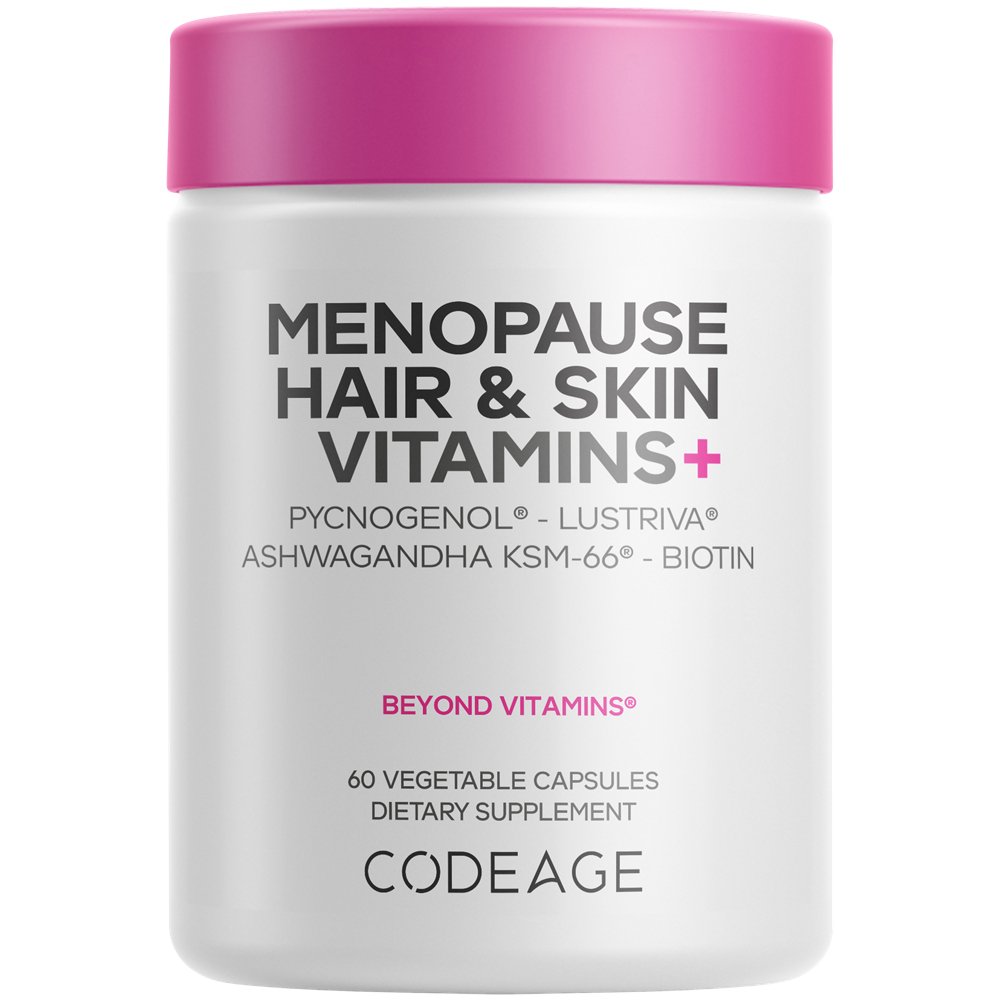
Compare ashwagandha and rhodiola product labels by their exact botanical identity, plant part, preparation, disclosed quantity, serving basis, and complete formula. They are different botanicals, and a similar amount in milligrams does not make their preparations interchangeable. A useful purchasing worksheet preserves the differences rather than ranking products by the largest front-label number.
This guide explains how to review herbal and botanical products using product-specific information. It covers names, extracts, powders, ratios, marker statements, combinations, claims, prices, and missing details. It does not select a treatment or personal supplement amount.
Identify the botanical precisely
The National Center for Complementary and Integrative Health provides separate references for ashwagandha and rhodiola. Ashwagandha is associated with the botanical name Withania somnifera, while the rhodiola reference discusses Rhodiola rosea. Use authoritative terminology to help read a label, then record the actual product wording.
Do not add a scientific identity to an unclear retail title without checking the matching panel or manufacturer information. A common name can be a starting point for investigation while leaving a more specific identification question unresolved.
Keep the complete product identity beside the botanical record: brand, line, format, flavor where relevant, and selected size. A similar name or familiar brand does not establish identical preparations across several formulas.
Record the plant part separately
Read whether the label identifies a root, leaf, another part, or a combination. Preserve that detail where supplied. A product naming a botanical without a plant-part statement should not automatically be assigned the part shown on another formula.
If the detail matters to your comparison and is missing, ask the manufacturer for the exact ingredient description. Include the product link and selected version. A broad response about the herb in general may leave the product-specific question unanswered.
Keep plant identity, plant part, and preparation in separate fields. This prevents one familiar name from standing for a complete specification and makes differences between products easier to review later.
| Label field | What to record | Why it remains separate |
|---|---|---|
| Botanical identity | Exact common and scientific wording where supplied | Identifies the plant being described |
| Plant part | Full stated part or combination | Different part descriptions are not automatically equivalent |
| Preparation | Powder, extract, or other actual wording | Physical format alone does not establish preparation |
| Amount | Disclosed quantity and unit | Needs its own serving basis |
| Additional statement | Defined ratio or marker wording where supplied | Does not replace extract mass |
| Complete formula | Other botanicals and ingredients | Identifies a combination rather than a single component |
Distinguish an extract from another preparation
Read the actual ingredient statement rather than identifying preparation from capsule or powder appearance. An extract and another botanical preparation can be supplied in similar physical formats. Keep the preparation type attached to the exact ingredient.
If a product uses a branded extract name, preserve that name alongside the full specification. It can help identify a particular ingredient, but it should not replace the disclosed quantity, plant part, or other formula information.
Where process details are essential to your question, request the relevant product-specific information. Avoid filling a missing ratio, solvent, or preparation description from a general article about the plant or a different brand’s formula.
Read ratios, equivalents, and marker statements carefully
Keep extract mass, a defined extraction ratio, a stated botanical equivalent, and a marker-related amount in separate fields. Each can describe a different aspect of the preparation. Choosing the largest figure would hide the meaning of the original disclosure.
Read the exact definition of any ratio supplied. A short ratio should not be turned into a universal claim about potency or effects. If the basis is unclear, ask how it is defined for the selected product before calculating an equivalent.
For a percentage statement, identify what quantity it applies to and what characteristic is described. Do not multiply a percentage by the entire finished-product mass unless the actual specification establishes that basis. Preserve any qualification in the record.
What does a combination formula change?
A product can combine ashwagandha with other botanicals or additional ingredients. Review the complete list instead of treating the ingredient emphasized in a search result as the whole formula. A combination can be a different purchase from a simpler preparation.
If only a blend total is supplied, record individual amounts as undisclosed unless the manufacturer provides them. A total does not establish equal shares or assign the full mass to the named ingredient that interests you most.
The product example below illustrates a combination formula whose title includes ashwagandha. It is not presented as a standalone ashwagandha preparation or a recommendation for its marketed purpose. Its exact panel should support any ingredient comparison.
Compare serving bases before comparing numbers
Read the serving-size line before copying an ingredient amount. A per-serving quantity can describe several capsules or another stated portion. Physical package count and labeled serving count are separate fields.
Keep amount, unit, and portion together. If you calculate an arithmetic average per piece, retain the original values and explain the division. The calculation does not establish an individual capsule’s measured contents or create new directions.
Do not change directions to make two botanical products appear numerically equivalent. A purchasing comparison describes the disclosed information. Personal decisions about use require different context from a unit-price or mass calculation.
Why do equal milligrams not establish equivalence?
A mass figure needs an ingredient identity and preparation basis. Equal masses of different botanicals, plant parts, or preparations do not by themselves establish equal composition. Keep the specification fields visible rather than collapsing them into one number.
The following invented record illustrates why a meaningful comparison needs more than mass. It is not an actual product specification, a suggested amount, or a statement about the photographed formulas.
| Hypothetical entry | Invented amount | Additional information still needed |
|---|---|---|
| Botanical powder A | 200 mg per labeled serving | Exact plant, part, and preparation description |
| Botanical extract B | 200 mg per labeled serving | Exact plant, part, extract specification, and full formula |
| Combination C | 200 mg blend total | Component identities and separately disclosed amounts if available |
Those entries share a printed mass while leaving different questions unresolved. Arithmetic can clarify disclosed quantities, but it cannot supply missing specifications or prove a common outcome across different products.
How should marketed purposes and research be reviewed?
Copy the exact claim you want to investigate and identify the supporting source. A broad phrase about a routine or purpose should not replace evidence about the actual preparation and finished formula.
When a study is cited, check the botanical identity, plant part, preparation, quantity basis, population, and outcome. Similar common names may justify a closer look without establishing that the retail formula matches the studied material.
For a personal question involving medicines, conditions, pregnancy, or other individual circumstances, use the complete product details with appropriate qualified guidance. A retail guide should not choose a regimen from a title or testimonial.
Does this comparison establish current stock?
An educational discussion of rhodiola and ashwagandha labels does not confirm that every named preparation is currently offered. Check the actual selected listing and confirmed product information rather than treating the guide as an inventory promise.
The illustrations in this article show combination products whose titles include ashwagandha. They are not rhodiola photographs and are not presented as interchangeable substitutes for a rhodiola formula. Read each actual item’s own specification.
If the desired botanical or preparation is absent or unclear in the store, ask for confirmation rather than relabeling another product. A related purpose or shared category does not establish the same ingredient identity.
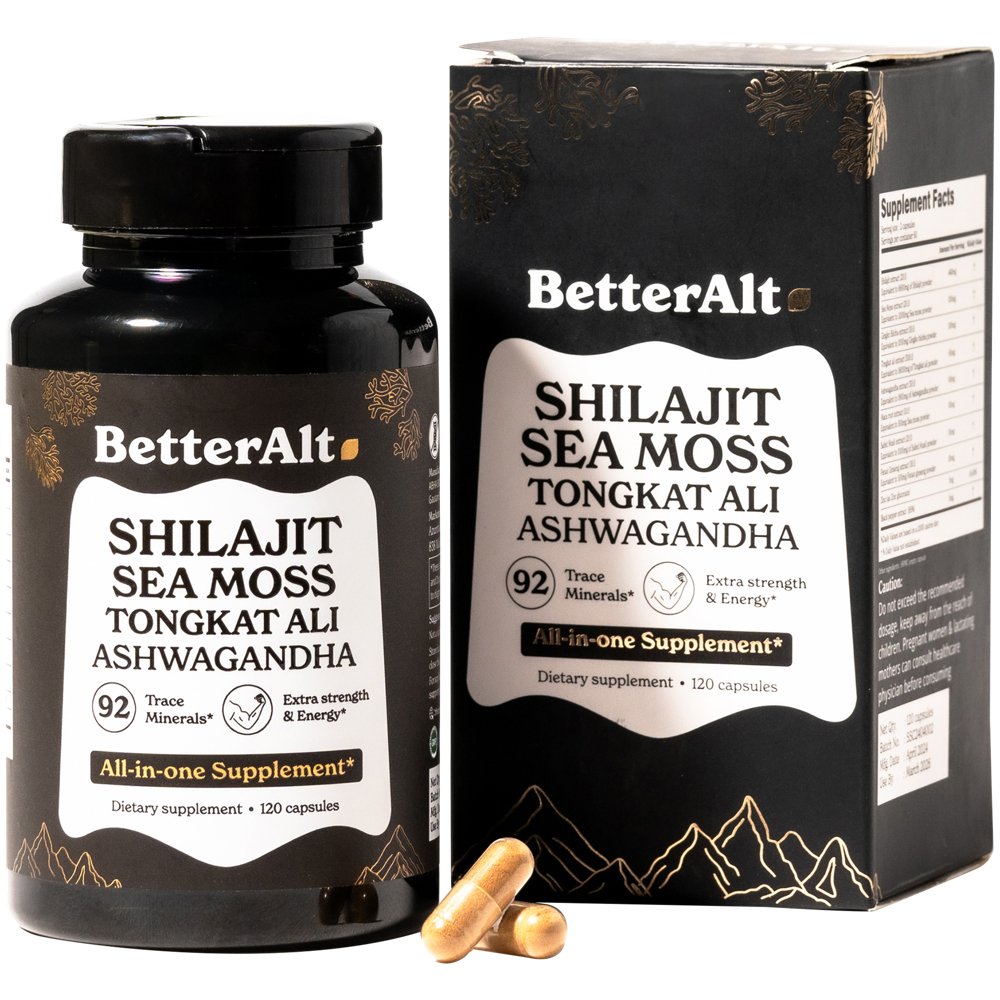
Compare practical format and storage
Read the actual directions for the selected capsule, powder, or liquid. Consider measuring, preparation, handling, and storage requirements in the intended setting. Convenience can influence a purchase without establishing a health advantage.
If a formula or format is unfamiliar, compare a smaller initial package with a larger option. A larger container may lower unit cost while increasing the money committed upfront. Keep that budget tradeoff separate from claims about ingredient quality.
Ask about available date information for offered stock when it affects quantity planning. An old photograph cannot establish the date on a future order. Preserve unknown details instead of borrowing storage or shelf-life assumptions from another product.
Calculate costs on a clearly named basis
Record the selected package price and confirmed labeled servings. Divide price by servings for a basic purchasing metric. Keep botanical and preparation differences beside the result rather than describing every serving as equivalent.
If you investigate cost per disclosed quantity, specify which ingredient or preparation mass is used. A blend total, extract mass, and stated equivalent are different potential fields. Do not switch among them to complete a table without explaining the basis.
The following invented prices demonstrate arithmetic only. They are not live offers, actual specifications, or suggested portions. They do not rank botanical effects or establish product equivalence.
| Hypothetical package | Item price | Labeled servings | Cost per labeled serving |
|---|---|---|---|
| A | $18 | 30 | $0.60 |
| B | $30 | 60 | $0.50 |
| C | $24 | 40 | $0.60 |
| B with $6 allocated delivery | $36 total | 60 | $0.60 |
Include applicable checkout charges consistently. Record subscription, coupon, and multi-buy conditions. A promotional first price should not be treated as permanent recurring cost, and a bundle needs confirmed included formulas before servings are combined.
Resolve missing details with focused questions
Include the exact product link, selected size, and the specific field you need clarified. Ask for plant identity, part, preparation, ratio definition, marker basis, or individual amount as appropriate. A focused request is more useful than asking which herb is strongest in general.
If the title and panel disagree, describe the conflict directly and ask which information applies to offered stock. Avoid combining a larger quantity from one version with a lower price or stronger claim from another.
Save the answer with its source and date. Before checkout, confirm the selected item and payable total. After delivery, compare the actual botanical wording, formula, count or net contents, panel, and package condition with the information that supported your order.
Review the record before deciding
Read across each specification field to compare like information, then down each product column to confirm that every entry belongs to the same formula. Keep original label values beside calculations and retain a separate field for missing information. This prevents an undisclosed component amount from being mistaken for zero or replaced by a quantity borrowed from another product. A concise comparison with clear limits is more useful than a long ranking built from assumptions.
Frequently asked questions about these botanical labels
Are ashwagandha and rhodiola the same ingredient?
They are different botanicals. Record the exact common and scientific wording supplied for each product, together with plant part, preparation, quantity, and full formula.
Does a capsule identify whether the ingredient is an extract?
Physical format and botanical preparation are separate fields. Read the actual ingredient description rather than inferring preparation from the shape or type of package.
Do equal milligrams establish equivalent products?
Mass alone leaves identity, preparation, additional ingredients, and evidence questions unresolved. Preserve those fields instead of treating a numerical match as a complete equivalence conclusion.
Can I assign a blend total to ashwagandha?
Only actual disclosure should support an individual amount. A combined total does not establish the share of one component. Mark individual quantities undisclosed when that is the available information.
Do the images prove rhodiola is stocked?
No. They illustrate combination products whose titles include ashwagandha. Check the actual live listing and confirmed specification for any rhodiola purchase rather than treating an educational guide as inventory confirmation.
What should a useful worksheet include?
Keep exact product identity, botanical name and part, preparation, amount and unit, serving basis, ratio or marker wording, full formula, evidence sources, dates, price conditions, and unanswered questions together.