Blog
Which creatine tub offers the lowest price per serving?

The lowest-priced creatine tub is not necessarily the lowest-priced option per serving. To answer that question, confirm the exact product, its current price, and its labeled serving count, then divide the price by the number of servings. Compare purchase conditions and ingredient amounts separately so that a tidy unit-price calculation does not hide a different formula or commitment.
There is no permanent cheapest tub to name without checking current offers and checkout conditions. This guide provides a repeatable comparison method rather than an unverified ranking. The worked prices below are hypothetical, and none is a current Sprinkles Menu offer or a recommendation about how much creatine an individual should use.
Start with the exact product and size
Record the brand, product line, flavor, container size, and stated serving count. A comparison described only as one brand versus another can accidentally mix different sizes or variants. Keeping the full identity visible helps you connect the price to the correct package and panel.
Check that the title and gallery images describe the same version. If a listing title gives one serving count while a photograph appears to show another, ask for clarification before calculating. Do not choose the larger number simply because it produces a more attractive price per serving.
The selected purchase option also matters. A single tub, a bundle, a multipack of individual portions, and a recurring order can have different quantities and terms. Write down exactly what the displayed price buys instead of assuming every listing represents one equivalent container.
Use the labeled serving count for the first calculation
The basic formula is package price divided by labeled servings per package. A hypothetical tub priced at 30 currency units for 60 labeled servings costs 0.50 units per serving before additional charges. A tub priced at 24 units for 30 labeled servings costs 0.80 per serving, despite its lower total price.
Keep qualifiers such as about in your notes if the package uses them. The arithmetic is a purchasing estimate based on the stated count, not a guarantee of an exact number of individually weighed portions. Preserve the source figures so you can see what the result depends on.
Use clear headings. A column called unit price can be ambiguous when one product is priced per tub and another per serving. Name the denominator explicitly: price per labeled serving, price per package, or price per measured quantity. This avoids presenting unlike figures as though they answer the same question.
| Hypothetical tub | Package price | Stated servings | Price per labeled serving |
|---|---|---|---|
| Tub A | 30 units | 60 | 0.50 units |
| Tub B | 24 units | 30 | 0.80 units |
| Tub C | 45 units | 100 | 0.45 units |
In this imaginary set, Tub C has the lowest basic serving price while Tub B requires the smallest initial payment. Those are different advantages. The calculation does not establish equivalent ingredient amounts, formulas, suitability, delivery costs, or storage practicality.
Check what a serving actually contains
Read the serving size and declared creatine information for each exact product. A serving is the manufacturer’s stated portion, not a universal amount shared by every creatine formula. Equal serving counts therefore do not automatically establish equal amounts of a declared ingredient.
Also distinguish the weight of the whole powder portion from a separately declared ingredient amount. A flavored powder or combination formula can include other ingredients. Do not assume that every gram of powder represents one ingredient or reconstruct an exact formula from the product’s total weight.
If you compare an amount-based price, keep it in a separate column and use only clearly declared information. Describe the basis precisely. This additional calculation should not be used to suggest that different forms or formulations are clinically interchangeable or to tell an individual what portion to take.
Net weight is a useful check, not the whole answer
The net contents tell you the amount of product in the package. They can help check that you have matched the correct size, but net powder weight alone does not establish the number of labeled servings or the amount of each ingredient. Read it alongside the panel and directions.
Do not use shipping weight as though it were the net product weight. Packaging or other items may be included in a shipping figure. If a listing does not clearly identify its net contents, request clarification rather than estimating from the height of the tub.
For a hypothetical pure arithmetic check, a 300-gram package divided by a five-gram product portion gives 60 such portions. That example illustrates the relationship between two quantities; it does not describe a product in the catalog or recommend a personal serving. Keep the package’s own statements visible when checking your worksheet.
Compare like purchase conditions
A subscription price is not automatically the price for a one-time purchase. A multibuy figure may require several containers. A first-order promotion may not apply to a repeat order. Read the conditions attached to the offer before copying a discounted number into the comparison.
Record the minimum quantity and total commitment. An imaginary offer of three tubs for 60 units costs 20 per tub, but requires spending 60 rather than 20. That distinction matters if you only want one container, lack storage space, or are trying an unfamiliar flavor.
Keep purchase terms separate from nutritional questions. A low unit price cannot establish that a formula meets your ingredient preferences or individual requirements. Complete those checks first, then compare the prices of the options that actually belong on your shortlist.
| Price type | Information to record | Potential comparison error |
|---|---|---|
| One-time purchase | Quantity and current package price | Assuming a recurring discount applies |
| Multibuy | Required number and total cost | Comparing per-tub price without the commitment |
| Subscription | Recurring terms and applicable price | Treating an introductory figure as permanent |
| Coupon offer | Eligibility and conditions | Assuming every shopper qualifies |
| Bundle | Exact included items and quantities | Assigning the whole discount to one product |
Include checkout costs without hiding your assumptions
A product-page comparison can begin with package prices, but the final order may include delivery charges, taxes, or other applicable costs. Use the actual checkout information relevant to your order. Do not invent a shipping rate or assume a threshold applies because another store offers one.
For a hypothetical example, a 60-serving tub costing 30 units plus six units of delivery has a combined cost of 36 units, or 0.60 per labeled serving for that single-item order. Another delivery arrangement could change the result. State what was included so the calculation can be understood later.
If an order contains several products, there is more than one way to allocate a shared delivery charge. Choose a transparent method or show the order total separately. Avoid presenting one allocation as an intrinsic product price that every buyer will receive.
Flavor and combination ingredients affect whether products belong together
An unflavored powder, a flavored product, and a combination formula can meet different shopping preferences. Compare their ingredients before ranking their serving prices. A cheaper product that includes something you do not want is not necessarily an equivalent substitute for your original request.
Do not infer taste, sweetness, or ingredient amounts from a flavor name alone. Review the exact current label and directions. If you are trying a new flavor, think about the purchase size as well as the unit price; a large tub commits you to more product before you know whether it suits your preparation preferences.
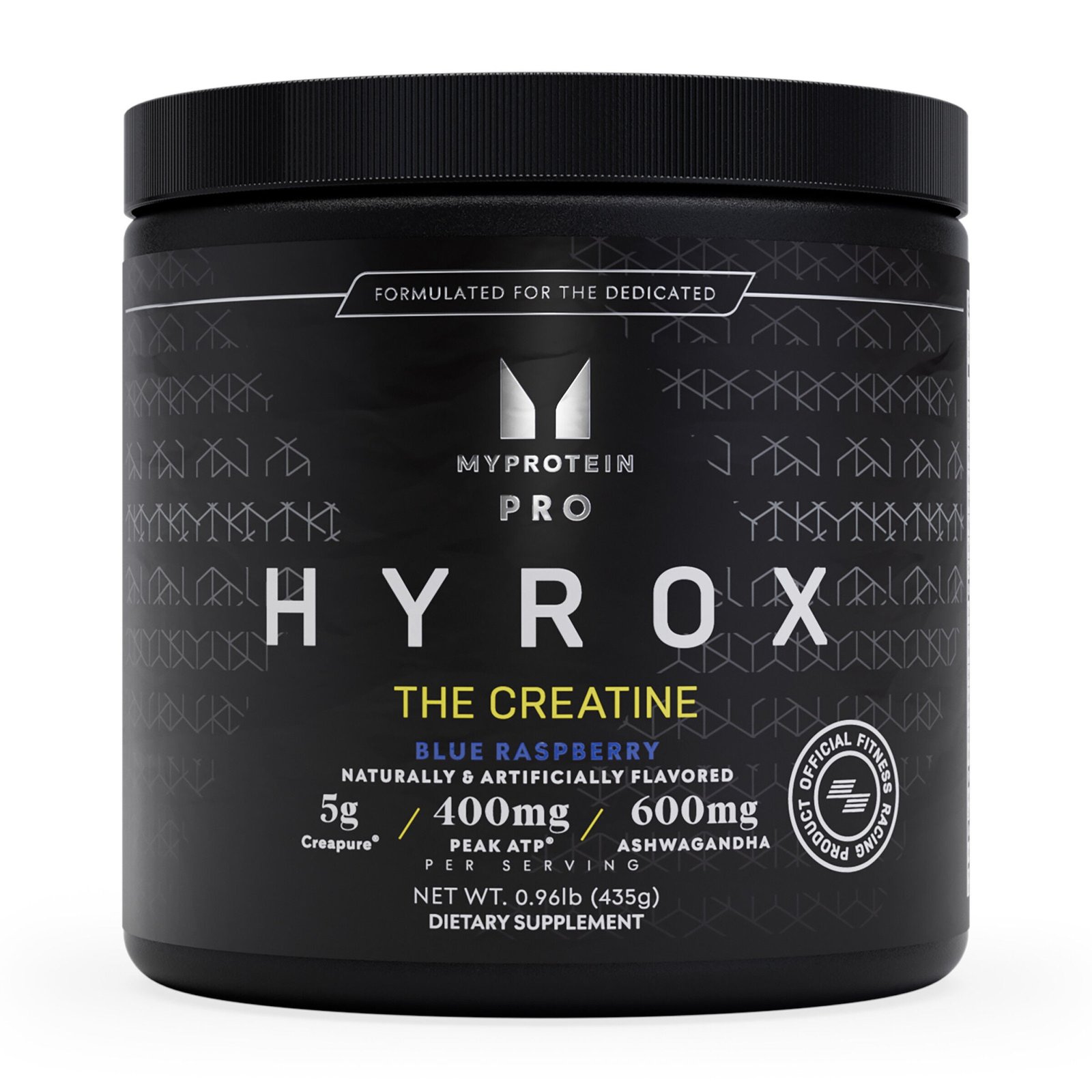
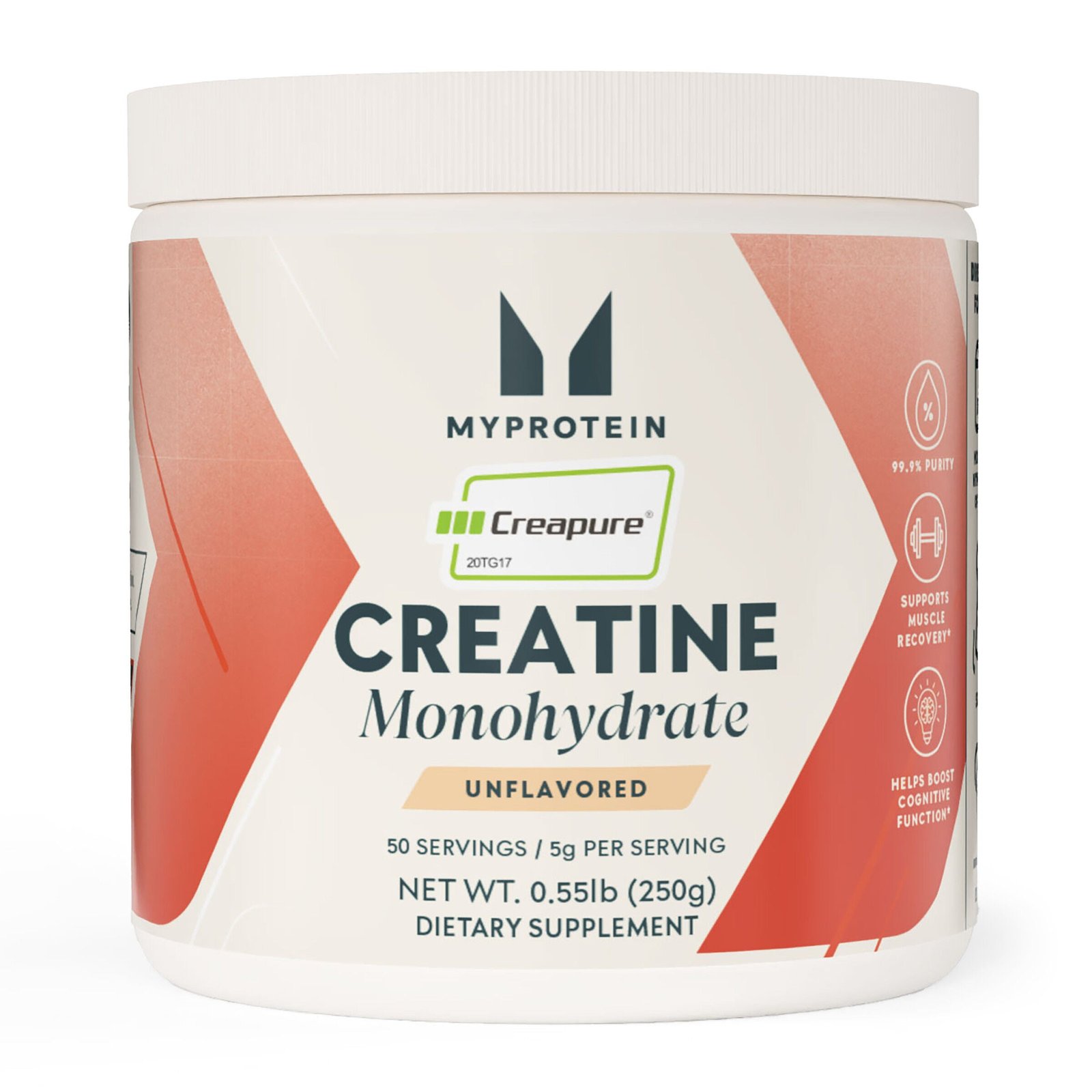
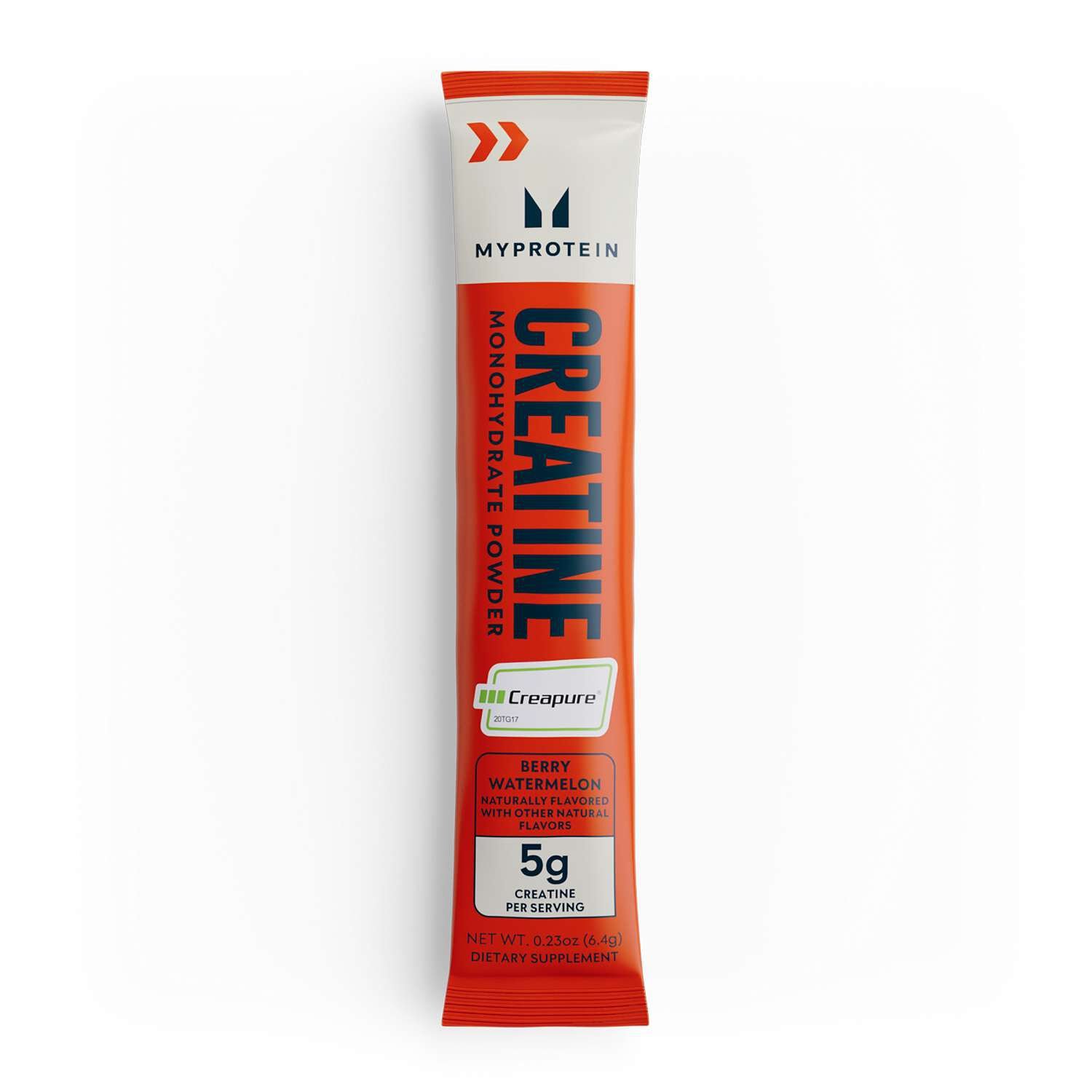
The photographs here illustrate different creatine package formats and variants. They do not establish that any pictured item is currently the least expensive option, has a particular certification, or is suitable for every shopper. Those questions require their own current checks.
Think about the total quantity you will use
A lower serving price may come with a much larger package. Consider whether that quantity fits your practical plans and available storage. This is a purchasing decision, not a recommendation about frequency of use. Use your own intended routine only to understand the commitment represented by the package.
A calculation of how many weeks a tub might cover does not establish shelf life. Read the actual date information and storage instructions separately. Do not assume that a larger package can be kept for the entire period shown by your portion-planning worksheet after opening.
If current date information matters to your purchase, ask about the exact item offered. A generic gallery image may not show the dates on every unit in stock. Record the answer accurately rather than turning an old photograph into a guarantee about the item you will receive.
Build a comparison sheet with both price and evidence
Use one row per exact product and size. Include the price checked, date, labeled servings, serving weight, declared ingredient information, purchase conditions, and source link. Then add the calculated price per labeled serving. This makes it clear where the numbers came from.
Mark missing values as unconfirmed instead of leaving a blank that could later be mistaken for zero. If an essential field is unreadable, keep the item outside the confirmed price ranking until the quantity is resolved. An accurate comparison sometimes means acknowledging that you cannot yet calculate a result.
| Worksheet field | Record | Why it belongs |
|---|---|---|
| Exact variant | Brand, line, flavor, size | Connects the price to the correct item |
| Serving information | Count and stated portion basis | Defines the denominator |
| Ingredient information | Relevant declared amount and formula | Shows whether comparisons are equivalent |
| Purchase conditions | Quantity, discount, recurring terms | Explains the actual commitment |
| Checkout costs | Applicable charges or separate order total | Prevents hidden cost assumptions |
| Evidence | Link and date checked | Makes the comparison revisitable |
What if the result seems unusually cheap?
First check the arithmetic and quantity. A price might cover one individual portion rather than a multipack, or a listing might offer a smaller size than the photograph initially suggests. Confirm the exact item before interpreting the result as an exceptional saving.
Next check whether you mixed different denominators. Price per gram of powder, per labeled serving, and per tub are different figures. A spreadsheet can produce a correct division for the wrong question if the column headings are unclear. Revisit the source statements rather than adjusting numbers to match an expectation.
Finally, review the offer conditions and unresolved product information. A low number does not settle authenticity, certification, ingredients, or individual suitability. Ask specific questions where needed, and avoid repeating an unsupported claim simply because the price calculation appears precise.
Frequently asked questions about creatine price per serving
Which tub is always the cheapest?
There is no permanent answer without checking current prices, sizes, and purchase conditions. This guide does not name an unverified winner. Use the same calculation for a current shortlist and keep the evidence date visible.
Is the lowest package price the lowest serving price?
No. Divide by the labeled serving count. A smaller payment can buy fewer servings and produce a higher serving price. Keep both total expenditure and price per serving in your comparison because they answer different questions.
Do equal serving counts mean equal ingredient amounts?
No. Read the exact serving basis and declared ingredient information. Different products can define their portions differently. A price-per-serving calculation should not be presented as proof that formulas or forms are interchangeable.
Should I include delivery in the comparison?
If you want to compare the cost of the actual order, use applicable checkout charges or show them separately. Explain how shared order costs were handled. Do not assume a delivery rate or threshold that has not been confirmed for your purchase.
Is a large tub always the better buy?
No. Compare unit price with the initial payment, total quantity, ingredients, flavor preference, and storage practicality. The lowest arithmetic price is only useful if the exact product and purchase conditions fit your requirements.
What should I do if the serving count is unclear?
Request a readable current panel and confirmation of the selected size. Keep the calculation marked as unconfirmed until the denominator is known. Do not estimate from the container image or borrow another variant’s count.
What should I compare after the arithmetic?
Review the exact formula, directions, storage information, and any claims that matter to your purchase. For a broader format comparison, see the creatine format guide for the main purchase differences. Keep personal health decisions separate from this purchasing worksheet.