Blog
How do I check a creatine product’s third-party testing claim?

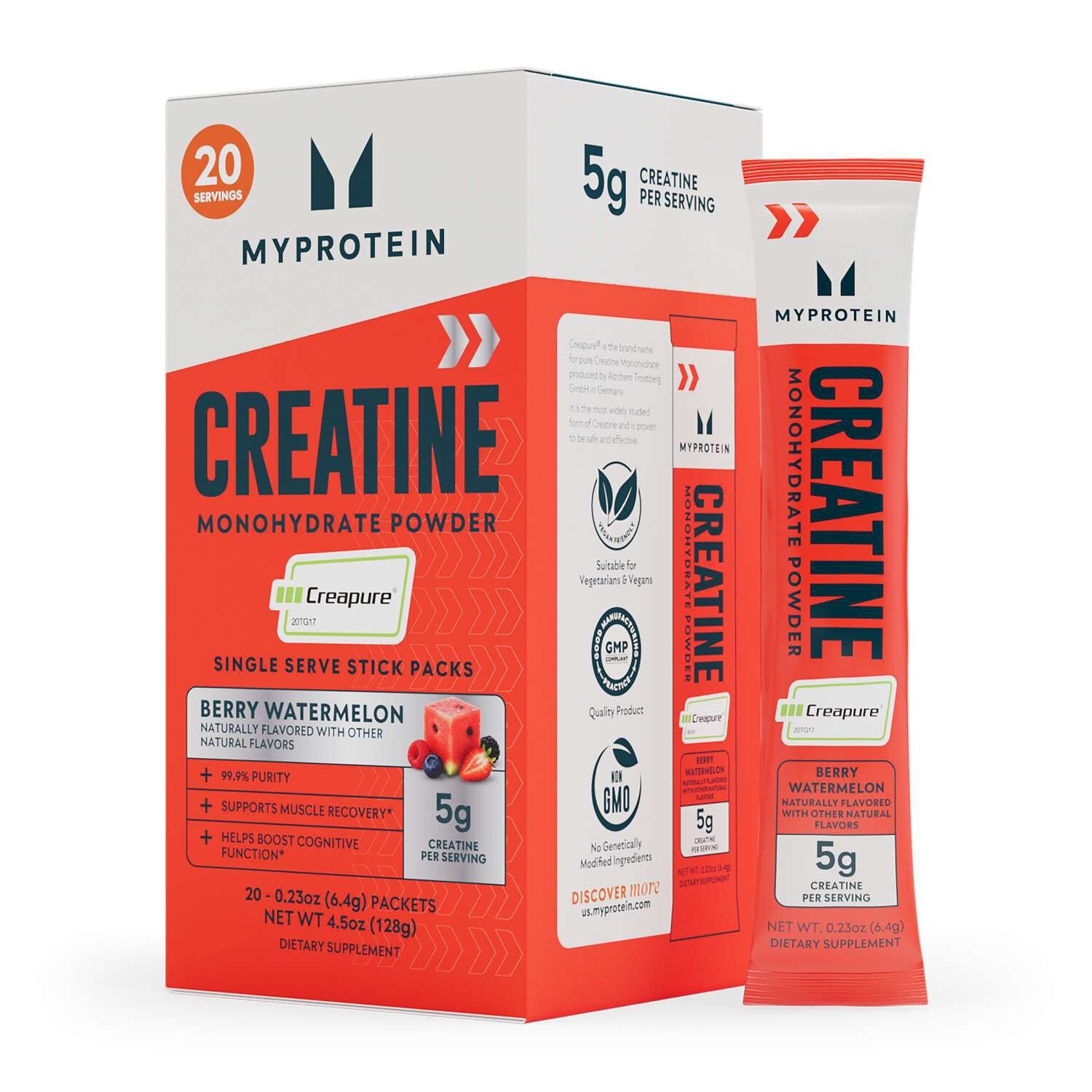
Check a creatine product’s third-party testing claim by identifying the exact claim, the organization behind it, and the product or batch covered. Then verify the information through that organization’s current resources. A logo, an official-sounding phrase, or a statement about the brand is a starting point for investigation rather than a complete answer about the item you intend to buy.
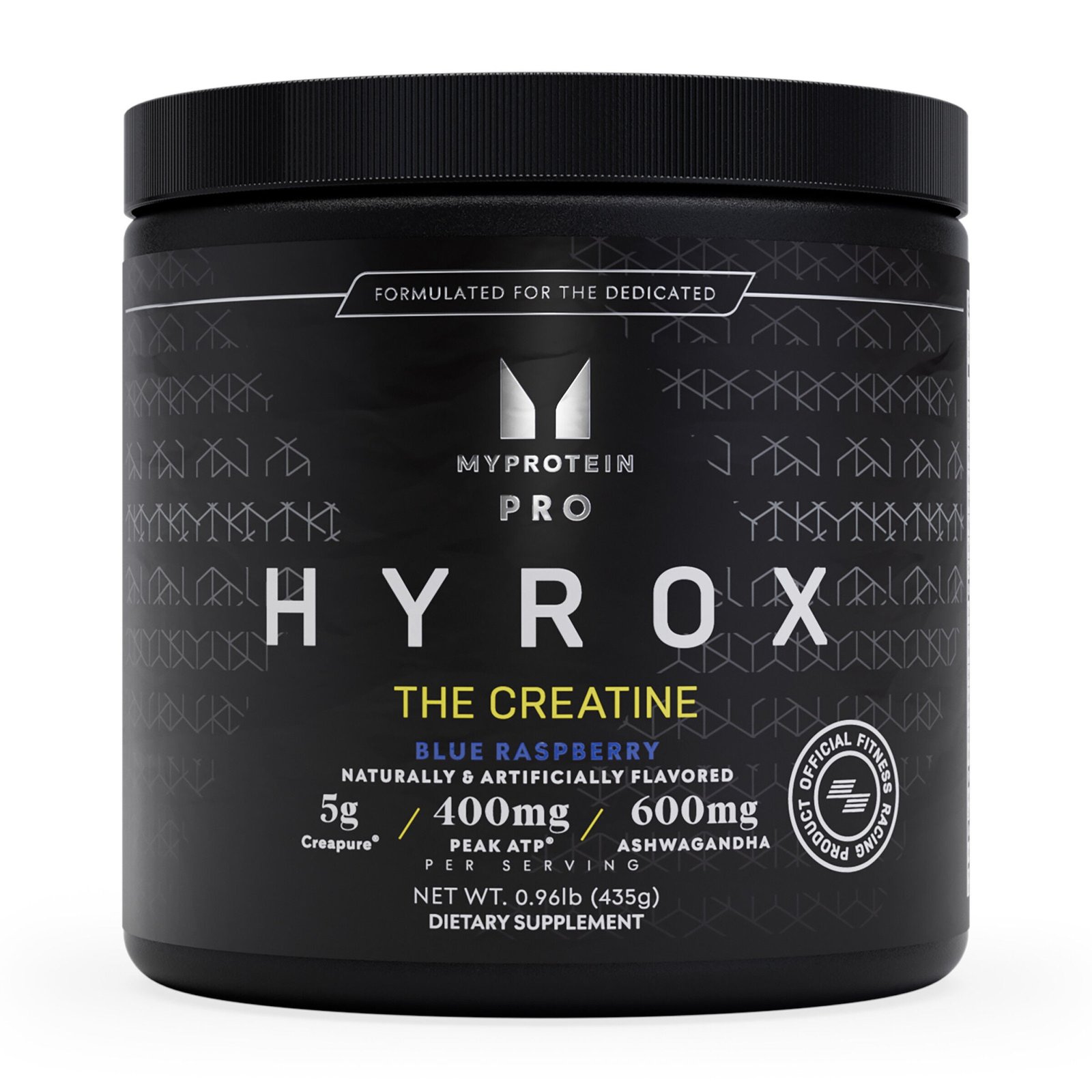
This guide explains a practical verification process and a worksheet for recording what you find. It does not certify any creatine product pictured here, promise a personal outcome, or establish an item’s suitability for an individual athlete or health requirement. Keep those questions separate from the task of checking whether a particular claim has supporting evidence.
Copy the exact claim before investigating it
Write down the wording as it appears on the listing or package. Third-party tested, certified for sport, quality tested, and made in a registered facility may refer to different kinds of information. Do not combine them under a single heading and assume they carry the same meaning.
Save the source and date. If the claim appears only in a gallery image, note which image and whether it matches the selected flavor and size. An old package photograph may not establish the current version’s status, so preserving the original context helps you ask an accurate follow-up question.
Avoid expanding the wording yourself. A statement about one test should not become a claim that every possible substance was checked. A statement about a facility should not become a finished-product certification. Begin with what is actually stated, then seek evidence for that specific statement.
Identify the organization and program
Look for the full name of the testing organization or certification program. A recognizable logo may be helpful, but you need enough information to locate the relevant official resources. If no organization is named, ask what the claim refers to rather than guessing from the package design.
A company can operate several programs with different scopes. Preserve the exact program name instead of shortening every label to tested. Similarly, a laboratory report and participation in an ongoing certification program are different types of evidence. Read the explanation of the one being claimed.
The NIH Office of Dietary Supplements explains that independent quality-assurance seals do not guarantee a supplement is safe or effective. Its consumer supplement guide provides context for that limitation. Verification is therefore a specific information check, not a replacement for every other purchasing or individual suitability question.
| Information shown | First question | Evidence to seek |
|---|---|---|
| Third-party tested | Which organization and what test? | Identified report or explanation |
| Named certification | Which exact program and product? | Current official product record |
| Facility statement | Does it describe the facility or the item? | Relevant scope information |
| Ingredient supplier statement | Is this about an ingredient or finished product? | Documentation matching the claim |
| Brand-wide wording | Which items are actually covered? | Exact product information |
Match the product, not just the brand
Record the brand, product line, flavor, form, and package details before searching. A result for another item from the same company does not establish the claim for your selected product. Powders, capsules, gummies, and combination formulas can be separate products even when they share a brand name.
Check whether the official record distinguishes flavors, regions, formulations, or other variants. Use the fields the program supplies rather than assuming those differences never matter. If the record’s identity does not clearly match the package, keep the status unconfirmed while asking for clarification.
A product photograph on a retailer’s page can help you identify the item, but it is not itself an independent verification record. Keep the retailer listing and official program information as separate evidence sources. Matching them is the useful step, rather than treating either one as a substitute for the other.
Use official directories when a named program provides one
NSF’s Certified for Sport website provides a product-search resource. If that is the specific program claimed, use its current search information and examine the result for the exact item. Finding a company name alone is not the same as establishing a matching product record.
Informed Sport also provides an official certified-products resource with product and batch search options. Its guidance notes that not every product in a company’s range is necessarily certified. This makes the exact product identity important even when the brand is familiar.
These links illustrate where named claims can be checked. They do not imply that a product in the Sprinkles Menu catalog belongs to either program. Do not attach a certification to a listing until the relevant current evidence supports that specific statement.

When does the batch or lot identifier matter?
A batch or lot identifier helps distinguish a particular production group. If a program’s resources provide batch verification, use the identifier from the actual package and follow that program’s instructions. Do not invent a batch number from a barcode, date, or unrelated printed code.
Informed Sport’s frequently asked questions recommend verifying a product’s batch number through its search tools. If you are checking a claim under another program, use that program’s own current instructions instead of assuming every system works identically.
Before ordering, the exact package identifier may not be available. Record that limitation and ask what information the seller can confirm about the item offered. After receipt, compare the actual package with the relevant evidence rather than treating a generic stock photograph as the identifier of your unit.
How should you read a test report?
First check whether the report actually identifies the item and sample relevant to the claim. Record the product description, any batch information, report date, issuing organization, and stated test scope. A document with impressive formatting is less useful if you cannot connect it to the selected product.
Next, identify what the report says was examined and what conclusions it actually gives. Do not assume that a report about one characteristic covers every other characteristic. Keep your notes in the report’s own terms rather than translating a limited result into a broad claim of complete safety or performance.
If technical details determine whether the evidence meets a particular requirement, ask the issuing organization or a qualified person to clarify them. A shopping guide cannot validate a laboratory’s methods or interpret every result for an individual use case. The practical first task is to establish identity, scope, and relevance.
| Report detail | What to record | Mistake to avoid |
|---|---|---|
| Issuer | Named laboratory or organization | Assuming a retailer created independent evidence |
| Product description | Exact item identified | Substituting another formula |
| Batch information | Identifier if supplied | Treating every unit as the same batch |
| Date | Report or sample date as labeled | Assuming an old report covers all future stock |
| Scope and conclusion | What the document actually states | Expanding a limited result into every possible claim |
Keep ingredient evidence separate from finished-product evidence
Some product pages discuss a named ingredient supplier or a particular raw material. That may be relevant information, but ask whether the claim concerns the ingredient or the finished product. Those are different objects of verification, and the distinction should remain visible.
A combination formula may contain several ingredients beyond the one highlighted on the front. Documentation about one component does not automatically describe every part of the final recipe. Likewise, a supplier logo does not establish participation in an unrelated finished-product certification program.
Use precise wording in your comparison. “Supplier information available for a named ingredient” is different from “finished product verified under a named program.” If the evidence does not answer your original question, keep that question open rather than assigning a broader meaning to the material you found.
What if the logo and official record do not appear to match?
Check the exact wording, spelling, variant, and program first. A mismatch may involve a different formula, market version, or outdated image, and a missing search result does not by itself establish why the information differs. Avoid making an accusation from an incomplete comparison.
Save the product details and the specific discrepancy. Ask the seller or program for clarification using the exact product identity. A useful question explains what you found and what remains uncertain rather than asking for a generic assurance that the product is good.
If the claim is essential to your purchase, leave the item outside your confirmed shortlist until it is resolved. Do not replace verification with an attractive price or a large number of positive reviews. Those features answer different questions from whether a certification claim matches the offered item.
Build a record you can revisit
Create one row per exact product. Include the claim wording, organization, program, relevant product identity, date checked, source links, and any batch information available. Mark the result as matched, unclear, or requiring follow-up. A status label helps prevent uncertainty from disappearing into a set of saved screenshots.
Keep your notes factual. Record that a directory result matched particular identifiers rather than writing a guarantee about future stock or personal outcomes. If a detail changes, such as the formulation or package version, revisit the relevant check instead of assuming your previous result automatically transfers.
You do not need to collect unrelated personal information to maintain this record. Product identity and evidence are the focus. If individual sport or health requirements apply, retain the exact product information for the appropriate professional or organization to review within that separate context.
| Verification worksheet | Record | Status question |
|---|---|---|
| Claimed statement | Exact wording and source | What is being asserted? |
| Organization and program | Full names | Is the claimed program identified? |
| Product match | Brand, line, form, variant | Does the record concern this item? |
| Batch details | Available identifier and source | Is a batch check applicable and complete? |
| Scope | Relevant program or report explanation | Does it answer the original question? |
| Follow-up | Specific missing information | What remains unconfirmed? |
Questions to ask before purchasing
Ask which exact program or report supports the displayed statement, where the relevant official information can be found, and whether it corresponds to the selected variant. If batch verification is applicable, ask what identifying information is available for the stock offered.
Keep the request concise and specific. For example: “Please identify the testing program behind this statement and the current record corresponding to this product and flavor.” If you need a batch match, state that separately. A clear request gives the recipient something concrete to answer.
Do not interpret a slow response as evidence that a claim is false, but do not count an unanswered question as confirmation either. Keep the item’s status accurate while waiting. The goal is a traceable answer rather than a reassuring phrase that cannot be checked.
Frequently asked questions about creatine testing claims
Is third-party tested the same as certified for sport?
Do not assume the phrases mean the same thing. Identify the organization, exact program, and scope behind the claim. A particular test report and a named certification program can provide different types of evidence. Check the one actually being asserted.
Does one certified product mean the whole brand is covered?
No such assumption should be made. Match the exact product and relevant variant information in the official resources. A company can offer multiple formulas and product forms, so the brand name alone does not resolve your selected item’s status.
Is a logo in a retailer photograph enough?
Use it as a prompt to verify the claim through the named organization’s current resources. Check that the image matches the selected product. An old or generic photograph should not replace a current product or applicable batch check.
Does a quality seal guarantee safety or a personal result?
No. Keep the verification’s scope separate from individual suitability and effectiveness. The NIH consumer guide explains the limits of quality-assurance seals. Appropriate professional guidance may be needed for personal health or sport-specific decisions.
Should I copy a barcode into a batch search?
Use the identifier requested by the program and shown on the actual package. Do not assume a barcode, date, and batch number are interchangeable. Ask for help identifying the correct code when the package or instructions are unclear.
What if I cannot find the item in a directory?
Check the exact product identity and program, then ask for clarification about the mismatch. Keep the claim unconfirmed until you have an answer. A missing result alone does not establish the reason, and it should not be converted into an unsupported accusation.
What should I compare after verifying the claim?
Review the current ingredients, serving basis, directions, purchase quantity, and price. For the arithmetic step, see the creatine price-per-serving guide. A verified claim is one part of a purchase decision, with its meaning limited to the evidence supporting it.