Blog
Creatine monohydrate vs creatine HCl: what should shoppers compare?

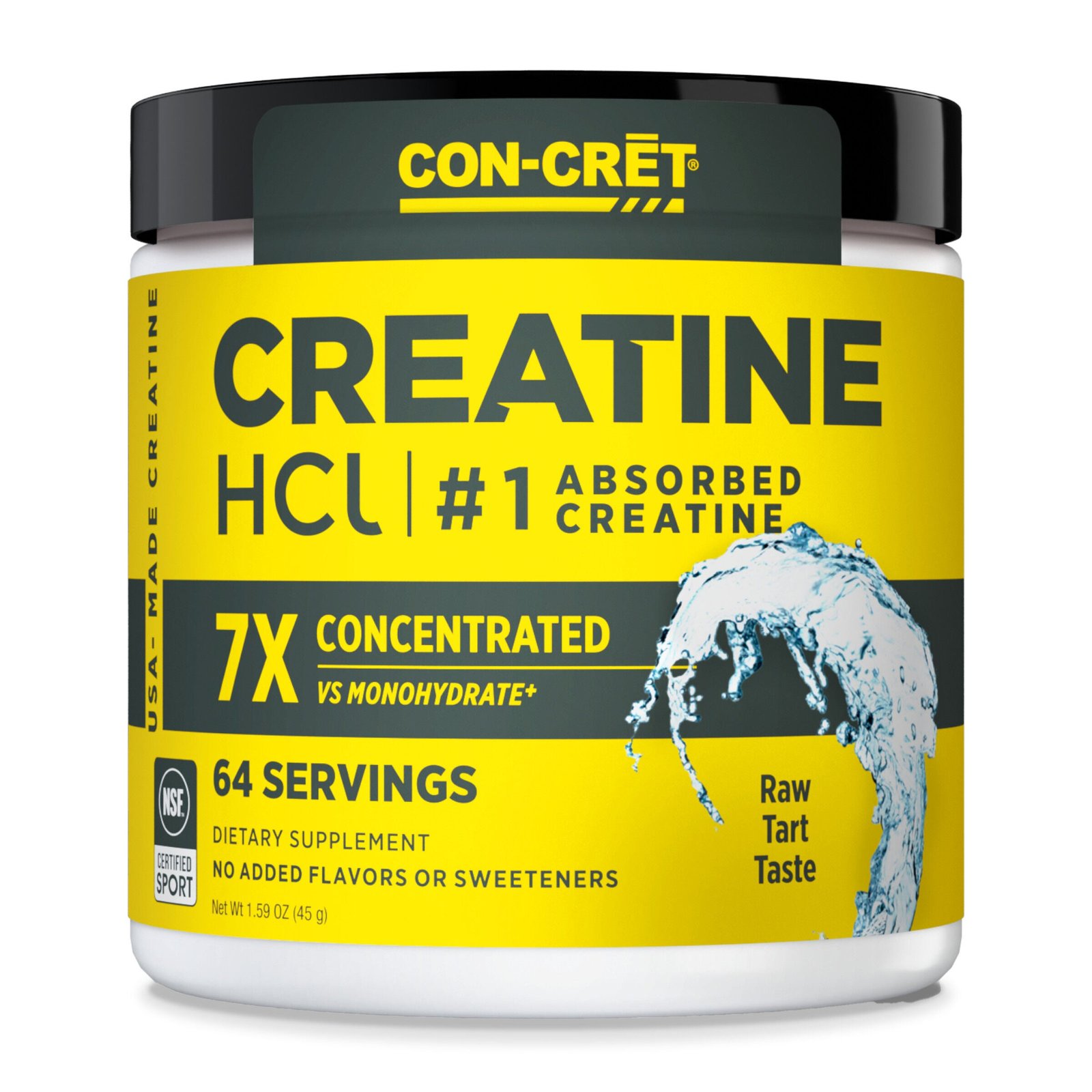
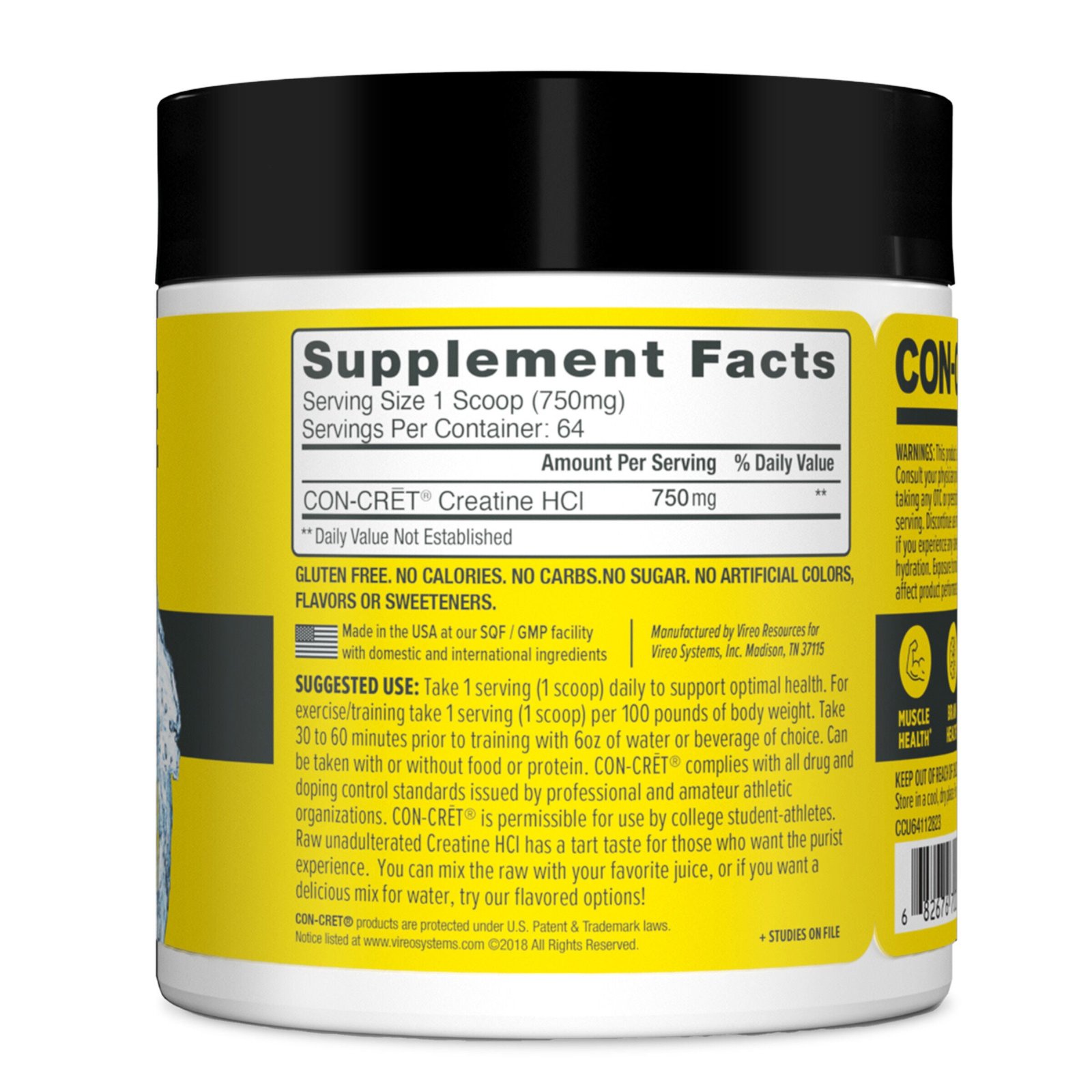
When comparing creatine monohydrate with creatine hydrochloride, usually written HCl, separate the research question from the shopping question. Research asks what a particular form has been shown to do under particular conditions. Shopping also involves the exact formula, serving statement, ingredients, package quantity, current price, and preparation instructions. A smaller scoop, higher price, or more elaborate product name cannot answer all of those questions at once.
The NIH Office of Dietary Supplements identifies creatine monohydrate as the most widely used and studied supplement form in its exercise and athletic performance guide. That is useful background for evaluating claims. It is not a personalized recommendation, and it does not establish that every product containing monohydrate has identical quality or is appropriate for every individual.
What should you identify on each package?
Start by copying the complete product identity: brand, line, form, flavor, package size, and stated servings. Then find the declared creatine ingredient rather than relying only on a large front-label word. A powder marketed with creatine may be a simple formula or a combination product containing several other ingredients.
Keep the form name exactly as stated. Do not shorten every product to creatine if the purpose of your comparison is to understand differences between forms. Likewise, do not let the word HCl in an unrelated ingredient name persuade you that the item is a creatine HCl product.
Match the current panel to the selected variant. A photograph from a different size or flavor can introduce errors into the serving and price comparison even when the front designs look similar. If the title and panel do not clearly match, mark the details as unconfirmed and request clarification.
| Comparison field | Monohydrate option | HCl option |
|---|---|---|
| Exact product | Copy brand, line, flavor, and size | Copy brand, line, flavor, and size |
| Declared form | Copy the ingredient wording | Copy the ingredient wording |
| Serving basis | Record powder weight or other unit | Record powder weight or other unit |
| Declared amount | Keep the panel’s wording and units | Keep the panel’s wording and units |
| Other ingredients | Review the full formula | Review the full formula |
| Purchase cost | Use current price and conditions | Use current price and conditions |
Do not confuse product weight with declared ingredient amount
A serving’s total powder weight and a separately declared ingredient amount are different pieces of information. A flavored or combination formula may contain ingredients beyond the one you are comparing. Copy both figures where available rather than assuming every gram of the powder represents the same substance.
For a hypothetical example, a panel describing a six-gram product portion and a separate five-gram ingredient declaration does not say that the portion contains six grams of that ingredient. This example illustrates label interpretation only; it does not describe a catalog product or recommend a personal serving.
Preserve the exact basis of any declared amount, including wording such as an amount of a named compound. Do not silently convert it into another chemical or physiological quantity. If an amount-based comparison requires clarification that the label does not provide, request an explanation rather than inventing an equivalence.
What does the evidence behind a form claim actually compare?
A statement that one form is better should prompt a precise question: better for which measured outcome, compared with what, in which people, and under what conditions? A study of mixing behavior asks a different question from a study of a performance outcome. Neither should be casually substituted for the other.
Look for the research source behind the exact claim. Note whether it examines the named form alone, a multi-ingredient formula, or a finished branded product. A result involving several ingredients cannot automatically be assigned entirely to one component, and a study of an ingredient does not by itself verify every retail product using its name.
Keep the date and scope of the research visible. Evidence develops over time, and broad statements such as no studies exist can become inaccurate. A useful comparison identifies what a source actually examined rather than converting a limited finding into a permanent ranking of every product on the market.
Does easier mixing prove a better personal result?
Treat a mixing claim as a mixing claim unless separate evidence supports a broader conclusion. Whether a powder disperses as expected in a particular preparation is a practical consideration. It does not alone establish what happens in a person’s body or whether a product produces a superior outcome.
If preparation convenience matters, read the exact product’s directions and consider the equipment and liquid you plan to use. Compare the routine you would actually follow. Do not create new mixing instructions from a general discussion of a form or from a photograph of another product.
Avoid converting a personal review into a universal technical result. One shopper’s comment about texture or taste may help identify a question, but the preparation, formula, and individual experience may differ from yours. Record the observation in context rather than presenting it as proof of a physiological claim.
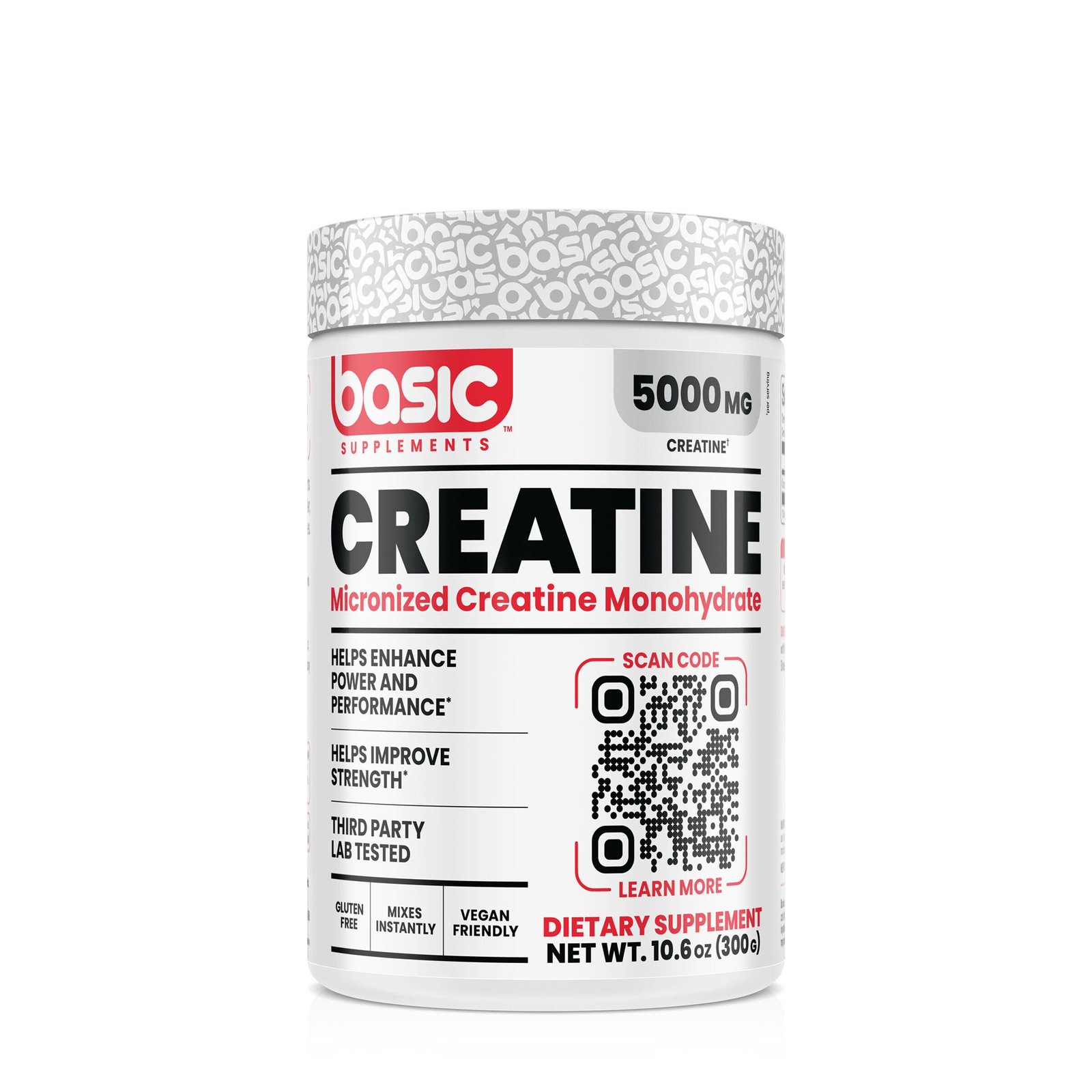
Why a smaller labeled serving is not an automatic advantage
Two products can state different serving sizes and counts. A smaller labeled portion may make a tub appear to contain more servings, but that does not establish equivalent ingredient amounts or outcomes. Read the serving statement and declared amounts together before comparing the counts.
Do not combine one product’s scoop with another product’s instructions. Scoops are measuring tools associated with their own products, rather than interchangeable standards. If the directions are unclear or the original measuring information is missing, ask for the intended gram-based information instead of guessing.
A shopping worksheet should not become a dosing instruction. Keep the manufacturer’s directions visible and seek appropriate professional guidance for individual use questions, particularly where health conditions, medications, or sport-specific requirements are relevant. A price calculation cannot settle those questions.
Compare the complete formulas, not just the form names
Check flavoring, sweetening ingredients, capsules or other delivery materials, and any additional declared ingredients that matter to your preferences. A monohydrate powder and an HCl tablet differ in more than the named form. A simple powder and a combination formula also require more than a two-word comparison.
If your requirement is an unflavored product, confirm the exact variant rather than relying on the category. If you want to avoid particular ingredients, read the current list. Neither a familiar brand nor an uncomplicated-looking container establishes the full recipe.
Keep allergy and individual suitability questions separate from general shopping descriptions. Use current manufacturer information and the actual package when those details are essential. A product photograph can support identification, but it cannot determine personal safety from a distance.
| Question | Evidence to inspect | Unsupported shortcut |
|---|---|---|
| What form is declared? | Current ingredient or facts panel | Brand name alone |
| What else is in the formula? | Complete ingredient statement | Assuming one front word describes everything |
| How is it prepared or used? | Current package directions | Copying another form’s instructions |
| What supports a benefit comparison? | Research matching the claim | Mixing behavior treated as an outcome study |
| Does it meet a required certification? | Applicable current program record | Assuming the form name implies certification |
How should you compare prices?
Begin with price per labeled serving, clearly identified as that particular measure. Divide the current package price by the stated serving count. Then keep differences in declared amounts, formulas, and purchase conditions visible instead of treating the result as a complete measure of value.
Imagine two hypothetical products: one costs 30 currency units for 60 labeled servings, while another costs 28 for 40. Their basic serving prices are 0.50 and 0.70 units respectively. That arithmetic does not establish equivalent ingredient quantities, effectiveness, or personal suitability, and these are not current store prices.
If you calculate a price per declared amount, label the denominator precisely and use only information the panel clearly provides. Do not imply clinical equivalence from a numerical conversion. For the basic worksheet method, read the creatine price-per-serving guide.
Include the actual purchase commitment
A package price can depend on quantity, a coupon, or recurring-order terms. A subscription figure is not automatically the ordinary one-time price. Record the conditions that apply to the order you intend to place rather than selecting the most attractive number from every listing.
Check applicable checkout charges and the total expenditure. A lower serving price can require buying a much larger quantity. That may or may not fit your budget, storage space, or intention to try a new product. Unit cost and initial payment answer different questions and both belong in the comparison.
Read date and storage information separately. Dividing a serving count by an intended frequency only estimates quantity over time; it does not establish shelf life or a period for keeping an opened product. Use the exact package instructions instead of inferring them from a large serving count.
Testing and certification are separate from the creatine form
A form name does not establish a particular testing program. If a listing claims certification, identify the exact program and verify the relevant product information through that program’s resources. Do not transfer a result from one item to the brand’s entire range.
A raw-ingredient statement and a finished-product certification can also refer to different things. Preserve the scope of the evidence you find. A supplier name, a manufacturing statement, and a current product record should not be combined into one vague claim that everything has been independently verified.
For a step-by-step checking method, see how to investigate a creatine testing claim. Keep any unresolved requirement marked as unconfirmed until the applicable evidence is available.
Build a decision sheet with room for uncertainty
Create one row per exact product and use separate columns for facts, calculations, and unresolved questions. Save the listing and label sources with the date checked. This makes it easier to revisit a decision when prices, packaging, or product versions change.
Use status words such as confirmed, unreadable, and needs clarification. A blank field can later be mistaken for zero or not applicable. Clear uncertainty is more useful than a polished table whose missing information has been filled with assumptions.
| Decision stage | Record | Reason |
|---|---|---|
| Identity | Exact variant and source | Prevents information from different items being mixed |
| Label | Form, portion basis, declared amounts | Defines what is actually being compared |
| Formula | Ingredients relevant to your requirements | Keeps suitability criteria explicit |
| Evidence | Exact claim and supporting source | Limits conclusions to what was checked |
| Cost | Price, denominator, and conditions | Makes arithmetic transparent |
| Open question | Specific missing information | Supports a focused follow-up |
Frequently asked questions about monohydrate and HCl comparisons
Which form has the broader established research background?
The NIH consumer guide identifies monohydrate as the most widely used and studied supplement form. Keep that background distinct from a claim about every finished product or an individual’s suitability. Investigate any more specific comparative claim using evidence that matches its wording.
Does a higher price prove a superior form?
No. Price can reflect formulation, packaging, brand positioning, and purchase conditions. Compare the exact evidence and product details separately. A premium price is a cost observation rather than proof of a particular outcome.
Can I compare products by the number of scoops alone?
No. Scoops and labeled portions can differ. Record the gram-based serving information and declared amounts where available. Do not treat a smaller scoop or a larger serving count as evidence that products are equivalent.
Is a flavored product the same formula as its unflavored version?
Check each current label. Flavor variants can have different additional ingredients and serving details. A shared product line helps navigation, but it does not replace reviewing the item selected for purchase.
Does a solubility statement settle a performance comparison?
A statement about mixing or solubility does not alone answer a different outcome question. Ask what was measured and what source supports the broader claim. Keep practical preparation preferences separate from conclusions about personal results.
What should I ask if a comparison claim is unclear?
Request the exact supporting research or explanation, including the product or form, comparator, and measured outcome. A focused question is more useful than asking for a general assurance that one form is best for everyone.
What is the final shopping check?
Confirm the exact item, readable label, relevant ingredients, current purchase terms, and any evidence essential to your decision. Keep individual health and use questions separate from the arithmetic and seek appropriate guidance with the current label available.