




Blog
How do creatine powders, capsules and gummies compare?

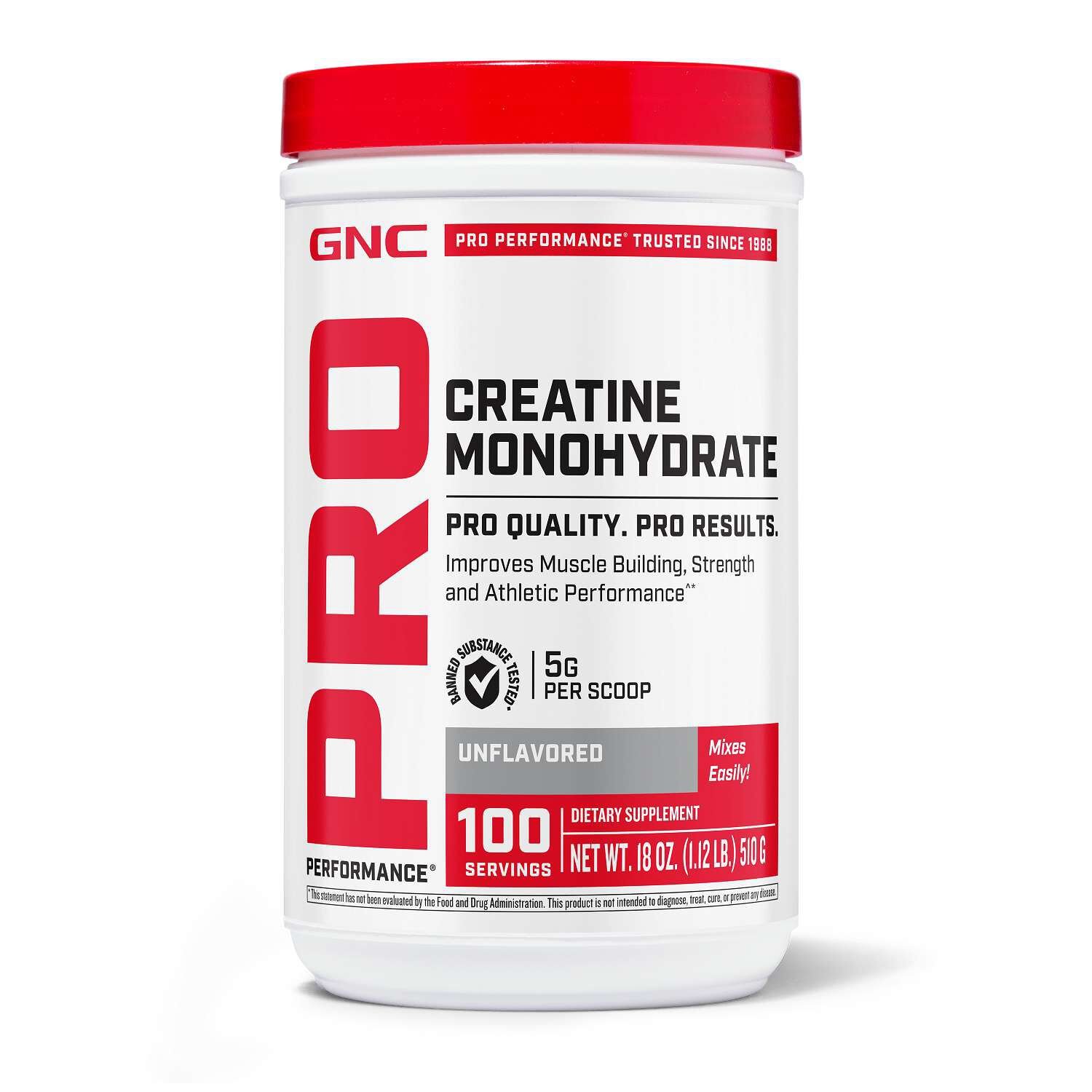
Creatine powders, capsules and gummies differ in how the product is measured, prepared, packaged and carried. To compare them fairly, start with the actual creatine ingredient and the amount listed for a complete serving. Then examine the other ingredients, number of servings, current price and preparation requirements. A tub, bottle and gummy container are different formats; their front-label counts do not automatically describe equivalent purchases.
This guide is about reading product information and organizing a purchase comparison. It does not recommend a personal dose or claim that a format is best for everyone. All numerical examples below are hypothetical unless explicitly described as information visible in an illustration. Confirm the exact current label for the product and flavor you intend to buy.
Start with the ingredient rather than the format
A powder and a capsule may share an ingredient name, or they may use different named forms and additional ingredients. Record those details before comparing convenience. Otherwise, a discussion that appears to compare formats can actually compare different formulas without acknowledging the difference.
Copy the full creatine ingredient name from the panel or manufacturer information. Keep a single-ingredient description separate from a blend containing other ingredients. If the formula combines creatine with collagen, amino acids or another component, write that down instead of treating the entire serving weight as creatine.
Do not infer ingredient identity from a familiar brand or container shape. A manufacturer can sell several creatine products with similar artwork. The complete name, selected flavor and current panel identify the formula more reliably than a partial title or an old photograph.
| First comparison field | What to record | Why it belongs before convenience |
|---|---|---|
| Exact ingredient | Full named form | Distinguishes the actual formula |
| Listed amount | Quantity and units per serving | Establishes the panel basis |
| Additional ingredients | All disclosed components | Separates blends from simpler formulas |
| Selected version | Flavor, size and current label | Prevents mixing different options |
What should you check on a powder?
Read the amount of powder that defines one serving, including grams and any stated scoop description. Then locate the listed creatine amount for that portion. These are separate fields, particularly in a formula with flavors or other ingredients. A thirty-gram scoop of a blend should not be described as thirty grams of creatine unless the product information actually supports that statement.
Check the preparation instructions for the exact formula. Record any specified measuring method, liquid quantity and handling information without improvising new directions. If you are comparing two powders, do not assume their scoops are interchangeable simply because both packages include one.
Consider practical preparation as a separate preference. A powder may require a container and a way to measure and mix it according to its label. If you are choosing a product for travel or a particular routine, identify what equipment the instructions require instead of deciding from package size alone.
What should you check on capsules?
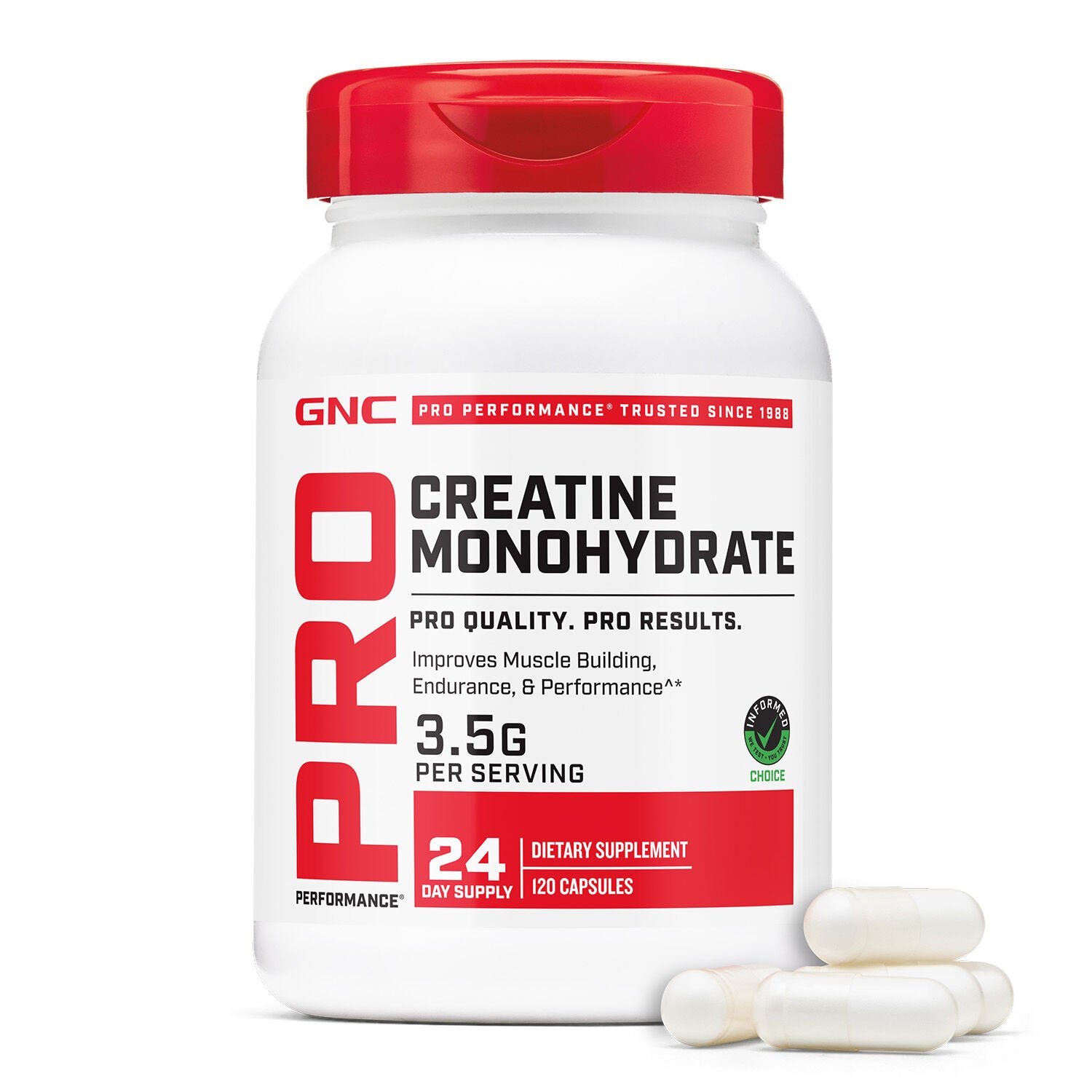
Find both the total capsule count and the number of capsules in a complete labeled serving. The large number on the front often describes pieces in the bottle. It may not describe how many complete servings the bottle supplies. Keep the printed amount per serving beside that serving definition.
A hypothetical bottle with 120 capsules and a five-capsule serving contains 24 labeled servings. Dividing its price by 120 gives price per capsule, while dividing by 24 gives price per serving. Both calculations are possible, but they answer different questions and should not share the same label.
Also read the complete ingredient list, including capsule materials and other listed ingredients. The creatine ingredient does not describe every part of the finished product. If a dietary preference or avoidance requirement matters, obtain the exact package information instead of assuming that all capsule versions share the same composition.
What should you check on gummies?
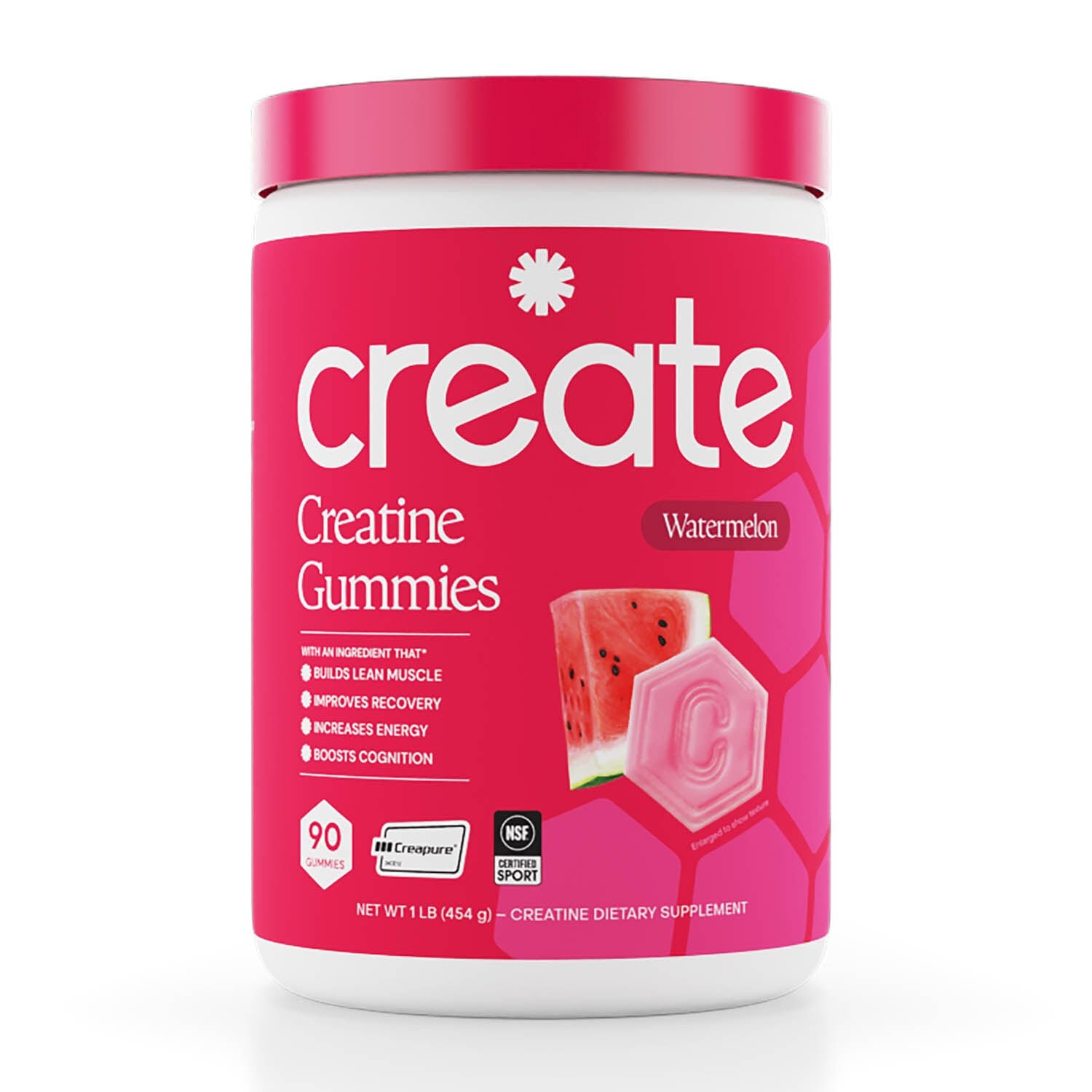
Read the gummy count, units per serving, listed creatine quantity and full ingredient information. A gummy is a format, not a complete formula description. Flavoring ingredients and any sweetening components should be checked on the exact selected option rather than inferred from another flavor.
A hypothetical container of 90 gummies with three gummies per labeled serving supplies 30 servings. A ninety-gummy headline should not be compared with a thirty-serving powder as if it represented three times as many complete servings. Convert both purchases to their own stated serving counts first.
If you are interested in the flavor, distinguish a product fact from a preference. The label can identify the named flavor, but it cannot guarantee that you will enjoy it. A larger container of an unfamiliar gummy commits a different amount of money and storage space from a smaller available package.
How do you compare package quantity across formats?
Use a table that preserves each format’s measurement. Powder uses a stated weight, while capsules and gummies use a unit count. The comparison becomes clearer once you record the complete labeled serving and the number of such servings in the package. Do not force grams of powder and numbers of capsules into a single unlabeled quantity column.
| Hypothetical package | Portion definition | Package contents | Complete labeled servings |
|---|---|---|---|
| Powder tub | 5 g powder | 300 g powder | 60, if stated consistently |
| Capsule bottle | 5 capsules | 120 capsules | 24 |
| Gummy container | 3 gummies | 90 gummies | 30 |
These examples explain package arithmetic, not equivalent creatine amounts. The powder’s portion weight, capsule count and gummy count do not establish matching ingredient quantities. Read the ingredient amount for each complete serving and retain any differences in the table.
If the manufacturer describes the serving count as approximate, preserve that wording. Do not turn an approximate package statement into an exact fulfillment guarantee. If the count and other quantities appear inconsistent, request clarification rather than quietly choosing the figure that produces the lowest cost.
How do you calculate cost per serving?
Divide the current price of the selected package by its stated number of complete servings. Record the ingredient amount and formula beside the result. A lower portion price is useful cost information, but it does not prove that the servings are equivalent or that a product suits an individual.
Suppose a hypothetical powder costs $30 for 60 servings, a capsule product costs $24 for 24 servings and a gummy product costs $27 for 30 servings. The costs are $0.50, $1.00 and $0.90 per labeled serving respectively. This comparison would remain incomplete without the ingredient forms and amounts.
| Hypothetical format | Price | Labeled servings | Product cost per serving |
|---|---|---|---|
| Powder | $30 | 60 | $0.50 |
| Capsules | $24 | 24 | $1.00 |
| Gummies | $27 | 30 | $0.90 |
For a final order comparison, include the actual delivery and other displayed charges. If the order contains several unrelated items, show the full basket total or explain any allocation instead of assigning all delivery costs to one product without saying so.
Which format is easier to carry or prepare?
Separate the tasks each product requires. A powder comparison might include measuring and preparation equipment. A capsule or gummy comparison might include counting the units in a labeled serving and maintaining the original package information. The exact directions should determine the tasks you list.
Think about the routine in which you would handle the product. Will you have the measuring equipment described by the manufacturer? Can the package be stored as instructed? Is the selected container size practical for the space you have? These questions are more concrete than calling one format universally convenient.
Do not invent transport or storage methods that conflict with the label. If you need information about carrying a product while traveling, check the relevant carrier or destination requirements separately. A shopping guide cannot establish every airline, venue or import rule from the format alone.
How do flavor and other ingredients affect the decision?
Compare the full selected versions. An unflavored powder, flavored powder, capsule and gummy can have different lists of additional ingredients. Record those differences without assuming that one format automatically excludes sweeteners, allergens or other components you wish to check.
Keep “unflavored,” “unsweetened,” ingredient-source statements and certifications as separate fields. Similar-sounding descriptions do not answer the same question. If the exact claim matters to your purchase, look for explicit product wording and supporting information where applicable.
If a panel is missing or cannot be read, ask for the current label. Do not substitute an ingredient list from another format just because the brand is the same. The more specific your requirement, the more important it is to identify the exact product version before ordering.
What should you ask about quality documentation?
Identify the precise statement you want to verify. A named product certification, a testing report and a facility statement can describe different scopes. Match the documentation to the exact formula rather than extending a general brand statement to every product in its range.
When a listing says tested without naming a reference, ask which organization or report supports the claim. Record the scope, product identifier and any lot or date details that are supplied. Missing documentation should remain an unanswered question instead of becoming an assumed certification.
Quality documentation does not decide personal suitability or guarantee an individual outcome. Keep those matters separate from the product comparison. This guide organizes shopping information; it is not a prescription, a performance promise or a reason to replace professional advice about personal health.
A complete comparison worksheet
Use the same rows for every candidate and allow each format to keep its own measurement. Mark unknown fields explicitly. A blank ingredient amount is not zero, and an unavailable panel is not permission to borrow the details of a similar-looking item.
| Field | Powder | Capsules | Gummies |
|---|---|---|---|
| Complete product and option | Record exact listing | Record exact listing | Record exact listing |
| Named creatine ingredient | Copy panel | Copy panel | Copy panel |
| Ingredient amount per serving | Keep units | Keep units | Keep units |
| Serving definition | Grams and scoop wording | Units | Units |
| Servings per package | Confirm label | Confirm label | Confirm label |
| Other ingredients | Read complete list | Read complete list | Read complete list |
| Preparation requirements | Follow label | Follow label | Follow label |
| Current delivered cost | Confirm checkout | Confirm checkout | Confirm checkout |
| Unresolved information | Ask specifically | Ask specifically | Ask specifically |
Review the worksheet before comparing convenience or price. If the ingredient forms or quantities differ, say so in your conclusion. A fair result may be that the products are different options with different practical advantages, rather than a single winner determined by one prominent number.
Questions shoppers often ask
Before checkout, compare the selected cart item with the worksheet. Confirm the format, flavor, package size and quantity again. If you changed from a powder to a capsule option while browsing, earlier notes about servings or ingredients may no longer apply. Make a separate row for the new option rather than overwriting only its price.
Keep a record of any clarification from the retailer with the exact product link. An answer about a ninety-gummy container does not automatically describe another container size. Similarly, a label image for an unflavored powder should not be used as the final information for a flavored blend. This last identity check is useful because a correct calculation can still describe the wrong selected product.
Are ninety gummies the same as ninety servings?
Only if the label defines one gummy as a complete serving. Read the units-per-serving line and the stated package count. If a serving uses several gummies, divide the total unit count by that number when checking the serving arithmetic.
Can I compare capsule count directly with powder grams?
Those quantities describe different measurements. Compare the ingredient information and complete labeled servings, then calculate the cost for those servings. A capsule count does not establish a matching number of grams of another product.
Is the cheapest format automatically the best choice?
No. The lowest serving cost is a cost result for the defined portions. Formula differences, preparation requirements, ingredient preferences and individual suitability remain separate considerations. Keep the total purchase commitment visible as well as the unit calculation.
Do products from the same brand have identical directions?
Do not assume so. Read the current label for the exact format, flavor and size. A brand may sell several formulas, and a scoop or serving definition from one should not be assigned to another without confirmation.
Where can I compare current products?
Start with the creatine supplements department. For related checks, read about creatine serving-price comparisons and checking testing claims. Ask through the contact page when a selected product’s panel or package details need clarification.